

You've done it again. Confirmed the dinner plans, felt good about saying yes, then spent the next three days watching dread creep in until you finally sent that "I'm so sorry, something came up" text. The relief is instant, but so is the guilt.
If canceling plans has become your default pattern, you're not alone, and you're not flaky. What feels like a character flaw is often your nervous system making decisions for you. The good news? Understanding why this happens is the first step to changing it, and natural supplements can support your body's stress response along the way.
Let's look at what's really happening when you cancel plans and how to build the resilience to show up for the life you actually want.
Quick Take
- Canceling plans often stems from anticipatory anxiety, not laziness or lack of interest in your relationships
- Your nervous system can get stuck in threat-detection mode, making social situations feel overwhelming even when you logically want to go
- Natural supplements like ashwagandha and L-theanine may help regulate stress hormones and support calmer responses to social anxiety
- Building consistency takes practice, but small steps like shorter hangouts and honest communication create sustainable change
- Supporting your body's stress response with targeted nutrients can make follow-through feel more accessible
The Real Reason You Keep Canceling Plans
When you cancel plans, it's rarely about the plans themselves. It's about anticipatory anxiety, that mounting tension between saying yes and the actual event. Research suggests this type of anxiety can trigger the same stress response as an actual threat, flooding your system with cortisol and making avoidance feel like survival.
Your brain isn't being dramatic. It's responding to perceived social evaluation, potential judgment, or simply the unpredictability of how you'll feel in the moment. For some people, this response intensifies over time, creating a cycle where each cancellation reinforces the belief that you can't handle social situations.
Studies show that avoidance behaviors provide immediate relief but strengthen anxiety pathways in the long term. Breaking this pattern requires understanding that your nervous system needs support, not more willpower.
Daily Support for Social Drinkers
Your liver works hard every day. Give it consistent support.
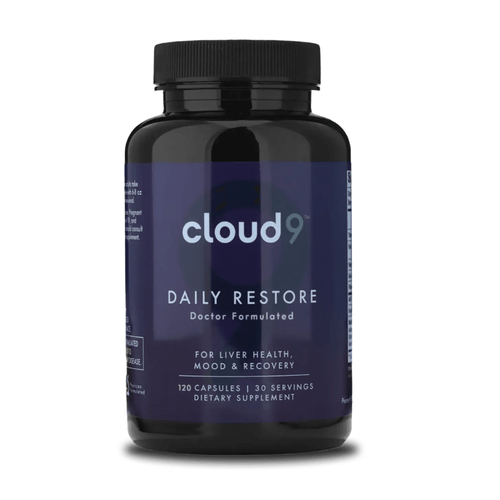
Cloud9 Daily Restore combines NAC, DHM, milk thistle, B vitamins, and ashwagandha to help support the pathways alcohol can tax most. Two capsules daily, drinking or not.
NAC | DHM | Milk Thistle | B Vitamins | Ashwagandha
See How Daily Restore WorksHow Your Nervous System Hijacks Your Social Life
Your autonomic nervous system has two main modes: sympathetic (fight-or-flight) and parasympathetic (rest-and-digest). When social anxiety takes over, your sympathetic nervous system activates as if you're facing danger, even when you're just meeting friends for coffee.
Physical Signs Your System Is Overreacting
Your body gives clear signals when it's in threat mode. Recognizing these symptoms can help you distinguish between genuine intuition and anxiety-driven avoidance.
- Racing heart or chest tightness when thinking about upcoming plans
- Digestive issues or nausea as events approach
- Fatigue or sudden exhaustion right before you're supposed to leave
- Mental fog that makes getting ready feel impossibly complicated
- Irritability or emotional sensitivity in the hours before socializing
The Cortisol Connection
Chronic anticipatory anxiety keeps cortisol elevated, which can disrupt your sleep, mood, and energy levels. This creates a feedback loop where you feel too depleted to socialize, which increases isolation, which heightens anxiety about the next social opportunity.
Research suggests that prolonged stress can also affect neurotransmitter balance, particularly GABA and serotonin, both crucial for feeling calm and socially confident. This is where natural support can make a meaningful difference.
Natural Supplements That Support Follow-Through
No supplement will magically eliminate social anxiety, but certain nutrients can help regulate your stress response and support the nervous system resilience you need to show up. Think of them as tools that make the hard work of behavior change a little more accessible.
Ashwagandha for Stress Resilience
Ashwagandha is an adaptogenic herb that research suggests may help lower cortisol levels and support a balanced stress response. Studies indicate it can help reduce the intensity of anxiety symptoms, making everyday stressors feel more manageable.
For people who cancel plans due to mounting dread, ashwagandha may help modulate that escalating tension. It doesn't sedate you or change your personality; it can help your nervous system respond more proportionally to actual threats versus perceived ones.
L-Theanine for Calm Focus
L-theanine, an amino acid found in green tea, promotes relaxation without drowsiness. Research shows it may increase alpha brain wave activity, associated with a state of calm alertness, and support GABA production.
This makes L-theanine particularly useful for the mental chatter that intensifies before social events. It can help quiet the catastrophizing thoughts without making you feel disconnected or foggy when you actually show up.
Magnesium for Nervous System Regulation
Magnesium plays a crucial role in neurotransmitter function and stress hormone regulation. Many people are deficient, and research suggests supplementation may help reduce subjective anxiety and support better sleep quality.
Better sleep means better emotional regulation, which directly impacts your capacity to follow through on commitments. Magnesium glycinate is typically well-absorbed and less likely to cause digestive issues.
Comparing Natural Anxiety Support Options
| Supplement | Primary Benefit | Best For | Typical Timeline |
|---|---|---|---|
| Ashwagandha | Lowers cortisol, builds stress resilience | Chronic anticipatory anxiety | 2-4 weeks for full effect |
| L-Theanine | Promotes calm focus, reduces mental chatter | Acute pre-event anxiety | 30-60 minutes |
| Magnesium | Supports neurotransmitter function, improves sleep | General nervous system support | 1-2 weeks |
| B-Complex | Energy production, mood regulation | Fatigue-related avoidance | 1-3 weeks |
Practical Strategies to Stop the Canceling Cycle
Supplements can support your nervous system, but lasting change requires behavioral shifts too. The goal isn't to force yourself into situations that genuinely don't serve you, but to stop letting anxiety make all your decisions.
Start with Lower-Stakes Commitments
Don't begin your follow-through practice with a three-hour dinner party. Choose shorter, more predictable situations where you can leave easily if needed.
- Coffee dates with a set end time rather than open-ended hangouts
- Walking meetings instead of sitting face-to-face
- Group activities with built-in structure (classes, movies, events with clear start and end times)
- Video calls before committing to in-person plans
Create a Pre-Event Routine
Anxiety thrives on chaos and uncertainty. A consistent routine before social events can help your nervous system feel safer and more prepared.
This might include taking your L-theanine 30 minutes before leaving, doing a brief grounding exercise, laying out your clothes ahead of time, or having a specific playlist for getting ready. The routine itself becomes a signal to your brain that you can handle what's coming.
The goal isn't to eliminate all social anxiety. It's to build enough resilience that anxiety becomes information rather than a veto.
Communicate Honestly (When Appropriate)
You don't owe everyone a detailed explanation of your anxiety, but with close friends, honesty can reduce pressure. Saying "I'm working on not canceling plans, so I might seem a bit nervous, but I really want to be here" can relieve the performance pressure that makes showing up harder.
This also helps trusted friends understand that if you do need to leave early occasionally, it's not about them. Building this understanding creates a safety net that can actually make follow-through easier.
Track Patterns Without Judgment
Keep a simple log of when you follow through versus when you cancel. Note what helped on the days you showed up: Did you sleep well? Take your supplements consistently? Choose a lower-pressure activity?
Patterns emerge that help you set yourself up for success. Maybe you're more likely to cancel evening plans after stressful workdays, suggesting you need either afternoon plans or better stress management during the day.
When Canceling Plans Is Actually Self-Care
Here's the nuance that matters: not every cancellation is anxiety-driven avoidance. Sometimes you genuinely need rest, or a commitment no longer aligns with your values, or you overcommitted in a moment of people-pleasing.
Signs You're Avoiding Versus Genuinely Resting
Learning to distinguish between these takes practice, but asking yourself a few questions can help clarify your motivation.
| Anxiety-Driven Avoidance | Legitimate Self-Care |
|---|---|
| You feel immediate relief followed by guilt or shame | You feel peaceful and aligned with your decision |
| The thought of rescheduling triggers the same anxiety | You genuinely look forward to rescheduling when you have more capacity |
| You avoid multiple types of activities, even ones you typically enjoy | You're selective but still engaging in some social connection |
| Canceling is becoming your default pattern | It's an occasional decision based on your actual energy and needs |
| You cancel to avoid potential discomfort, not because of current depletion | You're responding to real present-moment needs (illness, exhaustion, emotional processing) |
Building Flexibility Into Your Commitments
One way to reduce cancellation anxiety is to commit more flexibly from the start. Instead of "Yes, I'll definitely be there," try "I'd like to come, and I'll confirm the day before." This gives you permission to check in with yourself without the weight of a firm promise.
People who truly care about you would rather have you show up when you're genuinely available than have you force yourself into situations that leave you depleted. Building relationships that allow for this honesty creates sustainability.
How Daily Restore Supports Your Health
Understanding what your body needs is one thing. Getting consistent daily support is another. Daily Restore was designed to address the key pathways alcohol can stress most, in one simple daily formula.
NAC (N-Acetyl Cysteine)
Supports glutathione production and antioxidant defenses
DHM (Dihydromyricetin)
Supports alcohol metabolism
Milk Thistle (Silymarin)
Supports healthy liver function
B Vitamins
Help replenish nutrients involved in energy and metabolism
Ashwagandha
Supports stress resilience and healthy cortisol balance
Daily Restore is not a detox or a cure. It is a daily support formula designed for people who drink socially and want to give their body consistent, evidence-informed support.
Frequently Asked Questions
Why do I keep canceling plans even when I want to go?
Canceling plans often stems from low energy, mental fatigue, or feeling overwhelmed by daily demands. When your body lacks essential nutrients or your stress response is constantly activated, following through on commitments becomes harder. Supporting your body with proper nutrition and stress management tools can help you show up more consistently.
How long does it take for natural supplements to help with energy and follow-through?
Most people notice initial improvements in energy and mental clarity within two to four weeks of consistent use. However, the deeper benefits of adaptogenic herbs and nutrient support often build over time. Consistency matters more than quick fixes when it comes to sustainable energy and motivation.
Can supplements really make a difference if I'm just tired from stress?
Research suggests that targeted nutrients and adaptogens can help your body manage stress more effectively and support healthy energy production. While supplements work best alongside lifestyle habits like adequate sleep and balanced nutrition, they can provide meaningful support when you're struggling with stress-related fatigue. Think of them as part of a comprehensive approach rather than a standalone solution.
What's the difference between caffeine energy and the energy from natural supplements?
Caffeine provides a quick boost but can lead to crashes and doesn't address underlying energy deficits. Natural supplements like B vitamins, adaptogens, and CoQ10 support your body's own energy production pathways and stress response. This approach may feel more gradual but tends to create steadier, more sustainable energy without the jittery side effects.
Is it normal to feel guilty about canceling plans?
Absolutely, and that guilt often makes the cycle worse. The key is addressing the root causes rather than forcing yourself through exhaustion. When you support your body's foundational needs for energy and stress resilience, you're more likely to keep commitments naturally, which reduces both the cancellations and the guilt that follows.
The Bottom Line
Constantly canceling plans isn't a character flaw. It's often a sign that your body needs better support to handle daily demands. When energy runs low and stress runs high, even activities you genuinely want to do can feel impossible to follow through on.
Natural supplements like those found in Daily Restore can help bridge the gap between where you are and where you want to be. With ingredients that support energy production, stress resilience, and mental clarity, a quality daily supplement offers foundational support that makes showing up for life easier. This isn't about forcing yourself to do more, it's about giving your body what it needs to function at its best.
The most important step is consistency. Small, daily actions like taking your supplements, prioritizing sleep, and managing stress add up over time. You don't have to overhaul your entire life overnight. Start with one supportive habit and build from there.
When you address the root causes of low energy and poor follow-through, you create space to be the person who actually shows up. Your future self, and the people you care about, will thank you for it.
Build Your Daily Support Routine
Build Your Daily Support Routine
If drinking is part of your lifestyle, your support routine should not be random. Daily Restore was designed to help social drinkers support liver health, antioxidant defenses, alcohol metabolism, nutrient replenishment, and daily recovery in one simple routine.
NAC
DHM
Milk Thistle
B Vitamins
Ashwagandha