

You've noticed you're more tired than usual. Your weight fluctuates for no clear reason. Your hair feels thinner, your mood more unpredictable. You mention it to your doctor, who orders thyroid tests that come back "normal." But here's what rarely gets discussed: that nightly glass of wine or weekend cocktails might be quietly interfering with your thyroid function long before standard tests show a problem.
Your thyroid is a small but mighty gland that controls your metabolism, energy levels, body temperature, and dozens of other critical functions. When alcohol enters the picture, it doesn't just affect your liver. Research suggests it can disrupt the delicate hormonal balance your thyroid depends on, creating a cascade of effects that many women experience but few connect to their drinking habits.
If you've been struggling with unexplained symptoms or already have a thyroid condition, understanding the alcohol-thyroid connection could change how you approach your health. Here's what every woman needs to know.
Quick Take
- Alcohol can suppress thyroid hormone production and interfere with how your body converts and uses these hormones
- Even moderate drinking may impact thyroid function in women, especially those with existing thyroid conditions or autoimmune disorders
- Alcohol affects the liver's ability to process thyroid hormones and can trigger inflammation that damages thyroid tissue
- Women are more susceptible to alcohol-related thyroid disruption due to hormonal differences and how we metabolize alcohol
- Reducing or eliminating alcohol can support thyroid recovery and improve symptoms like fatigue, weight changes, and mood issues
How Your Thyroid Actually Works (And Why Alcohol Matters)
Your thyroid produces two primary hormones: T4 (thyroxine) and T3 (triiodothyronine). Think of T4 as the storage form and T3 as the active form your cells actually use. Your body constantly converts T4 to T3, primarily in your liver, and this conversion process is where alcohol can cause significant interference.
When your thyroid system functions properly, it regulates your metabolism, body temperature, heart rate, and energy production. It influences everything from how quickly you burn calories to how well you sleep. Research suggests that even small disruptions in thyroid hormone levels can create noticeable symptoms, yet these changes might not show up on standard thyroid tests for months or even years.
Alcohol enters this delicate system as a metabolic disruptor. Studies show it can suppress thyroid hormone production, interfere with hormone conversion, and damage the tissue of the thyroid gland itself. For women, who already face higher rates of thyroid disorders, this added stress can tip the balance toward dysfunction.
Daily Support for Social Drinkers
Your liver works hard every day. Give it consistent support.
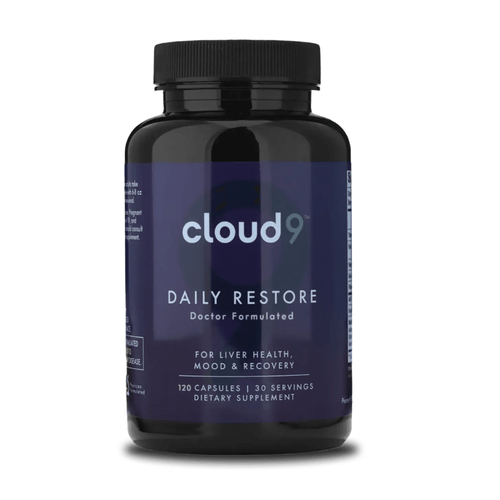
Cloud9 Daily Restore combines NAC, DHM, milk thistle, B vitamins, and ashwagandha to help support the pathways alcohol can tax most. Two capsules daily, drinking or not.
NAC | DHM | Milk Thistle | B Vitamins | Ashwagandha
See How Daily Restore WorksThe Four Ways Alcohol Disrupts Thyroid Function
Direct Suppression of Thyroid Hormone Production
Alcohol has a direct toxic effect on thyroid cells. Research indicates that chronic drinking can reduce the thyroid's ability to produce hormones, leading to lower levels of both T4 and T3. This suppression happens even before you notice obvious symptoms or see changes in your blood work.
The mechanism involves alcohol's impact on the hypothalamic-pituitary-thyroid axis, the communication pathway that regulates hormone production. When you drink regularly, this signaling system becomes less responsive, meaning your brain may not tell your thyroid to produce adequate hormones even when your body needs them.
Impaired Liver Conversion of T4 to T3
Your liver does more than process alcohol. It's also responsible for converting about 60% of your T4 hormone into the active T3 form your cells can use. When your liver is busy metabolizing alcohol, this conversion process suffers.
Studies show that both acute and chronic alcohol consumption can reduce the enzyme activity needed for T4-to-T3 conversion. This means you might have normal T4 levels on a blood test but still experience hypothyroid symptoms because your body isn't producing enough active T3. Many women with this pattern are told their thyroid is "fine" when the real problem is conversion, not production.
Increased Inflammation and Autoimmune Risk
Alcohol triggers inflammation throughout your body, and your thyroid is particularly vulnerable. Research suggests that regular drinking can increase intestinal permeability (often called "leaky gut"), which allows inflammatory molecules to enter your bloodstream and potentially trigger autoimmune responses.
For women with Hashimoto's thyroiditis or other autoimmune thyroid conditions, alcohol can worsen the immune system's attack on thyroid tissue. The inflammation also interferes with thyroid hormone receptors on your cells, meaning even if you have adequate hormone levels, your cells may not respond to them effectively.
Disruption of Hormonal Balance
Alcohol doesn't just affect your thyroid in isolation. It impacts your entire hormonal ecosystem, including estrogen, progesterone, and cortisol. These hormones all interact with thyroid function in complex ways.
Drinking can increase estrogen levels, which in turn increases thyroid-binding proteins in your blood. When more thyroid hormone is bound to these proteins, less is available in the "free" form your cells need. This is particularly problematic for women taking birth control or hormone replacement therapy, as the combined effect can significantly reduce available thyroid hormone.

Why Women Are More Vulnerable
Metabolic Differences in Alcohol Processing
Women metabolize alcohol differently than men. We have less of the enzyme alcohol dehydrogenase, which breaks down alcohol in the stomach, meaning more alcohol enters our bloodstream. We also typically have a higher body fat percentage and less body water, leading to higher blood alcohol concentrations from the same amount of drinking.
These metabolic differences mean that the same drinking pattern affects women's thyroid function more significantly. What might be considered "moderate" drinking for a man can have a stronger impact on a woman's hormonal and thyroid health.
Existing Thyroid Condition Prevalence
Women are five to eight times more likely than men to develop thyroid disorders. By some estimates, one in eight women will develop a thyroid condition during her lifetime. If you already have subclinical hypothyroidism, Hashimoto's, or other thyroid issues, alcohol adds stress to an already compromised system.
Research suggests that women with existing thyroid conditions are more sensitive to alcohol's disruptive effects. Even small amounts may worsen symptoms or interfere with thyroid medication effectiveness.
Many women notice significant improvements in thyroid-related symptoms within weeks of reducing or eliminating alcohol, even before lab values change. Energy returns, brain fog lifts, and weight stabilizes as the body's natural hormonal balance begins to restore.
Recognizing the Signs: Is Alcohol Affecting Your Thyroid?
Symptoms That Overlap
The tricky part is that many symptoms of thyroid dysfunction overlap with the effects of regular drinking. This can create a confusing picture where you're treating symptoms without addressing a root cause. Here are the key signs to watch for:
- Persistent fatigue that doesn't improve with rest or sleep
- Unexplained weight gain or difficulty losing weight despite diet and exercise efforts
- Hair thinning or loss, particularly around the outer third of eyebrows
- Dry skin, brittle nails, and changes in skin texture
- Cold intolerance or feeling cold when others are comfortable
- Brain fog, difficulty concentrating, or memory issues
- Mood changes, including depression, anxiety, or irritability
- Irregular menstrual cycles or heavier periods
- Muscle weakness or joint pain
- Constipation or digestive issues
Testing Beyond TSH
If you're experiencing these symptoms and drink regularly, it's worth getting comprehensive thyroid testing. Standard tests often only measure TSH (thyroid-stimulating hormone), which can appear normal even when you have conversion issues or autoimmune activity.
Consider asking your healthcare provider for these tests:
| Test | What It Shows | Why It Matters |
|---|---|---|
| TSH | Pituitary signaling to thyroid | Basic screening, but can miss conversion issues |
| Free T4 | Available storage hormone | Shows production capacity |
| Free T3 | Available active hormone | Reveals conversion efficiency |
| Reverse T3 | Inactive form of T3 | High levels indicate stress or inflammation blocking conversion |
| TPO Antibodies | Autoimmune activity | Detects Hashimoto's or autoimmune thyroid disease |
| Thyroglobulin Antibodies | Another autoimmune marker | Catches cases TPO antibodies might miss |
What Changes When You Cut Back or Quit
The First Month: Early Improvements
Within the first few weeks of reducing or eliminating alcohol, many women notice improvements in energy levels and sleep quality. Your liver begins to recover its conversion efficiency, and inflammation markers start to decrease. You might find that morning fatigue lifts more quickly and your energy remains more stable throughout the day.
Brain fog often improves noticeably during this period. As your thyroid hormone levels stabilize and your cells become more responsive to the hormones available, cognitive function typically sharpens. Many women report feeling mentally clearer and more focused.
Months Two and Three: Deeper Healing
As weeks turn into months, the benefits deepen. Your thyroid gland has time to recover from direct alcohol toxicity, and hormone production may normalize. If you have autoimmune thyroid issues, reduced inflammation can slow or stop the immune attack on your thyroid tissue.
Weight often begins to stabilize or shift during this period as your metabolism regulates. Hair may stop falling out excessively, and new growth becomes visible. Skin texture and moisture improve as thyroid function supports better cellular turnover and hydration.
Long-Term Benefits
Research suggests that sustained alcohol reduction or elimination can lead to lasting improvements in thyroid function. For some women, thyroid medication doses may need adjustment as natural function improves. Others find that subclinical hypothyroidism resolves entirely.
The comprehensive hormonal benefits extend beyond just thyroid health. Better estrogen metabolism, improved cortisol patterns, and enhanced insulin sensitivity all contribute to overall wellness. Many women describe feeling like themselves again after months or years of unexplained symptoms.
How Daily Restore Supports Your Health
Understanding what your body needs is one thing. Getting consistent daily support is another. Daily Restore was designed to address the key pathways alcohol can stress most, in one simple daily formula.
NAC (N-Acetyl Cysteine)
Supports glutathione production and antioxidant defenses
DHM (Dihydromyricetin)
Supports alcohol metabolism
Milk Thistle (Silymarin)
Supports healthy liver function
B Vitamins
Help replenish nutrients involved in energy and metabolism
Ashwagandha
Supports stress resilience and healthy cortisol balance
Daily Restore is not a detox or a cure. It is a daily support formula designed for people who drink socially and want to give their body consistent, evidence-informed support.
Frequently Asked Questions
How much alcohol is safe for thyroid health?
There's no universally "safe" amount, as individual tolerance varies based on thyroid condition, medications, and overall health. Many healthcare providers suggest limiting alcohol to no more than 3-4 drinks per week for women with thyroid concerns, though some may need to avoid it entirely during active treatment or flare-ups.
Can I drink alcohol if I take thyroid medication?
Alcohol doesn't directly interact with most thyroid medications, but it can affect how your body absorbs and processes them. It's best to take thyroid medication on an empty stomach in the morning and avoid alcohol for several hours afterward. Always discuss your specific medication regimen with your healthcare provider.
Will quitting alcohol improve my thyroid function?
Reducing or eliminating alcohol can support overall thyroid health by reducing inflammation, improving liver function, and supporting better nutrient absorption. Many women report improved energy, clearer thinking, and more stable thyroid lab values after cutting back, though results vary and may take several weeks to months to notice.
Does the type of alcohol matter for thyroid health?
All types of alcohol can affect thyroid function since the ethanol itself is the primary concern, not the specific beverage. That said, drinks high in sugar (like cocktails and sweet wines) may cause additional blood sugar spikes that can stress the thyroid, while gluten-containing beers may be particularly problematic for women with autoimmune thyroid conditions.
Can supplements help protect my thyroid if I choose to drink?
While no supplement can completely offset alcohol's effects, supporting your body with key nutrients like selenium, zinc, magnesium, and B vitamins may help minimize some of the stress on your thyroid. A comprehensive daily supplement routine can support overall thyroid resilience, though moderation or abstinence remains the most effective approach for optimal thyroid health.
The Bottom Line
The relationship between alcohol and thyroid health is complex, but the evidence is clear: regular drinking can disrupt hormone production, increase inflammation, and interfere with nutrient absorption that your thyroid depends on. For women already managing thyroid conditions, even moderate alcohol consumption may be enough to trigger symptoms or make existing issues harder to control.
The good news is that you have more control than you might think. Reducing alcohol intake, supporting your body with targeted nutrition, and maintaining consistent daily habits can make a meaningful difference in how you feel. Small changes, like cutting back to occasional drinks or taking alcohol-free weeks, often lead to noticeable improvements in energy, mood, and overall well-being.
Cloud9's Daily Restore is designed to support your thyroid health with essential nutrients like selenium, zinc, and B vitamins that alcohol can deplete. While it's not a substitute for reducing alcohol consumption, it can be a valuable part of your daily routine to help fill nutritional gaps and support consistent thyroid function. Combined with mindful lifestyle choices, it's one more way to take charge of your hormonal health.
Your thyroid affects everything from your energy and metabolism to your mood and mental clarity. Protecting it means making choices that support long-term wellness, not just quick fixes. Whether you're cutting back on alcohol, optimizing your nutrition, or both, you're taking an important step toward feeling like yourself again.
Build Your Daily Support Routine
Build Your Daily Support Routine
If drinking is part of your lifestyle, your support routine should not be random. Daily Restore was designed to help social drinkers support liver health, antioxidant defenses, alcohol metabolism, nutrient replenishment, and daily recovery in one simple routine.
NAC
DHM
Milk Thistle
B Vitamins
Ashwagandha