

If you've noticed that your usual glass of wine hits differently than it used to, you're not imagining things. Many women over 50 find that alcohol affects them more intensely, with hangovers that last longer and side effects that feel more pronounced.
This shift isn't about getting older in a vague sense. Specific biological changes happen in your body after menopause that fundamentally alter how you process alcohol. Understanding these changes can help you make informed choices about your health and wellbeing.
Let's explore exactly what's happening in your body and what you can do about it.
Quick Take
- Women over 50 have less body water and different enzyme levels, meaning alcohol becomes more concentrated in the bloodstream
- Hormonal changes after menopause reduce the body's ability to metabolize alcohol efficiently
- Alcohol can worsen menopause symptoms like hot flashes, sleep disruption, and bone density loss
- Even moderate drinking carries increased health risks for postmenopausal women, including higher cancer and cardiovascular concerns
- Simple strategies like hydration, timing, and supplement support can help protect your health if you choose to drink
The Biology Behind the Change
Your body composition shifts significantly during and after menopause. Women naturally have less body water than men, and this percentage decreases further with age. Since alcohol distributes through body water, less water means higher alcohol concentration in your blood from the same amount of drink.
Research suggests that enzyme production also changes with hormonal shifts. The enzymes responsible for breaking down alcohol, particularly alcohol dehydrogenase and aldehyde dehydrogenase, may become less efficient after menopause. This means alcohol stays in your system longer and its byproducts linger, contributing to those increasingly brutal hangovers.
Additionally, your liver processes substances more slowly as you age. Combined with potential medications many women take after 50, this creates a more complex metabolic environment where alcohol can have unpredictable effects.
Daily Support for Social Drinkers
Your liver works hard every day. Give it consistent support.
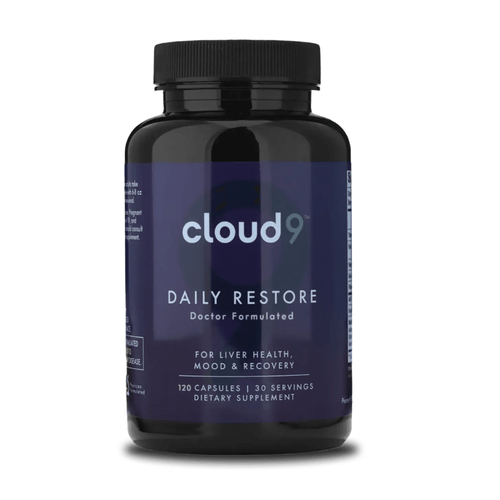
Cloud9 Daily Restore combines NAC, DHM, milk thistle, B vitamins, and ashwagandha to help support the pathways alcohol can tax most. Two capsules daily, drinking or not.
NAC | DHM | Milk Thistle | B Vitamins | Ashwagandha
See How Daily Restore WorksHow Hormonal Changes Amplify Alcohol's Effects
Estrogen's Protective Role
Before menopause, estrogen plays a surprising role in how your body handles alcohol. This hormone influences liver function and helps regulate the enzymes that break down alcohol. When estrogen levels drop during perimenopause and menopause, you lose some of this metabolic support.
Studies show that fluctuating hormone levels during perimenopause can make alcohol's effects particularly unpredictable. You might tolerate a drink fine one week and feel dramatically different effects the next, even with the same amount.
The Sleep Disruption Connection
Many women turn to alcohol hoping it will help with the sleep issues common during menopause. Unfortunately, alcohol actually worsens sleep quality, particularly in the second half of the night. It disrupts REM sleep and can trigger or intensify night sweats and hot flashes.
This creates a challenging cycle. Poor sleep affects hormone regulation, which in turn affects how you metabolize alcohol, leading to more sleep disruption. Breaking this cycle often requires addressing alcohol consumption as part of a broader sleep strategy.
Health Risks That Increase After 50
Bone Health and Fracture Risk
Postmenopausal women already face increased osteoporosis risk due to declining estrogen. Alcohol consumption can accelerate bone density loss and interfere with calcium absorption. Even moderate drinking has been linked to higher fracture risk in older women.
The combination of alcohol-related balance issues, reduced bone strength, and slower healing makes falls particularly concerning. What might have been a minor stumble in your 30s can have serious consequences after 50.
Cardiovascular Considerations
The relationship between alcohol and heart health becomes more complex after menopause. While some research has suggested potential cardiovascular benefits from light drinking, recent studies indicate these benefits may be overstated, particularly for women.
Alcohol can raise blood pressure, contribute to irregular heartbeat, and interact with medications commonly prescribed for heart health. For postmenopausal women, who already have increased cardiovascular risk, these factors deserve careful consideration.
Cancer Risk Factors
Research consistently shows that alcohol consumption increases breast cancer risk, and this risk appears to be higher in postmenopausal women. Even low to moderate drinking (as little as one drink per day) has been associated with increased risk.
The mechanisms involve alcohol's effects on hormone levels, DNA damage from acetaldehyde (a toxic alcohol breakdown product), and impaired nutrient absorption. Women with family history or other risk factors may want to discuss their alcohol intake with their healthcare provider.
| Health Area | How Alcohol Impacts Women 50+ | Risk Level |
|---|---|---|
| Bone Density | Accelerates bone loss, interferes with calcium absorption | Moderate to High |
| Sleep Quality | Disrupts REM sleep, triggers hot flashes and night sweats | High |
| Liver Function | Slower metabolism, increased vulnerability to damage | Moderate |
| Breast Cancer | Increased risk even with moderate consumption | Moderate to High |
| Cardiovascular Health | Raises blood pressure, potential rhythm disturbances | Moderate |
| Cognitive Function | May accelerate age-related cognitive decline | Moderate |
Practical Strategies for Safer Drinking
Rethink Your Baseline
What felt like moderate drinking in your 40s may need adjustment after 50. Many women find that reducing their intake by about half maintains the social enjoyment while minimizing negative effects. This might mean switching from two glasses of wine to one, or from nightly drinking to a few times per week.
Consider tracking how you feel after drinking for a few weeks. Note sleep quality, energy levels the next day, and any symptom changes. This personal data can be more compelling than general guidelines.
Timing and Hydration Matter More Than Ever
Drinking earlier in the evening gives your body more time to metabolize alcohol before sleep. Stopping alcohol consumption at least three hours before bed can significantly improve sleep quality and reduce night sweats.
Hydration becomes increasingly critical. For every alcoholic drink, aim for a full glass of water. Your reduced body water percentage means dehydration happens faster and contributes significantly to hangover symptoms.
Your body is telling you something important when alcohol affects you differently. Listening to these signals and adjusting accordingly isn't about deprivation, it's about honoring where you are now and protecting your long-term health.
Support Your Body's Processing Power
Certain nutrients can help support your liver's detoxification processes. B vitamins, particularly B1, B6, and B12, play important roles in alcohol metabolism. Electrolytes like magnesium and potassium help counter dehydration effects.
Eating before drinking slows alcohol absorption, giving your body more time to process it. Focus on foods with protein and healthy fats, which slow stomach emptying and provide sustained energy.
Consider Alcohol-Free Alternatives
The market for sophisticated alcohol-free beverages has exploded in recent years. Many women find that switching to high-quality non-alcoholic wines, spirits, or craft mocktails lets them maintain social rituals without the downsides.
Experimenting with "dry" periods can also provide valuable information. Many women report that taking a month off alcohol reveals how much it was affecting their sleep, energy, and overall wellbeing.
When to Have a Conversation with Your Healthcare Provider
Certain situations warrant discussing your alcohol consumption with your doctor. These include if you're taking medications (many interact with alcohol), if you have risk factors for conditions alcohol can worsen, or if you're experiencing symptoms you suspect might be alcohol-related.
Be honest about your drinking patterns. Healthcare providers need accurate information to give you appropriate guidance. They can also help you assess whether symptoms you're attributing to menopause might actually be alcohol-related, or vice versa.
Red Flags to Watch For
- Needing alcohol to relax or sleep most nights
- Drinking more than you intended on a regular basis
- Feeling anxious or irritable when you can't drink
- Loved ones expressing concern about your drinking
- Experiencing memory lapses or blackouts, even from moderate amounts
- Continuing to drink despite negative health effects
These signs don't necessarily mean you have an alcohol use disorder, but they suggest your relationship with alcohol deserves closer examination. Support is available, and addressing concerns early can prevent more serious issues down the road.
How Daily Restore Supports Your Health
Understanding what your body needs is one thing. Getting consistent daily support is another. Daily Restore was designed to address the key pathways alcohol can stress most, in one simple daily formula.
NAC (N-Acetyl Cysteine)
Supports glutathione production and antioxidant defenses
DHM (Dihydromyricetin)
Supports alcohol metabolism
Milk Thistle (Silymarin)
Supports healthy liver function
B Vitamins
Help replenish nutrients involved in energy and metabolism
Ashwagandha
Supports stress resilience and healthy cortisol balance
Daily Restore is not a detox or a cure. It is a daily support formula designed for people who drink socially and want to give their body consistent, evidence-informed support.
Frequently Asked Questions
Why does alcohol seem to affect me more strongly now than it did in my 30s?
After 50, your body composition shifts, with less water and more fat tissue, which means alcohol becomes more concentrated in your system. Additionally, your liver produces fewer enzymes needed to break down alcohol efficiently, so it stays in your bloodstream longer and creates more pronounced effects.
Is it safe to drink alcohol during perimenopause or menopause?
Moderate drinking can be part of a balanced lifestyle, but it's important to understand that alcohol can intensify hot flashes, disrupt sleep, and affect bone density during this transition. Many women find that reducing their intake or choosing lower-alcohol options helps them feel better overall during perimenopause and menopause.
Can supplements really help with alcohol's effects after 50?
Quality supplements with ingredients like DHM, milk thistle, and NAC can support your liver's natural detoxification processes and help replenish nutrients that alcohol depletes. While they're not a license to overindulge, they can be a helpful part of a health-conscious approach to drinking as your body's needs change with age.
How much alcohol is considered safe for women over 50?
Health guidelines suggest that women limit intake to no more than one drink per day, though many experts recommend even less after 50 due to metabolic changes. The key is to pay attention to how your body responds and adjust accordingly, as individual tolerance can vary significantly based on overall health, medications, and lifestyle factors.
What are the best ways to minimize alcohol's impact on my health?
The most effective strategies include staying well-hydrated, eating before and while drinking, choosing lower-alcohol options, taking alcohol-free days each week, and supporting your liver with quality nutrition and supplements. Combining these approaches can help you enjoy social occasions while protecting your long-term health.
The Bottom Line
Understanding how alcohol affects your body after 50 isn't about giving up the things you enjoy. It's about making informed choices that honor where you are in life. The physiological changes that come with menopause and aging are real, but with the right knowledge and tools, you can still enjoy a glass of wine with friends while prioritizing your health.
The key is building sustainable habits: staying hydrated, eating well, moving your body, and giving your liver the support it needs to function optimally. Small adjustments, like drinking more slowly, choosing lower-alcohol options, or taking regular alcohol-free days, can make a meaningful difference in how you feel both short-term and long-term.
Cloud9's Daily Restore offers a research-backed way to support your body's natural processes with ingredients specifically chosen to help your liver metabolize alcohol more efficiently and replenish vital nutrients. When taken consistently as part of your daily routine, it can help you maintain the balance between enjoying life's pleasures and protecting your health for years to come.
Your body has carried you through decades of experiences, and it deserves thoughtful care. By understanding the science behind how alcohol affects you now and taking proactive steps to support your health, you're investing in feeling your best today and in all the years ahead.
Build Your Daily Support Routine
Build Your Daily Support Routine
If drinking is part of your lifestyle, your support routine should not be random. Daily Restore was designed to help social drinkers support liver health, antioxidant defenses, alcohol metabolism, nutrient replenishment, and daily recovery in one simple routine.
NAC
DHM
Milk Thistle
B Vitamins
Ashwagandha