

You're doing everything right. Eight hours of sleep, morning workouts, a balanced diet. Yet by Wednesday afternoon, you're dragging, foggy, and reaching for your third coffee. The culprit might be hiding in your weekend wine glasses or those after-work happy hours.
Alcohol has a sneaky way of depleting energy reserves long after the buzz wears off. Even moderate drinking can trigger a cascade of effects that leave you running on empty for days. If you've ever wondered why you feel chronically tired despite healthy habits, your relationship with alcohol deserves a closer look.
This isn't about preaching abstinence or judgment. It's about understanding what's actually happening in your body when you drink, and why those few drinks per week might be quietly sabotaging your energy, focus, and wellness goals.
Quick Take
- Alcohol disrupts sleep architecture, preventing restorative deep sleep even when you feel sedated
- Your liver works overtime to process alcohol, diverting energy from essential metabolic functions for up to 72 hours
- Drinking depletes B vitamins, magnesium, and other nutrients critical for sustained energy production
- Even moderate consumption can trigger inflammation and blood sugar swings that cause midweek crashes
- Taking a 30-day break can help you identify alcohol's true impact on your baseline energy levels
The Sleep Paradox: Why Alcohol Makes You Tired But Steals Your Rest
Alcohol is a sedative, not a sleep aid. While it might help you fall asleep faster, it fundamentally disrupts the quality of rest your body needs to restore energy. Research suggests that even two drinks can reduce REM sleep by up to 39%, the stage where your brain consolidates memories and regulates mood.
Your body metabolizes alcohol at roughly one standard drink per hour. If you finish your last glass at 10 PM, your liver is still processing it at 2 AM, right when you should be cycling through deep, restorative sleep stages. This metabolic activity keeps your system in a state of mild arousal, fragmenting sleep throughout the night.
The result is a form of sleep deprivation that doesn't feel obvious. You got your eight hours, but your body didn't get the cellular repair, hormone regulation, and energy restoration it desperately needed. This deficit compounds with each drinking occasion, creating a chronic state of under-recovery.
Daily Support for Social Drinkers
Your liver works hard every day. Give it consistent support.
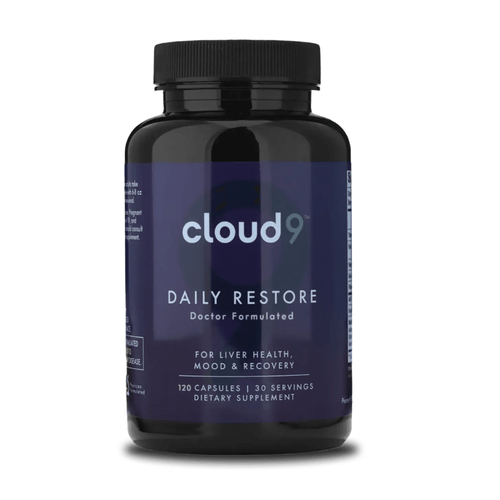
Cloud9 Daily Restore combines NAC, DHM, milk thistle, B vitamins, and ashwagandha to help support the pathways alcohol can tax most. Two capsules daily, drinking or not.
NAC | DHM | Milk Thistle | B Vitamins | Ashwagandha
See How Daily Restore WorksWhat Alcohol Does to Your Energy Systems (And Why It Lasts for Days)
The Liver's Energy Dilemma
Your liver is your body's metabolic powerhouse, responsible for converting nutrients into usable energy and filtering toxins. When alcohol enters your system, the liver treats it as priority one, a toxic substance that must be processed immediately. This means other essential functions get put on hold.
Studies show that liver metabolism can remain altered for 48 to 72 hours after drinking. During this time, your body is less efficient at converting food into energy, regulating blood sugar, and producing the compounds needed for mental clarity. That Thursday afternoon slump might actually be your Monday night cocktails still echoing through your system.
The Nutrient Depletion Cycle
Alcohol is a diuretic and a nutrient thief. Processing it requires and depletes vital cofactors your body needs for energy production, including B vitamins, magnesium, zinc, and potassium. These aren't just nice-to-haves; they're essential for converting food into cellular energy.
The depletion happens in two ways. First, alcohol increases urination, flushing water-soluble vitamins and minerals out of your system. Second, the metabolic process of breaking down alcohol consumes these nutrients at an accelerated rate. Even if you're eating well, regular drinking creates a constant state of micronutrient deficit.
- B vitamins: Critical for energy metabolism and nervous system function
- Magnesium: Required for over 300 enzymatic reactions, including ATP production
- Zinc: Essential for immune function and cellular energy
- Electrolytes: Necessary for hydration, muscle function, and cognitive performance
Blood Sugar Chaos
Alcohol interferes with glucose production in the liver, creating erratic blood sugar patterns that can last well beyond the drinking occasion. Initially, you might experience a spike if your drink contains sugar. Then comes the crash as your liver struggles to maintain stable glucose levels while processing alcohol.
This rollercoaster triggers energy crashes, mood swings, and intense cravings for simple carbs and caffeine. You're not weak-willed; your body is desperately trying to stabilize blood sugar while operating with compromised metabolic machinery. The solution often becomes more coffee and sugar, which creates another cycle of highs and crashes.
The Inflammation Connection You're Not Thinking About
Chronic low-grade inflammation is one of the most insidious energy drains, and alcohol is a significant trigger. When you drink, your gut lining becomes more permeable, allowing bacterial endotoxins to enter your bloodstream. Your immune system responds with inflammation, a process that requires enormous energy.
This isn't the acute inflammation of an injury. It's a subtle, systemic response that can persist for days, making your body work harder just to maintain baseline function. You feel it as brain fog, sluggishness, and that hard-to-pinpoint sense of not feeling quite right.
The relationship between what we consume and how we feel isn't always immediate. Alcohol's impact on energy can be so gradual and persistent that we forget what feeling truly energized actually feels like.
Cortisol and the Stress Response
Alcohol consumption triggers cortisol release, your body's primary stress hormone. While cortisol can provide short-term energy, chronic elevation leads to fatigue, disrupted sleep, and metabolic dysfunction. Research suggests that even moderate drinking can keep cortisol levels elevated into the next day.
This creates a paradox where you drink to relax, but you're actually activating your stress response. Over time, this dysregulation can lead to adrenal fatigue, where your body loses its ability to produce adequate cortisol when you actually need it for sustained energy and focus.
How to Identify If Alcohol Is Your Energy Drain
The connection between alcohol and low energy isn't always obvious because the effects are delayed and cumulative. A single drink on Saturday might not feel significant, but three drinks twice a week creates a perpetual state of recovery that never quite completes.
| Sign | What It Means |
|---|---|
| Midweek energy crashes despite adequate sleep | Your body may still be recovering from weekend drinking |
| Waking up tired even after 7-8 hours | Sleep quality is compromised, not just quantity |
| Brain fog or difficulty concentrating | Inflammation and nutrient depletion affecting cognitive function |
| Increased caffeine or sugar cravings | Blood sugar dysregulation from alcohol metabolism |
| Feeling wired but tired at night | Cortisol and stress response dysregulation |
The 30-Day Experiment
The most revealing way to understand alcohol's impact on your energy is to remove it completely for 30 days. This isn't about willpower or deprivation; it's about gathering data on your own body. Most people notice significant changes in sleep quality within the first week and sustained energy improvements by week three.
Track specific metrics during your break. Rate your energy levels each day, note sleep quality, monitor afternoon crashes, and observe your need for caffeine. The contrast between how you feel at day 30 versus day one can be startling, revealing an energy baseline you may have forgotten existed.
- Keep a simple daily journal noting energy levels, sleep quality, and mood
- Pay attention to when afternoon fatigue typically hits and if it improves
- Notice changes in morning alertness and how quickly you feel awake
- Track whether you need less caffeine to function throughout the day
- Observe any shifts in exercise performance or recovery time
Beyond the Break: Building Sustainable Energy Without Alcohol
Whether you choose to abstain completely or simply drink less, understanding alcohol's effects helps you make informed choices about your energy and wellness. Even reducing from four drinks per week to one or two can create measurable improvements in how you feel daily.
The goal isn't perfection or rigid rules. It's awareness. When you know that Friday night's wine will likely affect your sleep quality, nutrient levels, and energy through early next week, you can decide if that trade-off aligns with your wellness priorities. Sometimes it will, and that's okay. The power is in the conscious choice.
Strategies That Actually Work
If you do choose to drink, certain practices can help minimize the energy impact. Staying hydrated, eating before and while drinking, and taking B-complex vitamins the next day can reduce some of the depletion effects. However, these are damage control measures, not solutions.
The most effective approach is reducing frequency and quantity. Going from three drinks twice a week to two drinks once a week gives your body substantially more time to fully recover between drinking occasions. This allows your sleep, nutrient levels, and metabolic function to return to baseline before the next disruption.
- Choose specific occasions for drinking rather than habitual daily or weekly patterns
- Alternate alcoholic drinks with water or electrolyte beverages
- Eat protein and healthy fats before drinking to slow alcohol absorption
- Set a firm cutoff time, ideally three to four hours before bed
- Plan alcohol-free weeks monthly to give your system complete recovery periods
How Daily Restore Supports Your Health
Understanding what your body needs is one thing. Getting consistent daily support is another. Daily Restore was designed to address the key pathways alcohol can stress most, in one simple daily formula.
NAC (N-Acetyl Cysteine)
Supports glutathione production and antioxidant defenses
DHM (Dihydromyricetin)
Supports alcohol metabolism
Milk Thistle (Silymarin)
Supports healthy liver function
B Vitamins
Help replenish nutrients involved in energy and metabolism
Ashwagandha
Supports stress resilience and healthy cortisol balance
Daily Restore is not a detox or a cure. It is a daily support formula designed for people who drink socially and want to give their body consistent, evidence-informed support.
Frequently Asked Questions
How long does it take for energy levels to improve after cutting back on alcohol?
Most people notice improvements in energy within the first week of reducing alcohol intake, though the timeline varies by individual. Research suggests that sleep quality often improves first, followed by more sustained daytime energy as your body restores its natural rhythms. Supporting your system with proper hydration and targeted nutrients can help accelerate this recovery process.
Can I still drink occasionally and maintain good energy levels?
Moderate, occasional drinking affects people differently based on factors like metabolism, sleep patterns, and overall health. The key is being mindful of frequency and timing: even small amounts can disrupt sleep architecture and energy for 24 to 48 hours afterward. If you choose to drink, spacing out occasions and supporting your body with proper nutrients may help minimize the energy drain.
Why do I feel tired even on days when I don't drink?
Regular alcohol consumption can create a cumulative effect on your energy systems, depleting key nutrients and disrupting hormone balance over time. Your body may be operating with depleted B vitamins, compromised liver function, or unstable blood sugar patterns from previous drinking sessions. Consistent daily support with targeted nutrients can help rebuild these systems even on alcohol-free days.
What nutrients are most important for restoring energy after drinking?
B vitamins, particularly B1, B6, and B12, are critical for energy metabolism and often depleted by alcohol. Electrolytes like magnesium and potassium support hydration and cellular function, while antioxidants such as glutathione help protect cells from oxidative stress. Amino acids like L-theanine may also support calm, focused energy without the jitters.
Is it better to take supplements before or after drinking?
Daily, consistent supplementation tends to be more effective than sporadic use around drinking occasions. Building a foundation of key nutrients helps your body handle alcohol's effects more efficiently and supports ongoing recovery between sessions. That said, taking a comprehensive blend both before bed after drinking and the following morning can provide additional support when you need it most.
The Bottom Line
Alcohol's impact on energy is far more complex than just the morning hangover. From disrupted sleep cycles and depleted nutrients to blood sugar swings and hormone imbalances, even moderate drinking creates a cascade of effects that can leave you feeling drained for days. Understanding these mechanisms is the first step toward making choices that support your long-term vitality.
Whether you're cutting back, taking breaks, or simply looking to feel better on the days you do drink, supporting your body with the right nutrients can make a meaningful difference. Research suggests that targeted supplementation with B vitamins, electrolytes, and antioxidants may help counter some of alcohol's depleting effects and support more consistent energy levels.
That's where Cloud9 Daily Restore fits into your routine. Formulated with key nutrients that alcohol tends to deplete, it's designed to support your body's natural recovery processes every day, not just after a night out. Think of it as part of your foundation for sustained energy, clearer thinking, and better resilience, whether you're navigating social occasions or prioritizing alcohol-free weeks.
The goal isn't perfection. It's consistency, awareness, and giving your body what it needs to thrive. Small, intentional changes in how you approach alcohol and recovery can add up to significant improvements in how you feel, week after week.
Build Your Daily Support Routine
Build Your Daily Support Routine
If drinking is part of your lifestyle, your support routine should not be random. Daily Restore was designed to help social drinkers support liver health, antioxidant defenses, alcohol metabolism, nutrient replenishment, and daily recovery in one simple routine.
NAC
DHM
Milk Thistle
B Vitamins
Ashwagandha