

You've been there: a fun night out followed by a morning of not just physical hangover symptoms, but waves of anxiety that seem to come from nowhere. Your heart races, your thoughts spiral, and you can't shake the feeling that something is wrong. What if we told you that part of this anxiety might actually be starting in your gut?
The connection between your digestive system and your mental state is more powerful than most people realize. When you drink alcohol, you're not just affecting your brain, you're disrupting an entire ecosystem in your gut that plays a crucial role in mood regulation.
Understanding this gut-brain relationship can help you make sense of why hangxiety feels so intense and what you can do to support both your stomach and your mental well-being after drinking.
Quick Take
- Your gut produces up to 90% of your body's serotonin, the neurotransmitter that regulates mood and anxiety
- Alcohol disrupts the balance of good bacteria in your gut microbiome, which can trigger anxiety symptoms
- The gut-brain axis is a two-way communication highway that connects your digestive system directly to your emotional center
- Inflammation in your gut after drinking can send stress signals to your brain, intensifying hangxiety
- Supporting your gut health may help reduce the severity of anxiety symptoms after alcohol consumption
The Gut-Brain Axis: Your Second Brain
Your gut contains more than 100 million neurons, which is why scientists often call it your "second brain." This extensive network communicates constantly with your actual brain through what's known as the gut-brain axis, a bidirectional highway that sends signals back and forth via the vagus nerve, immune system, and various hormones.
Research suggests that this connection is so powerful that changes in your gut can directly influence your mood, anxiety levels, and even how you think. When your gut is happy and balanced, it sends calming signals to your brain. When it's disrupted, as it often is after drinking alcohol, those signals can shift toward stress and anxiety.
The trillions of bacteria living in your digestive system, collectively known as your gut microbiome, play a starring role in this communication. These microorganisms produce neurotransmitters, regulate inflammation, and influence how your body responds to stress, making them key players in your emotional well-being.
Daily Support for Social Drinkers
Your liver works hard every day. Give it consistent support.
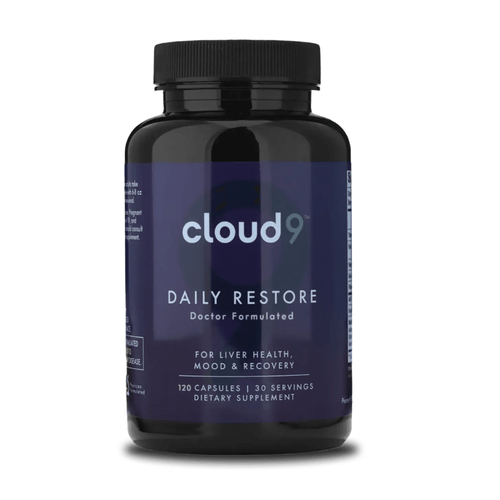
Cloud9 Daily Restore combines NAC, DHM, milk thistle, B vitamins, and ashwagandha to help support the pathways alcohol can tax most. Two capsules daily, drinking or not.
NAC | DHM | Milk Thistle | B Vitamins | Ashwagandha
See How Daily Restore WorksHow Alcohol Disrupts Your Gut Health
When you drink alcohol, you're essentially introducing a toxin into your digestive system. Your gut does its best to process and eliminate it, but in the process, several things go wrong that can contribute to next-day anxiety.
Microbiome Imbalance
Alcohol acts as an antimicrobial agent, meaning it doesn't discriminate between good and bad bacteria in your gut. Studies show that even moderate drinking can reduce the diversity and quantity of beneficial bacteria while allowing harmful bacteria to flourish. This imbalance, known as dysbiosis, can persist for days after drinking.
When your beneficial bacteria are depleted, your gut produces less serotonin and other mood-regulating neurotransmitters. This shortage can manifest as the anxious feelings that characterize hangxiety, creating a biochemical foundation for emotional distress.
Increased Intestinal Permeability
Alcohol can damage the tight junctions in your intestinal lining, leading to what researchers call increased intestinal permeability or "leaky gut." When these protective barriers become compromised, toxins and partially digested food particles can escape into your bloodstream.
Your immune system recognizes these escaped particles as threats and mounts an inflammatory response. This inflammation doesn't stay localized in your gut; it can trigger systemic inflammation that reaches your brain, contributing to feelings of anxiety and unease.
Inflammation and Stress Signaling
The inflammatory response triggered by alcohol consumption sends stress signals directly to your brain. Your body interprets this inflammation as a threat, activating your stress response system and flooding your system with cortisol and other stress hormones.
This creates a perfect storm for anxiety: depleted mood-regulating neurotransmitters combined with elevated stress hormones and inflammatory signals all pointing toward heightened anxiety and emotional dysregulation.

The Serotonin Connection
Here's something that surprises most people: approximately 90% of your body's serotonin is produced in your gut, not your brain. This neurotransmitter plays a crucial role in regulating mood, sleep, and anxiety levels, making your digestive system essential to your emotional well-being.
The beneficial bacteria in your gut help produce serotonin by metabolizing amino acids from your food, particularly tryptophan. When alcohol disrupts your microbiome balance, this serotonin production can plummet, leaving you vulnerable to anxiety and low mood.
Your gut bacteria are essentially your body's own natural pharmacy, producing compounds that directly influence your mental state. When you disrupt this pharmacy with alcohol, you're affecting much more than just your digestion.
Beyond serotonin, your gut microbiome also produces GABA, a neurotransmitter that helps calm nervous system activity, and influences the production of dopamine, which affects motivation and pleasure. Alcohol's impact on these neurotransmitter systems can explain why hangxiety often includes not just worry, but also feelings of flatness, regret, and emotional numbness.
Signs Your Gut Health Is Affecting Your Hangxiety
Not everyone experiences hangxiety the same way, and gut health may play a bigger role for some people than others. Certain signs can indicate that your digestive system is contributing significantly to your post-drinking anxiety.
| Gut-Related Signs | What It Means |
|---|---|
| Digestive distress alongside anxiety | Bloating, cramping, or irregular bowel movements occurring with anxious feelings suggests gut-brain axis involvement |
| Existing gut issues worsen anxiety | If you have IBS, food sensitivities, or chronic digestive problems, alcohol may amplify both gut and anxiety symptoms |
| Hangxiety lasts longer than physical symptoms | Extended anxiety after other hangover symptoms clear may indicate ongoing microbiome disruption |
| Food sensitivities increase after drinking | Heightened reactions to certain foods post-alcohol can signal increased intestinal permeability |
| Poor sleep quality with stomach discomfort | Gut distress interfering with sleep can create a cycle that worsens next-day anxiety |
Supporting Your Gut to Reduce Hangxiety
While you can't completely reverse alcohol's effects on your gut overnight, you can take steps to support your digestive system and potentially reduce the severity of gut-related hangxiety.
Before You Drink
Preparing your gut before alcohol consumption can help minimize disruption. Focus on building a strong, diverse microbiome in the days leading up to drinking, which may provide more resilience against alcohol's effects.
- Eat fermented foods like yogurt, kefir, sauerkraut, or kimchi to boost beneficial bacteria
- Include prebiotic foods such as garlic, onions, bananas, and oats that feed good gut bacteria
- Stay well-hydrated to support your gut's mucous lining and overall function
- Avoid drinking on an empty stomach, as food can slow alcohol absorption and provide some protection to your gut lining
- Consider taking a quality probiotic supplement regularly, not just when you plan to drink
During and After Drinking
Once you're drinking or dealing with hangxiety, certain strategies can help support your gut and minimize the anxiety cascade. The goal is to reduce inflammation, restore hydration, and begin rebuilding your microbiome balance.
- Alternate alcoholic drinks with water to maintain hydration and dilute alcohol's concentration in your gut
- Choose clearer spirits over darker ones, as they typically contain fewer congeners that increase inflammation
- Eat easily digestible, anti-inflammatory foods the next day like bone broth, cooked vegetables, and lean proteins
- Include probiotic-rich foods to help replenish beneficial bacteria
- Avoid caffeine and high-sugar foods that can further stress your gut and exacerbate anxiety
- Consider ginger or peppermint tea to soothe digestive distress and support gut healing
Long-Term Gut Health Strategies
Building a resilient gut microbiome takes consistent effort over time. If you experience frequent hangxiety, prioritizing your gut health between drinking occasions may help reduce your vulnerability to anxiety symptoms.
Focus on dietary diversity by eating a wide variety of plant foods, which research suggests can increase microbiome diversity. Aim for at least 30 different plant foods per week, including fruits, vegetables, whole grains, nuts, seeds, and legumes. This variety provides different types of fiber and nutrients that support various beneficial bacteria.
Minimize foods and habits that harm your gut health, such as excessive sugar, artificial sweeteners, highly processed foods, chronic stress, and unnecessary antibiotic use. These factors can deplete beneficial bacteria and create an environment where harmful bacteria thrive, making you more susceptible to anxiety after drinking.
How Daily Restore Supports Your Health
Understanding what your body needs is one thing. Getting consistent daily support is another. Daily Restore was designed to address the key pathways alcohol can stress most, in one simple daily formula.
NAC (N-Acetyl Cysteine)
Supports glutathione production and antioxidant defenses
DHM (Dihydromyricetin)
Supports alcohol metabolism
Milk Thistle (Silymarin)
Supports healthy liver function
B Vitamins
Help replenish nutrients involved in energy and metabolism
Ashwagandha
Supports stress resilience and healthy cortisol balance
Daily Restore is not a detox or a cure. It is a daily support formula designed for people who drink socially and want to give their body consistent, evidence-informed support.
Frequently Asked Questions
How long does it take to improve gut health for anxiety relief?
Most people begin to notice subtle improvements in their mood and digestive comfort within 2-4 weeks of making consistent dietary and lifestyle changes. However, significant shifts in your gut microbiome can take several months, so patience and consistency are key when addressing the gut-anxiety connection.
Can probiotics help with hangxiety specifically?
Research suggests that certain probiotic strains may help reduce anxiety symptoms by supporting a healthier gut environment and improving the gut-brain axis communication. While probiotics alone won't prevent hangxiety, they can be a helpful part of a broader strategy that includes hydration, sleep, and mindful drinking habits.
Does alcohol permanently damage gut health?
Occasional drinking typically doesn't cause permanent damage, but chronic heavy alcohol consumption can lead to lasting changes in gut permeability and microbiome composition. The good news is that your gut has remarkable healing capacity when you reduce alcohol intake and support it with proper nutrition and hydration.
What foods should I avoid if I have hangxiety?
After drinking, it's best to limit processed foods, excess sugar, and caffeine, all of which can further stress your gut and nervous system. Instead, focus on gentle, nutrient-dense options like bone broth, bananas, oats, and fermented foods that can help restore balance and support recovery.
Is there a connection between IBS and anxiety?
Yes, studies show a strong bidirectional relationship between irritable bowel syndrome and anxiety disorders. The gut-brain axis means that digestive issues can trigger anxious feelings, while stress and anxiety can worsen IBS symptoms, creating a cycle that benefits from addressing both gut health and stress management together.
The Bottom Line
The connection between your gut and your anxiety, especially after drinking, is more than just a theory. It's a biological reality rooted in the gut-brain axis. When alcohol disrupts your microbiome and intestinal lining, it can trigger inflammation and neurotransmitter imbalances that leave you feeling anxious, irritable, and out of sorts the next day.
The encouraging news is that you have more control over this process than you might think. By supporting your gut health through balanced nutrition, quality sleep, stress management, and targeted supplementation, you can help reduce the intensity and frequency of hangxiety episodes. Small, consistent changes to how you care for your digestive system can translate into meaningful improvements in your mental wellbeing.
Cloud9's Daily Restore was designed with this gut-brain connection in mind. By delivering targeted support for digestive health, inflammation balance, and stress resilience, it can be a valuable part of your daily routine, whether you're recovering from a night out or simply working to build a more resilient foundation for better mood and mental clarity.
Remember, addressing hangxiety isn't just about what you do after drinking. It's about the cumulative effect of how you treat your body every single day. Prioritize your gut health, and you may find that your mind follows suit.
Build Your Daily Support Routine
Build Your Daily Support Routine
If drinking is part of your lifestyle, your support routine should not be random. Daily Restore was designed to help social drinkers support liver health, antioxidant defenses, alcohol metabolism, nutrient replenishment, and daily recovery in one simple routine.
NAC
DHM
Milk Thistle
B Vitamins
Ashwagandha