

You had a great night out with friends. Now you're paying for it with a pounding headache, nausea, and an exhaustion that makes even brushing your teeth feel like a marathon. Sound familiar?
The good news: you don't need to waste your entire day recovering from a few drinks. Social drinkers who want to bounce back quickly have developed a streamlined 30-minute routine that targets the root causes of hangover symptoms. This approach combines hydration, gentle movement, and targeted nutrition to help your body reset faster.
If you're someone who enjoys social drinking but hates losing the next day to recovery, this routine can help you reclaim your morning without complicated protocols or hard-to-find ingredients.
Quick Take
- This 30-minute routine addresses the three main causes of hangovers: dehydration, inflammation, and depleted nutrients
- Strategic hydration with electrolytes in the first 10 minutes can help restore balance faster than water alone
- Gentle movement and breathwork may support your body's natural detoxification processes
- Simple, nutrient-dense foods can help stabilize blood sugar and replenish what alcohol depleted
- Following this routine consistently may reduce recovery time by helping your body process alcohol's aftereffects more efficiently
Why Hangovers Hit Harder Than They Used To
Alcohol affects your body in multiple ways simultaneously. It acts as a diuretic, causing you to lose more fluids than you take in, which leads to dehydration and electrolyte imbalance. Research suggests that alcohol also triggers an inflammatory response in your system, contributing to that overall feeling of being unwell.
Beyond dehydration and inflammation, alcohol consumption depletes key nutrients like B vitamins, magnesium, and zinc. Your liver works overtime to process alcohol, using up resources your body needs for other functions. This triple impact explains why hangovers involve such a wide range of symptoms, from headaches and nausea to fatigue and brain fog.
The severity of your hangover can also depend on factors like your age, hydration status before drinking, what you ate, and even your genetics. Studies show that as we age, our bodies become less efficient at processing alcohol, which is why hangovers often feel worse in your 30s and 40s than they did in your 20s.
Daily Support for Social Drinkers
Your liver works hard every day. Give it consistent support.
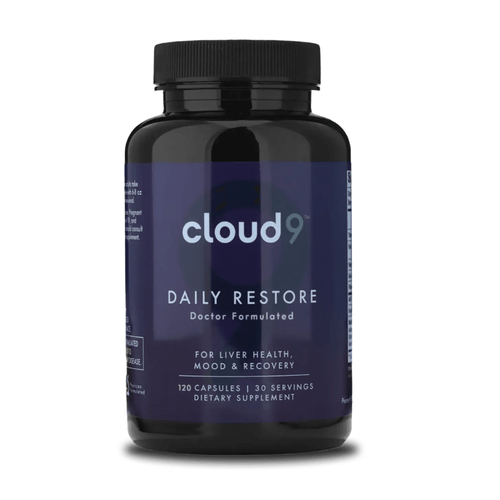
Cloud9 Daily Restore combines NAC, DHM, milk thistle, B vitamins, and ashwagandha to help support the pathways alcohol can tax most. Two capsules daily, drinking or not.
NAC | DHM | Milk Thistle | B Vitamins | Ashwagandha
See How Daily Restore WorksThe 30-Minute Recovery Routine: Step by Step
This routine breaks down into three 10-minute phases, each targeting a specific aspect of hangover recovery. The key is following the sequence: your body needs hydration before movement, and movement before heavy nutrition.
Minutes 1-10: Strategic Rehydration
Start your recovery the moment you wake up. Your first priority is restoring the fluids and electrolytes your body lost during drinking and sleep.
What to do:
- Drink 16-20 ounces of water with electrolytes (coconut water, electrolyte powder, or a pinch of sea salt with lemon)
- Follow with 8 ounces of plain water
- Take a B-complex vitamin if you have one available
- Avoid caffeine during this phase, as it can further dehydrate you
Research suggests that electrolyte-enhanced hydration may restore balance more effectively than plain water alone. The sodium, potassium, and magnesium help your cells actually absorb and retain the fluids you're taking in.
Minutes 11-20: Gentle Movement and Breathwork
Once you've started rehydrating, gentle movement can help support your body's natural processes. You're not trying to "sweat it out," you're simply encouraging circulation and lymphatic flow.
Choose one of these options:
- A slow 10-minute walk outside (fresh air can help with nausea)
- Gentle yoga or stretching focused on twists and forward folds
- Light movement around your home combined with deep breathing exercises
- A cool shower followed by 5 minutes of seated breathing
The goal isn't intense exercise. Light movement helps your body circulate oxygen and nutrients while supporting the natural elimination of alcohol metabolites. Listen to your body and keep intensity low.
Studies show that gentle exercise may help reduce inflammation and improve mood through endorphin release. The key word is gentle: pushing too hard can actually stress your already-taxed system.
Minutes 21-30: Strategic Nutrition
Now that you're hydrated and moving, your body is ready for nutrient-dense foods. The goal is to stabilize blood sugar, replenish depleted nutrients, and give your liver what it needs to finish processing alcohol.
Ideal recovery foods include:
- Eggs (rich in cysteine, which may support liver function)
- Avocado or banana (high in potassium and healthy fats)
- Toast with honey (easy-to-digest carbs for stable blood sugar)
- Greek yogurt with berries (protein and antioxidants)
- Oatmeal with nuts and fruit (sustained energy and B vitamins)
Keep portions moderate and focus on foods that sound appealing to you. If you're still nauseous, start with something simple like toast or crackers before moving to more complex foods.
What Makes This Routine More Effective Than Random Remedies
The internet is full of hangover cures, but most lack a systematic approach. This routine works because it addresses the physiological cascade of hangover symptoms in the right order.
| Random Approach | Systematic 30-Minute Routine |
|---|---|
| Drinking coffee first thing | Prioritizes hydration and electrolytes before any caffeine |
| Heavy breakfast immediately | Allows time for rehydration before eating |
| Staying sedentary or exercising intensely | Uses gentle movement to support circulation without stress |
| Taking random supplements | Focuses on foundational nutrients: B vitamins and electrolytes |
| No specific timeline | 30-minute structure keeps you on track and prevents overwhelm |
The sequence matters as much as the individual steps. Hydrating before movement prevents dizziness and supports circulation. Moving before eating helps wake up your digestive system. Each phase builds on the previous one to support your body's natural recovery processes.
How to Adjust the Routine Based on Symptom Severity
Not all hangovers are created equal. Here's how to modify this routine based on how you're feeling.
Mild Hangover (Slight headache, mild fatigue)
You can follow the standard routine or even condense it slightly. Your body bounced back relatively well, so the 30 minutes will likely leave you feeling close to normal. You might even add a gentle workout after completing the routine if you feel up to it.
Moderate Hangover (Headache, nausea, notable fatigue)
Stick to the full 30 minutes and don't rush any phase. You might need to extend the hydration phase by 5 minutes or choose the gentlest movement option (like breathing exercises rather than walking). Listen to your body and adjust intensity as needed.
Severe Hangover (Intense headache, vomiting, extreme fatigue)
Modify the routine to focus primarily on hydration and rest. Sip fluids slowly if you're nauseous. Skip the movement phase if you feel too unwell, or limit it to deep breathing while lying down. Choose the simplest foods: crackers, toast, or broth. Consider extending your recovery beyond 30 minutes and repeating the hydration phase every hour.
Red flags that require medical attention:
- Inability to keep any fluids down for more than 12 hours
- Severe abdominal pain
- Confusion or difficulty staying conscious
- Irregular heartbeat or chest pain
- Blood in vomit
Prevention Strategies for Social Drinkers
While this routine can help you recover faster, prevention remains the best strategy. If you know you'll be drinking socially, these steps can reduce the severity of tomorrow's hangover.
Before You Start Drinking
Eat a substantial meal with protein, healthy fats, and complex carbohydrates. Food in your stomach slows alcohol absorption, which can reduce peak blood alcohol levels. Stay well-hydrated throughout the day leading up to your night out.
During Your Night Out
Alternate alcoholic drinks with water or sparkling water. Choose lighter-colored spirits over dark ones when possible, as research suggests darker liquors contain more congeners (byproducts of fermentation that may worsen hangovers). Pace yourself: one drink per hour gives your liver time to process alcohol as you consume it.
Before Bed
Drink 16-24 ounces of water with electrolytes before sleeping. Take a B-complex vitamin. Keep water by your bedside for middle-of-the-night hydration. These simple steps can significantly reduce morning symptoms.
Many experienced social drinkers report that prevention strategies cut their hangover severity by at least half. Combined with the 30-minute morning routine, you're setting yourself up for the fastest possible recovery.
How Daily Restore Supports Your Health
Understanding what your body needs is one thing. Getting consistent daily support is another. Daily Restore was designed to address the key pathways alcohol can stress most, in one simple daily formula.
NAC (N-Acetyl Cysteine)
Supports glutathione production and antioxidant defenses
DHM (Dihydromyricetin)
Supports alcohol metabolism
Milk Thistle (Silymarin)
Supports healthy liver function
B Vitamins
Help replenish nutrients involved in energy and metabolism
Ashwagandha
Supports stress resilience and healthy cortisol balance
Daily Restore is not a detox or a cure. It is a daily support formula designed for people who drink socially and want to give their body consistent, evidence-informed support.
Frequently Asked Questions
Can I do this routine if I'm still feeling nauseous?
Yes, though you may want to start with small sips of water and gentle movement rather than jumping straight into hydration goals. If nausea persists, focus on the breathing exercises and rest components first, then gradually add in nutrition and fluids as your stomach settles.
How soon after waking up should I start this routine?
The sooner you begin rehydrating and supporting your body, the better you may feel. Most people find starting within the first hour of waking provides the best results, though any time is better than skipping recovery steps entirely.
Will this routine work for severe hangovers?
This 30-minute routine can help support recovery from moderate hangovers, but severe symptoms may require more time and rest. If you're experiencing intense discomfort, consider this routine as a starting point and allow yourself additional recovery time throughout the day.
Can I drink coffee during this routine?
It's best to prioritize water and electrolytes first, since caffeine can be dehydrating. If you do want coffee, consider waiting until after you've completed the hydration steps and having it alongside additional water to maintain fluid balance.
Is it better to do this routine before or after taking Daily Restore?
Daily Restore works best as part of your regular daily routine rather than as an occasional hangover fix. Taking it consistently helps support your body's natural resilience and recovery processes, which may make occasional mornings after feel more manageable overall.
The Bottom Line
A strategic 30-minute recovery routine can make a real difference in how you feel after social drinking. By focusing on hydration, balanced nutrition, gentle movement, and targeted breathing exercises, you're giving your body the support it needs to bounce back more efficiently.
The most effective approach to hangover recovery starts before you ever feel symptoms. Building consistent daily habits, including proper hydration, quality nutrition, and targeted supplementation with products like Daily Restore, can help support your body's natural resilience. When your baseline health is strong, occasional indulgences tend to have less impact.
Remember that prevention remains more effective than any recovery routine. Drinking water between alcoholic beverages, eating before and during drinking, and knowing your limits will always be your first line of defense. This 30-minute routine is designed to support you on those mornings when you need a little extra help getting back to feeling like yourself.
Your body has remarkable recovery abilities when given the right tools. Whether you're using this routine occasionally or incorporating Daily Restore into your everyday wellness practice, you're taking meaningful steps toward supporting your long-term health and vitality.
Build Your Daily Support Routine
Build Your Daily Support Routine
If drinking is part of your lifestyle, your support routine should not be random. Daily Restore was designed to help social drinkers support liver health, antioxidant defenses, alcohol metabolism, nutrient replenishment, and daily recovery in one simple routine.
NAC
DHM
Milk Thistle
B Vitamins
Ashwagandha