

After a long, draining day, the urge to reach for a glass of wine or beer can feel almost automatic. It's marketed as the ultimate unwind ritual, but the temporary relief often comes with a hidden cost: disrupted sleep, increased anxiety the next day, and a cycle that's hard to break. What if you could relax just as deeply without the hangover or the dependence?
The truth is, your body has built-in systems for calming down and releasing tension. They just need the right activation. Whether you're managing work stress, family demands, or simply the weight of everyday life, there are proven, alcohol-free ways to signal to your nervous system that it's safe to let go.
This guide offers practical relaxation tips that work with your body's natural chemistry to help you transition from chaos to calm. No numbing required.
Quick Take
- Your nervous system needs a clear signal to shift from stress mode to rest mode, and alcohol actually interferes with this natural transition
- Breathwork, movement, and sensory techniques can lower cortisol and activate your parasympathetic nervous system within minutes
- Creating an evening routine anchors your brain to associate specific activities with relaxation, making the shift easier over time
- Physical relaxation (body-first approaches) often works faster than trying to "think your way calm" when you're overstimulated
- Consistency matters more than perfection: even five minutes of intentional unwinding can recalibrate your stress response
Why Your Body Craves Relaxation (and Why Alcohol Doesn't Really Deliver)
When you're stressed, your body releases cortisol and adrenaline, hormones designed to keep you alert and ready for action. This response served our ancestors well when facing physical threats, but modern stressors like deadlines, traffic, and endless notifications keep this system chronically activated. Your body interprets the lack of resolution as a signal to stay on high alert.
Alcohol creates the illusion of relaxation by depressing your central nervous system, which is why it feels like it "takes the edge off." Research suggests, however, that this disrupts your body's natural ability to regulate stress hormones and interferes with REM sleep, the restorative phase your brain needs most. You might fall asleep faster, but the quality suffers, leaving you groggier and more anxious the next day.
True relaxation involves activating your parasympathetic nervous system, often called the "rest and digest" mode. This is the state where your heart rate slows, digestion improves, muscles release tension, and your mind can actually process the day's events. The techniques below help you access this state naturally, without borrowing against tomorrow's wellbeing.
Daily Support for Social Drinkers
Your liver works hard every day. Give it consistent support.
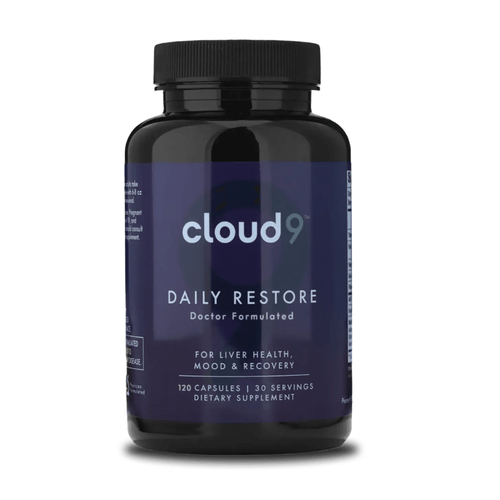
Cloud9 Daily Restore combines NAC, DHM, milk thistle, B vitamins, and ashwagandha to help support the pathways alcohol can tax most. Two capsules daily, drinking or not.
NAC | DHM | Milk Thistle | B Vitamins | Ashwagandha
See How Daily Restore WorksBody-First Relaxation: Physical Techniques to Release Tension Fast
When your nervous system is wired, trying to relax mentally can feel impossible. Starting with the body often creates faster results because physical sensations send direct signals to your brain that it's safe to stand down.
Progressive Muscle Relaxation
This technique involves systematically tensing and releasing muscle groups throughout your body. Studies show it can reduce physical tension and anxiety by helping you notice the difference between contracted and relaxed states. Start with your feet, squeeze for five seconds, then release completely. Move upward through your calves, thighs, abdomen, hands, arms, shoulders, and face.
The process takes about 10 minutes and works particularly well if you've been sitting all day or holding stress in your shoulders and jaw. Many people report feeling noticeably calmer after just one round.
Gentle Movement and Stretching
You don't need an intense workout to discharge stress. Gentle, intentional movement helps metabolize excess cortisol and adrenaline while releasing muscle tension. Consider these options:
- Slow, floor-based stretching focused on hips, hamstrings, and shoulders
- A 15-minute walk outside, especially in nature or a quiet neighborhood
- Restorative yoga poses like child's pose, legs up the wall, or supine twist
- Simple neck and shoulder rolls while taking deep breaths
- Dancing to calming music in your living room
The key is moving slowly enough that you can stay connected to the sensations in your body rather than pushing through or performing.
Temperature Therapy
Your body temperature plays a significant role in signaling relaxation. A warm bath or shower 60 to 90 minutes before bed can help trigger the natural temperature drop that promotes sleep. Adding Epsom salts provides magnesium, which research suggests may support muscle relaxation and nervous system regulation.
Alternatively, some people find cold exposure, like splashing cold water on their face or taking a brief cool shower, helpful for "resetting" their nervous system when feeling overstimulated. Experiment to see what feels most grounding for your body.
Breathwork: The Fastest Way to Shift Your Nervous System
Your breath is the most accessible tool you have for influencing your autonomic nervous system. Unlike heart rate or digestion, breathing is both automatic and controllable, giving you a direct line to your stress response.
4-7-8 Breathing
This technique, which involves inhaling for four counts, holding for seven, and exhaling for eight, has been shown to activate the parasympathetic nervous system. The extended exhale is key: it signals safety to your vagus nerve, the main nerve responsible for the relaxation response. Practice this for four cycles, and you'll likely notice a measurable shift in how you feel.
Box Breathing
Also called square breathing, this method uses equal counts for each phase: inhale for four, hold for four, exhale for four, hold for four. It's particularly effective when your mind is racing because the counting gives your brain something to focus on while your nervous system recalibrates. Five minutes of box breathing can create effects that last for hours.
Physiological Sigh
Research from neuroscience labs suggests that a double inhale through the nose followed by a long exhale through the mouth can reduce stress faster than traditional breathing exercises. Take a full breath in, then sneak in a second quick inhale to fully expand the lungs, then let it all out slowly. Even one or two of these can help when you're feeling overwhelmed.
The breath is the bridge between the body and mind. When we change our breathing pattern, we change our state. It's not about forcing calmness, it's about giving your nervous system permission to let go.
Sensory Strategies: Creating an Environment for Calm
Your environment constantly sends signals to your nervous system about whether it's time to be alert or to rest. Intentionally adjusting sensory inputs can make relaxation feel effortless rather than forced.
Sound and Music
Studies show that certain types of music can lower heart rate and reduce cortisol levels. Instrumental music with a tempo of 60 to 80 beats per minute tends to be most effective, mirroring a resting heart rate. Nature sounds like rain, ocean waves, or forest ambience can also activate the parasympathetic response.
If you live in a noisy environment, white noise or brown noise can mask disruptive sounds while creating a cocoon-like effect that helps your brain disengage from hypervigilance.
Aromatherapy
Your sense of smell connects directly to the limbic system, the part of your brain that processes emotions and memories. Certain scents have been shown to influence nervous system activity:
- Lavender: widely studied for its calming effects on anxiety and sleep quality
- Chamomile: traditionally used for relaxation and may support parasympathetic activation
- Bergamot: citrus scent that research suggests can reduce stress hormones
- Sandalwood: warm, grounding aroma associated with meditative states
- Ylang ylang: sweet floral scent that may help lower blood pressure and heart rate
Use essential oils in a diffuser, add a few drops to a bath, or apply diluted oils to pulse points. The ritual of selecting and applying a scent can itself become a signal to your brain that it's time to transition.
Lighting and Visual Environment
Bright overhead lights and screen exposure keep your brain in daytime mode. Dimming lights 60 to 90 minutes before you want to feel relaxed helps trigger melatonin production. Consider using warm-toned lamps, candles (real or battery-operated), or salt lamps to create a visual environment that signals evening.
If you need to use screens, enable night mode or wear blue-light blocking glasses. Better yet, designate the last hour of your day as screen-free time to give your eyes and nervous system a break from stimulation.
Mind-Centered Practices: Calming the Mental Chatter
Once you've addressed the physical and environmental components of stress, these cognitive approaches can help quiet the racing thoughts that often accompany a hectic day.
Journaling and Brain Dump
Writing down everything swirling in your mind creates what researchers call "cognitive offloading." It doesn't have to be structured or eloquent. Simply transferring thoughts from your head to paper can reduce the mental load and help you see problems more objectively. Spend five to ten minutes writing without editing or censoring.
Some people find gratitude journaling particularly effective for shifting perspective. Noting three specific things that went well, even on a difficult day, can activate different neural pathways than the ones stuck in problem-solving mode.
Guided Meditation and Body Scans
If sitting in silence feels impossible, guided audio meditations provide structure and something to focus on. Body scan meditations, which systematically bring awareness to different parts of your body, can help you identify and release tension you didn't realize you were holding. Apps and free resources offer sessions ranging from three to 30 minutes.
The goal isn't to stop thoughts completely but to notice them without getting pulled into their narrative. Research suggests that even brief, consistent meditation practice can change how your brain responds to stress over time.
Visualization and Mental Imagery
Your brain responds to vivid mental imagery almost as if you're experiencing it in real life. Spending five minutes visualizing a place where you feel completely safe and relaxed can activate the same physiological responses as actually being there. Include as many sensory details as possible: what you see, hear, smell, feel on your skin, even taste.
| Relaxation Technique | Time Required | Best For |
|---|---|---|
| Progressive Muscle Relaxation | 10-15 minutes | Physical tension, body-focused stress |
| 4-7-8 Breathing | 2-5 minutes | Quick nervous system reset |
| Warm Bath with Epsom Salts | 20-30 minutes | Full-body relaxation, sleep preparation |
| Gentle Stretching or Yoga | 15-20 minutes | Releasing stored tension, grounding |
| Journaling or Brain Dump | 5-10 minutes | Mental clutter, racing thoughts |
| Guided Body Scan Meditation | 10-20 minutes | Mind-body connection, anxiety |
Building Your Personal Evening Wind-Down Routine
The most effective relaxation strategy is one you'll actually use consistently. Rather than trying to do everything, choose two or three techniques that resonate with you and build them into a sequence your brain can recognize as "time to relax."
Designing Your Routine
Start by identifying your biggest stress triggers and match techniques accordingly. If you hold tension physically, prioritize body-based approaches. If your mind races with tomorrow's to-do list, journaling might come first. Your routine might look like this: change into comfortable clothes, dim the lights, do five minutes of breathwork, take a warm shower, spend ten minutes stretching, then read or journal before bed.
The key is consistency in timing and sequence. Your brain learns patterns quickly, and a predictable routine becomes a powerful cue that relaxation is coming.
What to Avoid in Your Wind-Down Window
Certain activities signal to your brain that it should stay alert, making relaxation harder even if you're physically tired:
- Intense exercise within two hours of wanting to relax (gentle movement is fine)
- Heavy meals or caffeine in the evening hours
- Work emails, difficult conversations, or problem-solving tasks
- Action movies, news, or stimulating content that activates stress responses
- Bright overhead lighting and blue-light screen exposure
Think of your evening routine as sacred time that you're protecting from stimulation. It's not about being rigid but about giving yourself the best conditions for your nervous system to shift naturally.
Adjusting When Life Gets Chaotic
Some days, your full routine won't be possible. Having a five-minute version prevents the all-or-nothing thinking that derails consistency. Even just sitting quietly with three rounds of 4-7-8 breathing can signal to your body that you're prioritizing the transition from doing to being.
Remember that these techniques become more effective with practice. Your nervous system learns what to expect and begins responding faster. What takes 15 minutes to achieve now might only take five minutes after a few weeks of consistent practice.
How Daily Restore Supports Your Health
Understanding what your body needs is one thing. Getting consistent daily support is another. Daily Restore was designed to address the key pathways alcohol can stress most, in one simple daily formula.
NAC (N-Acetyl Cysteine)
Supports glutathione production and antioxidant defenses
DHM (Dihydromyricetin)
Supports alcohol metabolism
Milk Thistle (Silymarin)
Supports healthy liver function
B Vitamins
Help replenish nutrients involved in energy and metabolism
Ashwagandha
Supports stress resilience and healthy cortisol balance
Daily Restore is not a detox or a cure. It is a daily support formula designed for people who drink socially and want to give their body consistent, evidence-informed support.
Frequently Asked Questions
How long does it take to feel the effects of these relaxation techniques?
Some techniques like deep breathing can help calm your nervous system within minutes, while others like progressive muscle relaxation may take 10-15 minutes to provide noticeable relief. Building a consistent routine can enhance the benefits over time, as your body learns to respond more quickly to these calming signals.
Can I combine multiple relaxation methods in one evening?
Absolutely. Many people find that layering techniques creates a more comprehensive wind-down routine. You might start with gentle stretching, follow with a warm bath, and end with meditation or journaling. Experiment to discover which combinations feel most supportive for your needs.
What if I don't have much time in the evening for relaxation?
Even five minutes can make a difference. Simple practices like box breathing, sipping herbal tea mindfully, or doing a brief body scan can help signal to your nervous system that it's time to shift gears. Quality matters more than quantity when it comes to intentional relaxation.
Are there any natural supplements that can support evening relaxation?
Research suggests that certain botanicals and nutrients may help promote calm and balance. Ingredients like L-theanine, magnesium, ashwagandha, and passionflower have been studied for their potential to support relaxation and stress response. Cloud9's Daily Restore combines these research-backed ingredients in one convenient formula designed for daily support.
Will these techniques work if I'm dealing with chronic stress or anxiety?
While these practices can be valuable tools for managing everyday stress, they work best as part of a comprehensive approach. If you're experiencing persistent stress or anxiety that interferes with daily life, consider working with a healthcare provider or mental health professional who can provide personalized guidance and support.
The Bottom Line
Finding effective ways to unwind after a demanding day doesn't require alcohol or other substances that can disrupt your sleep and leave you feeling foggy the next morning. The techniques we've explored, from breathwork and movement to herbal support and environment optimization, offer natural pathways to genuine relaxation and restoration.
The key is consistency. Your nervous system responds best to regular, predictable signals that it's safe to relax. Whether you choose one technique or combine several into a personalized evening ritual, committing to a daily practice can help train your body to transition more smoothly from the demands of the day to restorative rest.
Cloud9's Daily Restore was created to support this kind of consistent routine. With research-backed ingredients like L-theanine, magnesium, ashwagandha, and passionflower, it provides gentle, non-habit-forming support for your body's natural relaxation response. Taking it at the same time each evening can become an anchor for your wind-down ritual, signaling to both mind and body that it's time to shift into recovery mode.
Remember, true relaxation is about creating space for your system to reset and recharge. By choosing approaches that work with your body's natural rhythms rather than against them, you're investing in not just better evenings, but better mornings and more balanced days ahead.
Build Your Daily Support Routine
Build Your Daily Support Routine
If drinking is part of your lifestyle, your support routine should not be random. Daily Restore was designed to help social drinkers support liver health, antioxidant defenses, alcohol metabolism, nutrient replenishment, and daily recovery in one simple routine.
NAC
DHM
Milk Thistle
B Vitamins
Ashwagandha