

You wake up after a night of drinking and your brain feels foggy, maybe a little regretful. The details are hazy, but the emotional residue is clear: anxiety, embarrassment, or just a vague sense of unease. This is where most people reach for distraction, but there's a better way forward.
Journaling after drinking isn't about self-punishment or dwelling on mistakes. It's a science-backed tool that helps your brain process what happened, understand your patterns, and create space for real healing. For anyone navigating their relationship with alcohol, putting pen to paper can be surprisingly powerful.
Whether you're trying to drink less, exploring sobriety, or simply want to understand yourself better, journaling offers a clear path through the mental fog that often follows drinking.
Quick Take
- Alcohol disrupts memory consolidation and emotional processing, making it harder to learn from experiences
- Journaling helps reconstruct fragmented memories and creates narrative coherence after drinking
- Writing activates the prefrontal cortex, which alcohol temporarily impairs, supporting better decision-making
- Regular post-drinking journaling reveals patterns that are invisible in the moment
- The practice reduces shame by externalizing thoughts and creating emotional distance from experiences
How Alcohol Affects Your Brain's Processing System
Alcohol doesn't just make you feel different in the moment. It fundamentally changes how your brain processes and stores information. Research suggests that alcohol interferes with the hippocampus, the brain region responsible for forming new memories and consolidating experiences into learning.
When you drink, your brain struggles to create coherent narratives about what happened. Instead of clear memories, you're left with fragments: snapshots of moments, emotional impressions, and gaps where whole conversations should be. This fragmentation makes it nearly impossible for your brain to naturally process and learn from the experience.
The emotional processing centers of your brain are also affected. Studies show that alcohol can amplify negative emotions during withdrawal periods, leading to the anxiety and shame many people feel the morning after. Without intervention, these feelings tend to cycle without resolution.
Daily Support for Social Drinkers
Your liver works hard every day. Give it consistent support.
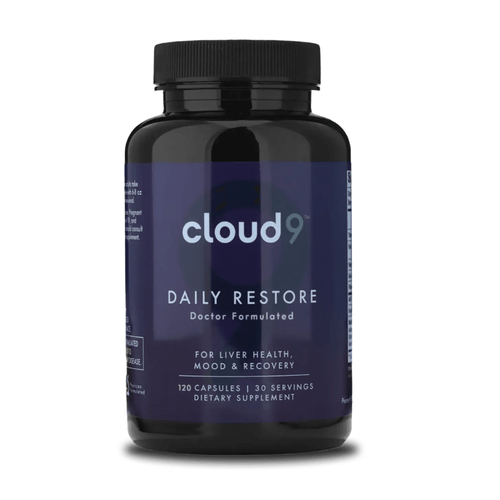
Cloud9 Daily Restore combines NAC, DHM, milk thistle, B vitamins, and ashwagandha to help support the pathways alcohol can tax most. Two capsules daily, drinking or not.
NAC | DHM | Milk Thistle | B Vitamins | Ashwagandha
See How Daily Restore WorksWhy Writing Helps Your Brain Heal After Drinking
Memory Reconstruction and Narrative Coherence
Journaling after drinking helps your brain do what it couldn't do naturally: create a coherent story. When you write down what you remember, you're actively engaging the parts of your brain that alcohol impaired. This process, sometimes called "narrative repair," allows you to fill in gaps, connect fragments, and make sense of what happened.
The act of writing forces you to organize chaotic thoughts into linear sequences. This isn't just therapeutic, it's neurologically restorative. Your brain craves coherence, and journaling provides the structure it needs to process incomplete experiences.
Activating the Prefrontal Cortex
The prefrontal cortex, your brain's executive control center, takes a significant hit from alcohol. This is the region responsible for judgment, impulse control, and rational decision-making. Journaling actively engages this area, essentially giving it a workout when it needs rehabilitation most.
When you write reflectively about your drinking experience, you're practicing the very skills that alcohol temporarily disabled. You're asking yourself questions, evaluating choices, and considering consequences. This practice strengthens neural pathways that support better decision-making over time.
Reducing Shame Through Externalization
Shame thrives in silence and internal rumination. When negative thoughts loop endlessly in your mind, they gain power and distort reality. Journaling breaks this cycle by moving thoughts from internal to external.
Research on expressive writing suggests that putting difficult emotions into words creates psychological distance. You're no longer trapped inside the experience, you're observing it. This shift from participant to observer can reduce the intensity of shame and create space for self-compassion.

What to Write: Practical Journaling Approaches for Mental Health
The Basic Reconstruction Method
Start by simply reconstructing the timeline of events. Write down what you remember without judgment, just facts. Where were you? Who was there? What do you remember drinking and when?
This factual approach serves two purposes: it helps your brain fill in memory gaps, and it provides emotional safety. You're not diving straight into feelings, you're just recording data. Often, insights emerge naturally from this process without forcing them.
The Pattern Recognition Approach
After a few journaling sessions, start looking for patterns. This is where the real power of post-drinking journaling emerges. You might notice you always drink more in certain social situations, or that specific emotions consistently trigger heavier drinking.
Consider tracking these elements consistently:
- What triggered the decision to drink
- Your emotional state before, during, and after
- Physical symptoms and their intensity
- Choices you made while drinking
- How you felt about those choices the next day
- What you wish you had done differently
The Compassionate Observer Technique
Write as if you're a kind friend observing your experience. What would a compassionate person say about what happened? This technique creates distance from harsh self-judgment while maintaining honest reflection.
Instead of "I'm such an idiot for drinking that much," you might write: "I notice I drank more than I intended. I was feeling stressed about work and wanted to relax. The relaxation I was seeking didn't actually happen, and now I'm dealing with anxiety instead."
The goal isn't to eliminate all difficult feelings or promise you'll never drink again. It's to understand yourself better, recognize your patterns, and create space between impulse and action. That space is where healing happens.
The Science of Tracking: How Data Reveals What Feelings Hide
Why Your Memory Can't Be Trusted
Here's an uncomfortable truth: your memory of your drinking patterns is probably inaccurate. Studies on self-reporting show that people consistently underestimate their alcohol consumption and overestimate their control. This isn't dishonesty, it's how memory works, especially when alcohol is involved.
Written records bypass this limitation. When you journal consistently, you create an objective record that your brain can't retroactively edit. Three months of entries might reveal you drink heavily every Thursday, even though you'd swear you "only drink on weekends."
Comparing Intention Versus Reality
One powerful journaling practice involves writing down your intentions before drinking, then comparing them to what actually happened. This comparison table format can be particularly revealing:
| What I Planned | What Actually Happened | The Gap |
|---|---|---|
| Have 2 drinks at dinner | Had 2 at dinner, then 3 more at the bar after | Friend suggested continuing the night, felt good in the moment |
| Be home by 11pm | Got home at 1:30am | Lost track of time, didn't want to seem boring |
| Wake up feeling okay for morning workout | Skipped workout, felt anxious all morning | Physical and mental consequences I didn't anticipate |
The "gap" column is where insight lives. It reveals the decision points where your plans changed and helps you understand the triggers, social pressures, or emotional states that influence your choices.
Tracking Mental Health Alongside Drinking
Alcohol doesn't exist in isolation from your mental health. For many people, drinking is an attempt to manage anxiety, depression, loneliness, or stress. Journaling helps you see these connections clearly.
Try tracking your mood and mental state alongside your drinking patterns. You might discover that you drink more during high-stress work weeks, or that your anxiety spikes consistently two days after drinking. These patterns, once visible, become addressable.
Building a Sustainable Journaling Practice
When to Write
The best time to journal is the morning after, when memories are still accessible but you've had enough sleep to think clearly. Some people find it helpful to write both the night of (brief notes) and the morning after (deeper reflection).
Consistency matters more than timing. Whether you write immediately upon waking or after your morning coffee, establish a routine. Your brain will start to expect this processing time, making the practice easier over time.
Overcoming Resistance
Resistance to journaling after drinking is normal. Your brain might tell you to just move on, forget about it, or that writing won't help. This resistance is often shame in disguise, trying to protect you from uncomfortable feelings.
Start small if you need to. Even three sentences count. The commitment is to show up with pen and paper, not to write a novel. Many people find that once they start, the words flow more easily than expected.
Tools and Formats
Choose whatever format feels most natural to you. Some people prefer private digital documents, others need the physical act of handwriting. There's no wrong choice, though research suggests handwriting may engage different neural pathways that support deeper processing.
Consider these options:
- Traditional journal or notebook dedicated to this practice
- Password-protected digital document or app
- Voice recordings transcribed later (useful if writing feels too difficult initially)
- Structured templates or prompts to guide your writing
- Combination approach: quick phone notes at night, deeper writing in the morning
What Journaling Can and Cannot Do
Realistic Expectations
Journaling is a powerful tool for self-awareness and processing, but it's not a substitute for professional help when needed. If you're struggling with alcohol dependence, severe anxiety, or depression, journaling works best alongside proper treatment, not instead of it.
What journaling can do is create clarity. It helps you see patterns, understand triggers, and process emotions in a healthy way. It provides data that can inform better decisions and supports the brain's natural healing processes after alcohol disruption.
Signs You Might Need Additional Support
If your journaling consistently reveals certain patterns, it might be time to seek professional guidance. Pay attention if you notice you're drinking to cope with persistent mental health symptoms, if you repeatedly can't stick to drinking limits despite wanting to, or if the shame and anxiety don't improve with self-reflection alone.
Journaling itself can help you recognize when you've moved beyond what self-help can address. That recognition is valuable, it means you're developing the self-awareness needed to make informed choices about your health.
How Daily Restore Supports Your Health
Understanding what your body needs is one thing. Getting consistent daily support is another. Daily Restore was designed to address the key pathways alcohol can stress most, in one simple daily formula.
NAC (N-Acetyl Cysteine)
Supports glutathione production and antioxidant defenses
DHM (Dihydromyricetin)
Supports alcohol metabolism
Milk Thistle (Silymarin)
Supports healthy liver function
B Vitamins
Help replenish nutrients involved in energy and metabolism
Ashwagandha
Supports stress resilience and healthy cortisol balance
Daily Restore is not a detox or a cure. It is a daily support formula designed for people who drink socially and want to give their body consistent, evidence-informed support.
Frequently Asked Questions
Should I journal immediately after drinking or wait until morning?
While there's no single right answer, many people find morning journaling more effective. Your cognitive function is clearer, you can reflect with perspective, and you're better able to process emotions without the immediate influence of alcohol. That said, brief notes in the moment can capture insights you might otherwise forget.
What if I don't remember everything from the night before?
Memory gaps can actually make journaling more valuable, not less. Write what you do remember, how you feel physically and emotionally, and any fragments that come back. Over time, patterns in these gaps themselves can reveal important information about your drinking habits and their impact on your brain.
How long does it take to see mental health benefits from journaling?
Research suggests that consistent journaling can begin to show benefits within two to four weeks, though this varies by individual. The key is regularity rather than perfection. Even brief, honest entries three to four times per week can help your brain begin processing experiences more effectively.
Can journaling replace therapy or professional mental health support?
No, journaling is a valuable self-care tool but not a substitute for professional help. If you're struggling with alcohol use, depression, anxiety, or other mental health concerns, working with a therapist or counselor provides essential support that self-reflection alone cannot. Think of journaling as a complement to, not a replacement for, professional care.
What if journaling makes me feel worse about my drinking?
Facing uncomfortable truths can feel difficult at first, but this awareness is often the first step toward meaningful change. If journaling consistently brings up distressing feelings, this may be valuable information suggesting it's time to seek support, whether from a trusted friend, support group, or mental health professional.
The Bottom Line
Journaling after drinking isn't about judgment or perfection. It's about creating space for honest reflection, helping your brain process experiences, and building the self-awareness that supports better mental health. When you write about your drinking patterns, emotional triggers, and physical responses, you give your mind the tools it needs to recognize patterns and make more intentional choices.
The act of putting pen to paper, or fingers to keyboard, engages multiple brain regions involved in memory, emotion regulation, and executive function. Over time, this practice can help reduce anxiety, improve mood, and create the cognitive clarity needed to understand your relationship with alcohol more deeply.
Supporting your mental health and recovery doesn't happen through willpower alone. Daily Restore is designed to work alongside practices like journaling, providing targeted nutrients that support brain health, liver function, and the body's natural healing processes. When combined with reflection and self-awareness, these daily habits create a foundation for lasting change.
Start small, stay consistent, and remember that every moment of honest reflection is a step toward better understanding yourself. Your brain has remarkable capacity to heal and adapt when you give it the support it needs.
Build Your Daily Support Routine
Build Your Daily Support Routine
If drinking is part of your lifestyle, your support routine should not be random. Daily Restore was designed to help social drinkers support liver health, antioxidant defenses, alcohol metabolism, nutrient replenishment, and daily recovery in one simple routine.
NAC
DHM
Milk Thistle
B Vitamins
Ashwagandha