

You've seen the ads: juice cleanses promising to "flush toxins," detox teas claiming to reset your liver in five days, supplement protocols that cost more than your grocery bill. The liver detox industry is booming, but most of what's being sold doesn't align with how your liver actually works.
Your liver is already incredibly good at its job. It processes everything you eat, drink, and absorb, working 24/7 to keep your body running smoothly. The question isn't whether your liver can detox (it can), it's whether these popular cleanses actually help or just create expensive, uncomfortable distractions from real support.
Let's separate the marketing myths from the science-backed facts, and explore what genuinely supports your liver's natural detoxification processes.
Quick Take
- Your liver doesn't need aggressive "detoxing," it needs consistent nutritional support for its natural processes
- Juice cleanses and detox teas often lack the protein and nutrients your liver actually uses for detoxification
- Real liver support involves specific amino acids, antioxidants, and minerals that fuel detox pathways
- Extreme calorie restriction can actually stress your liver rather than help it
- Evidence-based liver support focuses on daily consistency, not dramatic short-term interventions
How Your Liver Actually Detoxifies
Your liver processes toxins through two main phases that happen continuously, not just during a three-day cleanse. Phase I uses enzymes to break down substances into intermediate compounds. Phase II then attaches molecules to these compounds, making them water-soluble so your body can eliminate them through urine or bile.
This process requires specific nutrients: amino acids like glycine and taurine, sulfur compounds, antioxidants like glutathione, and B vitamins. When you drastically cut calories or eliminate protein (common in many detox protocols), you're actually depriving your liver of the raw materials it needs to do its job.
Research shows that supporting both detoxification phases simultaneously is more effective than trying to "flush" or "reset" your liver. It's not about pushing harder, it's about providing consistent, targeted nutrition.
Daily Support for Social Drinkers
Your liver works hard every day. Give it consistent support.
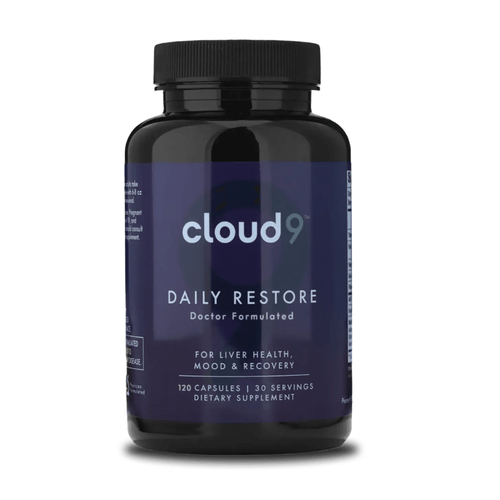
Cloud9 Daily Restore combines NAC, DHM, milk thistle, B vitamins, and ashwagandha to help support the pathways alcohol can tax most. Two capsules daily, drinking or not.
NAC | DHM | Milk Thistle | B Vitamins | Ashwagandha
See How Daily Restore WorksCommon Liver Detox Myths vs. Facts
The gap between what's marketed and what actually works can be frustrating. Here's what the science actually says about popular liver detox claims.
| Myth | Fact |
|---|---|
| Your liver stores toxins that need to be "flushed out" | Your liver processes and eliminates substances continuously. It doesn't accumulate toxins that require special cleanses to remove. |
| Juice cleanses give your liver a "rest" | Your liver doesn't need rest, it needs nutrients. Juice-only diets often lack the protein and amino acids essential for detoxification pathways. |
| Detox teas can cleanse your liver in days | Most detox teas work as diuretics or laxatives, creating temporary water weight loss. They don't enhance liver detoxification pathways. |
| You need to do periodic liver cleanses to stay healthy | Consistent daily support is more effective than periodic extreme interventions. Your liver works every day and benefits from steady nutritional support. |
| More detoxing is always better | Extreme calorie restriction can actually increase oxidative stress and deplete nutrients needed for healthy liver function. |
| Detox supplements alone can overcome poor lifestyle habits | No supplement can compensate for chronic alcohol use, poor diet, or lack of sleep. Real liver health requires comprehensive lifestyle support. |
Why These Myths Persist
The detox industry thrives on the appealing idea of a quick reset. After a period of indulgence or simply feeling "off," the promise of purging toxins and starting fresh is emotionally satisfying. The problem is that this framework fundamentally misunderstands how your body works.
Marketing also exploits the fact that many detox protocols do produce noticeable short-term effects: weight loss (mostly water), increased bathroom trips, or feeling "lighter." These are often mistaken for signs of effective detoxification when they're actually just responses to calorie restriction and increased fluid loss.
What Actually Supports Liver Health
Real liver support isn't about dramatic interventions or expensive protocols. It's about providing your liver with what it genuinely needs to perform its natural functions optimally.
Nutrients That Fuel Detoxification Pathways
Your liver's detox enzymes depend on specific nutrients to function. Research suggests these are particularly important:
- Amino acids: Glycine, taurine, and cysteine are building blocks for glutathione, your body's master antioxidant and a key player in Phase II detoxification
- B vitamins: B2, B6, B12, and folate support methylation, a critical detoxification process
- Antioxidants: Vitamin C, vitamin E, and selenium protect liver cells from oxidative damage during detoxification
- Minerals: Zinc and magnesium are cofactors for detoxification enzymes
- Sulfur compounds: Found in cruciferous vegetables and certain supplements, these support Phase II detoxification
Lifestyle Factors That Matter More Than Cleanses
Studies consistently show that these daily habits have more impact on liver health than any short-term detox protocol:
- Moderate alcohol consumption or abstinence: Your liver prioritizes processing alcohol over other functions, so limiting intake reduces its workload
- Maintaining healthy body composition: Excess fat, particularly visceral fat, can lead to fatty liver disease independent of alcohol consumption
- Regular physical activity: Exercise improves insulin sensitivity and reduces liver fat accumulation
- Adequate sleep: Your liver performs important repair and regeneration functions during sleep
- Managing medication use: Many common medications are processed by the liver, so working with your healthcare provider on appropriate use matters
Your liver is designed to handle the normal toxins and byproducts of daily life. The goal isn't to periodically "detox" it, but to consistently support its natural, ongoing processes with proper nutrition and lifestyle habits.
The Problem with Extreme Approaches
Juice cleanses, water fasts, and ultra-restrictive detox diets often backfire. When you dramatically cut calories and protein, you deprive your liver of the amino acids it needs for Phase II detoxification. This can actually slow down the elimination of substances your body wants to remove.
Additionally, rapid weight loss can release stored fat-soluble compounds into your bloodstream faster than your liver can process them. This creates additional burden rather than relief. Sustainable, gradual approaches work better with your body's natural rhythms.
A Smarter Approach to Liver Support
Instead of cycling between indulgence and extreme restriction, evidence-based liver support focuses on consistency. This means providing your liver with targeted nutrition every day, not just during a cleanse.
What to Look for in Liver Support
If you're considering supplements for liver health, here's what actually aligns with how detoxification works:
- Comprehensive amino acid support: Including glycine and taurine for glutathione production
- Activated B vitamins: Methylated forms (like methylfolate and methylcobalamin) are more readily used by your body
- Antioxidant support: Beyond just one or two antioxidants, look for a spectrum that protects during both phases of detoxification
- Bioavailable minerals: Chelated forms of zinc and other minerals absorb better than cheaper alternatives
- No proprietary blends: You should know exactly what and how much you're getting
When to Actually Worry About Your Liver
Most people's livers are functioning just fine and don't need aggressive intervention. However, certain signs warrant a conversation with your healthcare provider:
- Persistent fatigue that doesn't improve with rest
- Yellowing of skin or eyes (jaundice)
- Persistent pain or discomfort in the upper right abdomen
- Dark urine or pale stools
- Unexplained nausea or loss of appetite
- Easy bruising or bleeding
These symptoms could indicate liver dysfunction that requires medical evaluation, not a juice cleanse. Blood tests can assess liver enzyme levels and function far more accurately than any symptom-based detox protocol.
How Daily Restore Supports Your Liver
Understanding what your liver needs is one thing. Getting consistent daily support is another. Daily Restore was designed to address the key pathways alcohol can stress most, in one simple daily formula.
NAC (N-Acetyl Cysteine)
Supports glutathione production and antioxidant defenses
DHM (Dihydromyricetin)
Supports alcohol metabolism
Milk Thistle (Silymarin)
Supports healthy liver function
B Vitamins
Help replenish nutrients involved in energy and liver metabolism
Ashwagandha
Supports stress resilience and healthy cortisol balance
Daily Restore is not a detox or a cure. It is a daily support formula designed for people who drink socially and want to give their liver consistent, evidence-informed support.
Frequently Asked Questions
Do juice cleanses actually detox your liver?
No, juice cleanses don't "detox" your liver in any meaningful way. Your liver already performs detoxification continuously without special juices or fasting protocols. While fruits and vegetables provide beneficial nutrients, extreme cleanses may actually deprive your liver of the protein and healthy fats it needs to function optimally.
Can supplements reverse liver damage from alcohol?
Supplements cannot reverse existing liver damage, but they may support your liver's natural resilience when used alongside healthy habits. Research suggests certain nutrients like milk thistle, NAC, and B vitamins can help support liver function and cellular health. However, reducing alcohol intake and maintaining a balanced diet remain the most important factors for liver health.
How long does it take for the liver to recover after drinking?
For occasional drinkers, the liver typically processes alcohol within 24 to 48 hours, though recovery time varies based on the amount consumed and individual factors. The liver has remarkable regenerative abilities, and with proper rest and nutrition, it can bounce back from occasional moderate drinking. Chronic heavy drinking, however, requires much longer recovery periods and professional medical support.
What are the best foods for supporting liver health?
Foods rich in antioxidants and healthy fats tend to support liver function best. Studies show that leafy greens, cruciferous vegetables like broccoli, fatty fish, nuts, olive oil, and berries can help support the liver's natural detoxification processes. Coffee and green tea have also been associated with better liver health markers in research.
Is it safe to drink alcohol while taking liver support supplements?
Most liver support supplements are designed to be taken alongside moderate, occasional alcohol consumption. However, supplements are meant to support, not enable excessive drinking. If you have existing liver concerns or take prescription medications, consult with a healthcare provider before combining supplements with alcohol.
The Bottom Line
Your liver doesn't need extreme cleanses, detox teas, or miracle cures. It's already an incredibly efficient detoxification system that works around the clock. What it does need is consistent, practical support: proper hydration, nutrient-dense foods, regular movement, quality sleep, and moderation when it comes to alcohol and processed foods.
The most effective approach to liver health isn't found in short-term fixes but in sustainable daily habits. While your liver is resilient, supporting it proactively can help maintain optimal function, especially if you're a social drinker who enjoys the occasional glass of wine or cocktail.
This is where Daily Restore fits into a realistic wellness routine. Formulated with research-backed ingredients like milk thistle, NAC, and essential B vitamins, it's designed to support your liver's natural processes as part of your everyday health regimen. It's not about undoing damage or compensating for poor choices, it's about giving your body the nutritional support it needs to function at its best.
Skip the gimmicks and focus on what actually works: real food, smart supplementation, and lifestyle choices that support your liver day in and day out. Your body already knows how to take care of itself. Sometimes it just needs a little extra support to do what it does best.
Build Your Daily Support Routine
Build Your Daily Support Routine
If drinking is part of your lifestyle, your support routine should not be random. Daily Restore was designed to help social drinkers support liver health, antioxidant defenses, alcohol metabolism, nutrient replenishment, and daily recovery in one simple routine.
NAC
DHM
Milk Thistle
B Vitamins
Ashwagandha