

That first glass of wine after work has become more than a drink. It's your signal that the workday is over, your reward for getting through another stressful day, your ticket to finally relaxing. But lately, one glass has turned into two, and you're wondering if there's a better way to decompress.
You're not alone in this pattern, and you're not lacking willpower. Research suggests that habit loops are powerful because they're neurological, not just behavioral. The good news is that replacing the wine habit doesn't mean white-knuckling through stress. It means building a relaxation routine that actually works better for your body and mind.
Here's how to create an after-work ritual that delivers real relaxation without relying on alcohol.
Quick Take
- Wine provides temporary stress relief but disrupts sleep quality, mood regulation, and long-term stress resilience
- Successful habit replacement requires identifying your specific trigger and the real need you're trying to meet
- Physical relaxation techniques like breathing exercises and gentle movement can reduce stress hormones more effectively than alcohol
- Creating a structured transition ritual helps your brain shift from work mode to relaxation without relying on wine
- Most people see noticeable improvements in energy, sleep, and mood within 7-10 days of replacing their wine habit
Why the Wine Habit Feels So Hard to Break
Your brain has learned that wine equals relaxation, creating a powerful neural pathway that fires automatically when you walk through the door after work. This isn't about willpower or discipline. Studies show that habits form when a cue (getting home) triggers a routine (pouring wine) that delivers a reward (feeling relaxed).
The challenge is that alcohol provides genuine short-term stress relief by boosting GABA, your brain's calming neurotransmitter. This creates immediate physical relaxation, which reinforces the habit. Your brain remembers what worked and wants to repeat it.
But here's the problem: while wine delivers quick relaxation, it also disrupts the deeper recovery your body actually needs. Research suggests that even moderate alcohol consumption interferes with REM sleep, increases cortisol rebound, and can worsen anxiety the next day. You're borrowing tomorrow's calm to feel better tonight.
Daily Support for Social Drinkers
Your liver works hard every day. Give it consistent support.
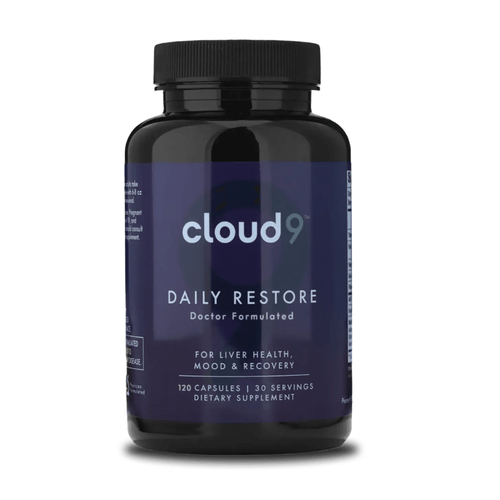
Cloud9 Daily Restore combines NAC, DHM, milk thistle, B vitamins, and ashwagandha to help support the pathways alcohol can tax most. Two capsules daily, drinking or not.
NAC | DHM | Milk Thistle | B Vitamins | Ashwagandha
See How Daily Restore WorksUnderstanding Your Real After-Work Need
Before you can replace the wine habit, you need to identify what you're actually seeking. Most people assume they want relaxation, but the true need often runs deeper. Are you trying to decompress from overstimulation? Create a boundary between work and home? Soothe anxiety? Reward yourself for a hard day?
The answer matters because different needs require different solutions. A stressed nervous system needs physical calming techniques. Mental exhaustion requires cognitive rest. Loneliness might need connection, not isolation with a glass of wine.
Common After-Work Needs and What They Really Mean
- Physical tension: Your body is still in stress mode, muscles tight, breathing shallow
- Mental overload: Your mind keeps spinning through work problems and tomorrow's tasks
- Emotional depletion: You've managed others' needs all day and feel drained
- Transition struggle: You can't shift out of work mode into personal time
- Boredom or emptiness: Without work demands, you feel unmoored and restless
The Habit Loop Behind Your Wine Routine
| Component | Wine Habit | What to Replace |
|---|---|---|
| Cue | Arriving home, 5-6pm, stress level high | Same cue triggers new routine |
| Routine | Pour wine, sit on couch, scroll phone | New physical ritual in same location |
| Reward | Relaxation, transition, taste enjoyment | Must deliver similar or better feeling |
Building Your Replacement Relaxation Routine
The most effective replacement routines work because they're physiological, not just behavioral. You need to give your nervous system what it's actually asking for: a shift from sympathetic (stress) to parasympathetic (rest) activation. This requires specific, body-based practices that create measurable changes in your stress response.
Studies show that the most successful habit replacement happens when you keep the same cue and reward but swap the routine. You'll still walk in the door at 5pm feeling stressed. You'll still want to feel relaxed 15 minutes later. But the middle part changes completely.
The 15-Minute Transition Ritual
This structured routine gives your brain the clear signal it needs while delivering deeper relaxation than wine ever could. The key is doing it in the same place, at the same time, every day until it becomes automatic.
- Minutes 1-3: Change clothes (physical signal that work is over), do 10 jumping jacks or a quick walk around the block to discharge stress energy
- Minutes 4-8: Practice 4-7-8 breathing (inhale for 4, hold for 7, exhale for 8) while sitting comfortably, this activates your parasympathetic nervous system
- Minutes 9-12: Prepare a special non-alcoholic drink with ritual and intention, something temperature-specific that feels rewarding
- Minutes 13-15: Sit in your usual spot and savor your drink while doing absolutely nothing else, no phone, no TV, just being

Physical Practices That Outperform Wine
Your body needs to discharge the stress it accumulated all day. Wine sedates this tension temporarily, but it doesn't release it. Physical practices actually complete the stress cycle, leaving you genuinely relaxed rather than just numbed.
- Progressive muscle relaxation: Tense and release each muscle group for 10 minutes, research suggests this reduces cortisol more effectively than alcohol
- Gentle yoga or stretching: 15 minutes of slow movement releases physical tension and shifts your nervous system state
- Cold exposure: A 30-second cold shower ending your warm shower triggers parasympathetic activation and dopamine release
- Humming or singing: Activates the vagus nerve, your body's primary relaxation pathway, creating immediate calm
- Self-massage: Use a foam roller or your hands on tight areas while breathing slowly, combines physical release with mindful attention
Rewarding Alternatives to Fill Your Glass
The physical act of holding a special drink matters more than you might think. It's part of the ritual, the reward, the sensory experience. Your replacement drink should feel adult, intentional, and enjoyable.
- Sparkling water with fresh citrus and herbs: The carbonation provides oral satisfaction, herbs add complexity
- Hot tea ritual: Temperature, preparation process, and holding a warm mug all provide sensory comfort
- Kombucha or shrub: Complex flavors and slight acidity mimic wine's sophistication
- Golden milk or adaptogen drinks: Include calming compounds like ashwagandha, L-theanine, or magnesium
- Mocktails with intention: If you love mixology, create alcohol-free versions with the same care and presentation
The goal isn't to punish yourself or practice deprivation. It's to find something that actually works better, that leaves you feeling genuinely restored rather than just temporarily numbed. When you discover that feeling, the wine habit loses its power naturally.
Your Week-by-Week Timeline for Breaking the Pattern
Habit replacement follows a predictable timeline. Understanding what to expect each week helps you push through the challenging parts and recognize when it's actually working.
Week One: The Awareness Phase
The first few days feel awkward and effortful. Your brain keeps suggesting wine because that pathway is still strong. You'll need to consciously choose your new routine, and it won't feel automatic yet.
What helps: Set a phone reminder for your ritual time. Prepare your alternative drink ingredients in advance. Tell someone supportive what you're doing. Track each day you complete your new routine to build momentum.
Week Two: The Resistance Phase
This is typically the hardest week. The novelty has worn off, the wine craving might feel stronger, and your new routine still requires willpower. Studies suggest this is when most people abandon new habits, but it's also when the neurological changes are starting to take hold.
What helps: Focus on small improvements in sleep quality, morning energy, or mood rather than waiting for dramatic transformation. Connect with your deeper "why" for making this change. Experiment with different elements of your routine to find what feels most rewarding.
Week Three: The Integration Phase
Your new routine starts feeling more natural. You might notice you're sleeping better, waking with more energy, or feeling less anxious. The wine craving becomes less automatic and more situational.
What helps: Notice and celebrate what's working. Identify your high-risk situations (social events, particularly stressful days) and plan ahead. Deepen the practices that resonate most.
Week Four and Beyond: The Preference Phase
Research suggests it takes 21 to 66 days for a new habit to become automatic, depending on complexity. By week four, many people report that their new routine feels easier than the old one. You're sleeping better, thinking more clearly, and genuinely enjoying your evenings more.
What helps: Keep building on what works. Your relaxation routine can evolve and expand. Stay curious about what your body and mind actually need rather than defaulting to old patterns.
Troubleshooting Common Challenges
Even with a solid plan, you'll hit obstacles. Here's how to navigate the most common ones without returning to the wine habit.
When the Craving Feels Overwhelming
Cravings typically peak and pass within 15-20 minutes. Ride them out with the "urge surfing" technique: notice the craving without judgment, observe how it feels in your body, breathe through it, and watch it naturally diminish. The craving is just a neural pattern firing, it doesn't require action.
You can also use the 10-minute rule. Tell yourself you can have wine in 10 minutes, but first you'll do your relaxation routine. Often, by the end of those 10 minutes, the acute craving has passed and you can make a clearer choice.
When Your Routine Feels Boring or Ineffective
Boredom usually means you need more engagement or variety. Try rotating between different physical practices each day. Add music, nature sounds, or guided meditations. Change your location occasionally while keeping the time consistent.
If your routine genuinely isn't creating relaxation, revisit what you actually need. You might need more intense physical activity before settling into stillness, or you might need connection rather than solo practice.
When Social Situations Trigger the Wine Urge
Social drinking is a separate challenge from the after-work habit. Prepare your response in advance: "I'm taking a break from alcohol" or "I'm trying something different for my health." Bring your own special drink to events. Focus on the connection rather than what's in your glass.
Remember that most people are far less interested in your drinking choices than you think. And the ones who push or judge are usually uncomfortable with their own habits, not actually concerned about yours.
| Challenge | Quick Solution |
|---|---|
| Partner still drinking wine | Ask them to drink elsewhere for first 2 weeks, or prepare your drink first to establish your routine |
| Extra stressful day makes wine feel essential | Do more intense physical activity first (run, dance, punching bag), then your relaxation routine |
| Missing the taste and sophistication | Invest in high-quality non-alcoholic wines, craft mocktails, or premium teas with complex flavor profiles |
| Feeling deprived or punished | Reframe as choosing something better, not giving up something good; focus on what you're gaining |
| One slip feels like total failure | Treat it as data, not defeat; notice what triggered it, adjust your plan, resume your routine the next day |
How Daily Restore Supports Your Health
Understanding what your body needs is one thing. Getting consistent daily support is another. Daily Restore was designed to address the key pathways alcohol can stress most, in one simple daily formula.
NAC (N-Acetyl Cysteine)
Supports glutathione production and antioxidant defenses
DHM (Dihydromyricetin)
Supports alcohol metabolism
Milk Thistle (Silymarin)
Supports healthy liver function
B Vitamins
Help replenish nutrients involved in energy and metabolism
Ashwagandha
Supports stress resilience and healthy cortisol balance
Daily Restore is not a detox or a cure. It is a daily support formula designed for people who drink socially and want to give their body consistent, evidence-informed support.
Frequently Asked Questions
How long does it take to break the wine after work habit?
Most people notice shifts in their routine within two to three weeks of consistent replacement strategies. Research suggests habit formation can take anywhere from 18 to 254 days depending on complexity and individual factors, so patience with yourself during the transition is essential.
What if my new relaxation routine doesn't feel as satisfying at first?
This is completely normal and expected. Your brain has associated wine with reward and relaxation for possibly years, so new activities may feel less immediately gratifying initially. Give your new routine at least two weeks of consistent practice before evaluating its effectiveness, and remember that the benefits often build over time rather than appearing instantly.
Can I still have wine occasionally, or do I need to quit completely?
The goal is breaking the automatic habit pattern, not necessarily complete abstinence unless that's your personal choice. Once you've established a solid alternative routine for several weeks, you can make more conscious, intentional decisions about when and whether to include alcohol rather than relying on it as your default stress response.
What are the best natural supplements to support this transition?
Research suggests that adaptogens like ashwagandha and L-theanine may help support the body's stress response, while magnesium can promote relaxation and better sleep quality. Cloud9's Daily Restore combines these ingredients in research-backed doses to support your body during periods of transition and daily stress.
What should I do if I slip back into the old habit?
Slip-ups are part of the process, not failures. Simply acknowledge what happened, identify the trigger or circumstance that led to it, and return to your new routine the next day. Studies show that self-compassion during behavior change actually increases long-term success rates compared to self-criticism.
The Bottom Line
Replacing the wine after work habit isn't about willpower alone. It's about understanding how habits work, identifying your specific triggers, and creating an equally satisfying alternative routine that actually addresses the underlying need for stress relief and transition time.
The most successful approach combines environmental design, deliberate ritual creation, and consistent practice. Whether your new routine involves movement, breathwork, creative activities, or simply intentional time to decompress, the key is making it automatic and genuinely enjoyable rather than feeling like deprivation.
Supporting your body with targeted nutrients can make this transition smoother. Cloud9's Daily Restore is specifically formulated to help your body manage daily stress with ingredients like ashwagandha, L-theanine, and magnesium in research-backed doses. When combined with your new relaxation routine, it can provide consistent support without the downsides of alcohol.
Remember that creating lasting change takes time and self-compassion. Focus on progress rather than perfection, celebrate small wins, and trust that your new routine will become as automatic as the old one once was. Your future self will thank you for the investment you're making in more sustainable, health-supporting stress relief.
Build Your Daily Support Routine
Build Your Daily Support Routine
If drinking is part of your lifestyle, your support routine should not be random. Daily Restore was designed to help social drinkers support liver health, antioxidant defenses, alcohol metabolism, nutrient replenishment, and daily recovery in one simple routine.
NAC
DHM
Milk Thistle
B Vitamins
Ashwagandha