

You've worked hard for your fitness progress. You show up for training, you fuel properly, you prioritize recovery. But you also love a glass of wine with dinner, cocktails with friends, or craft beers after a long week.
The all-or-nothing approach says you can't have both. The reality is more nuanced. Research shows that moderate, strategic drinking doesn't have to derail your goals when you understand how alcohol affects your body and performance.
This is your guide to maintaining the balance. Not preaching abstinence, not promoting excess, just practical strategies for women who want to honor both their fitness commitments and their social lives.
Quick Take
- Alcohol temporarily interferes with muscle protein synthesis and recovery, but timing and moderation can minimize impact
- Women metabolize alcohol differently than men due to body composition and enzyme differences, requiring adjusted strategies
- Strategic hydration, nutrient timing, and workout scheduling can help protect your fitness gains
- Quality sleep disruption from alcohol affects performance more than the calories themselves
- Planning your drinking around training intensity creates space for both fitness progress and social enjoyment
How Alcohol Actually Affects Your Fitness Goals
Understanding the science helps you make informed choices. When you drink alcohol, your liver prioritizes metabolizing it over everything else, including burning fat and building muscle. This metabolic shift can last several hours, temporarily pausing the recovery processes your body needs after training.
Research suggests that alcohol consumption within eight hours post-workout may reduce muscle protein synthesis by up to 24%, particularly when combined with inadequate protein intake. Your body also becomes less efficient at replenishing glycogen stores, the fuel your muscles need for performance.
The disruption extends beyond metabolism. Studies show that even moderate drinking fragments sleep architecture, reducing time in REM and deep sleep stages. For active women, this matters because recovery happens during sleep, when your body repairs tissue, balances hormones, and consolidates the adaptations you're working toward.
Daily Support for Social Drinkers
Your liver works hard every day. Give it consistent support.
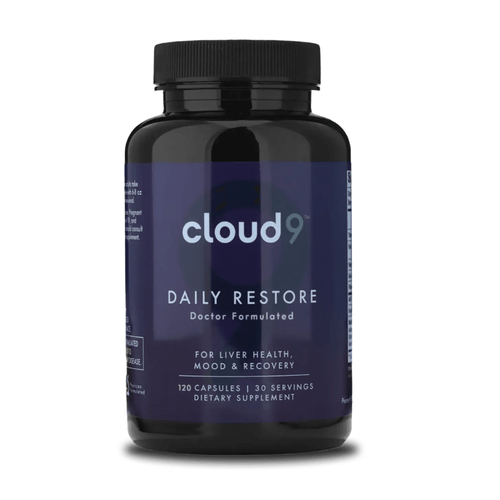
Cloud9 Daily Restore combines NAC, DHM, milk thistle, B vitamins, and ashwagandha to help support the pathways alcohol can tax most. Four capsules daily, drinking or not.
NAC | DHM | Milk Thistle | B Vitamins | Ashwagandha
See How Daily Restore WorksTiming Your Drinks Around Training
When you drink matters as much as what and how much you drink. Strategic timing can help protect your hard-earned progress while still allowing for social flexibility.
The 24-Hour Rule for Intense Training
Consider avoiding alcohol in the 24 hours following your hardest training sessions. This includes heavy strength work, high-intensity intervals, or long endurance efforts. Your body needs this window for optimal recovery and adaptation.
If you're planning to drink, schedule it on rest days or after lighter training sessions. Your body can handle the metabolic disruption better when it's not simultaneously trying to recover from significant physical stress.
Pre-Workout Considerations
Drinking before training creates multiple challenges. Alcohol is a diuretic, increasing dehydration risk. It impairs coordination, reaction time, and judgment. It also reduces force production and power output.
A practical guideline: allow at least 24 hours between drinking and any workout requiring maximal effort, complex movements, or high skill. For moderate sessions, 12 hours minimum gives your body time to clear most of the alcohol and begin rehydrating.
Minimizing the Damage: What and How to Drink
Choose Lower-Impact Options
Not all drinks affect your body equally. Lower-calorie options with fewer additives can reduce the overall metabolic burden. Here's how common choices compare:
| Drink Type | Calories (per serving) | Sugar Content | Impact on Recovery |
|---|---|---|---|
| Vodka soda with lime | 97 | 0g | Lower |
| Dry wine (5 oz) | 120-125 | 1-2g | Lower |
| Light beer (12 oz) | 95-110 | 3-6g | Moderate |
| Margarita | 240-300 | 24-36g | Higher |
| Piña colada | 380-450 | 40-60g | Higher |
The Hydration Protocol
Alcohol's diuretic effect compounds dehydration from training. A strategic approach to hydration can minimize this impact and support better recovery.
- Drink 16-20 oz of water before your first alcoholic drink
- Alternate each alcoholic beverage with a full glass of water
- Add electrolytes to your water if you've trained that day
- Consume at least 20 oz of water before bed
- Start the next morning with 16 oz of water before coffee
Protect Your Protein Synthesis
Since alcohol interferes with muscle protein synthesis, consuming adequate protein becomes even more important when you drink. Research suggests that higher protein intake can help offset some of alcohol's negative effects on recovery.
If you're drinking in the evening, prioritize a protein-rich meal beforehand. Aim for 30-40 grams of high-quality protein from sources like chicken, fish, Greek yogurt, or plant-based options. This gives your body the building blocks it needs despite the metabolic disruption.
The goal isn't perfection. It's finding a sustainable approach that honors both your fitness commitments and your desire to enjoy life's social moments without guilt or compromise.
Creating Your Personal Balance Framework
Define Your Non-Negotiables
Clarity creates freedom. When you know which fitness commitments matter most, you can plan your social drinking around them rather than feeling like you're constantly choosing between competing priorities.
Consider which training sessions are essential to your goals. Maybe it's your three weekly strength sessions or your long weekend run. Protect the 24-hour recovery window after these workouts by scheduling social drinking on different days.
Set Sustainable Limits
Research on women's health suggests that moderate drinking typically means up to one drink per day. For active women focused on fitness goals, a more conservative approach often works better.
A practical framework many fitness-focused women find sustainable:
- Limit drinking to 2-3 occasions per week maximum
- Cap consumption at 1-2 drinks per occasion
- Take at least two full weeks off alcohol every quarter to reset tolerance and habits
- Never drink on consecutive days during heavy training blocks
- Adjust downward during periods of increased training intensity or stress
Track the Real Impact
Your body provides better feedback than any general guideline. Pay attention to how drinking affects your actual performance, not just how you think it should affect you.
Monitor these markers for two to four weeks:
- Sleep quality using a tracking app or journal
- Training performance metrics like weights lifted, pace, or perceived exertion
- Recovery markers including resting heart rate and heart rate variability
- Energy levels and motivation for training
- Body composition changes if that's relevant to your goals
This data tells you whether your current approach works for your body and goals. If performance declines or recovery suffers, adjust your drinking frequency or timing accordingly.
Making Social Situations Work
Navigate Pressure Without Explanation
You don't owe anyone an explanation for your choices. Simple, confident responses shut down pressure while maintaining social ease.
Try these responses when offered drinks you'd prefer to skip:
- "I'm good with water tonight, thanks"
- "I've got an early training session tomorrow"
- "I'm taking a break this month"
- "I'm all set, appreciate it though"
Order Strategically
Having a drink in hand often reduces social pressure, whether it contains alcohol or not. Mocktails, sparkling water with lime, or kombucha in a wine glass signal participation without the metabolic cost.
When you do choose to drink, ordering first sets your own pace rather than matching others. Order exactly what you want, not what feels expected.
Plan Your Exits
Staying out late often leads to drinking more than intended. Planning your departure time in advance, especially on nights before important training, helps you honor your commitments while still enjoying social connection.
Setting a phone reminder an hour before your planned exit gives you time to finish conversations, say goodbyes, and leave on your own terms rather than when the event ends.
How Daily Restore Supports Your Health
Understanding what your body needs is one thing. Getting consistent daily support is another. Daily Restore was designed to address the key pathways alcohol can stress most, in one simple daily formula.
NAC (N-Acetyl Cysteine)
Supports glutathione production and antioxidant defenses
DHM (Dihydromyricetin)
Supports alcohol metabolism
Milk Thistle (Silymarin)
Supports healthy liver function
B Vitamins
Help replenish nutrients involved in energy and metabolism
Ashwagandha
Supports stress resilience and healthy cortisol balance
Daily Restore is not a detox or a cure. It is a daily support formula designed for people who drink socially and want to give their body consistent, evidence-informed support.
Frequently Asked Questions
Will drinking alcohol completely ruin my fitness progress?
Not necessarily. Moderate, mindful drinking doesn't have to derail your goals if you plan around it with strategic nutrition and hydration. The key is consistency with your overall healthy habits rather than perfection in every moment.
How much water should I drink if I'm having a few glasses of wine?
A good rule of thumb is to match each alcoholic drink with at least one full glass of water. Many women find that alternating between alcoholic beverages and water helps them stay hydrated, slow their pace, and feel better the next day.
Should I skip my workout the morning after drinking?
Listen to your body, but lighter movement like walking, yoga, or gentle stretching can actually help you feel better. If you're well-hydrated and fueled, a modified workout may support recovery better than complete rest, though high-intensity training might be best saved for another day.
What's the best thing to eat before going out for drinks?
A balanced meal with protein, healthy fats, and complex carbohydrates can help slow alcohol absorption and stabilize blood sugar. Think grilled chicken with quinoa and vegetables, or salmon with sweet potato, rather than heading out on an empty stomach.
Can supplements really help support my body when I drink?
Research suggests that certain nutrients like B vitamins, antioxidants, and electrolytes may support your body's natural recovery processes. While supplements aren't a free pass to overindulge, they can be a helpful addition to proper hydration and nutrition as part of a balanced approach.
The Bottom Line
Maintaining your fitness goals while enjoying social drinks isn't about choosing between your wellness and your social life. It's about finding a sustainable balance that honors both. With mindful planning around what you drink, how you hydrate, and how you fuel your body before and after, you can show up for happy hour without sacrificing the progress you've worked hard to achieve.
The strategies we've covered, from strategic pre-drinking nutrition to morning-after recovery protocols, work best when they become consistent habits rather than occasional Band-Aids. Small, regular actions compound over time to make a real difference in how your body handles alcohol and maintains its fitness momentum.
This is where Cloud9's Daily Restore can fit seamlessly into your routine. Taking it before bed on nights when you've had a drink helps support your body's natural recovery processes with DHM, electrolytes, B vitamins, and antioxidants working together while you sleep. It's not about enabling excess, it's about supporting your body's resilience so you can wake up ready to honor your fitness commitments.
Your wellness journey doesn't require perfection or deprivation. It requires intention, self-awareness, and the right tools to support the lifestyle you actually want to live. With the right approach, you can raise a glass to celebrate life's moments and still wake up ready to crush your goals.
Build Your Daily Support Routine
Build Your Daily Support Routine
If drinking is part of your lifestyle, your support routine should not be random. Daily Restore was designed to help social drinkers support liver health, antioxidant defenses, alcohol metabolism, nutrient replenishment, and daily recovery in one simple routine.
NAC
DHM
Milk Thistle
B Vitamins
Ashwagandha