
You had a great night out. A few drinks, good conversation, nothing excessive. But the next morning, you wake up with more than a headache. There's a creeping sense of dread, replaying conversations in your head, worrying about things you'd normally brush off. That's hangxiety, and it's not just in your head.
The culprit behind this post-drinking anxiety is often a hormone you've probably heard of: cortisol. Alcohol disrupts your body's stress response system in ways that can leave you feeling wired, worried, and emotionally raw the day after. Understanding this connection can help you take targeted steps to feel better faster.
If you've ever wondered why some mornings after drinking feel like an emotional hangover on top of a physical one, you're about to find out exactly what's happening in your body and what you can do about it.
Quick Take
- Alcohol initially suppresses cortisol, then triggers a rebound spike as your body tries to restore balance, leading to heightened anxiety
- Elevated cortisol disrupts neurotransmitters like GABA and serotonin, amplifying feelings of worry and emotional sensitivity
- The cortisol surge typically peaks 6-12 hours after drinking, explaining why hangxiety often hits hardest the morning after
- Natural cortisol-lowering strategies include L-theanine, ashwagandha, gentle movement, and stress-reduction techniques
- Addressing cortisol directly can reduce both the physical and emotional symptoms of hangxiety more effectively than hydration alone
The Cortisol-Alcohol Connection: What Happens in Your Body
Cortisol is your body's primary stress hormone, released by your adrenal glands when you face a challenge or threat. It's part of your fight-or-flight response, helping you mobilize energy and stay alert. In healthy amounts and rhythms, cortisol is essential for waking up, managing inflammation, and responding to stress.
When you drink alcohol, you temporarily disrupt this system. Initially, alcohol acts as a depressant, which can lower cortisol levels and create that relaxed, carefree feeling. But your body doesn't like being thrown off balance, so it compensates.
As alcohol is metabolized and leaves your system, your adrenal glands swing into action, releasing cortisol in an attempt to restore equilibrium. Research suggests this rebound effect can result in cortisol levels that are significantly higher than normal, often peaking several hours after your last drink. This spike is a major driver of hangxiety.
Daily Support for Social Drinkers
Your liver works hard every day. Give it consistent support.
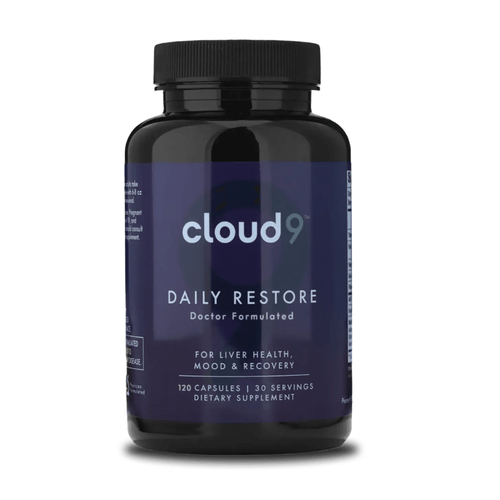
Cloud9 Daily Restore combines NAC, DHM, milk thistle, B vitamins, and ashwagandha to help support the pathways alcohol can tax most. Two capsules daily, drinking or not.
NAC | DHM | Milk Thistle | B Vitamins | Ashwagandha
See How Daily Restore WorksHow Cortisol Spikes Trigger Hangxiety Symptoms
When cortisol floods your system during a hangover, it doesn't just make you feel stressed. It creates a cascade of changes in your brain and body that directly fuel anxiety symptoms.
Neurotransmitter Disruption
Elevated cortisol interferes with the balance of key neurotransmitters that regulate mood and anxiety. GABA, your brain's primary calming neurotransmitter, becomes less effective when cortisol is high. At the same time, serotonin levels may drop, reducing your ability to feel calm and content.
This combination leaves your nervous system in a state of hyperarousal. You might feel jumpy, irritable, or unable to shake a sense of impending doom, even though nothing is actually wrong.
Physical Symptoms That Feed Anxiety
High cortisol also creates physical sensations that your brain interprets as threats. Your heart rate may increase, your muscles might tense, and you could experience digestive upset or shakiness. These bodily signals tell your brain that something is wrong, reinforcing anxious thoughts and creating a feedback loop.
Studies show that people who are more sensitive to cortisol fluctuations tend to experience more intense hangxiety. If you're already prone to anxiety, the cortisol spike can be especially challenging.
Timeline: When Cortisol Peaks and How Long Hangxiety Lasts
Understanding when cortisol spikes occur can help you anticipate and manage hangxiety more effectively. The timeline varies based on how much you drank, your metabolism, and your individual stress response, but there's a general pattern.
| Time After Drinking | What's Happening |
|---|---|
| 0-2 hours | Cortisol suppressed, relaxation peaks |
| 3-6 hours | Alcohol metabolism begins, cortisol starts rising |
| 6-12 hours | Cortisol peaks, hangxiety symptoms strongest |
| 12-24 hours | Cortisol begins to normalize, symptoms gradually ease |
| 24-48 hours | Full recovery for most people, though some may need longer |
This is why hangxiety often feels worst in the morning after a night of drinking. You're waking up right as cortisol hits its peak, compounded by the normal morning cortisol rise that happens naturally. It's a double dose of stress hormone at a time when your brain is already vulnerable.
Natural Ways to Lower Cortisol and Ease Hangxiety
The good news is that you can take specific steps to help your body regulate cortisol more quickly and reduce the intensity of hangxiety. These strategies work with your body's natural stress response rather than against it.
Adaptogenic Herbs and Supplements
Certain natural compounds have been shown to help modulate cortisol levels and support a calmer stress response. These aren't quick fixes, but they can make a meaningful difference.
- L-theanine: An amino acid found in green tea that promotes relaxation without drowsiness and may help buffer cortisol spikes
- Ashwagandha: An adaptogenic herb that research suggests can reduce cortisol levels and improve stress resilience
- Magnesium: A mineral that supports healthy cortisol metabolism and helps calm the nervous system (alcohol depletes magnesium, making supplementation especially helpful)
- B vitamins: Essential for adrenal function and stress response, often depleted by alcohol consumption
The key to managing hangxiety isn't just hydration and rest. It's supporting your body's stress response system so cortisol can return to normal levels more quickly and smoothly.
Movement and Breathwork
Gentle physical activity can help metabolize excess cortisol and signal to your body that the "threat" has passed. The key word here is gentle, you don't want to add more stress.
A slow walk, light stretching, or restorative yoga can be particularly effective. Research suggests that even 10-15 minutes of movement can help reduce cortisol levels. Avoid intense workouts, which can temporarily raise cortisol further and make you feel worse.
Breathwork is another powerful tool. Slow, deep breathing activates your parasympathetic nervous system, which counteracts the stress response. Try box breathing: inhale for four counts, hold for four, exhale for four, hold for four, and repeat for several minutes.
Sleep and Rest Optimization
Cortisol and sleep have a bidirectional relationship. High cortisol disrupts sleep quality, and poor sleep keeps cortisol elevated. If you can, prioritize rest the day after drinking, even if it's just lying down in a quiet, dark room.
Create conditions that support cortisol regulation: keep your room cool, use blackout curtains, and avoid screens at least an hour before attempting to sleep. If anxiety is keeping you awake, try a body scan meditation or progressive muscle relaxation rather than scrolling your phone.
Nutritional Support
What you eat after drinking can influence how quickly your cortisol normalizes. Focus on foods that stabilize blood sugar and provide the raw materials for neurotransmitter production.
- Protein-rich foods: Eggs, Greek yogurt, or lean meats provide amino acids needed for serotonin and GABA production
- Complex carbohydrates: Oats, sweet potatoes, or whole grains help stabilize blood sugar and support serotonin synthesis
- Healthy fats: Avocados, nuts, and olive oil support brain function and hormone production
- Antioxidant-rich foods: Berries, dark leafy greens, and green tea help combat the oxidative stress that alcohol creates
Avoid reaching for more alcohol to "take the edge off." While it might provide temporary relief, it will only prolong the cortisol disruption and extend your hangxiety.
Prevention: Managing Cortisol Response Before You Drink
While these strategies can help after the fact, you can also take proactive steps to minimize the cortisol spike before it happens. This doesn't eliminate hangxiety entirely, but it can significantly reduce its severity.
Baseline Stress Management
If you're already stressed when you drink, your cortisol system is primed for a more dramatic rebound. Managing daily stress through regular exercise, adequate sleep, and stress-reduction practices can create more resilience. People with better baseline cortisol regulation tend to experience less intense hangxiety.
Strategic Supplementation
Taking certain supplements before drinking may help buffer the cortisol response. Consider taking magnesium, B-complex vitamins, and L-theanine a few hours before you plan to drink. Some people also find that taking these same supplements before bed after drinking helps moderate the morning cortisol spike.
Drinking Patterns That Matter
How you drink affects the cortisol rebound. Spacing drinks out over time, alternating with water, and eating protein-rich foods while drinking can all help moderate the stress response. Binge drinking creates a much more dramatic cortisol disruption than moderate, paced consumption.
Pay attention to your personal patterns, too. If you notice that certain types of alcohol or drinking situations consistently lead to worse hangxiety, that information can help you make more informed choices.
How Daily Restore Supports Your Health
Understanding what your body needs is one thing. Getting consistent daily support is another. Daily Restore was designed to address the key pathways alcohol can stress most, in one simple daily formula.
NAC (N-Acetyl Cysteine)
Supports glutathione production and antioxidant defenses
DHM (Dihydromyricetin)
Supports alcohol metabolism
Milk Thistle (Silymarin)
Supports healthy liver function
B Vitamins
Help replenish nutrients involved in energy and metabolism
Ashwagandha
Supports stress resilience and healthy cortisol balance
Daily Restore is not a detox or a cure. It is a daily support formula designed for people who drink socially and want to give their body consistent, evidence-informed support.
Frequently Asked Questions
How long does hangxiety typically last?
Hangxiety symptoms can last anywhere from a few hours to a full day or more, depending on how much you drank and your individual cortisol response. Supporting your body with hydration, nutrient-rich foods, and stress-reducing supplements may help shorten the duration and ease the intensity of symptoms.
Can I take adaptogens the morning after drinking?
Yes, adaptogens like ashwagandha and rhodiola can be helpful when taken after drinking to support your body's stress response. However, consistent daily use tends to be more effective for building resilience over time, so consider making them part of your regular routine rather than just a reactive measure.
Why do some people get hangxiety while others don't?
Individual responses to alcohol vary based on genetics, baseline stress levels, sleep quality, and how efficiently your body metabolizes alcohol. People with naturally higher cortisol levels or those already dealing with anxiety may be more susceptible to experiencing hangxiety after drinking.
Is there a way to prevent hangxiety before it starts?
While you can't completely eliminate the risk, you can reduce it by drinking in moderation, staying hydrated, eating before and while drinking, and maintaining healthy stress management habits overall. Taking Daily Restore consistently can also help keep your baseline cortisol levels balanced, which may reduce the severity of hangxiety when it does occur.
Can hangxiety happen even if I don't feel physically hungover?
Absolutely. Hangxiety is driven by neurochemical and hormonal changes rather than dehydration or physical discomfort alone, so you can feel mentally anxious without the classic hangover symptoms. This disconnect can actually make hangxiety more confusing and distressing for many people.
The Bottom Line
Hangxiety isn't just in your head: it's a real physiological response driven by cortisol spikes, neurotransmitter depletion, and your body's rebound reaction to alcohol. Understanding the science behind it can help you approach those anxious mornings with more compassion and a clear plan for feeling better.
While there's no magic cure, supporting your body with hydration, balanced nutrition, gentle movement, and targeted supplements like ashwagandha, rhodiola, and L-theanine can help bring cortisol back down and ease anxiety symptoms. The key is consistency: building these habits into your daily routine creates a stronger foundation that may reduce the intensity of hangxiety when it does occur.
Cloud9's Daily Restore was designed with this exact challenge in mind. By combining clinically studied adaptogens and calming nutrients, it offers a convenient way to support balanced cortisol levels every day, not just when you're recovering from a night out. Think of it as part of your overall wellness toolkit: a simple, research-backed step toward feeling more grounded, resilient, and in control.
Whether you're dealing with occasional hangxiety or just looking to manage everyday stress more effectively, small consistent actions add up. Your body is working hard to find balance, and giving it the right support can make all the difference in how you feel, both mentally and physically.
Build Your Daily Support Routine
Build Your Daily Support Routine
If drinking is part of your lifestyle, your support routine should not be random. Daily Restore was designed to help social drinkers support liver health, antioxidant defenses, alcohol metabolism, nutrient replenishment, and daily recovery in one simple routine.
NAC
DHM
Milk Thistle
B Vitamins
Ashwagandha