

If you've ever noticed brain fog, anxiety, or trouble focusing the day after drinking, you're not imagining things. Alcohol creates a cascade of stress in your brain that can linger long after your last sip.
The good news? Ashwagandha, an adaptogenic herb used for centuries in traditional medicine, has emerged as a powerful ally in protecting your brain from alcohol-related stress. Research suggests it can help buffer your neurons from oxidative damage, calm inflammation, and support the recovery processes your brain desperately needs.
Here's how this ancient herb works to protect your most vital organ, and why it matters whether you drink occasionally or regularly.
Quick Take
- Alcohol triggers oxidative stress and inflammation in brain cells, contributing to cognitive decline and mental fog
- Ashwagandha contains withanolides that act as potent antioxidants, helping neutralize free radicals created by alcohol metabolism
- Studies show ashwagandha may support healthy cortisol levels, countering the stress hormone spike that alcohol creates
- The herb appears to protect mitochondria (your cells' power plants) from alcohol-induced damage
- Regular ashwagandha supplementation may help support memory, focus, and overall cognitive resilience in people who drink
What Alcohol Actually Does to Your Brain
When you drink, alcohol doesn't just affect your judgment and coordination. It triggers a complex stress response at the cellular level that can damage the delicate structures in your brain.
Alcohol metabolism produces acetaldehyde, a toxic compound that generates free radicals. These unstable molecules attack your neurons, damaging cell membranes and DNA. At the same time, alcohol disrupts your brain's carefully balanced neurotransmitter systems, flooding it with stress signals that can persist for days.
The result is what researchers call neuroinflammation: a state of chronic, low-grade inflammation in brain tissue. Over time, this inflammatory stress can impair memory formation, slow cognitive processing, and increase vulnerability to mood disorders.
Daily Support for Social Drinkers
Your liver works hard every day. Give it consistent support.
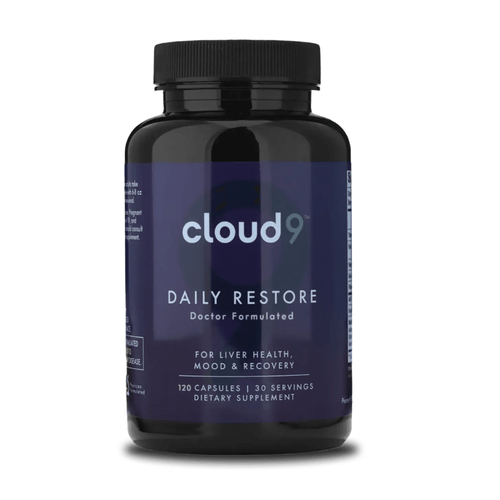
Cloud9 Daily Restore combines NAC, DHM, milk thistle, B vitamins, and ashwagandha to help support the pathways alcohol can tax most. Four capsules daily, drinking or not.
NAC | DHM | Milk Thistle | B Vitamins | Ashwagandha
See How Daily Restore WorksHow Ashwagandha Shields Your Brain Cells
Ashwagandha works through multiple pathways to protect your brain from alcohol's damaging effects. Its active compounds, called withanolides, function as powerful neuroprotective agents.
Neutralizing Oxidative Stress
The free radicals created by alcohol metabolism can overwhelm your brain's natural antioxidant defenses. Research suggests ashwagandha significantly boosts the activity of enzymes like superoxide dismutase and catalase, which neutralize these harmful molecules before they damage neurons.
This antioxidant action appears particularly concentrated in the hippocampus and prefrontal cortex, brain regions critical for memory and executive function. By supporting your cellular defense systems, ashwagandha may help prevent the oxidative cascade that alcohol initiates.
Calming Neuroinflammation
Studies show ashwagandha can help modulate inflammatory signaling pathways in the brain. It appears to reduce levels of pro-inflammatory cytokines, the chemical messengers that perpetuate the inflammatory response alcohol triggers.
This anti-inflammatory effect may explain why some people report clearer thinking and better mood when taking ashwagandha regularly. By quieting the inflammatory noise, the herb helps create conditions for neural repair and regeneration.

The Cortisol Connection: Stress Hormones and Alcohol
One of alcohol's most insidious effects is its impact on your stress hormone system. Even moderate drinking can spike cortisol levels, creating a physiological stress response that affects brain function.
Why Cortisol Matters for Brain Health
Chronically elevated cortisol can be toxic to brain cells, particularly in the hippocampus where memories form. It impairs neuroplasticity, reduces the birth of new neurons, and makes existing brain cells more vulnerable to damage.
Alcohol creates a double hit: it raises cortisol while simultaneously impairing your brain's ability to cope with that stress. This combination can accelerate cognitive decline and increase anxiety between drinking sessions.
How Ashwagandha Regulates the Stress Response
As an adaptogen, ashwagandha helps normalize your body's stress response rather than simply suppressing it. Research suggests it can lower cortisol levels in people experiencing chronic stress, bringing them back into a healthier range.
For regular drinkers, this cortisol-modulating effect may be particularly valuable. By helping maintain more balanced stress hormones, ashwagandha creates a less hostile environment for your brain cells to function and repair.
When your brain is constantly bathed in stress hormones from alcohol, even routine cognitive tasks become harder. Supporting your stress response system isn't just about feeling calmer, it's about giving your neurons the stable environment they need to thrive.
Protecting Your Brain's Power Supply
Your brain consumes about 20% of your body's total energy despite being only 2% of your body weight. That energy comes from mitochondria, the microscopic power plants inside your cells.
Alcohol directly damages mitochondria, reducing their ability to produce energy efficiently. This mitochondrial dysfunction contributes to the mental fatigue and cognitive sluggishness many people experience after drinking.
Mitochondrial Support and Neuroprotection
Studies suggest ashwagandha may help protect mitochondrial function in brain cells exposed to toxic stress. It appears to support the production of new, healthy mitochondria while protecting existing ones from oxidative damage.
This mitochondrial protection may explain why some research participants taking ashwagandha report improvements in mental clarity, processing speed, and sustained attention. When your brain cells have adequate energy, everything works better.
Comparing Brain Protection Strategies
| Approach | Mechanism | Timing Needed | Research Support |
|---|---|---|---|
| Ashwagandha | Antioxidant, anti-inflammatory, stress hormone regulation | Daily, ongoing | Strong for stress and neuroprotection |
| Hydration | Reduces dehydration effects, supports toxin clearance | Before, during, after drinking | Moderate, primarily symptom relief |
| B Vitamins | Supports alcohol metabolism, neurotransmitter production | Daily or after drinking | Strong for deficiency prevention |
| Limiting Consumption | Reduces total toxic exposure | Every drinking occasion | Very strong, most effective |
| Quality Sleep | Enables brain repair, toxin clearance via glymphatic system | After drinking, ongoing | Strong for recovery support |
What to Expect When Taking Ashwagandha
Ashwagandha isn't a quick fix that reverses alcohol damage overnight. It works gradually, supporting your brain's natural protective and repair mechanisms over time.
Realistic Timeline for Benefits
Most research suggests noticeable benefits appear after 4-8 weeks of consistent use. Some people report feeling calmer and sleeping better within the first two weeks, but cognitive improvements typically take longer to manifest.
The neuroprotective effects are happening at the cellular level long before you consciously notice changes. Think of ashwagandha as building resilience rather than providing immediate symptom relief.
Dosing and Quality Considerations
Studies showing brain benefits typically use 300-600mg of standardized ashwagandha extract daily. The standardization matters: look for products standardized to contain at least 5% withanolides, the active compounds responsible for neuroprotection.
- Take with food to improve absorption and reduce any potential stomach upset
- Consistency matters more than timing: choose a schedule you can maintain daily
- Full-spectrum extracts may offer broader benefits than isolated compounds
- Quality varies significantly between brands, so third-party testing is important
Who Benefits Most
Ashwagandha's brain-protective effects may be particularly valuable for people who drink regularly, even in moderate amounts. If you notice increased stress, anxiety, or cognitive fog that seems connected to your drinking patterns, supporting your brain's stress response system makes sense.
It's also worth considering if you have a family history of cognitive decline or are in a high-stress life phase that includes social drinking. Prevention is always easier than reversal.
How Daily Restore Supports Your Health
Understanding what your body needs is one thing. Getting consistent daily support is another. Daily Restore was designed to address the key pathways alcohol can stress most, in one simple daily formula.
NAC (N-Acetyl Cysteine)
Supports glutathione production and antioxidant defenses
DHM (Dihydromyricetin)
Supports alcohol metabolism
Milk Thistle (Silymarin)
Supports healthy liver function
B Vitamins
Help replenish nutrients involved in energy and metabolism
Ashwagandha
Supports stress resilience and healthy cortisol balance
Daily Restore is not a detox or a cure. It is a daily support formula designed for people who drink socially and want to give their body consistent, evidence-informed support.
Frequently Asked Questions
How long does it take for ashwagandha to start protecting the brain from alcohol-related stress?
Research suggests that ashwagandha's adaptogenic effects typically become noticeable within 2-4 weeks of consistent daily use. Some people report feeling calmer and more balanced within the first week, though the full neuroprotective benefits develop over time with regular supplementation. For best results, ashwagandha should be taken daily, not just on drinking occasions.
Can ashwagandha completely prevent brain damage from alcohol?
While ashwagandha offers significant neuroprotective benefits, it cannot eliminate all risks associated with alcohol consumption. Studies show it can help reduce oxidative stress and support healthy cortisol levels, but it works best as part of a comprehensive approach that includes moderation, hydration, and overall healthy lifestyle choices. It's a supportive tool, not a complete shield.
Is it safe to take ashwagandha every day?
Clinical studies have shown that ashwagandha is generally safe for daily use at doses between 300-600mg for extended periods. Most research participants have taken it continuously for 8-12 weeks without adverse effects. As with any supplement, it's wise to consult with a healthcare provider if you have existing health conditions or take medications, particularly thyroid medications or sedatives.
Does ashwagandha interact with alcohol when taken together?
Ashwagandha does not appear to have dangerous interactions with alcohol, though it may enhance alcohol's sedative effects in some individuals. The adaptogen works best when taken consistently as part of your daily routine rather than only on occasions when you drink. This allows the herb to build up its protective compounds in your system over time.
What form of ashwagandha is most effective for brain protection?
Full-spectrum ashwagandha root extract standardized to contain withanolides (the active compounds) tends to be most effective in research settings. Look for supplements that provide between 300-600mg of extract per serving with at least 5% withanolides. The consistency of daily intake matters more than the specific time of day you take it.
The Bottom Line
Alcohol creates real stress in your brain through oxidative damage, inflammation, and disrupted cortisol patterns. While your body has natural defense mechanisms, modern drinking habits can overwhelm these systems. Ashwagandha offers research-backed support by helping to neutralize oxidative stress, maintain healthy cortisol levels, and protect neural pathways from alcohol-induced damage.
The key to ashwagandha's effectiveness lies in consistent daily use, not sporadic supplementation. When taken regularly, this ancient adaptogen can help build resilience in your brain's stress response systems. It works best as part of a broader approach that includes mindful drinking, proper hydration, quality sleep, and nutrient-dense nutrition.
Cloud9's Daily Restore delivers a therapeutic dose of full-spectrum ashwagandha alongside complementary ingredients designed to support your body's natural recovery processes. By making it part of your daily routine, you're giving your brain consistent support against the oxidative and inflammatory stress that alcohol creates. It's not about perfection, it's about giving your body the tools it needs to stay balanced.
Whether you drink occasionally or regularly, protecting your brain from unnecessary stress is an investment in your long-term cognitive health and wellbeing. Daily Restore makes it simple to add this protection to your routine, one capsule at a time.
Build Your Daily Support Routine
Build Your Daily Support Routine
If drinking is part of your lifestyle, your support routine should not be random. Daily Restore was designed to help social drinkers support liver health, antioxidant defenses, alcohol metabolism, nutrient replenishment, and daily recovery in one simple routine.
NAC
DHM
Milk Thistle
B Vitamins
Ashwagandha