

You're not a heavy drinker. Maybe it's a few glasses of wine after work, cocktails on weekends, or regular social drinking that feels perfectly normal. But here's what most people don't realize: even moderate alcohol consumption triggers a cascade of cellular damage in your liver that accumulates silently over time.
Your liver processes every drop of alcohol you consume, and that processing comes at a steep biological cost. Understanding how alcohol damages your liver at the microscopic level isn't about fear or guilt. It's about making informed choices and knowing which ingredients can genuinely support your body's natural repair mechanisms.
Let's break down exactly what happens inside your liver cells when you drink, and what science tells us about supporting recovery.
Quick Take
- Alcohol metabolism creates acetaldehyde, a toxic compound that depletes glutathione and triggers oxidative stress in liver cells
- Even moderate drinking causes fatty liver changes as your liver prioritizes processing alcohol over metabolizing fats
- Chronic inflammation from regular alcohol consumption can progress from reversible damage to permanent scarring
- NAC, milk thistle, and B vitamins help support the specific pathways damaged by alcohol metabolism
- Supporting your liver's natural antioxidant systems can help counteract oxidative damage from social drinking
What Actually Happens When Your Liver Processes Alcohol
Your liver treats alcohol as a toxin because, biochemically speaking, it is one. When you drink, liver cells immediately begin breaking down ethanol through a two-step process. First, an enzyme called alcohol dehydrogenase converts ethanol into acetaldehyde, a highly reactive compound that's significantly more toxic than alcohol itself.
Acetaldehyde doesn't stick around long under normal circumstances. Another enzyme, aldehyde dehydrogenase, quickly converts it into acetate, which your body can eventually eliminate. But here's the problem: during this conversion process, your liver cells generate massive amounts of reactive oxygen species (free radicals) that attack cellular structures like DNA, proteins, and cell membranes.
This isn't hypothetical damage. Research shows that even a single drinking session creates measurable oxidative stress in liver tissue. For regular drinkers, this oxidative assault becomes a chronic condition that your liver must constantly fight against.
Daily Support for Social Drinkers
Your liver works hard every day. Give it consistent support.
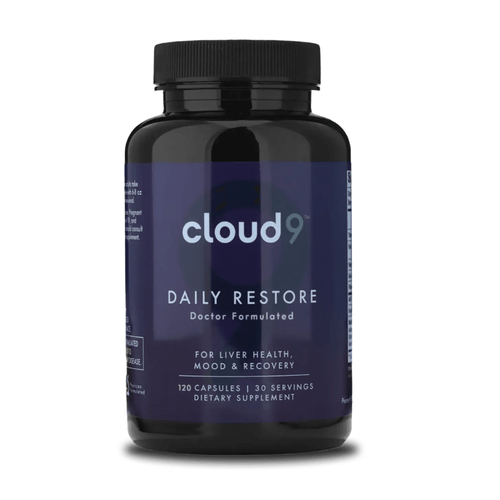
Cloud9 Daily Restore combines NAC, DHM, milk thistle, B vitamins, and ashwagandha to help support the pathways alcohol can tax most. Two capsules daily, drinking or not.
NAC | DHM | Milk Thistle | B Vitamins | Ashwagandha
See How Daily Restore WorksThe Four Pathways of Alcohol-Induced Liver Damage
Oxidative Stress: Your Cells Under Attack
Think of oxidative stress as cellular rust. When your liver metabolizes alcohol, it produces free radicals faster than your antioxidant systems can neutralize them. These unstable molecules steal electrons from healthy cellular components, creating a chain reaction of damage.
The mitochondria, your cells' energy factories, are particularly vulnerable. Alcohol-induced oxidative stress damages mitochondrial membranes, reducing your liver's ability to produce energy efficiently. This is one reason why heavy drinkers often feel chronically fatigued, even when they're not actively hungover.
Your body has natural defenses against oxidative stress, but alcohol consumption depletes them faster than they can regenerate. This imbalance is where targeted nutritional support becomes critically important.
Glutathione Depletion: Losing Your Master Antioxidant
Glutathione is your liver's most powerful antioxidant and detoxification molecule. Every liver cell contains high concentrations of glutathione specifically to handle toxic exposures. When you drink alcohol, your liver rapidly depletes its glutathione stores in two ways.
First, glutathione directly binds to acetaldehyde to neutralize it, using up available reserves. Second, the oxidative stress from alcohol metabolism consumes additional glutathione as your cells try to repair free radical damage. Studies show that even moderate drinking can reduce liver glutathione levels by 20 to 30 percent.
The problem compounds over time. Without adequate glutathione, your liver becomes increasingly vulnerable to the very toxins it's trying to process. This creates a downward spiral where each drinking session leaves your liver slightly less protected than before.
Inflammation: From Acute Response to Chronic Damage
Inflammation is your liver's emergency response system. When liver cells detect damage from acetaldehyde and oxidative stress, they release inflammatory signaling molecules called cytokines. In the short term, this inflammation helps recruit immune cells to clean up damaged tissue.
But regular alcohol consumption turns acute inflammation into a chronic condition. Your liver essentially stays in a constant state of emergency response. Persistent inflammation activates specialized cells called hepatic stellate cells, which begin depositing collagen and scar tissue in an attempt to "patch" the damaged areas.
This is how reversible liver damage progresses toward fibrosis and cirrhosis. The inflammation itself becomes more damaging than the original insult, creating a self-perpetuating cycle of injury and repair.
Fatty Liver: When Your Liver Drowns in Fat
Alcohol fundamentally disrupts how your liver handles fat metabolism. Normally, your liver breaks down fatty acids for energy or packages them for transport to other tissues. Alcohol metabolism interferes with both processes simultaneously.
When your liver is busy processing alcohol, it deprioritizes fat metabolism. The enzymes needed to break down fatty acids get redirected to alcohol metabolism instead. Meanwhile, alcohol metabolism itself generates excess acetyl-CoA, which your liver converts into fatty acids and triglycerides.
The result is predictable: fat accumulates inside liver cells. Research suggests that fatty liver changes can appear after just a few weeks of regular moderate drinking. While early-stage fatty liver is reversible, it sets the stage for more serious inflammation and fibrosis if drinking continues.
| Stage of Damage | What's Happening | Reversibility |
|---|---|---|
| Oxidative Stress | Free radicals damage cell membranes, proteins, and DNA; mitochondrial function declines | Highly reversible with abstinence and antioxidant support |
| Fatty Liver | Fat accumulates in liver cells; liver becomes enlarged and less efficient | Reversible within weeks to months of reduced alcohol intake |
| Inflammation | Immune cells infiltrate liver tissue; cytokines signal ongoing damage response | Reversible if caught early; can progress to fibrosis if chronic |
| Fibrosis | Scar tissue begins replacing healthy liver tissue; liver architecture changes | Partially reversible in early stages; becomes permanent in advanced stages |
The Ingredients That Support Liver Repair Pathways
N-Acetyl Cysteine (NAC): Rebuilding Glutathione Reserves
NAC is a precursor to glutathione, meaning your body uses it as a raw material to synthesize this critical antioxidant. Unlike glutathione supplements, which break down in your digestive system, NAC survives digestion and gets absorbed into your bloodstream intact.
Once inside your cells, NAC provides the cysteine amino acid that's typically the rate-limiting factor in glutathione production. Research shows that NAC supplementation can increase liver glutathione levels within hours of consumption. This makes it particularly valuable for supporting your liver's antioxidant capacity after drinking.
Clinical studies have used NAC doses ranging from 600mg to 1800mg daily for liver support. The compound has an excellent safety profile and works synergistically with other antioxidants to provide broader cellular protection.
Milk Thistle (Silymarin): Protecting Cell Membranes
Milk thistle has been used for liver support for over 2,000 years, and modern research has identified why it's effective. The active compound, silymarin, is a powerful antioxidant that concentrates specifically in liver tissue.
Silymarin works through multiple mechanisms. It stabilizes liver cell membranes, making them more resistant to oxidative damage. It also appears to stimulate protein synthesis in liver cells, potentially supporting the regeneration of damaged tissue. Some research suggests it may help regulate inflammatory pathways as well.
Studies examining milk thistle for alcohol-related liver concerns typically use standardized extracts containing 70 to 80 percent silymarin, with daily doses ranging from 280mg to 800mg of silymarin content. The compound is fat-soluble, so taking it with food improves absorption.
B Vitamins: Supporting the Methylation Pathway
Alcohol interferes with B vitamin absorption and increases how quickly your body depletes them. This matters because B vitamins, particularly B6, B9 (folate), and B12, are essential for methylation, a biochemical process that supports glutathione recycling and helps repair damaged DNA.
Thiamine (B1) deserves special attention. Chronic alcohol consumption severely depletes thiamine, which is critical for energy metabolism and nervous system function. Low thiamine is associated with several serious complications in heavy drinkers.
A comprehensive B complex supplement can help maintain adequate levels of these vitamins, supporting the numerous enzyme systems that alcohol metabolism taxes. This is particularly important for regular drinkers whose dietary B vitamin intake may already be marginal.
Alpha Lipoic Acid: The Universal Antioxidant
Alpha lipoic acid (ALA) is unique among antioxidants because it's both water and fat-soluble, allowing it to work throughout your cells, including inside mitochondria. This makes it particularly valuable for addressing the mitochondrial damage that alcohol causes.
ALA also helps regenerate other antioxidants, including vitamin C, vitamin E, and glutathione. After these antioxidants neutralize free radicals, they become oxidized themselves. ALA can restore them to their active forms, effectively extending their antioxidant capacity.
Research on ALA for liver health has used doses ranging from 300mg to 600mg daily. The compound appears to support healthy insulin sensitivity as well, which may help address the metabolic dysfunction that contributes to fatty liver development.
Your liver has remarkable regenerative capacity, but that capacity depends on having the raw materials available for cellular repair. Supporting the specific pathways that alcohol damages, rather than taking a generic "detox" approach, makes the difference between meaningful support and wishful thinking.
Why Social Drinkers Should Care About Liver Support
The conversation around liver health tends to focus on heavy drinkers and alcoholism, but the biology doesn't distinguish between "social" and "problem" drinking. Your liver cells respond to alcohol exposure the same way regardless of your intentions or social context.
Research shows that even moderate drinking patterns, defined as one to two drinks per day, create measurable oxidative stress and can lead to fatty liver changes over time. The cumulative nature of this damage means that years of "moderate" drinking may pose more risk than occasional heavy drinking episodes, though neither pattern is ideal.
The good news is that early-stage liver damage is highly reversible. Supporting your liver's natural repair mechanisms while you're still in the reversible stages makes considerably more sense than waiting until damage becomes permanent. This is where consistent nutritional support becomes a practical strategy for regular drinkers who aren't ready to give up alcohol entirely.
Timing Matters: When to Take Liver Support Ingredients
The question of timing, whether to take liver support supplements before drinking, after drinking, or daily, depends on understanding how these ingredients work. NAC, for example, works best when taken before alcohol consumption because it helps maintain glutathione levels during the peak period of oxidative stress.
Other ingredients like milk thistle and alpha lipoic acid provide broader cellular protection that accumulates with consistent daily use. Taking them sporadically before drinking sessions won't build the tissue concentrations needed for optimal benefit.
The most effective approach combines both strategies: daily baseline support to maintain your liver's antioxidant capacity, with particular attention to timing NAC intake before drinking occasions. This provides both preventive protection and acute support during periods of higher oxidative stress.
What Liver Support Can and Cannot Do
It's important to be realistic about what nutritional support can accomplish. These ingredients help support your liver's natural detoxification and repair processes, but they don't eliminate the damage that alcohol causes. They're harm reduction tools, not free passes to drink without consequence.
No supplement will prevent liver disease in someone who drinks heavily and consistently. The most important factor in liver health remains the total amount of alcohol consumed over time. Nutritional support works best as part of a broader approach that includes moderating intake, taking regular alcohol-free days, and maintaining overall health through diet and exercise.
That said, for people who drink regularly at moderate levels and want to support their liver health proactively, the right combination of ingredients can make a meaningful difference in oxidative stress markers and overall liver function.
How Daily Restore Supports Your Liver
Understanding what your liver needs is one thing. Getting consistent daily support is another. Daily Restore was designed to address the key pathways alcohol can stress most, in one simple daily formula.
NAC (N-Acetyl Cysteine)
Supports glutathione production and antioxidant defenses
DHM (Dihydromyricetin)
Supports alcohol metabolism
Milk Thistle (Silymarin)
Supports healthy liver function
B Vitamins
Help replenish nutrients involved in energy and liver metabolism
Ashwagandha
Supports stress resilience and healthy cortisol balance
Daily Restore is not a detox or a cure. It is a daily support formula designed for people who drink socially and want to give their liver consistent, evidence-informed support.
Frequently Asked Questions
How much alcohol does it take to damage your liver?
There's no absolute safe threshold, but research suggests that regularly consuming more than one drink per day for women or two for men can begin to stress liver function over time. The damage is often cumulative and silent, which is why consistent support matters even for moderate drinkers.
Can liver damage from alcohol be reversed?
In many cases, yes. The liver has remarkable regenerative capacity, especially in the early stages of fatty liver disease. With reduced alcohol intake, proper nutrition, and targeted support from ingredients like milk thistle and NAC, many people see improvements in liver enzymes and overall function.
How long does it take for the liver to repair itself after drinking?
Initial recovery can begin within days of reducing alcohol consumption, but meaningful repair typically takes weeks to months depending on the extent of damage. Consistency is key: daily support with liver-protective nutrients can help optimize your body's natural repair processes during this window.
What are the first signs of liver damage from alcohol?
Early liver damage often has no obvious symptoms, which is why it's called "silent." Some people may notice fatigue, digestive discomfort, or a general sense of sluggishness. By the time symptoms like jaundice or abdominal pain appear, damage may be more advanced, making prevention and early support essential.
Do liver support supplements actually work?
Research suggests that certain ingredients, particularly milk thistle, NAC, and B vitamins, can support liver health by promoting detoxification, reducing oxidative stress, and aiding cellular repair. While supplements aren't a replacement for reducing alcohol intake, they can be a valuable part of a comprehensive approach to liver wellness.
The Bottom Line
Your liver works tirelessly behind the scenes, processing everything you consume and protecting your body from toxins. Even moderate, social drinking creates oxidative stress and metabolic burden that can accumulate over time, often without obvious warning signs until damage becomes significant.
The good news is that your liver is remarkably resilient when given the right support. Ingredients like milk thistle, NAC, DHM, and essential B vitamins work together to help neutralize alcohol's toxic byproducts, support natural detoxification pathways, and promote cellular repair. These aren't quick fixes, but rather daily investments in long-term liver health.
Cloud9's Daily Restore was designed specifically for people who enjoy drinking socially but want to be proactive about their health. By combining research-backed ingredients in effective doses, it offers convenient, consistent support that fits seamlessly into your routine, helping your liver handle what you ask of it.
Whether you're looking to maintain healthy liver function, recover more easily after drinks, or simply give your body the tools it needs to process alcohol more efficiently, the best time to start supporting your liver is now, before symptoms appear. Small, consistent actions today can make a meaningful difference in how you feel tomorrow and for years to come.
Build Your Daily Support Routine
Build Your Daily Support Routine
If drinking is part of your lifestyle, your support routine should not be random. Daily Restore was designed to help social drinkers support liver health, antioxidant defenses, alcohol metabolism, nutrient replenishment, and daily recovery in one simple routine.
NAC
DHM
Milk Thistle
B Vitamins
Ashwagandha