

You already know alcohol affects your body. But what's happening inside your brain, your mood, and your mental state often goes unnoticed until the effects have already taken hold.
Many people use a drink to unwind, celebrate, or cope with stress without realizing that alcohol can quietly reshape their emotional landscape. The relationship between drinking and mental wellbeing runs deeper than most of us think, influencing everything from daily anxiety levels to long-term depression risk.
If you've ever wondered why your mood feels off after drinking, or why that glass of wine meant to relax you sometimes leaves you feeling worse, understanding the true mental health impact of alcohol can help you make choices that actually support how you want to feel.
Quick Take
- Alcohol temporarily boosts mood but disrupts brain chemistry for days afterward, often worsening anxiety and depression
- Even moderate drinking interferes with REM sleep, affecting emotional regulation and stress resilience
- Regular alcohol use can create a cycle where you drink to manage the very symptoms that drinking causes
- The mental health effects of alcohol compound over time, making occasional low moods more persistent
- Reducing or eliminating alcohol can significantly improve mood, anxiety levels, and overall emotional wellbeing within weeks
The Brain Chemistry Behind Alcohol and Mood
Alcohol is a central nervous system depressant, which means it slows down brain function and alters the way neurotransmitters communicate. When you drink, alcohol initially triggers a release of dopamine and endorphins, creating those feelings of relaxation and euphoria. This is why that first drink can feel so good after a stressful day.
But your brain doesn't just accept this chemical interference passively. Research suggests that as alcohol leaves your system, your brain overcompensates by reducing the production of these feel-good chemicals and increasing stress hormones like cortisol. This rebound effect can last for several days, leaving you feeling more anxious, irritable, or low than you did before you had that drink.
The impact goes beyond a simple hangover. Studies show that regular alcohol consumption can fundamentally alter your brain's reward system, making it harder to feel pleasure from everyday activities and more reliant on alcohol for emotional relief. This creates a challenging cycle where the very thing you're using to manage stress may actually be amplifying it.
Daily Support for Social Drinkers
Your liver works hard every day. Give it consistent support.
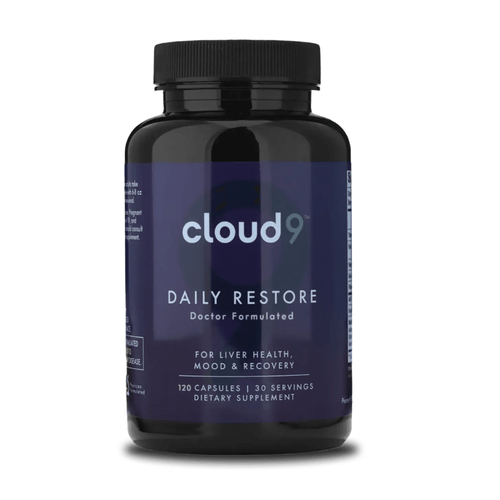
Cloud9 Daily Restore combines NAC, DHM, milk thistle, B vitamins, and ashwagandha to help support the pathways alcohol can tax most. Two capsules daily, drinking or not.
NAC | DHM | Milk Thistle | B Vitamins | Ashwagandha
See How Daily Restore WorksHow Alcohol Fuels Anxiety and Depression
The relationship between alcohol and mental health conditions like anxiety and depression is bidirectional and complex. Many people drink to self-medicate uncomfortable feelings, but alcohol can actually worsen these conditions over time.
The Anxiety Rebound Effect
While alcohol initially suppresses anxiety by enhancing GABA (a calming neurotransmitter) and reducing glutamate (an excitatory neurotransmitter), your brain fights back against this artificial calm. Within hours of your last drink, this process reverses dramatically, often leaving you feeling more anxious than before you drank.
This "hangxiety" isn't just psychological. Research suggests it's a genuine neurochemical withdrawal that can include racing thoughts, increased heart rate, and heightened stress responses. For some people, this rebound anxiety can persist for days after drinking stops.
Depression and the Dopamine Drain
Alcohol floods your brain with dopamine in the short term, but chronic drinking depletes your natural dopamine reserves. This depletion can contribute to symptoms of depression, including low motivation, anhedonia (inability to feel pleasure), and persistent sadness.
Studies show that people who drink regularly are more likely to experience depressive episodes, and those with existing depression often find their symptoms worsen with continued alcohol use. The temporary mood boost comes at the cost of your baseline emotional state.
Sleep Disruption and Mental Health
One of alcohol's most underestimated impacts on mental wellbeing comes through its effects on sleep. Many people rely on alcohol as a sleep aid, and while it can help you fall asleep faster, the quality of that sleep is significantly compromised.
The REM Sleep Robbery
Alcohol suppresses REM (rapid eye movement) sleep, the stage crucial for emotional processing, memory consolidation, and mental restoration. Even moderate drinking can reduce REM sleep by up to 24%, leaving you emotionally fragile and cognitively foggy the next day.
Without adequate REM sleep, your brain struggles to process emotions effectively, regulate mood, and maintain stress resilience. This is why you might find yourself more tearful, irritable, or overwhelmed after drinking, even if you slept for eight hours.
The Sleep-Mood Connection
Poor sleep quality directly impacts mental health. Research consistently links disrupted sleep with increased rates of anxiety, depression, and emotional dysregulation. When alcohol becomes a regular part of your evening routine, you're essentially guaranteeing chronic sleep disruption and, by extension, ongoing mental health challenges.
The quality of your sleep shapes the quality of your mental health more than almost any other factor. When alcohol repeatedly interferes with restorative sleep, it's not just your energy that suffers, it's your entire emotional foundation.
The Cumulative Effects Over Time
Understanding how alcohol affects mental wellbeing isn't just about the morning after. The real impact becomes clear when you look at patterns over weeks, months, and years.
How Drinking Patterns Affect Mental Health
| Drinking Pattern | Mental Health Impact | Recovery Time |
|---|---|---|
| Occasional (1-2 times/month) | Temporary mood dip, mild anxiety rebound | 2-3 days |
| Moderate (2-3 times/week) | Elevated baseline anxiety, disrupted sleep patterns, mood instability | 1-2 weeks |
| Regular (4+ times/week) | Chronic anxiety/depression symptoms, emotional dysregulation, reduced stress resilience | 4-6 weeks |
| Heavy/Daily | Significant mental health deterioration, dependency-related anxiety, depressive episodes | 2-6 months |
The Self-Medication Trap
One of the most challenging aspects of alcohol's impact on mental wellbeing is the cycle it creates. You feel anxious or stressed, so you drink to relax. The drinking temporarily works, but then leaves you feeling worse, which makes you more likely to drink again to find relief.
This pattern can develop gradually and often goes unrecognized. You might not connect your midweek anxiety with your weekend drinking, or realize that your persistent low mood correlates with your nightly wine habit. Breaking this cycle requires recognizing that alcohol may be contributing to the very feelings you're trying to escape.
Signs Your Mental Health May Be Affected
Pay attention to these indicators that alcohol might be impacting your mental wellbeing:
- You feel noticeably more anxious or low in the days following drinking
- Your mood feels increasingly dependent on whether or not you've had a drink
- You're using alcohol specifically to manage stress, anxiety, or uncomfortable emotions
- Your sleep quality has declined, even when you sleep through the night
- You find it harder to cope with everyday stressors than you used to
- Activities that once brought you joy feel less satisfying
- Your baseline mood has shifted to be more negative or flat
- You feel emotionally numb or disconnected from your feelings
What Changes When You Cut Back or Quit
The good news is that many of alcohol's effects on mental wellbeing are reversible. When you reduce or eliminate drinking, your brain begins to recalibrate and restore its natural balance.
The Timeline of Mental Health Recovery
Within the first week of reducing alcohol intake, many people notice improved sleep quality and slightly better mood stability. The acute anxiety rebound stops, and your baseline emotional state begins to normalize.
By two to four weeks, research suggests significant improvements in anxiety levels, depressive symptoms, and overall emotional regulation. Your brain's neurotransmitter systems start to rebalance, and you may notice you're better able to experience pleasure from everyday activities.
After three to six months, many people report substantial improvements in mental health, including reduced anxiety and depression symptoms, better stress management, improved self-esteem, and greater emotional resilience. Your brain's reward system continues to heal, making it easier to feel good without needing alcohol.
What People Experience
Those who have reduced their drinking or stopped altogether often describe profound shifts in their mental wellbeing. Common experiences include waking up without the cloud of anxiety, feeling more emotionally available and present, handling stress more effectively, experiencing more consistent positive moods, and rediscovering genuine enjoyment in activities.
The absence of alcohol doesn't just mean avoiding the negative effects, it creates space for your natural mental health mechanisms to work properly. Your brain can finally do what it's designed to do: regulate emotions, process stress, and maintain psychological balance.
How Daily Restore Supports Your Health
Understanding what your body needs is one thing. Getting consistent daily support is another. Daily Restore was designed to address the key pathways alcohol can stress most, in one simple daily formula.
NAC (N-Acetyl Cysteine)
Supports glutathione production and antioxidant defenses
DHM (Dihydromyricetin)
Supports alcohol metabolism
Milk Thistle (Silymarin)
Supports healthy liver function
B Vitamins
Help replenish nutrients involved in energy and metabolism
Ashwagandha
Supports stress resilience and healthy cortisol balance
Daily Restore is not a detox or a cure. It is a daily support formula designed for people who drink socially and want to give their body consistent, evidence-informed support.
Frequently Asked Questions
How long does it take for mental health to improve after cutting back on alcohol?
Many people notice improvements in mood and sleep quality within the first week of reducing alcohol intake. However, more significant changes to anxiety levels and overall emotional stability can take several weeks as your brain chemistry gradually rebalances and your body restores depleted nutrients.
Can moderate drinking still affect my mental wellbeing?
Yes, even moderate alcohol consumption can impact mental health in subtle ways. Research suggests that regular drinking, even within recommended limits, can disrupt sleep architecture, deplete B vitamins essential for mood regulation, and contribute to increased anxiety levels over time.
Why do I feel more anxious the day after drinking?
This phenomenon, often called "hangxiety," occurs because alcohol initially increases GABA activity (your brain's calming neurotransmitter) and then causes a rebound effect as it wears off. Your nervous system becomes hyperactive as it tries to rebalance itself, leading to heightened anxiety, irritability, and emotional sensitivity.
What nutrients does alcohol deplete that affect mental health?
Alcohol consumption can significantly reduce levels of B vitamins (especially B1, B6, and B12), magnesium, zinc, and amino acids like glutamine and tryptophan. These nutrients play crucial roles in neurotransmitter production, stress response, and mood regulation, which is why supplementation can help support mental wellbeing during and after drinking.
Can supplements really help with alcohol-related mood changes?
While supplements aren't a replacement for reducing alcohol intake or seeking professional help when needed, targeted nutritional support can help replenish what alcohol depletes. Studies show that B vitamins, magnesium, and amino acids may support neurotransmitter function and help stabilize mood fluctuations associated with drinking.
The Bottom Line
Alcohol's impact on mental wellbeing extends far beyond the immediate buzz or next-day hangover. From disrupting the delicate balance of neurotransmitters to depleting essential nutrients your brain needs to regulate mood, regular drinking can create a cycle that quietly undermines your emotional health over time.
The good news is that awareness is the first step toward change. Whether you're looking to cut back, take occasional breaks, or simply support your body when you do drink, small shifts in your relationship with alcohol can lead to meaningful improvements in how you feel day to day.
This is where Daily Restore fits into your routine. Designed with the nutrients alcohol tends to deplete, including B vitamins, magnesium, and amino acids, it offers consistent support for your body's natural balance. Think of it as part of a broader approach to wellbeing, one that includes being more mindful about drinking, prioritizing sleep, and giving your body what it needs to function at its best.
Your mental health deserves the same attention you give to your physical health. By understanding how alcohol affects your mood, sleep, and emotional resilience, you're better equipped to make choices that support the life you actually want to live.
Build Your Daily Support Routine
Build Your Daily Support Routine
If drinking is part of your lifestyle, your support routine should not be random. Daily Restore was designed to help social drinkers support liver health, antioxidant defenses, alcohol metabolism, nutrient replenishment, and daily recovery in one simple routine.
NAC
DHM
Milk Thistle
B Vitamins
Ashwagandha