

You promised yourself you'd stop after two drinks. Now you're awake at 7 a.m., mouth dry as sandpaper, head pounding, and you've got a full day ahead. The usual coffee-and-couch approach might take until dinner to feel human again.
What if you could cut that recovery time significantly? Research suggests that the right combination of hydration, targeted nutrients, and gentle movement in the first 10 minutes after waking can help your body process alcohol byproducts more efficiently and restore balance faster.
This isn't about miracle cures or suffering through intense workouts. It's a simple, science-informed routine that works with your body's natural recovery processes to help you feel better in less time.
Quick Take
- Alcohol depletes electrolytes and B vitamins while creating inflammatory byproducts that cause hangover symptoms
- Strategic rehydration with electrolytes in the first 10 minutes can help restore fluid balance faster than water alone
- Gentle movement increases circulation and may help your liver process acetaldehyde more efficiently
- Blood sugar stabilization with simple nutrients can reduce nausea and energy crashes
- This routine combines hydration, targeted supplementation, and movement to support multiple recovery pathways simultaneously
Why Hangovers Hit So Hard (And Why Timing Matters)
When you drink alcohol, your body prioritizes metabolizing it above almost everything else. The liver breaks down ethanol into acetaldehyde, a toxic compound that's significantly more harmful than alcohol itself. This byproduct triggers inflammation, disrupts sleep quality, and creates oxidative stress throughout your body.
At the same time, alcohol acts as a diuretic, causing you to lose fluids and critical electrolytes like sodium, potassium, and magnesium. It also depletes B vitamins, particularly thiamine and B12, which are essential for energy production and nervous system function. Your blood sugar drops as your liver focuses on alcohol processing instead of glucose regulation.
The first hour after waking is crucial because your body is already in recovery mode. Supporting these natural processes early can help reduce the severity and duration of symptoms. Studies show that rehydration and nutrient replenishment are most effective when started immediately, before dehydration and nutrient deficits deepen.
Daily Support for Social Drinkers
Your liver works hard every day. Give it consistent support.
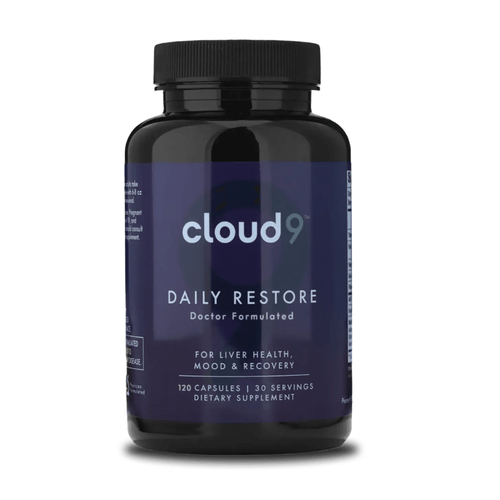
Cloud9 Daily Restore combines NAC, DHM, milk thistle, B vitamins, and ashwagandha to help support the pathways alcohol can tax most. Two capsules daily, drinking or not.
NAC | DHM | Milk Thistle | B Vitamins | Ashwagandha
See How Daily Restore WorksThe 10-Minute Hangover Recovery Routine
This routine is designed to address the three primary causes of hangover symptoms: dehydration, nutrient depletion, and toxic byproduct accumulation. Each step takes just a minute or two and works synergistically with the others.
Minutes 1-3: Strategic Rehydration
Before you even get out of bed, start with hydration that goes beyond plain water. Your body has lost significant fluids and electrolytes overnight, and replacing both is essential for faster recovery.
What to do: Drink 16-20 ounces of water mixed with a quality electrolyte blend or a pinch of sea salt and a squeeze of lemon. Keep this prepared on your nightstand the night before if possible. The combination of sodium, potassium, and glucose helps your intestines absorb water more efficiently than water alone.
- Coconut water provides natural electrolytes and potassium
- A quality electrolyte powder should contain sodium, potassium, and magnesium
- Avoid sugary sports drinks that can cause blood sugar spikes and crashes
- Room temperature fluids are easier on a sensitive stomach than cold water
Minutes 4-5: Nutrient Support
Your body has burned through B vitamins and antioxidants while processing alcohol. Replacing these quickly can help support energy production and reduce oxidative stress.
What to take: A B-complex vitamin and 500-1000mg of vitamin C. Research suggests these nutrients support liver function and may help neutralize free radicals created during alcohol metabolism. If you have dihydromyricetin (DHM) or NAC (N-acetylcysteine) available, these compounds have shown promise in supporting alcohol metabolism.
Minutes 6-7: Blood Sugar Stabilization
Low blood sugar contributes significantly to hangover fatigue, shakiness, and mood changes. A small amount of easily digestible food can help stabilize glucose levels without overwhelming your stomach.
What to eat: Choose something simple like a banana with a tablespoon of almond butter, a slice of whole grain toast with avocado, or a handful of crackers with cheese. You want a combination of quick-acting carbohydrates and a small amount of protein or fat to prevent blood sugar swings.
The goal isn't to eat a full meal. You're giving your body just enough fuel to stabilize blood sugar and support the recovery processes already underway.
Minutes 8-10: Gentle Movement
This is counterintuitive when you feel terrible, but light movement can help. Gentle activity increases circulation, which may help your liver and kidneys process and eliminate alcohol byproducts more efficiently. It also triggers the release of endorphins, which can help with pain and mood.
What to do: Two to three minutes of very gentle stretching or slow walking. Think of this as movement that raises your heart rate just slightly, not exercise. Focus on deep breathing, gentle twists to support digestion, and simple stretches that feel good.
- Cat-cow stretches to ease back tension and support digestion
- Gentle neck rolls to release tension
- Slow walking around your home or outside if possible
- Light yoga poses like child's pose or legs-up-the-wall
What Happens Next: The 30-60 Minute Follow-Up
After completing the 10-minute routine, your body should start showing signs of improvement within 30 to 60 minutes. This doesn't mean you'll feel perfect, but many people report reduced headache intensity, less nausea, and improved energy compared to doing nothing.
Continue Hydration Throughout the Morning
Your initial rehydration was just the start. Aim to drink another 16-24 ounces of fluid per hour for the next few hours. Alternate between plain water and electrolyte drinks to maintain balance.
Choose Recovery-Supportive Foods
When you're ready for a real meal, focus on foods that support your body's continued recovery. Studies suggest that certain nutrients can help replenish what alcohol depleted and support liver function.
| Food Category | Why It Helps | Best Options |
|---|---|---|
| Eggs | High in cysteine, which supports glutathione production | Scrambled, poached, or in an omelet with vegetables |
| Leafy Greens | Rich in folate and antioxidants | Spinach smoothie, kale salad, or sautéed greens |
| Bone Broth | Provides electrolytes, amino acids, and is easy to digest | Sipped warm or used as a soup base |
| Berries | High in antioxidants that combat oxidative stress | Blueberries, strawberries, or mixed into yogurt |
| Sweet Potato | Complex carbs for sustained energy and potassium | Baked, mashed, or in a breakfast hash |
Rest Strategically
Alcohol disrupts sleep architecture, meaning the sleep you got while intoxicated wasn't quality rest. If possible, take a 20-30 minute nap in the late morning or early afternoon. Keep it short to avoid grogginess and don't nap too late, or you'll interfere with tonight's sleep.
Common Mistakes That Slow Recovery
Even with good intentions, certain approaches can actually extend your recovery time or make symptoms worse. Here's what to avoid in those crucial first hours.
Drinking Coffee Before Hydrating
Caffeine is a diuretic that can worsen dehydration. While that morning coffee might seem essential, it should come after you've rehydrated properly. If you must have coffee, wait until you've consumed at least 16 ounces of water and electrolytes first, and limit yourself to one cup.
Taking Acetaminophen (Tylenol)
Your liver is already working overtime to process alcohol byproducts. Acetaminophen adds additional strain and can increase the risk of liver damage when combined with alcohol. If you need pain relief for a headache, ibuprofen or aspirin are safer options, but take them with food to protect your stomach.
Eating Greasy Fast Food
The classic hangover burger might sound appealing, but heavy, fatty foods can slow digestion and make nausea worse when your stomach is already irritated. Save the indulgent meals for later in the day when your system has stabilized.
Ignoring Your Body's Signals
If you feel nauseous, don't force food. If you're exhausted, rest instead of pushing through. Your body is communicating what it needs for recovery. The 10-minute routine provides a foundation, but listening to your individual symptoms helps you adjust appropriately.
Why This Routine Works: The Science of Combined Strategies
The power of this approach isn't in any single step but in how they work together. Each element addresses a different aspect of alcohol's impact on your body, creating a comprehensive recovery strategy.
Rehydration with electrolytes restores fluid balance and supports cellular function. B vitamins help your mitochondria produce energy more efficiently. Blood sugar stabilization reduces stress hormones and supports brain function. Gentle movement enhances circulation, helping your organs process and eliminate toxins.
Research suggests that multi-pronged approaches to hangover recovery are more effective than single interventions. By supporting hydration, nutrition, and circulation simultaneously, you're giving your body the resources it needs to recover through multiple pathways at once.
How Daily Restore Supports Your Health
Understanding what your body needs is one thing. Getting consistent daily support is another. Daily Restore was designed to address the key pathways alcohol can stress most, in one simple daily formula.
NAC (N-Acetyl Cysteine)
Supports glutathione production and antioxidant defenses
DHM (Dihydromyricetin)
Supports alcohol metabolism
Milk Thistle (Silymarin)
Supports healthy liver function
B Vitamins
Help replenish nutrients involved in energy and metabolism
Ashwagandha
Supports stress resilience and healthy cortisol balance
Daily Restore is not a detox or a cure. It is a daily support formula designed for people who drink socially and want to give their body consistent, evidence-informed support.
Frequently Asked Questions
Can I exercise with a hangover to speed up recovery?
Light movement like walking or gentle yoga can help improve circulation and mood, but intense exercise may worsen dehydration and put additional stress on your already-taxed system. If you do move your body, keep it gentle and prioritize hydration before, during, and after.
Does coffee help or hurt hangover recovery?
Coffee can provide a temporary energy boost and may help with headache relief due to its vasoconstrictive properties, but it's also a diuretic that can worsen dehydration. If you drink coffee, make sure to pair it with extra water and consider waiting until you've rehydrated first.
How long does it typically take to fully recover from a hangover?
Most hangover symptoms peak when blood alcohol levels return to zero and can last anywhere from several hours to 24 hours, depending on how much you drank and individual factors like age, metabolism, and overall health. Following a targeted recovery routine can help reduce the duration and severity of symptoms considerably.
Are hangover pills and supplements actually effective?
Research suggests that certain nutrients like B vitamins, electrolytes, and antioxidants can support the body's natural recovery processes when alcohol has depleted these essential compounds. Quality matters significantly, as absorption rates and ingredient combinations vary widely between products.
What's the best thing to eat when hungover?
Focus on easily digestible foods that provide sustained energy and essential nutrients: eggs for cysteine and protein, bananas for potassium, toast or oatmeal for gentle carbohydrates, and broth-based soups for hydration and electrolytes. Avoid greasy or overly heavy foods that can further stress your digestive system.
The Bottom Line
Hangovers happen, but suffering through them for hours doesn't have to be inevitable. This 10-minute morning routine combines strategic hydration, nutrient replenishment, gentle movement, and symptom-targeted relief to support your body's natural recovery processes. While nothing can completely undo the effects of alcohol on your system, these evidence-based steps can help reduce the intensity and duration of hangover symptoms considerably.
The key is addressing multiple aspects of recovery at once: rehydration to restore fluid balance, electrolytes and vitamins to replace what alcohol depleted, light activity to boost circulation and mood, and whole foods to stabilize blood sugar and provide sustained energy. When these elements work together, most people notice meaningful improvement within 30 to 60 minutes.
For those who want a more consistent approach to wellness and recovery, Cloud9's Daily Restore offers a convenient way to ensure your body has the nutrients it needs, whether you're bouncing back from a night out or simply supporting your daily vitality. With bioavailable B vitamins, comprehensive electrolytes, and liver-supporting antioxidants, it's designed to work with your body's natural processes rather than masking symptoms.
Remember that the best hangover remedy is always moderation and staying hydrated while drinking. But when you do overindulge, having a reliable recovery routine can make the difference between writing off your entire day and getting back to feeling like yourself in record time.
Build Your Daily Support Routine
Build Your Daily Support Routine
If drinking is part of your lifestyle, your support routine should not be random. Daily Restore was designed to help social drinkers support liver health, antioxidant defenses, alcohol metabolism, nutrient replenishment, and daily recovery in one simple routine.
NAC
DHM
Milk Thistle
B Vitamins
Ashwagandha