

You drink water between cocktails. You hydrate before bed. You wake up and chug more water, believing you're doing right by your liver. But here's the truth that might surprise you: hydration helps, but it's not the hero your liver actually needs after drinking alcohol.
Your liver processes roughly 90% of the alcohol you consume, working overtime to break down toxins and protect your body. While water supports this process, it doesn't provide the specific compounds your liver requires to metabolize alcohol efficiently or repair the cellular damage that occurs along the way.
If you're someone who enjoys a few drinks but wants to support your body intelligently, understanding what your liver actually needs can make a real difference in how you feel and your long-term health.
Quick Take
- Water helps flush toxins but doesn't provide the enzymes, antioxidants, or nutrients your liver needs to process alcohol
- Your liver requires specific amino acids like glutathione and cysteine to neutralize acetaldehyde, alcohol's toxic byproduct
- B vitamins and electrolytes are depleted during alcohol metabolism, and water alone cannot replace them
- Antioxidants help combat oxidative stress that damages liver cells during alcohol processing
- Supporting liver health requires a combination of hydration, targeted nutrients, and adequate recovery time
What Actually Happens in Your Liver When You Drink
When alcohol enters your system, your liver immediately begins a complex detoxification process. Enzymes called alcohol dehydrogenase (ADH) and aldehyde dehydrogenase (ALDH) work to break down ethanol into acetaldehyde, then into acetate, which your body can eventually eliminate. The problem? Acetaldehyde is significantly more toxic than alcohol itself, causing cellular damage, inflammation, and many of the unpleasant symptoms you experience.
Research suggests that this metabolic process generates substantial oxidative stress and depletes crucial nutrients from your liver cells. Your liver uses up stores of glutathione (your body's master antioxidant), B vitamins, and amino acids at an accelerated rate. Water helps your kidneys flush out the final waste products, but it doesn't replenish what was consumed during the detoxification battle.
Studies show that chronic alcohol consumption can lead to fat accumulation in liver cells, inflammation, and eventually more serious conditions. Even moderate drinking creates a metabolic burden that requires specific nutritional support beyond simple hydration.
Daily Support for Social Drinkers
Your liver works hard every day. Give it consistent support.
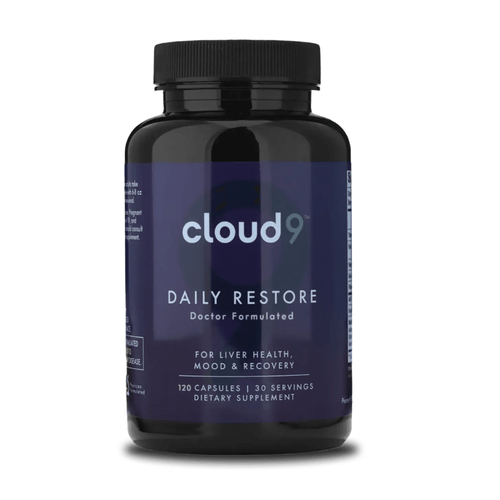
Cloud9 Daily Restore combines NAC, DHM, milk thistle, B vitamins, and ashwagandha to help support the pathways alcohol can tax most. Two capsules daily, drinking or not.
NAC | DHM | Milk Thistle | B Vitamins | Ashwagandha
See How Daily Restore WorksWhy Hydration Alone Falls Short
Water is essential for life, and yes, it plays a supporting role in liver function. It helps maintain blood volume, aids kidney filtration, and prevents dehydration that can compound alcohol's effects. But thinking water alone protects your liver is like believing gasoline is all a car needs to run smoothly.
Your liver is a chemical processing plant, and alcohol metabolism is one of its most demanding jobs. This process requires specific biochemical tools that water simply cannot provide.
What Water Can and Cannot Do
| What Water Does | What Water Cannot Do |
|---|---|
| Maintains blood volume and circulation | Provide enzymes needed for alcohol breakdown |
| Supports kidney filtration of waste products | Replenish depleted glutathione or antioxidants |
| Prevents additional dehydration symptoms | Replace lost B vitamins or amino acids |
| Helps regulate body temperature | Neutralize toxic acetaldehyde buildup |
| Dilutes alcohol concentration in bloodstream | Repair oxidative damage to liver cells |
The Depletion Problem
Alcohol is a diuretic, meaning it increases urination and leads to loss of both water and electrolytes like sodium, potassium, and magnesium. While drinking water addresses fluid loss, it actually dilutes remaining electrolytes further if they're not replaced simultaneously. This is why you can drink plenty of water and still feel off the next day.
Beyond electrolytes, alcohol metabolism consumes nutrients at the cellular level. Your liver burns through glutathione reserves trying to neutralize acetaldehyde. It uses up B vitamins, particularly thiamine (B1), folate, and B12, which are essential for energy production and cellular repair. No amount of plain water can restore these critical compounds.
What Your Liver Actually Needs to Process Alcohol
Supporting your liver through alcohol metabolism requires understanding what it's actually asking for at the biochemical level. Think of these nutrients as the tools your liver needs to do its job efficiently and protect itself in the process.
Glutathione and Its Building Blocks
Glutathione is your liver's primary defense against oxidative stress and toxic compounds. During alcohol metabolism, glutathione levels can drop by 50% or more as it works to neutralize acetaldehyde. Your body can produce glutathione from amino acids, particularly cysteine, glycine, and glutamine, but this production requires adequate supplies of these precursors.
Research suggests that supporting glutathione levels may help protect liver cells from alcohol-induced damage. N-acetyl cysteine (NAC), a form of cysteine, is particularly studied for its role in replenishing glutathione and has been used in clinical settings to support liver health.
B-Complex Vitamins
Alcohol interferes with the absorption, storage, and metabolism of B vitamins, creating a problematic cycle. These vitamins are essential for the very enzymes your liver uses to process alcohol. Without adequate B vitamins, alcohol metabolism becomes less efficient, leading to greater toxic buildup.
Key B vitamins affected by alcohol include:
- Thiamine (B1): Critical for energy metabolism and nerve function, often severely depleted in regular drinkers
- Riboflavin (B2): Supports antioxidant production and cellular energy
- Niacin (B3): Required for proper function of detoxification enzymes
- Pyridoxine (B6): Helps metabolize amino acids and supports neurotransmitter production
- Folate (B9): Essential for cell repair and DNA synthesis
- Cobalamin (B12): Supports nerve health and red blood cell formation
Antioxidants Beyond Glutathione
Alcohol metabolism generates free radicals that cause oxidative stress throughout the liver. While glutathione is the primary defender, other antioxidants work synergistically to protect cells and support recovery. Vitamin C regenerates glutathione after it's been used, while vitamin E protects cell membranes from lipid peroxidation.
Studies show that milk thistle (silymarin) has been traditionally used to support liver health, though research continues on its mechanisms. Alpha-lipoic acid is another antioxidant that may help regenerate other antioxidants and support mitochondrial function in liver cells.
Electrolytes and Minerals
Magnesium, potassium, zinc, and sodium are rapidly depleted through increased urination caused by alcohol. These minerals are crucial for hundreds of enzymatic reactions, muscle function, nerve signaling, and cellular hydration. Replacing fluids without replacing electrolytes leaves your cells unable to properly utilize that hydration.
The liver doesn't just need water to flush toxins. It needs the raw materials to transform dangerous compounds into harmless ones, the antioxidants to protect itself during the process, and the minerals to maintain the cellular environment where all this chemistry happens.
Building a Comprehensive Liver Support Strategy
Supporting your liver isn't about choosing between hydration and nutrition. It's about understanding that your liver needs both, along with other lifestyle factors that promote optimal function and recovery.
Timing Matters
When you provide liver support can be just as important as what you provide. Your liver processes alcohol at a relatively fixed rate of about one standard drink per hour, and you cannot speed this up. However, you can support the process before, during, and after drinking.
Before drinking, ensuring you have adequate nutrition and aren't starting in a depleted state gives your liver the resources it needs upfront. During drinking, alternating alcoholic beverages with water and electrolyte-rich drinks helps minimize dehydration. After drinking, replenishing lost nutrients and supporting glutathione production aids recovery and cellular repair.
Practical Daily Liver Support Checklist
| Support Category | What to Include | Why It Helps |
|---|---|---|
| Hydration | Water with electrolytes | Maintains fluid balance and cellular function |
| Amino Acids | NAC, glycine, glutamine | Rebuilds glutathione and supports detoxification |
| B Vitamins | B-complex supplement or fortified foods | Powers enzymatic alcohol metabolism |
| Antioxidants | Vitamins C and E, alpha-lipoic acid | Protects cells from oxidative damage |
| Minerals | Magnesium, zinc, potassium | Supports hundreds of enzymatic reactions |
| Quality Sleep | 7-9 hours of uninterrupted rest | Allows cellular repair and recovery processes |
| Nutrition | Protein, healthy fats, fiber-rich foods | Provides raw materials for liver function |
Food Sources That Support Liver Health
While supplements can help fill gaps, whole foods provide a complex matrix of nutrients that work together synergistically. Incorporating liver-supportive foods into your regular diet creates a foundation of health that makes your body more resilient when you do drink.
Foods particularly beneficial for liver health include:
- Cruciferous vegetables: Broccoli, Brussels sprouts, and cauliflower contain compounds that support phase 2 liver detoxification
- Sulfur-rich foods: Garlic, onions, and eggs provide cysteine precursors for glutathione production
- Leafy greens: Spinach and kale offer folate, magnesium, and various antioxidants
- Berries: Blueberries and blackberries are rich in anthocyanins that combat oxidative stress
- Fatty fish: Salmon and sardines provide omega-3s that help reduce liver inflammation
- Nuts and seeds: Walnuts and pumpkin seeds offer vitamin E, zinc, and healthy fats
- Green tea: Contains catechins that may support liver enzyme function
What to Avoid
Just as important as what you add is what you avoid when supporting liver health. Combining alcohol with certain substances or behaviors places additional stress on an already burdened organ.
Acetaminophen (found in many pain relievers) uses the same detoxification pathways as alcohol and should never be combined with drinking. Both alcohol and acetaminophen deplete glutathione, creating a dangerous synergy that can cause acute liver damage even at normal doses.
Fructose-heavy foods and drinks, particularly when combined with alcohol, may accelerate fat accumulation in the liver. High-sugar processed foods create additional metabolic work without providing beneficial nutrients. Excessive caffeine after drinking can further dehydrate you and doesn't actually speed alcohol clearance despite how it might make you feel.
The Bigger Picture: Liver Health as Long-Term Investment
Your liver is remarkably resilient, with an impressive capacity to regenerate and repair itself when given the right support. However, this resilience has limits, and consistent alcohol consumption without proper nutritional support can gradually overwhelm your liver's protective mechanisms.
Understanding Your Personal Limits
Everyone's liver processes alcohol differently based on genetics, body composition, age, sex, and overall health status. Women typically have lower levels of alcohol dehydrogenase, meaning they process alcohol more slowly and experience greater toxic effects at lower doses. Genetic variations in ALDH enzymes affect how quickly acetaldehyde is cleared, explaining why some people experience more severe reactions to alcohol.
Research suggests that moderate drinking is generally defined as up to one drink per day for women and up to two for men, but even these amounts require adequate nutritional support. If you're drinking more frequently or in larger quantities, your liver's need for support increases proportionally.
Signs Your Liver Needs Extra Support
Your body often signals when your liver is struggling, though these signs can be subtle initially. Paying attention to how you feel can help you adjust your approach before minor issues become more serious.
Common indicators that your liver could use additional support include:
- Persistent fatigue that doesn't improve with rest
- Difficulty recovering from drinking, even with hydration
- Digestive issues, particularly related to fatty foods
- Skin problems like persistent acne or yellowing
- Unexplained weight gain, particularly around the midsection
- Brain fog or difficulty concentrating
- Changes in appetite or unusual food cravings
- Dark urine despite adequate water intake
If you're experiencing multiple symptoms, it's worth consulting with a healthcare provider for proper evaluation. Blood tests can assess liver enzyme levels and function, providing objective information about your liver health.
Recovery Takes Time
Even with comprehensive support, your liver needs time to process alcohol and repair damage. There's no hack that makes alcohol instantly disappear from your system or eliminates all consequences of drinking. The best approach combines patience with consistent support strategies.
Studies show that taking regular breaks from alcohol, whether through designated alcohol-free days each week or longer periods of abstinence, gives your liver crucial recovery time. During these breaks, continuing to support your liver with proper nutrition amplifies the benefits and helps reverse early damage.
How Daily Restore Supports Your Health
Understanding what your body needs is one thing. Getting consistent daily support is another. Daily Restore was designed to address the key pathways alcohol can stress most, in one simple daily formula.
NAC (N-Acetyl Cysteine)
Supports glutathione production and antioxidant defenses
DHM (Dihydromyricetin)
Supports alcohol metabolism
Milk Thistle (Silymarin)
Supports healthy liver function
B Vitamins
Help replenish nutrients involved in energy and metabolism
Ashwagandha
Supports stress resilience and healthy cortisol balance
Daily Restore is not a detox or a cure. It is a daily support formula designed for people who drink socially and want to give their body consistent, evidence-informed support.
Frequently Asked Questions
Does drinking water prevent liver damage from alcohol?
Water helps with hydration and can reduce hangover symptoms, but it doesn't address the oxidative stress and inflammation that alcohol creates in your liver. Your liver needs specific nutrients like NAC, milk thistle, and B vitamins to support its detoxification pathways and protect cells from damage.
How long does it take for the liver to recover after drinking?
Recovery time varies based on how much you drank and your overall liver health. Mild inflammation may resolve within a few days, while more significant stress can take weeks. Supporting your liver with targeted nutrients can help optimize the recovery process, though consistent moderation remains the most important factor.
Can supplements reverse liver damage from alcohol?
Supplements cannot reverse established liver disease, but research suggests certain nutrients may support liver function and help protect against ongoing damage when combined with reduced alcohol intake. If you have concerns about liver damage, it's essential to work with a healthcare provider for proper assessment and treatment.
What are the early signs my liver needs support?
Early signs can include persistent fatigue, digestive issues, brain fog, and feeling worse after drinking than you used to. Many people don't experience obvious symptoms until liver function is significantly compromised, which is why proactive support and regular check-ups with your doctor are important if you drink regularly.
Is it safe to take liver support supplements daily?
Quality liver support supplements formulated with research-backed ingredients are generally safe for daily use in healthy adults. However, you should consult with a healthcare provider if you're taking medications, have existing liver conditions, or are pregnant or nursing, as some ingredients may interact with certain drugs or health conditions.
The Bottom Line
Your liver works hard every time you drink, and while staying hydrated helps, it's not nearly enough to support the complex detoxification process your body goes through. Real liver support requires targeted nutrients that address oxidative stress, boost glutathione production, and help your cells recover from alcohol-induced inflammation.
The most effective approach combines moderation with consistent nutritional support. Ingredients like NAC, milk thistle, DHM, and B vitamins work synergistically to help your liver function at its best, whether you're recovering from a night out or simply want to protect your long-term health.
Cloud9's Daily Restore brings these research-backed ingredients together in one convenient daily supplement, designed to support your liver's natural detoxification pathways and help you feel your best. It's not about enabling excess, it's about giving your body what it needs to handle the realities of social drinking while protecting one of your most vital organs.
Make liver support part of your daily routine, just like you do with hydration and sleep. Your future self will thank you for the investment in long-term wellness.
Build Your Daily Support Routine
Build Your Daily Support Routine
If drinking is part of your lifestyle, your support routine should not be random. Daily Restore was designed to help social drinkers support liver health, antioxidant defenses, alcohol metabolism, nutrient replenishment, and daily recovery in one simple routine.
NAC
DHM
Milk Thistle
B Vitamins
Ashwagandha