

Your liver has an impressive ability to heal itself, but only if you catch the damage early enough. If you've been drinking more than you'd like and worry about what it's doing to your liver, understanding the stages of liver damage and when reversal is still possible can be life-changing information.
The good news: early-stage liver damage from alcohol is often reversible with consistent lifestyle changes. The challenge: knowing what stage you're in and taking action before the window of opportunity closes.
This guide breaks down how alcohol affects your liver, the critical differences between reversible and irreversible damage, and the specific steps that can help your liver recover its function.
Quick Take
- Fatty liver disease and mild inflammation are reversible with abstinence or significant reduction in drinking
- Cirrhosis represents irreversible scarring, but stopping alcohol can prevent further progression
- The liver can begin regenerating within weeks of reduced alcohol intake
- Blood tests and imaging can reveal your current liver health status before symptoms appear
- Nutrition, hydration, and specific supplements may support liver recovery alongside reduced drinking
Understanding the Stages of Alcohol-Related Liver Damage
Your liver processes about 90% of the alcohol you consume, breaking it down into less harmful substances your body can eliminate. During this process, toxic byproducts form that can damage liver cells. When drinking exceeds your liver's processing capacity on a regular basis, damage accumulates in predictable stages.
The first stage, fatty liver disease, occurs when fat builds up in liver cells. Research suggests this can develop after just a few days of heavy drinking, though it typically takes weeks or months of consistent alcohol use. At this stage, most people have no symptoms, and the condition is completely reversible with abstinence.
Alcoholic hepatitis, the second stage, involves inflammation and liver cell death. This may cause fatigue, nausea, abdominal pain, and jaundice in more severe cases. Studies show that stopping drinking at this stage can still allow significant recovery, though some permanent changes may remain depending on severity.
Daily Support for Social Drinkers
Your liver works hard every day. Give it consistent support.
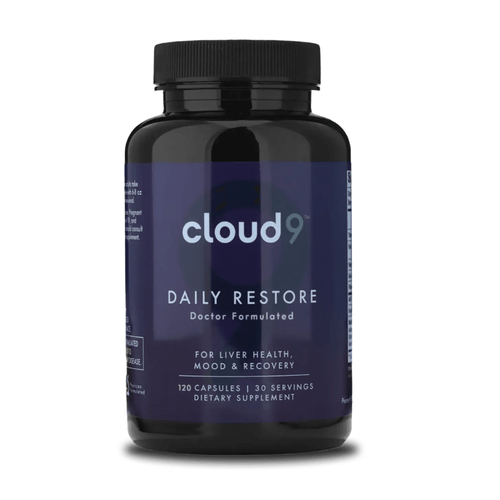
Cloud9 Daily Restore combines NAC, DHM, milk thistle, B vitamins, and ashwagandha to help support the pathways alcohol can tax most. Two capsules daily, drinking or not.
NAC | DHM | Milk Thistle | B Vitamins | Ashwagandha
See How Daily Restore WorksWhen Liver Damage Can Still Be Reversed
Fatty Liver: The Fully Reversible Stage
Alcoholic fatty liver disease affects up to 90% of people who drink heavily, making it the most common form of alcohol-related liver damage. The condition develops when your liver prioritizes metabolizing alcohol over processing fats, causing triglycerides to accumulate in liver cells.
The remarkable aspect of fatty liver is its reversibility. Research suggests that abstaining from alcohol for as little as 2-4 weeks can lead to measurable improvements in liver fat content. Within several months of sustained abstinence or significantly reduced drinking, many people see complete resolution on imaging studies.
Early Alcoholic Hepatitis: The Critical Window
Mild to moderate alcoholic hepatitis represents a more serious stage where liver cells become inflamed and begin to die. However, if drinking stops at this point, the liver's regenerative capacity can still repair much of the damage. Liver cells can regenerate, and inflammation subsides over time.
The key factors that influence recovery at this stage include:
- Complete abstinence from alcohol versus continued drinking
- Nutritional status and adequate protein intake
- Presence or absence of other liver stressors like hepatitis C or obesity
- Overall health of remaining liver cells
- Age and general metabolic health
Understanding the Point of No Return
Cirrhosis marks the stage where liver damage becomes largely irreversible. At this point, healthy liver tissue has been replaced by scar tissue that cannot regenerate. The liver's structure becomes permanently altered, affecting its ability to function.
However, stopping alcohol even at the cirrhosis stage provides critical benefits. While existing scar tissue remains, abstinence can prevent further scarring, allow remaining healthy tissue to function better, and significantly reduce the risk of liver failure or liver cancer.
| Liver Damage Stage | Reversibility | Time to Recovery |
|---|---|---|
| Fatty Liver | Fully reversible | 2-4 weeks to several months |
| Mild Hepatitis | Largely reversible | 3-12 months |
| Moderate Hepatitis | Partially reversible | 6-18 months |
| Early Cirrhosis | Not reversible, but stabilizable | Ongoing management |
| Advanced Cirrhosis | Irreversible | Focus on preventing progression |
The Science-Backed Steps to Support Liver Recovery
Reducing or Eliminating Alcohol Intake
The single most important factor in reversing early liver damage is reducing alcohol consumption, ideally to zero. Even modest reductions can provide benefits, though complete abstinence offers the best chance for full recovery in early stages.
Research shows that the liver begins regenerating within days of stopping alcohol. New liver cells start forming, inflammation markers decrease, and fat accumulation begins to reverse. The longer the period of abstinence, the more pronounced these benefits become.
The liver's capacity for regeneration is remarkable. Studies suggest that up to 70% of liver tissue can be removed, and the organ will grow back to its original size within months, provided the remaining tissue is healthy and alcohol exposure stops.
Nutrition Strategies That Support Liver Health
Your liver needs specific nutrients to repair damaged cells and carry out its hundreds of metabolic functions. Heavy drinking often depletes these nutrients while simultaneously increasing the liver's need for them.
Key nutritional priorities for liver recovery include:
- Adequate protein intake (0.8-1.0 grams per kilogram of body weight) to support liver cell regeneration
- B vitamins, especially thiamine, folate, and B12, which are commonly depleted in heavy drinkers
- Antioxidants from colorful vegetables and fruits to combat oxidative stress
- Omega-3 fatty acids that may help reduce liver inflammation and fat accumulation
- Adequate hydration to support the liver's detoxification processes
- Limited added sugars and processed foods that can contribute to fatty liver independent of alcohol

Supplements That May Support Recovery
While no supplement can reverse liver damage on its own, certain nutrients may support the recovery process when combined with reduced drinking. Research suggests several supplements show promise for liver health, though they should complement, not replace, lifestyle changes.
Milk thistle (silymarin) has been studied for its potential to protect liver cells from toxins and support regeneration. N-acetylcysteine (NAC) may help replenish glutathione, the liver's primary antioxidant. Vitamin E has shown benefits in some studies for reducing liver inflammation in fatty liver disease.
Always consult with a healthcare provider before starting supplements, especially if you have existing liver damage. Some supplements can interact with medications or may be inappropriate for certain liver conditions.
Exercise and Weight Management
Regular physical activity supports liver health through multiple mechanisms. Exercise helps reduce liver fat, decreases inflammation, improves insulin sensitivity, and supports overall metabolic health. Studies show that even moderate exercise can lead to measurable improvements in liver enzyme levels and fat content.
If you're carrying excess weight, modest weight loss of 5-10% of body weight can significantly improve fatty liver disease. However, rapid weight loss can actually stress the liver, so gradual reduction through sustainable diet and activity changes is ideal.
How to Know Where You Stand: Testing and Monitoring
Blood Tests That Reveal Liver Function
Several blood tests can indicate liver health and help track recovery. The most common are liver enzyme tests, including ALT, AST, and GGT. Elevated levels suggest liver cell damage or inflammation, while declining levels over time indicate improvement.
Additional tests provide more detailed information:
- Bilirubin levels indicate how well your liver processes waste products
- Albumin and total protein show your liver's ability to produce essential proteins
- Prothrombin time (PT/INR) measures your liver's production of clotting factors
- Platelet count can indicate advanced liver disease when low
- Complete blood count may reveal anemia or other complications
Imaging Studies for Structural Assessment
While blood tests show function, imaging reveals structure. Ultrasound can detect fatty liver and signs of cirrhosis, though it may miss mild fatty changes. FibroScan (elastography) measures liver stiffness, providing information about fibrosis and scarring without requiring a biopsy.
CT and MRI scans offer more detailed views but are typically reserved for cases where diagnosis remains unclear or when monitoring known cirrhosis. These tests can quantify liver fat and detect complications like portal hypertension or liver tumors.
Creating a Monitoring Schedule
If you're working to reverse early liver damage, regular monitoring helps track progress and maintain motivation. Your healthcare provider might recommend blood tests every 3-6 months initially, with the frequency decreasing as results improve and abstinence continues.
A typical monitoring approach includes:
| Time Point | Recommended Tests | Purpose |
|---|---|---|
| Baseline | Complete liver panel, imaging | Establish starting point |
| 1-3 months | Liver enzymes, basic metabolic panel | Track early improvements |
| 6 months | Complete liver panel, consider repeat imaging | Assess structural changes |
| 12+ months | Annual monitoring if results normal | Ensure continued health |
Common Obstacles to Recovery and How to Overcome Them
Managing Withdrawal and Cravings
Stopping or significantly reducing alcohol intake can trigger withdrawal symptoms ranging from mild anxiety and sleep disruption to severe complications requiring medical supervision. If you've been drinking heavily for extended periods, consult a healthcare provider before stopping, as medically supervised detoxification may be necessary.
For managing ongoing cravings and maintaining reduced drinking, evidence-based approaches include cognitive behavioral therapy, mutual support groups, medications like naltrexone or acamprosate, and developing alternative coping strategies for stress and emotions.
Addressing Underlying Mental Health
Many people who struggle with alcohol use have co-occurring mental health conditions like depression, anxiety, or trauma. Addressing these underlying issues is often essential for sustaining behavior change and giving your liver the chance to heal.
Integrated treatment that addresses both alcohol use and mental health together tends to be more effective than tackling either issue in isolation. This might include therapy, medication when appropriate, and developing healthier stress management skills.
Building a Supportive Environment
Your environment significantly influences your ability to reduce drinking. Practical steps to create a recovery-friendly environment include removing alcohol from your home, identifying and managing high-risk situations, building relationships with people who support your health goals, and finding activities that don't center around drinking.
Social support proves particularly important. Whether through formal support groups, therapy, friends, or family, having people who understand your goals and encourage your progress can make the difference between temporary change and lasting recovery.
How Daily Restore Supports Your Health
Understanding what your body needs is one thing. Getting consistent daily support is another. Daily Restore was designed to address the key pathways alcohol can stress most, in one simple daily formula.
NAC (N-Acetyl Cysteine)
Supports glutathione production and antioxidant defenses
DHM (Dihydromyricetin)
Supports alcohol metabolism
Milk Thistle (Silymarin)
Supports healthy liver function
B Vitamins
Help replenish nutrients involved in energy and metabolism
Ashwagandha
Supports stress resilience and healthy cortisol balance
Daily Restore is not a detox or a cure. It is a daily support formula designed for people who drink socially and want to give their body consistent, evidence-informed support.
Frequently Asked Questions
How long does it take to reverse early liver damage from alcohol?
The timeline varies depending on the extent of damage and individual factors, but research suggests that fatty liver disease can begin to improve within 2-4 weeks of reducing or eliminating alcohol. Full recovery of liver enzyme levels may take several months with consistent lifestyle changes and proper nutritional support.
Can I still drink occasionally if I'm trying to heal my liver?
Complete abstinence gives your liver the best chance to heal, especially if you've already experienced early damage. Even moderate drinking can slow or prevent recovery during the healing phase. Once your liver has recovered and your doctor confirms normal function, occasional light drinking may be possible for some people, though moderation remains essential.
What are the warning signs that liver damage has progressed beyond the early stage?
Advanced liver damage may present with jaundice (yellowing of skin or eyes), persistent abdominal swelling, dark urine, pale stools, easy bruising or bleeding, and confusion or difficulty thinking clearly. These symptoms require immediate medical attention, as they can indicate more serious conditions like cirrhosis or liver failure.
Do liver support supplements really work?
Quality liver support supplements containing ingredients like milk thistle, NAC, and glutathione can help support your liver's natural detoxification processes and may aid in recovery when combined with lifestyle changes. However, supplements work best as part of a comprehensive approach that includes reducing alcohol intake, eating a liver-friendly diet, and staying physically active.
Will my liver regenerate completely after damage?
The liver has remarkable regenerative abilities, and early-stage damage like fatty liver or mild inflammation can often be reversed completely with proper care. However, once scar tissue develops (fibrosis or cirrhosis), that damage is generally permanent, though you can prevent further progression and maintain the healthy tissue that remains.
The Bottom Line
Your liver is remarkably resilient, and early damage from alcohol doesn't have to become a permanent problem. By recognizing the warning signs early and taking action, you can support your liver's natural ability to heal and regenerate. The combination of reducing alcohol intake, eating nutrient-dense foods, staying active, and getting adequate sleep creates the foundation your liver needs to recover.
Supporting your liver doesn't require drastic overnight changes. Small, consistent steps like adding more vegetables to your meals, choosing water over sugary drinks, and incorporating targeted nutritional support can make a meaningful difference over time. The key is consistency, giving your body the daily resources it needs to repair and protect itself.
Cloud9's Daily Restore is designed to fit seamlessly into this approach, providing concentrated doses of milk thistle, NAC, glutathione, and other liver-supporting nutrients in one convenient daily serving. While no supplement can replace healthy lifestyle habits, Daily Restore can complement your efforts by delivering research-backed ingredients that support detoxification, reduce oxidative stress, and promote liver cell health.
The best time to start protecting your liver is now, before early damage progresses to something more serious. Whether you're concerned about past drinking habits or simply want to maintain optimal liver health going forward, taking proactive steps today can help ensure your liver continues to serve you well for years to come.
Build Your Daily Support Routine
Build Your Daily Support Routine
If drinking is part of your lifestyle, your support routine should not be random. Daily Restore was designed to help social drinkers support liver health, antioxidant defenses, alcohol metabolism, nutrient replenishment, and daily recovery in one simple routine.
NAC
DHM
Milk Thistle
B Vitamins
Ashwagandha