

You know that Sunday morning feeling. The one where your body sends clear signals that last night's celebration might have been a bit much. While your head might hurt and your energy feels depleted, there's another organ working overtime behind the scenes: your liver.
Your liver processes everything you drink, and heavy weekends can put significant stress on this vital organ. The good news is that your liver has remarkable regenerative abilities, and there are proven ways to support its natural repair processes.
Whether you're an occasional social drinker or someone who wants to minimize the impact of weekend celebrations, understanding how to help your liver recover can make a real difference in both how you feel and your long-term health.
Quick Take
- Your liver can regenerate up to 50% of its mass, making it one of the body's most resilient organs when given proper support
- Heavy drinking triggers oxidative stress and inflammation in liver cells, but recovery begins within hours of your last drink
- Specific nutrients like NAC, milk thistle, and B vitamins can help support your liver's natural detoxification pathways
- Hydration, sleep quality, and strategic supplementation work together to enhance liver cell repair after alcohol exposure
- Consistent heavy drinking causes cumulative damage, but implementing recovery protocols between drinking sessions may help protect liver function
What Actually Happens to Your Liver During a Heavy Weekend
When you drink alcohol, your liver immediately goes into processing mode. It breaks down ethanol into acetaldehyde (a toxic compound) and then into acetate, which your body can eliminate. During this process, your liver cells experience oxidative stress, similar to how metal rusts when exposed to oxygen.
Research suggests that even moderate alcohol consumption triggers an inflammatory response in liver tissue. Your liver cells must work harder to produce the enzymes needed for detoxification, which temporarily depletes important nutrients like glutathione, your body's master antioxidant. This is why you often feel drained the day after drinking.
The intensity of this process multiplies during heavy drinking sessions. Studies show that binge drinking (typically defined as 4-5+ drinks in 2 hours) can cause fat to accumulate in liver cells within just a few hours. While this fatty buildup is usually temporary, repeated episodes can lead to more serious concerns over time.
Daily Support for Social Drinkers
Your liver works hard every day. Give it consistent support.
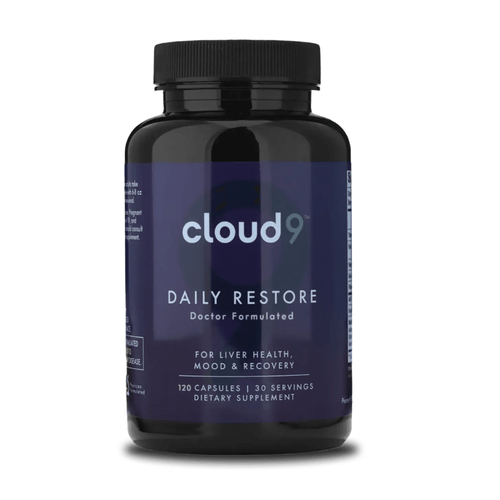
Cloud9 Daily Restore combines NAC, DHM, milk thistle, B vitamins, and ashwagandha to help support the pathways alcohol can tax most. Four capsules daily, drinking or not.
NAC | DHM | Milk Thistle | B Vitamins | Ashwagandha
See How Daily Restore WorksYour Liver's Natural Repair Timeline
Understanding when and how your liver begins to heal can help you optimize your recovery strategy. Your liver doesn't wait for permission to start repairing itself.
The First 24 Hours: Emergency Response
Within the first few hours after you stop drinking, your liver begins shifting from detox mode to repair mode. Inflammation markers start to decrease, and your cells begin replenishing depleted glutathione stores. This is when proper hydration and nutrient support matter most.
During this critical window, your liver cells are particularly vulnerable to additional stress. Sleep becomes essential, as most cellular repair happens during deep sleep cycles when your body can focus energy on restoration rather than activity.
Days 2-7: Active Regeneration
Research suggests that liver cells can begin regenerating within 48-72 hours of your last drink. This is when you might notice your energy returning and digestive function improving. Your liver is actively producing new cells to replace damaged ones.
The fat accumulation that occurred during drinking starts to clear during this phase. Studies show that with proper support, temporary fatty liver changes from a single heavy weekend can resolve within 3-5 days in healthy individuals.
Week 2 and Beyond: Full Recovery Potential
For occasional heavy drinkers, most liver function markers return to baseline within 2-3 weeks. However, this timeline assumes you're giving your liver the support it needs and not introducing new damage during the recovery period.
Your liver's remarkable regenerative capacity means it can bounce back from isolated incidents. The key is not making heavy weekends a consistent pattern, as cumulative damage becomes harder to reverse over time.
Science-Backed Nutrients That Support Liver Cell Repair
While your liver can heal itself, certain nutrients can help optimize this natural process. These aren't magic pills, but research suggests they may enhance your body's existing repair mechanisms.
N-Acetyl Cysteine (NAC): The Glutathione Booster
NAC is a precursor to glutathione, your liver's primary defense against oxidative stress. When you drink heavily, glutathione levels plummet, leaving liver cells vulnerable. Studies show that NAC supplementation can help replenish these stores more quickly.
NAC works by providing the raw materials your liver needs to produce its own antioxidants. Research suggests taking 600-1,200mg after drinking may support recovery, though it's most effective when started before liver damage occurs.
Milk Thistle: The Classic Liver Protector
Silymarin, the active compound in milk thistle, has been studied for decades for its potential liver-protective properties. It appears to work by stabilizing liver cell membranes and supporting antioxidant activity.
While milk thistle won't reverse serious liver disease, studies suggest it may help protect liver cells from toxin-induced damage when taken consistently. The typical dose ranges from 140-300mg of standardized silymarin extract.
B-Complex Vitamins: The Metabolic Supporters
Alcohol depletes B vitamins rapidly, particularly B1 (thiamine), B6, and B12. These vitamins are essential for liver enzyme function and energy production. Without adequate B vitamins, your liver struggles to perform its detoxification duties efficiently.
Supplementing with a high-quality B-complex can help restore these depleted nutrients. Research suggests this is especially important for regular drinkers, as chronic deficiency can lead to more serious complications.
Vitamin E and Selenium: Antioxidant Allies
These nutrients work together to combat oxidative stress in liver tissue. Studies show that vitamin E may help reduce inflammation in liver cells, while selenium supports glutathione production alongside NAC.
The combination appears more effective than either nutrient alone. Typical supportive doses include 200-400 IU of vitamin E and 100-200mcg of selenium daily.
Strategic Hydration and Nutrition for Liver Recovery
What you eat and drink during the recovery period can significantly impact how quickly your liver bounces back. The right nutritional approach supports cellular repair while reducing additional stress.
Hydration Beyond Water
While water is essential, strategic hydration means more than just drinking lots of fluids. Alcohol causes dehydration at the cellular level and depletes electrolytes that your liver needs for optimal function.
- Start your morning with 16-20 oz of water with a pinch of sea salt and lemon
- Include coconut water or electrolyte drinks to restore sodium, potassium, and magnesium
- Avoid excessive caffeine, which can further dehydrate you and stress your liver
- Aim for at least half your body weight in ounces of fluid throughout the day
Foods That Support Liver Function
Certain foods contain compounds that research suggests may enhance liver detoxification and repair. Focus on these during your recovery window:
| Food Category | Examples | Key Benefits |
|---|---|---|
| Cruciferous Vegetables | Broccoli, cauliflower, Brussels sprouts, kale | Support Phase 2 detox pathways, provide sulfur compounds |
| Sulfur-Rich Foods | Garlic, onions, eggs | Help produce glutathione, enhance detoxification |
| Lean Proteins | Wild fish, organic poultry, grass-fed beef | Provide amino acids needed for cell repair |
| Healthy Fats | Olive oil, avocados, wild salmon | Reduce inflammation, support cell membrane health |
| Bitter Greens | Dandelion, arugula, endive | Stimulate bile production, aid fat digestion |
What to Avoid During Recovery
Just as important as what you eat is what you don't eat. Your liver needs a break from additional stressors during the repair phase.
- Processed foods high in sugar and refined carbohydrates, which increase liver fat accumulation
- Fried foods and trans fats that create additional oxidative stress
- Excessive fructose from fruit juices and sweetened beverages
- Additional alcohol (obviously), but also limit other liver stressors like acetaminophen when possible
Your liver doesn't need a dramatic "detox" or cleanse. It needs the right nutrients, adequate rest, and time to do what it already knows how to do: heal itself. The goal isn't to force detoxification but to support the natural processes already happening in your cells.
Lifestyle Factors That Accelerate or Hinder Recovery
Beyond nutrition and supplements, several lifestyle factors significantly impact how quickly and completely your liver can repair itself after heavy drinking.
Sleep: Your Liver's Prime Repair Time
Studies show that most cellular repair and regeneration happens during deep sleep stages. Your liver uses this time to focus energy on producing new cells and clearing accumulated damage. Alcohol disrupts sleep architecture, particularly REM and deep sleep, which is partly why hangovers feel so draining.
Prioritize 7-9 hours of quality sleep in the nights following heavy drinking. Consider sleep-supportive supplements like magnesium glycinate (300-400mg) or L-theanine (200mg) if you're having trouble settling down. Keep your room cool and dark to optimize sleep quality.
Movement and Exercise: The Balanced Approach
Light to moderate exercise can support liver health by improving circulation and insulin sensitivity. However, intense workouts immediately after heavy drinking may add stress to an already taxed system.
- Day 1: Gentle walking, stretching, or restorative yoga to promote circulation without additional stress
- Days 2-3: Light cardio like swimming or cycling at comfortable intensity
- Day 4+: Return to normal training intensity as energy and recovery allow
Research suggests that regular moderate exercise (when you're not recovering from drinking) may help protect liver function and reduce fat accumulation, even in people who drink regularly.
Stress Management and Cortisol
Chronic stress elevates cortisol, which can impair liver function and slow recovery. The day after drinking, your cortisol levels are often already elevated due to alcohol's effects on your stress response system.
Implement stress-reduction practices like deep breathing, meditation, or time in nature during your recovery period. These practices can help normalize cortisol levels and support your body's natural healing processes.
Your Personalized Liver Recovery Protocol
Here's a practical, day-by-day approach to supporting liver health after a heavy weekend. Adjust based on your individual needs and how you're feeling.
The Morning After: First 12 Hours
This is damage control mode. Your goals are rehydration, nutrient replenishment, and getting the recovery process started.
| Timing | Action |
|---|---|
| Upon Waking | 16-20 oz water with electrolytes, NAC (600mg), B-complex vitamin |
| Breakfast | Protein-rich meal with eggs, avocado, and greens; avoid heavy, greasy foods |
| Mid-Morning | Milk thistle supplement (150-300mg silymarin), continue hydrating |
| Lunch | Vegetable-heavy meal with cruciferous vegetables and lean protein |
| Afternoon | Light walk (15-20 minutes), vitamin E (200-400 IU) with food |
| Evening | Early, light dinner; magnesium glycinate (300mg) before bed to support sleep |
Days 2-3: Active Recovery Phase
Your liver is now in full regeneration mode. Continue supporting this process with consistent nutrient intake and lifestyle practices.
- Maintain high-quality protein intake (0.8-1g per pound of body weight) to provide amino acids for cell repair
- Continue NAC (600mg twice daily) and milk thistle supplements
- Add selenium (100-200mcg) if not already included in your multivitamin
- Prioritize 8+ hours of sleep each night
- Introduce moderate exercise as energy allows
- Stay well-hydrated with water and electrolyte-rich beverages
Days 4-7: Maintenance and Prevention
By this point, acute recovery is largely complete. Focus shifts to maintaining liver health and preventing future damage.
You can gradually reduce supplement doses to maintenance levels or discontinue them if you won't be drinking again soon. However, if you drink regularly on weekends, consider keeping a baseline liver support protocol in place.
- Continue eating liver-supportive foods as part of your regular diet
- Return to normal exercise routine
- Consider regular milk thistle (150mg daily) if you drink weekly
- Maintain a B-complex vitamin, especially if you're a regular drinker
How Daily Restore Supports Your Health
Understanding what your body needs is one thing. Getting consistent daily support is another. Daily Restore was designed to address the key pathways alcohol can stress most, in one simple daily formula.
NAC (N-Acetyl Cysteine)
Supports glutathione production and antioxidant defenses
DHM (Dihydromyricetin)
Supports alcohol metabolism
Milk Thistle (Silymarin)
Supports healthy liver function
B Vitamins
Help replenish nutrients involved in energy and metabolism
Ashwagandha
Supports stress resilience and healthy cortisol balance
Daily Restore is not a detox or a cure. It is a daily support formula designed for people who drink socially and want to give their body consistent, evidence-informed support.
Frequently Asked Questions
How long does it take for the liver to repair itself after heavy drinking?
The liver can begin showing signs of recovery within a few days to weeks after reducing alcohol intake, though complete repair depends on the extent of damage. Research suggests that mild fatty liver changes may start to reverse within 2-4 weeks of abstinence or reduced consumption. For more significant damage, the recovery timeline can extend to several months with consistent supportive habits.
What are the best foods to eat after a heavy drinking weekend?
Focus on nutrient-dense foods that support liver function and reduce inflammation, including leafy greens, cruciferous vegetables like broccoli and Brussels sprouts, berries, fatty fish, nuts, and whole grains. These foods provide antioxidants, fiber, and essential nutrients that help the liver process toxins more efficiently. Staying well-hydrated with water and herbal teas also supports the body's natural detoxification processes.
Can supplements really help repair liver damage from alcohol?
While supplements cannot reverse severe liver damage, certain nutrients and botanicals can support the liver's natural repair mechanisms when damage is in its early stages. Studies show that compounds like milk thistle, N-acetyl cysteine, and B vitamins may help reduce oxidative stress and support cellular regeneration. Supplements work best as part of a comprehensive approach that includes reducing alcohol intake, eating well, and maintaining healthy lifestyle habits.
How much alcohol is too much for liver health?
Current guidelines suggest that consuming more than 14 drinks per week for men or 7 drinks per week for women can increase the risk of liver damage over time. However, even moderate drinking can affect liver function in some individuals, particularly those with existing health conditions or genetic predispositions. The safest approach is to have several alcohol-free days each week and avoid binge drinking sessions.
What are the early warning signs that alcohol is affecting my liver?
Early signs can be subtle and may include persistent fatigue, digestive discomfort, mild abdominal pain in the upper right side, and changes in appetite. Some people notice they feel worse after drinking than they used to, or that recovery takes longer. If you experience these symptoms regularly, it's important to consult with a healthcare provider for proper evaluation and blood work.
The Bottom Line
Your liver is remarkably resilient, but it needs consistent support to repair and regenerate, especially after heavy drinking weekends. While there's no magic solution to undo alcohol's effects overnight, combining smart nutrition, hydration, quality sleep, and targeted supplementation can help your liver function at its best.
The key is consistency. Rather than relying on occasional detox efforts, building daily habits that support liver health makes the biggest difference over time. This means being mindful about alcohol consumption, nourishing your body with whole foods rich in antioxidants and nutrients, and giving your liver the tools it needs to do its job effectively.
Cloud9's Daily Restore was designed specifically to support your body's natural processes with a blend of milk thistle, N-acetyl cysteine, B vitamins, and other liver-supportive nutrients. When taken consistently as part of a balanced lifestyle, it can help protect liver cells, support detoxification pathways, and promote overall wellness, whether you're recovering from a heavy weekend or simply maintaining long-term health.
Remember, the best time to start supporting your liver is now. Small, sustainable changes in how you drink, eat, and supplement can add up to significant improvements in how you feel, both in the short term and for years to come.
Build Your Daily Support Routine
Build Your Daily Support Routine
If drinking is part of your lifestyle, your support routine should not be random. Daily Restore was designed to help social drinkers support liver health, antioxidant defenses, alcohol metabolism, nutrient replenishment, and daily recovery in one simple routine.
NAC
DHM
Milk Thistle
B Vitamins
Ashwagandha