

You wake up after a night out, and beyond the headache and fatigue, there's a nagging concern about what those drinks did to your brain. That worry isn't unfounded. Alcohol affects brain function in ways that extend far beyond the immediate hangover, impacting everything from memory to mood regulation.
The good news? Your brain has remarkable resilience, and targeted nutrition can support its recovery. Omega-3 fatty acids, essential nutrients your brain desperately needs, play a crucial role in protecting and restoring neural function after alcohol exposure.
Whether you're an occasional social drinker or someone reassessing their relationship with alcohol, understanding this connection can help you make more informed choices about both what you drink and what you eat afterward.
Quick Take
- Alcohol depletes omega-3s in brain cell membranes, potentially affecting memory, mood, and cognitive function
- Omega-3 fatty acids, especially DHA, help maintain brain cell structure and support anti-inflammatory processes after drinking
- Research suggests omega-3s may help protect against alcohol-induced oxidative stress and neuroinflammation
- Regular omega-3 intake can support overall brain resilience, though it doesn't eliminate alcohol's immediate effects
- Combining omega-3s with hydration, quality sleep, and reduced alcohol consumption creates the best environment for brain recovery
What Alcohol Actually Does to Your Brain
When you drink, alcohol crosses the blood-brain barrier within minutes, disrupting the delicate balance of neurotransmitters that regulate mood, memory, and decision-making. It acts as a depressant on the central nervous system, initially creating that relaxed feeling but ultimately impairing communication between brain cells.
Beyond the immediate effects, alcohol triggers inflammatory responses throughout the brain and body. Studies show that even moderate drinking can generate oxidative stress, a process where unstable molecules called free radicals damage brain cells and their protective membranes. This inflammation doesn't always resolve the moment you sober up.
Your brain's cell membranes, which are rich in omega-3 fatty acids, bear the brunt of this damage. Alcohol can actually deplete these essential fats from neural tissue, compromising the structural integrity of brain cells and potentially affecting long-term cognitive function.
Daily Support for Social Drinkers
Your liver works hard every day. Give it consistent support.
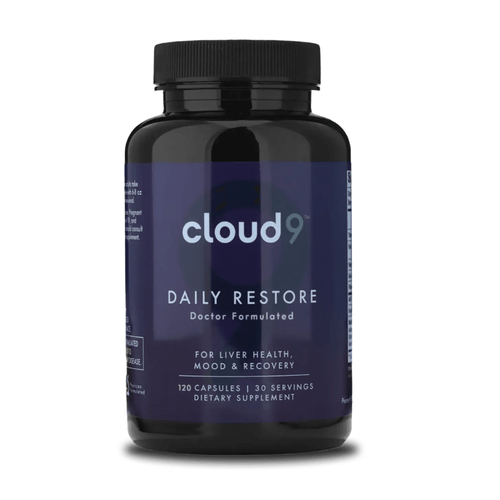
Cloud9 Daily Restore combines NAC, DHM, milk thistle, B vitamins, and ashwagandha to help support the pathways alcohol can tax most. Two capsules daily, drinking or not.
NAC | DHM | Milk Thistle | B Vitamins | Ashwagandha
See How Daily Restore WorksHow Omega-3s Support Brain Structure and Function
Your brain is nearly 60% fat, and omega-3 fatty acids, particularly DHA (docosahexaenoic acid), make up a significant portion of that composition. These essential fats aren't just building blocks; they're active participants in nearly every aspect of brain health, from signal transmission to cellular repair.
The Role of DHA in Brain Cells
DHA concentrates in the cell membranes of neurons, where it maintains fluidity and flexibility. This allows brain cells to communicate efficiently and adapt to changing needs. When DHA levels drop, as they can with alcohol consumption, membrane function becomes compromised.
Research suggests that adequate DHA supports neuroplasticity, your brain's ability to form new connections and adapt to experiences. This becomes particularly important during recovery periods when your brain needs to repair damage and restore normal function.
Anti-Inflammatory Properties
Omega-3s produce specialized pro-resolving mediators, compounds that actively resolve inflammation rather than simply suppressing it. After alcohol exposure triggers inflammatory responses, these omega-3-derived molecules can help your brain return to a balanced state.
Unlike the inflammation-promoting omega-6 fatty acids abundant in modern diets, omega-3s work to calm excessive immune responses. This anti-inflammatory action may help protect brain tissue from the cascading damage that can follow heavy drinking episodes.

The Omega-3 and Alcohol Connection: What Research Shows
The relationship between omega-3s and alcohol's effects on the brain has gained significant research attention in recent years. While no nutrient can undo alcohol's impact, studies suggest that omega-3 status may influence how your brain responds to and recovers from drinking.
Protective Mechanisms Against Alcohol Damage
Animal studies have shown that omega-3 supplementation may help reduce some of alcohol's neurotoxic effects. These essential fatty acids appear to support antioxidant systems that combat the free radical damage alcohol generates. While human research is still evolving, the mechanisms suggest potential protective benefits.
Research indicates that people with higher omega-3 levels may experience less severe cognitive impairment from alcohol use. The working theory involves omega-3s' ability to stabilize cell membranes and reduce oxidative stress, creating a more resilient neural environment.
Supporting Neurotransmitter Balance
Alcohol disrupts the balance between excitatory and inhibitory neurotransmitters, which is why you might feel anxious or foggy the day after drinking. Omega-3s influence neurotransmitter function by affecting receptor sensitivity and signal transmission across synapses.
Studies show that omega-3 intake correlates with better mood regulation and cognitive function. While this doesn't counteract alcohol's immediate effects, maintaining adequate omega-3 levels may support more stable baseline brain function between drinking episodes.
The brain's need for omega-3s doesn't pause when you drink. In fact, alcohol may increase that need by depleting existing stores and triggering inflammatory processes that consume these protective fats.
Practical Ways to Support Your Brain with Omega-3s
Understanding the science matters, but application makes the difference. If you drink occasionally or regularly, supporting your omega-3 status becomes part of a broader strategy for protecting brain health over time.
Dietary Sources vs. Supplementation
Fatty fish like salmon, mackerel, and sardines provide the most concentrated sources of EPA and DHA, the omega-3s your brain uses most readily. Plant sources like flaxseeds and walnuts offer ALA, which your body converts to EPA and DHA, though less efficiently.
For many people, getting adequate omega-3s from diet alone proves challenging. Supplementation can help bridge the gap, particularly for those who don't regularly consume fish or who have increased needs due to factors like alcohol consumption or high stress.
Timing and Dosage Considerations
While there's no magic "post-drinking" omega-3 protocol, consistency matters more than timing. Building and maintaining adequate omega-3 levels in your brain takes weeks to months of regular intake, not a single dose after a night out.
Research suggests effective doses for brain health typically range from 1,000 to 2,000 mg of combined EPA and DHA daily. Some studies examining neuroprotection have used higher doses, but it's best to work with a healthcare provider to determine what's appropriate for your situation.
Building a Brain-Supportive Routine
Omega-3s work best as part of a comprehensive approach to brain health. This means pairing them with other protective strategies, especially if you drink regularly.
- Stay hydrated before, during, and after drinking to support overall cellular function
- Prioritize sleep, as your brain performs crucial repair and detoxification during rest
- Include antioxidant-rich foods like berries, leafy greens, and colorful vegetables to combat oxidative stress
- Consider B vitamins, particularly B1 (thiamine), which alcohol depletes and which supports brain metabolism
- Limit pro-inflammatory foods high in omega-6s and added sugars, which can compound alcohol's inflammatory effects
What Omega-3s Can and Can't Do
It's important to set realistic expectations about what omega-3s offer in the context of alcohol and brain health. They're powerful allies for neural function, but they're not a free pass to drink without consequences.
Realistic Benefits
Research suggests omega-3s may help maintain baseline brain health and resilience, potentially reducing some of alcohol's long-term impacts on neural tissue. They support the anti-inflammatory and antioxidant systems your brain uses to recover from various stressors, including alcohol.
Regular omega-3 intake can help ensure your brain has the structural components it needs for repair and maintenance. This creates a more favorable environment for recovery, though it doesn't accelerate the elimination of alcohol from your system or prevent acute intoxication effects.
Limitations to Understand
No amount of omega-3s will counteract the immediate effects of alcohol or eliminate hangover symptoms. They won't prevent impaired judgment, slowed reaction times, or the disrupted sleep that comes with drinking. The body still needs time to metabolize alcohol and clear it from your system.
Omega-3s also can't reverse chronic damage from heavy, long-term alcohol use. While they may support recovery processes, significant neural damage requires comprehensive treatment, often including complete abstinence and medical supervision.
Think of omega-3s as foundational support for your brain, not as damage control for drinking. They help maintain the infrastructure your brain needs to function optimally, but the best protection against alcohol's effects remains moderation or abstinence.
How Daily Restore Supports Your Health
Understanding what your body needs is one thing. Getting consistent daily support is another. Daily Restore was designed to address the key pathways alcohol can stress most, in one simple daily formula.
NAC (N-Acetyl Cysteine)
Supports glutathione production and antioxidant defenses
DHM (Dihydromyricetin)
Supports alcohol metabolism
Milk Thistle (Silymarin)
Supports healthy liver function
B Vitamins
Help replenish nutrients involved in energy and metabolism
Ashwagandha
Supports stress resilience and healthy cortisol balance
Daily Restore is not a detox or a cure. It is a daily support formula designed for people who drink socially and want to give their body consistent, evidence-informed support.
Frequently Asked Questions
Can omega-3s reverse damage from alcohol?
Omega-3s can help support brain recovery and reduce inflammation associated with alcohol consumption, but they're not a cure-all. Think of them as part of a comprehensive approach to brain health that includes moderation, hydration, and proper nutrition. Consistent supplementation may help protect neural tissue over time.
How much omega-3 should I take if I drink regularly?
Research suggests that 1,000 to 2,000 mg of combined EPA and DHA daily can support brain health for most adults. If you drink regularly, staying at the higher end of this range may offer additional neuroprotective benefits. Cloud9's Daily Restore provides a clinically relevant dose designed to support ongoing cellular health.
Should I take omega-3s before or after drinking?
The most effective approach is consistent daily supplementation rather than timing it around drinking occasions. Omega-3s build up in cell membranes over time, so maintaining steady levels provides ongoing protection. Taking them as part of your daily routine ensures your brain has the support it needs regardless of when you choose to drink.
Are all omega-3 supplements the same?
Quality varies significantly between products. Look for supplements that use triglyceride form omega-3s, which are more bioavailable than ethyl ester forms. Third-party testing for purity and potency is also essential to ensure you're getting what the label promises without contaminants.
How long does it take to see benefits from omega-3 supplementation?
Some people notice improvements in mood and mental clarity within a few weeks, but significant changes to brain structure and function typically develop over several months of consistent use. Studies show that omega-3 levels in brain tissue increase gradually, so patience and consistency are key to experiencing the full neuroprotective benefits.
The Bottom Line
Alcohol's impact on brain health is real, but it doesn't mean you need to eliminate social drinking entirely. What matters is being proactive about supporting your brain with the nutrients it needs to manage oxidative stress, maintain healthy cell membranes, and promote neuroplasticity. Omega-3 fatty acids offer one of the most research-backed approaches to neuroprotection available.
The key is consistency. Your brain doesn't benefit from sporadic supplementation any more than it thrives on sporadic sleep or nutrition. Daily support creates the foundation for resilience, helping your neural tissue withstand occasional indulgences while maintaining long-term cognitive function. Think of it as an investment in your future self.
Cloud9's Daily Restore was designed with this daily approach in mind. By combining high-quality triglyceride-form omega-3s with complementary nutrients like vitamin D and antioxidants, it provides comprehensive cellular support that works whether you're recovering from a night out or simply maintaining optimal brain health. It's not about perfection, it's about giving your body what it needs to function at its best.
Your brain is remarkably adaptable and capable of healing when given the right support. Combining smart lifestyle choices with targeted supplementation can help you enjoy social occasions without sacrificing long-term cognitive health. Start with consistency, stay informed about what you put in your body, and trust that small daily actions add up to meaningful protection over time.
Build Your Daily Support Routine
Build Your Daily Support Routine
If drinking is part of your lifestyle, your support routine should not be random. Daily Restore was designed to help social drinkers support liver health, antioxidant defenses, alcohol metabolism, nutrient replenishment, and daily recovery in one simple routine.
NAC
DHM
Milk Thistle
B Vitamins
Ashwagandha