

If you've ever felt foggy, anxious, or emotionally flat after drinking, you're experiencing what happens when alcohol disrupts your brain's delicate neurotransmitter balance. The good news: your brain has remarkable healing capacity when given the right nutritional support.
Whether you're cutting back, taking a break, or simply want to protect your cognitive health, understanding how specific nutrients support brain recovery can make a meaningful difference. Research suggests targeted nutritional support may help restore neurotransmitter function, reduce inflammation, and accelerate healing.
This guide explores the science-backed nutrients that can help repair alcohol-related neurotransmitter damage and support long-term brain health.
Quick Take
- Alcohol depletes critical nutrients needed for neurotransmitter production, including B vitamins, magnesium, and amino acids
- Chronic drinking disrupts GABA, dopamine, serotonin, and glutamate systems, contributing to anxiety, depression, and cognitive issues
- Specific nutrients like L-glutamine, NAC, and B-complex vitamins may help restore neurotransmitter balance and reduce cravings
- Neuroinflammation from alcohol can persist for weeks or months, but antioxidants and omega-3s support brain repair
- Combining nutritional support with hydration, sleep, and reduced alcohol intake creates optimal conditions for brain recovery
How Alcohol Damages Your Brain's Communication System
Your brain relies on neurotransmitters, chemical messengers that regulate mood, sleep, focus, and emotional balance. Alcohol fundamentally disrupts this communication system in two ways: it artificially boosts certain neurotransmitters in the short term, then depletes them over time.
When you drink, alcohol initially increases GABA (your brain's calming neurotransmitter) and dopamine (linked to pleasure and reward). This creates the relaxed, euphoric feeling associated with drinking. However, your brain responds by downregulating these systems, meaning you need more alcohol to achieve the same effect.
Studies show that chronic alcohol use also suppresses glutamate, your brain's primary excitatory neurotransmitter. When you stop drinking, glutamate rebounds dramatically, which explains the anxiety, restlessness, and sleep disruption many people experience. The key to recovery is restoring balance through targeted nutritional support.
Daily Support for Social Drinkers
Your liver works hard every day. Give it consistent support.
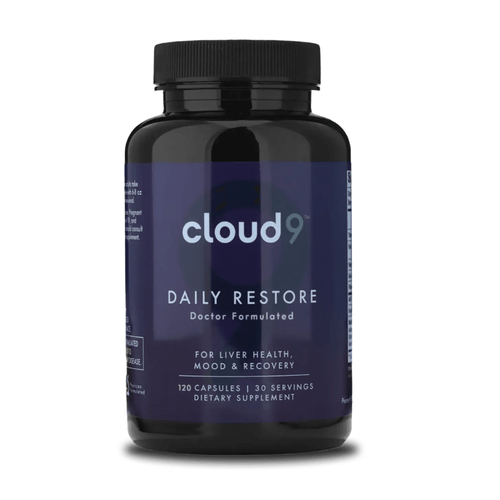
Cloud9 Daily Restore combines NAC, DHM, milk thistle, B vitamins, and ashwagandha to help support the pathways alcohol can tax most. Two capsules daily, drinking or not.
NAC | DHM | Milk Thistle | B Vitamins | Ashwagandha
See How Daily Restore WorksEssential B Vitamins for Neurotransmitter Production
B vitamins are among the most critical nutrients depleted by alcohol, and they're essential for producing and regulating neurotransmitters. Without adequate B vitamins, your brain simply can't manufacture the chemical messengers it needs to function properly.
Thiamine (B1): The Memory and Mood Protector
Thiamine deficiency is extremely common in people who drink regularly, and the consequences can be serious. This vitamin is essential for glucose metabolism in the brain and supports acetylcholine production, a neurotransmitter crucial for memory and learning.
Research suggests that even moderate drinking can deplete thiamine stores within weeks. Symptoms of deficiency include confusion, poor concentration, irritability, and in severe cases, permanent brain damage. Supplementing with 100-300mg daily may help restore cognitive function and emotional stability.
B6, B9, and B12: The Mood Regulation Trio
These three B vitamins work together to produce serotonin, dopamine, and norepinephrine. Vitamin B6 is particularly important because it's a cofactor in converting amino acids into neurotransmitters. Without it, you can't efficiently produce the brain chemicals that regulate mood and motivation.
Folate (B9) and B12 support methylation, a process critical for neurotransmitter synthesis and brain cell health. Studies show that deficiencies in these vitamins are strongly associated with depression, anxiety, and cognitive decline, all common in people recovering from alcohol use.
- B6: Supports conversion of tryptophan to serotonin and tyrosine to dopamine
- Folate: Essential for SAMe production, which regulates mood and detoxification
- B12: Protects nerve cells and supports myelin production for brain signaling
- Combined B-complex: Often more effective than individual vitamins due to synergistic effects
Amino Acids That Rebuild Neurotransmitter Pathways
Amino acids are the building blocks of neurotransmitters, and alcohol disrupts both their absorption and utilization. Targeted amino acid supplementation can help jumpstart neurotransmitter production and reduce the psychological symptoms of alcohol recovery.
L-Glutamine: Reducing Cravings and Anxiety
L-glutamine is a precursor to both GABA and glutamate, making it uniquely valuable for rebalancing these critical neurotransmitters. Research suggests it may reduce alcohol cravings by providing an alternative fuel source for the brain and stabilizing blood sugar.
Many practitioners recommend 500-1000mg of L-glutamine three times daily, particularly when cravings hit. Some people report noticeable reduction in both alcohol cravings and anxiety within days of starting supplementation.
L-Tyrosine: Restoring Dopamine and Motivation
Chronic alcohol use depletes dopamine, which explains the anhedonia (inability to feel pleasure) and lack of motivation common in early recovery. L-tyrosine is the direct precursor to dopamine, norepinephrine, and epinephrine.
Studies show that tyrosine supplementation may improve cognitive performance, especially during stressful conditions. Typical doses range from 500-2000mg daily, best taken on an empty stomach for optimal absorption.
5-HTP and Tryptophan: Serotonin Support
If you're experiencing depression, sleep problems, or carbohydrate cravings during recovery, low serotonin may be the culprit. Both 5-HTP and L-tryptophan convert to serotonin, but 5-HTP crosses the blood-brain barrier more readily.
Research suggests 50-100mg of 5-HTP taken before bed may improve sleep quality and mood. However, these supplements should be used cautiously and not combined with antidepressants without medical supervision.
Minerals and Antioxidants for Brain Protection
Beyond vitamins and amino acids, several minerals and antioxidant compounds play crucial roles in protecting brain cells from alcohol-related damage and supporting the repair process.
Magnesium: The Relaxation Mineral
Alcohol is a powerful magnesium depleter, and deficiency contributes to anxiety, muscle tension, poor sleep, and heightened stress response. Magnesium regulates the HPA axis (your stress response system) and supports healthy GABA receptor function.
Studies show that up to 80% of people who drink regularly are magnesium deficient. Supplementing with 300-400mg of magnesium glycinate or threonate daily may significantly reduce anxiety and improve sleep quality within weeks.
Your brain doesn't heal in isolation. The nutrients that support neurotransmitter recovery also reduce inflammation, protect against oxidative stress, and provide the raw materials for cellular repair throughout your entire body.
N-Acetyl Cysteine (NAC): The Glutamate Regulator
NAC is a powerful antioxidant that supports glutathione production, your body's master antioxidant. More importantly for brain health, research suggests NAC helps regulate glutamate levels and may reduce cravings and compulsive behaviors.
Clinical studies have shown that 1200-2400mg of NAC daily may reduce alcohol consumption and cravings. It also protects liver cells and supports detoxification, making it particularly valuable during recovery.
Omega-3 Fatty Acids: Rebuilding Brain Structure
Your brain is nearly 60% fat, and alcohol depletes essential omega-3 fatty acids needed for cell membrane integrity and neurotransmitter receptor function. DHA (docosahexaenoic acid) is especially important for cognitive function and emotional regulation.
Studies show that omega-3 supplementation may reduce depression, improve impulse control, and support neuroplasticity (your brain's ability to form new connections). Aim for 1000-2000mg of combined EPA/DHA daily from high-quality fish oil or algae-based sources.
Creating a Neurotransmitter Recovery Protocol
Understanding individual nutrients is valuable, but creating a comprehensive recovery protocol delivers better results than supplementing randomly. Here's how to prioritize and combine nutrients for optimal neurotransmitter repair.
Core Foundation Nutrients (Start Here)
| Nutrient | Daily Dose | Primary Benefit |
|---|---|---|
| B-Complex (high potency) | 1-2 capsules | Neurotransmitter production, energy metabolism |
| Magnesium Glycinate | 300-400mg | Anxiety reduction, sleep support, GABA regulation |
| Omega-3 (EPA/DHA) | 1000-2000mg | Brain structure, inflammation reduction |
| Vitamin C | 1000-2000mg | Antioxidant support, neurotransmitter synthesis |
| Zinc | 15-30mg | GABA receptor function, immune support |
Targeted Support (Add Based on Symptoms)
Once you've established a foundation, you can add specific nutrients to address your most problematic symptoms. This targeted approach helps you identify what works best for your individual brain chemistry.
- For anxiety and sleep issues: L-glutamine (1000mg 3x daily), 5-HTP (50-100mg before bed), or additional magnesium
- For low motivation and anhedonia: L-tyrosine (500-1000mg morning and midday), vitamin B6 (50-100mg)
- For cravings and compulsive thoughts: NAC (1200-2400mg), L-glutamine when cravings hit, chromium (200mcg)
- For brain fog and memory issues: Additional thiamine (300mg), omega-3s, Lion's Mane mushroom, phosphatidylserine
Timing and Absorption Optimization
When you take nutrients matters almost as much as what you take. Amino acids compete for absorption, so timing them strategically improves effectiveness.
Take L-tyrosine and other energizing amino acids in the morning on an empty stomach. Reserve 5-HTP, magnesium, and calming nutrients for evening. B vitamins are best absorbed with food and taken earlier in the day since they can be energizing for some people.
Supporting Nutrients with Lifestyle Factors
Supplements work best when combined with lifestyle practices that support overall brain health. Think of nutrients as catalysts that work synergistically with sleep, hydration, and stress management.
Hydration and Electrolyte Balance
Dehydration impairs neurotransmitter function and nutrient delivery to brain cells. Alcohol is severely dehydrating, and many people remain chronically under-hydrated during recovery. Aim for half your body weight in ounces of water daily, and consider adding electrolytes (sodium, potassium, magnesium) to support cellular hydration.
Sleep as a Recovery Tool
Your brain consolidates memories, clears metabolic waste, and repairs neurotransmitter systems during deep sleep. Alcohol severely disrupts sleep architecture even when it helps you fall asleep initially. Prioritize consistent sleep timing, darkness, cool temperatures, and consider magnesium or 5-HTP if sleep remains elusive.
Blood Sugar Stability
Neurotransmitter production depends on stable blood sugar. The same glucose dysregulation that creates alcohol cravings also impairs your brain's ability to produce adequate neurotransmitters. Focus on protein with each meal, reduce refined carbohydrates, and consider L-glutamine or chromium if you experience energy crashes or sugar cravings.
How Daily Restore Supports Your Health
Understanding what your body needs is one thing. Getting consistent daily support is another. Daily Restore was designed to address the key pathways alcohol can stress most, in one simple daily formula.
NAC (N-Acetyl Cysteine)
Supports glutathione production and antioxidant defenses
DHM (Dihydromyricetin)
Supports alcohol metabolism
Milk Thistle (Silymarin)
Supports healthy liver function
B Vitamins
Help replenish nutrients involved in energy and metabolism
Ashwagandha
Supports stress resilience and healthy cortisol balance
Daily Restore is not a detox or a cure. It is a daily support formula designed for people who drink socially and want to give their body consistent, evidence-informed support.
Frequently Asked Questions
How long does it take for neurotransmitters to recover after drinking?
Recovery timelines vary based on drinking patterns and individual factors, but research suggests that neurotransmitter levels can begin stabilizing within a few days of consistent nutrient support. More significant improvements in brain chemistry typically occur over several weeks to months when the brain receives adequate precursors like amino acids, B vitamins, and minerals. Consistency matters more than speed when it comes to neurological repair.
Can you repair neurotransmitter damage from years of drinking?
The brain has remarkable neuroplasticity, meaning it can create new neural pathways and restore function even after prolonged alcohol exposure. While complete reversal of all changes isn't guaranteed, studies show that targeted nutritional support combined with reduced alcohol intake can help rebuild neurotransmitter systems and improve cognitive function. The earlier you start supporting your brain health, the better your outcomes tend to be.
What's the difference between taking individual supplements and a comprehensive formula?
Individual supplements can be helpful, but neurotransmitter repair requires multiple nutrients working together in proper ratios. A comprehensive formula ensures you're getting synergistic combinations, like B vitamins that activate amino acids or zinc that supports GABA function, without the risk of imbalanced dosing. This approach is also more convenient and often more cost-effective than building your own supplement stack.
Should I take brain-supporting nutrients even on days I don't drink?
Absolutely. Daily consistency is key for neurotransmitter repair because your brain is constantly producing and using these chemical messengers. Taking nutrients only on drinking days means you're missing opportunities to rebuild baseline levels and support ongoing brain function. Think of it as foundational brain health support rather than just damage control.
Are there any lifestyle changes that enhance neurotransmitter recovery?
Quality sleep, regular exercise, and stress management can all significantly support neurotransmitter balance alongside proper nutrition. Physical activity increases BDNF (brain-derived neurotrophic factor), which helps create new neural connections, while good sleep allows your brain to clear metabolic waste and consolidate neurotransmitter production. Combining these habits with targeted nutrients creates the most supportive environment for brain repair.
The Bottom Line
Alcohol's impact on neurotransmitters goes deeper than most people realize, affecting everything from mood and motivation to sleep quality and cognitive sharpness. The depletion of GABA, serotonin, dopamine, and glutamate creates a cascade of effects that can leave you feeling off-balance long after your last drink. The good news is that your brain has an incredible capacity for repair when given the right building blocks.
Supporting neurotransmitter recovery isn't about perfection or elimination. It's about giving your brain consistent, science-backed nutrients that can help restore balance over time. Whether you're drinking regularly, occasionally, or working to cut back, targeted nutrition creates a foundation for better brain chemistry and overall wellness.
Cloud9's Daily Restore was designed specifically with neurotransmitter support in mind, combining amino acids, B vitamins, minerals, and adaptogens in ratios that work synergistically. Rather than guessing which individual supplements to take or when, Daily Restore provides comprehensive support you can count on every day. It's formulated to help your brain maintain healthier chemistry, whether you're actively drinking or simply building resilience for the times you do.
Your brain deserves the same level of care you give to the rest of your body. With the right nutritional support, you can help protect and restore the delicate neurotransmitter systems that keep you feeling balanced, focused, and like yourself.
Build Your Daily Support Routine
Build Your Daily Support Routine
If drinking is part of your lifestyle, your support routine should not be random. Daily Restore was designed to help social drinkers support liver health, antioxidant defenses, alcohol metabolism, nutrient replenishment, and daily recovery in one simple routine.
NAC
DHM
Milk Thistle
B Vitamins
Ashwagandha