

You've decided to cut back on drinking or take a break entirely, and now you're wondering what's actually happening inside your brain. The good news is that your brain has remarkable healing abilities, but the timeline for full recovery isn't as simple as a few days of clear-headedness.
Understanding how alcohol impacts brain health and the recovery process can help you set realistic expectations and stay motivated. Whether you're curious about the effects of regular happy hours or recovering from years of heavier use, knowing what to expect during brain healing makes the journey easier.
Here's what research tells us about alcohol's impact on the brain and how long different aspects of recovery actually take.
Quick Take
- Brain fog and cognitive clarity can improve within the first week, with noticeable gains by two weeks
- Brain structure changes, including gray matter volume, may take several months to a year to fully restore
- Neurotransmitter rebalancing typically occurs within 3-6 months as brain chemistry stabilizes
- Recovery timelines vary based on drinking patterns, duration, overall health, and individual factors
- Supporting recovery with sleep, nutrition, and stress management can optimize your brain's healing process
How Alcohol Actually Affects Your Brain
Alcohol impacts nearly every aspect of brain function, from the neurotransmitters that regulate mood to the physical structure of brain tissue. When you drink, alcohol disrupts the balance between excitatory and inhibitory signals in your brain, which is why you might feel relaxed at first but experience anxiety or irritability later.
Over time, regular alcohol consumption can affect brain volume, particularly in areas responsible for memory, decision-making, and emotional regulation. Research suggests that chronic alcohol use can reduce gray matter in the frontal cortex and shrink the hippocampus, the region crucial for forming new memories.
The good news is that many of these changes are reversible. Studies show that the brain can rebuild neural connections and restore lost volume when given the opportunity to heal without alcohol interference.
Daily Support for Social Drinkers
Your liver works hard every day. Give it consistent support.
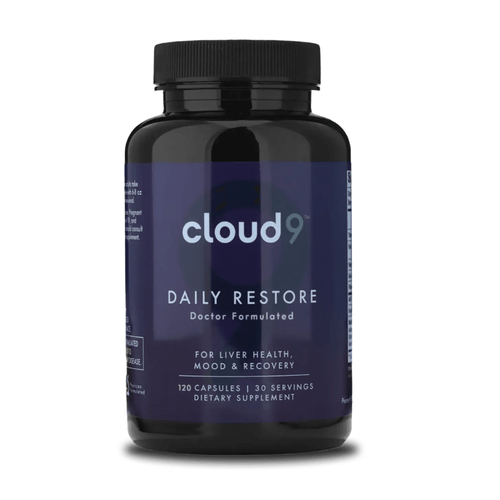
Cloud9 Daily Restore combines NAC, DHM, milk thistle, B vitamins, and ashwagandha to help support the pathways alcohol can tax most. Two capsules daily, drinking or not.
NAC | DHM | Milk Thistle | B Vitamins | Ashwagandha
See How Daily Restore WorksThe Brain Recovery Timeline: What to Expect
The First 72 Hours: Acute Withdrawal and Stabilization
The initial days after stopping alcohol can be the most challenging as your brain adjusts to functioning without a depressant it has become accustomed to. During this period, you may experience symptoms ranging from mild anxiety and restlessness to more severe withdrawal effects, depending on your drinking history.
Your brain chemistry is actively rebalancing during these first few days. The GABA and glutamate systems, which alcohol significantly disrupts, begin their initial adjustments. Sleep patterns may be disturbed, and you might notice heightened emotional sensitivity as your nervous system recalibrates.
Week 1-2: Early Cognitive Improvements
Many people report noticeable improvements in mental clarity within the first week or two. Brain fog begins to lift as inflammation decreases and your brain's energy metabolism becomes more efficient without alcohol's interference.
You may notice improvements in:
- Concentration and focus during daily tasks
- Short-term memory and recall abilities
- Response time and mental processing speed
- Sleep quality, particularly REM sleep cycles
- Mood stability throughout the day
Months 1-3: Neurotransmitter Rebalancing
This phase involves significant neurochemical healing as your brain works to restore natural dopamine, serotonin, and other neurotransmitter levels. The dependency on external substances for mood regulation gradually shifts back to internal production.
Research suggests that dopamine receptors, which may have been downregulated during regular drinking, begin to recover their sensitivity. This means activities that once felt less rewarding can start to feel genuinely enjoyable again. However, this period can also involve some emotional ups and downs as your brain chemistry continues adjusting.
Months 3-6: Structural Brain Recovery
Between three and six months, more substantial structural changes become evident. Brain imaging studies have shown measurable increases in gray matter volume during this period, particularly in the prefrontal cortex and other areas affected by alcohol use.
Your brain's neuroplasticity, or ability to form new neural connections, continues to improve. Cognitive functions that may have been impaired, such as executive function and complex problem-solving, show progressive enhancement throughout this phase.
6 Months to 1 Year: Long-Term Restoration
For many people, the most significant recovery milestones occur within the first year. Studies show that individuals who abstain from alcohol for a year or more can experience substantial restoration of brain volume and function, though the extent varies based on individual factors.
By this point, your brain has had time to rebuild neural pathways, restore neurotransmitter balance, and repair much of the structural damage caused by alcohol. Cognitive performance, emotional regulation, and mental health typically show marked improvement compared to the early recovery period.
Factors That Influence Your Recovery Timeline
Drinking Patterns and Duration
The amount and duration of your alcohol use significantly impact recovery time. Someone who drank moderately for a few years will likely experience faster recovery than someone who consumed heavily for decades. The brain's resilience is remarkable, but more extensive damage naturally requires more time to heal.
Binge drinking patterns can be particularly impactful on brain health, even if overall consumption isn't extreme. The repeated cycles of intoxication and withdrawal create additional stress on neural systems and may extend recovery timelines.
Age and Overall Health
Younger brains generally show faster recovery due to higher neuroplasticity and more robust regenerative capabilities. However, adults of any age can experience meaningful brain healing with sustained abstinence or reduced drinking.
Your overall health plays a crucial role in recovery speed. Factors like nutrition status, liver health, cardiovascular fitness, and the presence of other medical conditions all influence how quickly your brain can heal and rebuild.
Lifestyle Support for Brain Recovery
What you do during recovery matters as much as what you stop doing. Supporting your brain's healing process through intentional lifestyle choices can optimize outcomes and potentially accelerate recovery.
What Brain Recovery Actually Feels Like
The Non-Linear Nature of Healing
Brain recovery isn't a steady upward trajectory. Most people experience good days and challenging days, periods of rapid improvement followed by plateaus. This is completely normal and doesn't indicate failure or setback.
You might notice cognitive improvements in some areas before others. Memory might sharpen before anxiety fully subsides, or sleep might improve while emotional regulation still feels difficult. Each brain system operates on its own timeline, and patience with the process is essential.
The brain's ability to heal and adapt is one of the most encouraging aspects of recovery. While the timeline varies for everyone, consistent support for your brain's natural healing processes can make a meaningful difference in both the speed and quality of your recovery.
Measurable Improvements You Might Notice
Tracking your progress can help you recognize improvements that might otherwise go unnoticed in daily life. Some people find it helpful to journal about cognitive function, mood, and energy levels throughout their recovery journey.
Common improvements people report include:
- Waking up feeling more mentally refreshed and alert
- Remembering details from conversations and daily activities more easily
- Making decisions with greater clarity and confidence
- Experiencing more stable emotions without dramatic swings
- Feeling creative or intellectually engaged in ways that had felt dulled
- Noticing improved coordination and reaction time
- Experiencing genuine enjoyment from activities without needing alcohol
When to Seek Professional Support
While many aspects of brain recovery happen naturally with abstinence, some situations benefit from professional guidance. If you're experiencing severe or prolonged withdrawal symptoms, cognitive difficulties that significantly impact daily function, or co-occurring mental health challenges, medical support can be valuable.
Healthcare providers can assess whether additional interventions might support your recovery, such as nutritional supplementation for deficiencies common in heavy drinkers, medications to ease specific symptoms, or therapeutic approaches to address underlying issues related to alcohol use.
Optimizing Your Brain's Recovery Potential
Evidence-Based Strategies for Brain Health
While time and abstinence are the primary factors in brain recovery, certain practices can support optimal healing. These aren't quick fixes but rather foundations for long-term brain health that complement your body's natural recovery processes.
Research suggests that engaging multiple health domains simultaneously may have synergistic effects on brain recovery. Rather than perfecting one area, focusing on modest improvements across several lifestyle factors often yields the best results.
Nutrition for Neural Regeneration
Your brain requires specific nutrients to rebuild and repair. Chronic alcohol use often depletes essential vitamins and minerals, and replenishing these supports faster recovery.
- B Vitamins: Critical for neurotransmitter production and neural health, often depleted by alcohol
- Omega-3 Fatty Acids: Support brain structure and reduce neuroinflammation
- Antioxidants: Protect against oxidative stress from alcohol metabolism
- Magnesium: Supports neurotransmitter function and can help with sleep and anxiety
- Adequate Protein: Provides amino acids needed for neurotransmitter synthesis
Movement and Brain Plasticity
Exercise is one of the most powerful tools for supporting brain recovery. Physical activity increases blood flow to the brain, promotes the growth of new neurons, and triggers the release of brain-derived neurotrophic factor (BDNF), which supports neural plasticity and learning.
You don't need intense workouts to benefit. Research shows that even moderate activities like brisk walking, swimming, or cycling can support cognitive recovery. Consistency matters more than intensity, and finding movement you enjoy increases the likelihood you'll maintain it long-term.
How Daily Restore Supports Your Health
Understanding what your body needs is one thing. Getting consistent daily support is another. Daily Restore was designed to address the key pathways alcohol can stress most, in one simple daily formula.
NAC (N-Acetyl Cysteine)
Supports glutathione production and antioxidant defenses
DHM (Dihydromyricetin)
Supports alcohol metabolism
Milk Thistle (Silymarin)
Supports healthy liver function
B Vitamins
Help replenish nutrients involved in energy and metabolism
Ashwagandha
Supports stress resilience and healthy cortisol balance
Daily Restore is not a detox or a cure. It is a daily support formula designed for people who drink socially and want to give their body consistent, evidence-informed support.
Frequently Asked Questions
How long does it take for your brain to fully recover from alcohol?
Recovery timelines vary based on drinking patterns and individual factors. Research suggests that some cognitive improvements can begin within days to weeks of reducing alcohol intake, while structural brain changes may take several months to a year. Consistent healthy habits and proper nutritional support can help optimize this recovery process.
Can moderate drinking permanently damage your brain?
Studies show that even moderate drinking over time can impact brain structure and function, though effects are generally less severe than heavy drinking. The good news is that the brain has remarkable plasticity and can begin repairing itself when alcohol intake is reduced or eliminated. The extent of recovery depends on factors like duration of drinking, overall health, and lifestyle habits.
What nutrients help support brain recovery after drinking?
Key nutrients that may support brain health include B vitamins (especially B1, B6, and B12), omega-3 fatty acids, antioxidants like glutathione and vitamin C, and minerals such as magnesium and zinc. These nutrients help combat oxidative stress, support neurotransmitter function, and promote cellular repair processes that are essential for brain recovery.
Will my memory improve if I stop drinking?
Many people notice improvements in memory and cognitive function within weeks to months of reducing or stopping alcohol consumption. Research indicates that memory, attention, and executive function can all show measurable improvement as the brain recovers. The degree and speed of improvement vary by individual, but consistent healthy choices typically support better outcomes.
How can I protect my brain if I choose to drink occasionally?
Staying hydrated, eating nutritious meals, spacing out drinking occasions, and supporting your body with key nutrients can help minimize potential impacts. Consider daily supplements that provide antioxidants and liver support, maintain a consistent sleep schedule, and incorporate regular exercise and stress management practices into your routine.
The Bottom Line
Your brain is remarkably resilient, with the ability to heal and adapt when given the right support. While alcohol can impact cognitive function and brain structure, research consistently shows that reducing intake and providing proper nutritional support can help your brain begin recovering, sometimes in as little as a few weeks.
Recovery isn't just about what you stop doing, it's about what you start doing. Prioritizing hydration, quality sleep, regular movement, and nutrient-dense foods creates the foundation your brain needs to repair and thrive. Daily support through targeted supplementation can fill nutritional gaps and provide consistent antioxidant protection.
That's where Daily Restore comes in. Formulated with DHM, milk thistle, glutathione, B vitamins, and electrolytes, it provides comprehensive daily support for your brain and liver. Whether you're working on cutting back, taking regular breaks, or simply want to support your body's natural recovery processes, Daily Restore fits seamlessly into your routine.
The journey to better brain health doesn't require perfection, just consistency. Small, sustainable changes add up over time, and your brain has an incredible capacity to heal when you give it what it needs. Start supporting your recovery today with the right habits, the right nutrients, and a commitment to showing up for yourself every day.
Build Your Daily Support Routine
Build Your Daily Support Routine
If drinking is part of your lifestyle, your support routine should not be random. Daily Restore was designed to help social drinkers support liver health, antioxidant defenses, alcohol metabolism, nutrient replenishment, and daily recovery in one simple routine.
NAC
DHM
Milk Thistle
B Vitamins
Ashwagandha