

If you have a few drinks most nights, you might notice you don't bounce back the way you used to. Maybe you're more tired than usual, or your skin looks a little dull, or you just feel "off" more often. What you're experiencing might not be about willpower or age—it could be a nutrition problem that alcohol creates every time you drink.
Alcohol systematically depletes two of your liver's most critical nutrients: zinc and B vitamins. These aren't optional supplements for liver health. They're essential workers in the detoxification process, and when they run low, your liver struggles to do its job. The good news is that understanding this connection gives you a clear path to protect yourself.
Here's what happens when you drink regularly, why these specific nutrients matter so much, and how to replenish them effectively.
Quick Take
- Alcohol depletes zinc and B vitamins through increased urination, impaired absorption, and accelerated metabolic use during detoxification
- Zinc supports over 300 liver enzymes and helps neutralize acetaldehyde, the toxic compound that causes most alcohol-related damage
- B vitamins (especially B1, B2, B3, B6, and B12) are essential for breaking down alcohol and protecting liver cells from oxidative stress
- Chronic depletion of these nutrients can lead to fatty liver, inflammation, and impaired liver function even in moderate drinkers
- Strategic supplementation with bioavailable forms can help maintain liver health, but timing and formulation matter significantly
How Alcohol Creates a Nutrient Crisis in Your Liver
Your liver processes roughly 90% of the alcohol you consume, and this work is metabolically expensive. Research suggests that alcohol metabolism depletes nutrients through three primary mechanisms: increased urinary excretion, damage to the intestinal lining that impairs absorption, and accelerated use of nutrients during the detoxification process itself.
Zinc and B vitamins are particularly vulnerable because they're water-soluble, meaning your body doesn't store large reserves. Every time you drink, alcohol acts as a diuretic, flushing these nutrients out before your body can fully utilize them. Studies show that even moderate drinkers often test low in zinc and several B vitamins, particularly thiamine (B1) and pyridoxine (B6).
The problem compounds over time. As these nutrient levels drop, your liver's ability to process alcohol efficiently decreases, creating a cycle where each drink does progressively more damage. This is why people who drink regularly often feel worse over time, even if their consumption stays the same.
Daily Support for Social Drinkers
Your liver works hard every day. Give it consistent support.
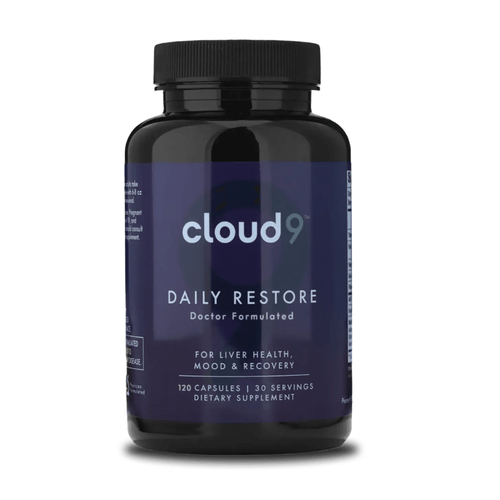
Cloud9 Daily Restore combines NAC, DHM, milk thistle, B vitamins, and ashwagandha to help support the pathways alcohol can tax most. Two capsules daily, drinking or not.
NAC | DHM | Milk Thistle | B Vitamins | Ashwagandha
See How Daily Restore WorksWhy Your Liver Needs Zinc to Process Alcohol Safely
Zinc is one of the most critical minerals for liver health, yet it's often overlooked in conversations about alcohol and nutrition. Your liver contains higher concentrations of zinc than almost any other organ, and there's a reason for that.
Zinc's Role in Alcohol Metabolism
Zinc serves as a cofactor for alcohol dehydrogenase (ADH), the primary enzyme your liver uses to break down alcohol. Without adequate zinc, this enzyme can't function efficiently, which means alcohol and its toxic byproducts linger longer in your system. Research suggests this延长ed exposure increases oxidative stress and inflammation throughout the liver.
Beyond basic metabolism, zinc helps neutralize acetaldehyde, the highly toxic compound produced when your body breaks down alcohol. Acetaldehyde is significantly more damaging than alcohol itself and is responsible for many of the negative effects associated with drinking, from hangover symptoms to long-term liver damage.
Signs You Might Be Zinc Deficient
Zinc deficiency develops gradually, and many people don't recognize the symptoms until levels are quite low. Common indicators include:
- Slower wound healing and increased susceptibility to infections
- Changes in taste or smell perception
- Skin issues like acne, eczema, or dermatitis
- Hair thinning or loss
- Poor appetite and digestive issues
- Difficulty concentrating and mood changes
If you drink regularly and experience several of these symptoms, depleted zinc levels may be contributing. Studies show that chronic alcohol consumption can reduce zinc levels by 30-50% in some individuals.

Which Form of Zinc Works Best
Not all zinc supplements are created equal. Absorption rates vary significantly depending on the form, and this matters when you're trying to replenish depleted stores quickly.
| Zinc Form | Absorption Rate | Best For |
|---|---|---|
| Zinc Bisglycinate | High (43-48%) | Regular supplementation, gentle on stomach |
| Zinc Picolinate | High (40-45%) | Rapid replenishment, good bioavailability |
| Zinc Citrate | Moderate (30-35%) | Budget-friendly, decent absorption |
| Zinc Oxide | Low (15-20%) | Topical use only, avoid for supplementation |
| Zinc Sulfate | Low (22-25%) | Inexpensive but may cause stomach upset |
For liver support in regular drinkers, zinc bisglycinate or picolinate offer the best combination of absorption and tolerability. Most people benefit from 15-30mg of elemental zinc daily, though individual needs vary based on drinking patterns and baseline nutritional status.
The B Vitamin Complex: Your Liver's Detox Team
While zinc provides structural support for liver enzymes, B vitamins are the workers that make detoxification possible. These eight water-soluble vitamins work synergistically, and alcohol depletes nearly all of them.
Thiamine (B1): The First Line of Defense
Thiamine deficiency is one of the most common nutritional problems in people who drink regularly. Your body uses thiamine to convert carbohydrates into energy, and alcohol metabolism requires enormous amounts of this process. Studies indicate that up to 80% of people with alcohol use disorder show thiamine deficiency, but even moderate drinkers often have suboptimal levels.
The consequences extend beyond energy. Severe thiamine deficiency can lead to Wernicke-Korsakoff syndrome, a serious neurological condition. Even mild deficiency contributes to fatigue, confusion, and impaired liver function.
The relationship between alcohol and B vitamins isn't just about depletion. Alcohol actually impairs your body's ability to convert B vitamins into their active forms, meaning you need more of these nutrients just to maintain normal function.
Riboflavin (B2) and Niacin (B3): Energy and Protection
Riboflavin and niacin work together in the electron transport chain, the cellular process that generates energy. When you drink, your liver cells work overtime and require significantly more energy than usual. Research suggests that riboflavin deficiency slows this process, forcing your liver to work harder and accumulate more damage.
Niacin has an additional protective role. It helps produce NAD+ (nicotinamide adenine dinucleotide), a molecule essential for cellular repair and longevity. Alcohol depletes NAD+ rapidly, and maintaining adequate niacin levels helps your body replenish these stores more efficiently.
Pyridoxine (B6): Managing Inflammation
Vitamin B6 helps regulate homocysteine, an amino acid that becomes inflammatory when levels rise too high. Alcohol consumption increases homocysteine production while simultaneously depleting B6, creating a perfect storm for liver inflammation. Studies show that adequate B6 intake can help moderate this inflammatory response.
B6 also supports the synthesis of glutathione, your liver's most powerful antioxidant. When glutathione levels drop, oxidative stress increases dramatically, accelerating liver damage. By supporting glutathione production, B6 provides indirect but crucial protection.
Folate (B9) and Cobalamin (B12): Cellular Repair
These two vitamins work together to support DNA synthesis and repair, processes that are critical when liver cells are under stress from alcohol. Folate deficiency is particularly common in regular drinkers because alcohol interferes with folate absorption in the small intestine.
The combination of folate and B12 also helps regulate methylation, a biochemical process essential for detoxification. When methylation is impaired, your liver struggles to process toxins efficiently, and damage accumulates more quickly.
Creating an Effective Supplementation Strategy
Understanding which nutrients you need is only half the equation. Timing, dosage, and combination matter significantly when you're trying to support liver health while continuing to drink.
Optimal Dosing for Regular Drinkers
Research suggests that people who drink regularly need higher doses of zinc and B vitamins than the standard recommended daily allowances. These levels reflect increased metabolic demands and ongoing depletion:
- Zinc: 20-30mg of elemental zinc daily, preferably bisglycinate or picolinate form
- Thiamine (B1): 50-100mg daily, taken in divided doses if possible
- Riboflavin (B2): 25-50mg daily
- Niacin (B3): 50-100mg daily (as niacinamide to avoid flushing)
- Pyridoxine (B6): 25-50mg daily, preferably as P-5-P (active form)
- Folate (B9): 400-800mcg daily as methylfolate, not folic acid
- Cobalamin (B12): 500-1000mcg daily as methylcobalamin
When to Take Supplements for Maximum Benefit
Timing can significantly impact absorption and effectiveness. For liver support in regular drinkers, consider this approach:
- Take zinc on an empty stomach or with a small meal, but not with coffee or high-fiber foods that can impair absorption
- B vitamins are best absorbed with food and earlier in the day, as they can boost energy and potentially interfere with sleep if taken late
- If you drink in the evening, consider taking a B-complex supplement in the morning and after drinking to bookend the depletion
- Space zinc at least 2 hours away from calcium or iron supplements, as these minerals compete for absorption
What Else Your Liver Needs
While zinc and B vitamins are critical, they work best as part of a comprehensive approach to liver health. Other supportive nutrients include:
- Vitamin C: Helps regenerate glutathione and supports immune function (500-1000mg daily)
- Vitamin E: Protects cell membranes from oxidative damage (200-400 IU daily as mixed tocopherols)
- Magnesium: Supports hundreds of enzymatic processes and is also depleted by alcohol (300-400mg daily as glycinate or threonate)
- Selenium: Essential for glutathione peroxidase, a key antioxidant enzyme (200mcg daily)
- Milk Thistle (Silymarin): Traditional liver support herb with research backing its protective effects (300-600mg daily)
Recognizing When Supplementation Isn't Enough
Strategic supplementation can help protect your liver and mitigate some effects of regular drinking, but it's not a free pass. There are clear signs that your liver needs more than nutritional support.
Warning Signs to Watch For
These symptoms may indicate that alcohol is causing significant liver stress or damage, even with proper supplementation:
- Persistent fatigue that doesn't improve with rest or nutrition
- Yellowing of skin or eyes (jaundice)
- Dark urine or pale stools
- Abdominal pain or swelling, particularly in the upper right quadrant
- Easy bruising or bleeding
- Confusion, memory problems, or mood changes
- Significant changes in appetite or unexplained weight loss
If you experience any of these symptoms, it's essential to see a healthcare provider for proper evaluation. Blood tests can assess liver function and help determine whether you need medical intervention beyond supplementation.
The Limits of Harm Reduction
Zinc and B vitamins can help mitigate some of alcohol's effects, but they can't eliminate the risks entirely. Research consistently shows that alcohol consumption at any level carries some health risks, and the protective effects of supplementation have limits.
The most effective strategy combines three elements: reduced alcohol consumption when possible, strategic nutritional support to protect your liver during periods when you do drink, and regular monitoring of liver health through blood work. Supplements are one tool in a larger harm reduction approach, not a solution that makes heavy drinking safe.
How Daily Restore Supports Your Health
Understanding what your body needs is one thing. Getting consistent daily support is another. Daily Restore was designed to address the key pathways alcohol can stress most, in one simple daily formula.
NAC (N-Acetyl Cysteine)
Supports glutathione production and antioxidant defenses
DHM (Dihydromyricetin)
Supports alcohol metabolism
Milk Thistle (Silymarin)
Supports healthy liver function
B Vitamins
Help replenish nutrients involved in energy and metabolism
Ashwagandha
Supports stress resilience and healthy cortisol balance
Daily Restore is not a detox or a cure. It is a daily support formula designed for people who drink socially and want to give their body consistent, evidence-informed support.
Frequently Asked Questions
How long does it take to see results from taking zinc and B vitamins for liver health?
Most people notice improvements in energy and overall well-being within 2-4 weeks of consistent supplementation, though this varies by individual. Liver function markers may show positive changes over several months when combined with reduced alcohol intake and healthy lifestyle habits. Consistency is key for supporting your body's natural recovery processes.
Can I take zinc and B vitamins if I only drink occasionally?
Yes, these nutrients support overall health even if you drink infrequently. Occasional drinking can still deplete B vitamins and zinc temporarily, and many people have suboptimal levels of these nutrients regardless of alcohol consumption. Supporting your baseline nutrient status helps ensure your body has what it needs when you do choose to drink.
Are there any side effects to taking zinc and B vitamins together?
When taken at appropriate doses, zinc and B vitamins are generally well-tolerated and work synergistically. Some people may experience mild nausea if taking zinc on an empty stomach, so it's best taken with food. If you're taking other medications or have existing health conditions, consult with a healthcare provider before starting any new supplement routine.
Should I take these supplements on the days I drink, or every day?
Daily supplementation provides the most consistent support for liver health and helps maintain steady nutrient levels. Taking zinc and B vitamins only on drinking days means you're playing catch-up rather than providing ongoing support. A daily routine helps your liver function optimally whether you're drinking or not.
Can supplements replace the need to cut back on drinking?
No supplement can fully counteract the effects of excessive alcohol consumption. Zinc and B vitamins help support your liver's natural detoxification processes, but reducing alcohol intake remains the most important step for liver health. Think of supplementation as a supportive tool that works best alongside mindful drinking habits and overall healthy lifestyle choices.
The Bottom Line
If you drink regularly, your liver works overtime to process alcohol while managing hundreds of other essential functions. This constant demand depletes critical nutrients like zinc and B vitamins, which your liver needs to detoxify efficiently, regenerate cells, and protect itself from oxidative damage. Replenishing these nutrients can help support your liver's natural resilience.
The good news is that supporting your liver doesn't require a complete lifestyle overhaul. Small, consistent choices like taking quality supplements, eating nutrient-dense foods, and being more mindful about your drinking habits can make a meaningful difference over time. Your liver has a remarkable ability to recover when given the right support.
Cloud9's Daily Restore was specifically designed to address these nutritional gaps with clinically-studied doses of zinc, B vitamins, and other liver-supporting nutrients. Taking it daily helps ensure your body has what it needs to handle alcohol more effectively while supporting your overall health and energy levels.
Remember, supplements work best as part of a broader approach to wellness. Combine Daily Restore with adequate hydration, quality sleep, and mindful drinking habits for the most comprehensive support. Your liver does so much for you, giving it the nutrients it needs is one of the simplest ways to return the favor.
Build Your Daily Support Routine
Build Your Daily Support Routine
If drinking is part of your lifestyle, your support routine should not be random. Daily Restore was designed to help social drinkers support liver health, antioxidant defenses, alcohol metabolism, nutrient replenishment, and daily recovery in one simple routine.
NAC
DHM
Milk Thistle
B Vitamins
Ashwagandha