

You've probably tried the typical mindful drinking strategies: setting limits before you go out, alternating with water, choosing lower-alcohol options. These can work, but they often feel like willpower tests that eventually wear you down. There's a different approach that works from the inside out, and it doesn't require saying no to anything.
Writing down how you actually feel after drinking creates something no other strategy can: a personal data trail that your brain can't ignore or rationalize away. It's not about judgment or shame. It's about creating clarity that changes your relationship with alcohol naturally, without relying on rules or restrictions.
This simple practice has helped thousands of people shift their drinking patterns more effectively than any other single tool. Here's why it works so well, and how to use it for yourself.
Quick Take
- Writing down post-drinking feelings creates undeniable patterns your brain can't rationalize away
- The act of tracking shifts behavior more effectively than willpower-based limits
- Physical and emotional symptoms become clearer when documented rather than dismissed
- Morning-after journaling reveals the true cost-benefit ratio of drinking decisions
- This practice naturally reduces drinking without feeling restrictive or punitive
The Science Behind Why Tracking Changes Behavior
Research in behavioral psychology consistently shows that self-monitoring is one of the most powerful tools for changing any habit. When we track a behavior and its consequences, we create what scientists call "self-awareness loops" that interrupt automatic patterns. This works especially well with drinking because alcohol itself clouds our memory and judgment about how it actually affects us.
Studies on habit formation suggest that awareness often precedes change more effectively than willpower or restriction. When you write down how you feel after drinking, you're not fighting against a craving or denying yourself something you want. You're simply collecting honest data about cause and effect in your own life.
The morning after drinking, we naturally minimize or forget the uncomfortable parts. We tell ourselves it wasn't that bad, or that we had fun so it was worth it. Written records don't let us do this. They create a pattern that becomes impossible to ignore over time, which is exactly why this tool works when others don't.
Daily Support for Social Drinkers
Your liver works hard every day. Give it consistent support.
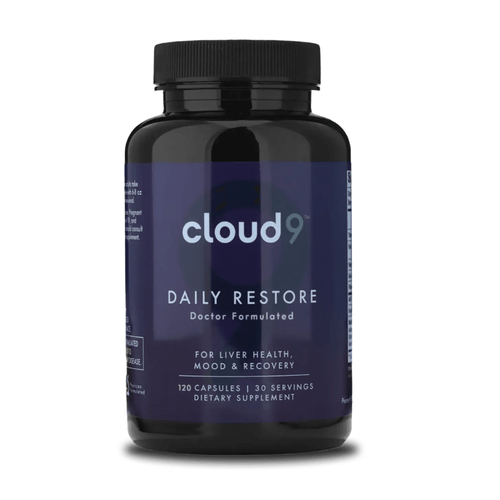
Cloud9 Daily Restore combines NAC, DHM, milk thistle, B vitamins, and ashwagandha to help support the pathways alcohol can tax most. Two capsules daily, drinking or not.
NAC | DHM | Milk Thistle | B Vitamins | Ashwagandha
See How Daily Restore WorksWhat Happens When You Actually Write It Down
The magic of this practice isn't in reading motivational content about drinking less. It's in the specific, personal observations you make about your own experience. When you document how you actually feel, patterns emerge that generic advice could never capture.
The Physical Reality Check
Most of us have a vague sense that drinking affects our sleep, energy, or digestion. But "vague sense" doesn't change behavior. Specific documentation does. When you write down that you woke up at 3 AM for the third night in a row after having wine with dinner, or that your anxiety was noticeably higher the day after drinks with friends, you create concrete evidence your brain has to process.
Common physical effects people notice when they start tracking include:
- Sleep disruption, even from small amounts
- Next-day energy crashes that last longer than expected
- Digestive issues that correlate directly with drinking
- Skin changes, puffiness, or inflammation patterns
- Exercise performance decline that tracks with alcohol intake
- Headaches or body aches that seem minor but are consistent
The Emotional Pattern You Can't Unsee
Physical symptoms are one thing. The emotional patterns are often more revealing and more motivating. Many people discover that alcohol's effect on their mood, anxiety, and mental clarity is far more significant than they realized when they weren't paying attention.
Writing down your emotional state the morning after, and then again later in the day, reveals patterns that change everything. You might notice that social events feel fun in the moment but leave you feeling disconnected or empty the next day. Or that the relaxation you seek from evening wine is consistently followed by worse sleep and higher anxiety.

The Cost-Benefit Analysis That Actually Works
Every time you drink, you're making an unconscious cost-benefit calculation. The problem is that alcohol affects the very brain regions responsible for accurate assessment. You remember the fun, forget the hangover details, and minimize the next-day fatigue.
A written record flips this script. When you can look back over two weeks and see that every single time you had more than two drinks, you felt anxious the next day and your productivity dropped, the cost-benefit ratio becomes crystal clear. Not because someone told you drinking is bad, but because you have your own evidence.
The real power isn't in the writing itself. It's in the pattern recognition that happens when you can no longer dismiss or forget how alcohol actually makes you feel. Your own words become more convincing than any external advice could ever be.
How to Track Your Post-Drinking Experience
This practice only works if you actually do it, which means it needs to be simple enough to maintain. Complicated tracking systems get abandoned. The goal is honest observation, not perfect documentation.
What to Write Down
Keep it straightforward. The most useful tracking includes three basic elements: what you drank, when you drank it, and how you felt afterward. You don't need elaborate detail, just honest answers to simple questions.
| Tracking Category | What to Note |
|---|---|
| Drinking Details | Type and amount of alcohol, timing, social context |
| Sleep Quality | How long you slept, how many times you woke, morning restedness |
| Physical State | Energy level, headaches, digestion, body aches, skin condition |
| Emotional State | Mood, anxiety level, mental clarity, motivation, emotional stability |
| Next-Day Impact | Productivity, social interactions, exercise ability, overall well-being |
When to Write
Timing matters. The most powerful tracking happens in two phases: the morning after and then again later that day or the following day. Morning captures the immediate physical effects, while the second check-in catches the emotional and cognitive impacts that often don't show up right away.
Many people find that anxiety, low motivation, or brain fog peaks not the morning after drinking but 24 to 48 hours later. If you only track immediately after, you miss this delayed effect that might be the most significant cost of all.
The Format That Works
Use whatever format you'll actually maintain. Some people prefer a simple note on their phone. Others like a dedicated journal. The medium doesn't matter as much as the consistency and honesty.
What does matter is keeping your entries where you can review them. The power of this practice comes from seeing patterns over time, not from individual entries. Weekly or monthly reviews of your tracking reveal insights that daily entries alone cannot provide.
Why This Works When Other Strategies Don't
Most mindful drinking strategies rely on external rules or willpower. Don't drink more than two glasses. Wait until the weekend. Alternate with water. These can help, but they're fighting against your brain's desire for the immediate reward of alcohol.
It Creates Internal Motivation
Writing down how you feel shifts the entire framework from restriction to preference. You're not telling yourself you can't drink. You're discovering that you don't want to feel the way drinking makes you feel. This internal motivation is far more sustainable than external rules.
Research on behavior change suggests that intrinsic motivation (doing something because you genuinely want to) is significantly more effective long-term than extrinsic motivation (following rules or meeting external standards). Your own documented experience creates intrinsic motivation that no rule-based system can match.
It Bypasses Denial and Rationalization
Our brains are incredibly skilled at rationalization, especially around alcohol. We convince ourselves that we didn't drink that much, that we feel fine, that one night won't matter. Written records make this impossible. Your own words from this morning can't be argued with tonight.
This is particularly powerful for people who have tried to "drink less" many times before. The cycle typically goes: decide to cut back, do well for a while, gradually let standards slip, convince yourself it's not a big deal, return to previous patterns. Tracking interrupts this cycle at the rationalization stage.
It Reveals Your Personal Truth
Generic drinking guidelines can't account for your unique biology, mental health, life circumstances, or goals. Some people feel terrible after one glass of wine. Others notice minimal physical impact but significant emotional effects. Your tracking reveals your specific relationship with alcohol, not a one-size-fits-all standard.
This personalized insight is what makes the practice so effective. You're not following someone else's rules about what's healthy or moderate. You're responding to your own evidence about what serves your life and what doesn't.
What People Discover When They Start Tracking
The patterns that emerge from consistent tracking are often surprising, even for people who thought they had a good handle on how alcohol affected them. Here are the most common revelations that change drinking behavior.
The Two-Day Impact
Many people discover that alcohol's effects last much longer than they realized. The physical hangover might be gone by afternoon, but the emotional hangover, cognitive impact, and energy depletion often extend for 48 hours or more. When you track this pattern repeatedly, the actual cost of drinking becomes much clearer.
The Sleep Disruption You Normalized
Alcohol is sedating, which makes people think it helps with sleep. But research consistently shows it disrupts sleep architecture, particularly REM sleep and deep sleep. Many people who track their sleep after drinking discover they're waking multiple times per night and feeling unrested even after eight hours in bed. Once you see this pattern in writing, it's hard to keep telling yourself that wine helps you sleep.
The Anxiety Connection
The relationship between alcohol and anxiety is bidirectional and often invisible without tracking. Many people drink to manage social anxiety or stress, not realizing that alcohol significantly increases baseline anxiety the following day. This creates a cycle where drinking causes the very problem it's being used to solve.
- Next-day anxiety that feels like it's about work or relationships but is actually physiological
- Increased reactivity and emotional sensitivity in the 24-48 hours post-drinking
- Lower stress tolerance that makes normal challenges feel overwhelming
- Racing thoughts or rumination that correlates directly with drinking frequency
The Productivity Pattern
Even when people don't feel physically hungover, tracking often reveals significant impacts on focus, creativity, and motivation. That foggy, low-energy day after social drinks isn't just coincidence. It's a documented pattern that becomes obvious when you write it down week after week.
How Daily Restore Supports Your Health
Understanding what your body needs is one thing. Getting consistent daily support is another. Daily Restore was designed to address the key pathways alcohol can stress most, in one simple daily formula.
NAC (N-Acetyl Cysteine)
Supports glutathione production and antioxidant defenses
DHM (Dihydromyricetin)
Supports alcohol metabolism
Milk Thistle (Silymarin)
Supports healthy liver function
B Vitamins
Help replenish nutrients involved in energy and metabolism
Ashwagandha
Supports stress resilience and healthy cortisol balance
Daily Restore is not a detox or a cure. It is a daily support formula designed for people who drink socially and want to give their body consistent, evidence-informed support.
Frequently Asked Questions
What should I write in my drinking journal?
Focus on how you feel physically and emotionally after drinking: your energy levels, sleep quality, mood, anxiety, and any physical symptoms. You might also note what triggered the decision to drink and how much you consumed. The goal is honest observation, not judgment.
How long should I keep a drinking journal before I see patterns?
Most people start noticing meaningful patterns within two to four weeks of consistent tracking. However, even a single week of honest journaling can reveal surprising connections between your drinking and how you feel. The key is consistency rather than duration.
Is it better to journal in the morning or at night?
Morning journaling tends to be most effective because that's when you're likely experiencing the full effects of previous night's drinking, including sleep disruption, anxiety, or physical symptoms. Writing while these feelings are fresh creates stronger connections in your mind between drinking and its consequences.
What if I don't have time to journal every day?
Even brief notes can be valuable. Try keeping a simple rating system on your phone: rate your sleep, energy, and mood on a scale of 1 to 10 each morning. Over time, you'll likely notice lower scores following drinking nights, which can be just as motivating as detailed entries.
Can journaling really change my drinking habits?
Research suggests that self-monitoring is one of the most effective behavior change tools available. Writing down how you feel creates awareness, and awareness is often the first step toward change. While journaling alone may not solve everything, it can significantly increase your motivation to make different choices.
The Bottom Line
Writing down how you feel after drinking is one of the simplest yet most powerful tools for changing your relationship with alcohol. It transforms vague discomfort into concrete data, making the true cost of drinking impossible to ignore or forget. When you see patterns in your own handwriting, the connection between your choices and their consequences becomes undeniable.
The key is honest, consistent observation without self-judgment. You're not documenting failures, you're gathering information that can help you make better decisions. Over time, this practice builds the kind of self-awareness that makes mindful drinking feel natural rather than forced.
Pairing your journaling practice with Daily Restore can provide comprehensive support for your mindful drinking journey. While you're tracking patterns and building awareness through writing, Daily Restore works behind the scenes to support your body's natural recovery processes with ingredients like DHM, milk thistle, and B vitamins. This combination addresses both the mental and physical aspects of changing your drinking habits.
Remember, sustainable change happens through small, consistent actions. Start with just a few sentences each morning. Notice what you notice. Let your own experience guide you toward the balance that feels right for your life.
Build Your Daily Support Routine
Build Your Daily Support Routine
If drinking is part of your lifestyle, your support routine should not be random. Daily Restore was designed to help social drinkers support liver health, antioxidant defenses, alcohol metabolism, nutrient replenishment, and daily recovery in one simple routine.
NAC
DHM
Milk Thistle
B Vitamins
Ashwagandha