

You had two glasses of wine at dinner, nothing excessive. But the next morning, you're wide awake at 5 AM with your heart racing and an overwhelming sense of dread about things that seemed perfectly fine yesterday. Sound familiar?
This phenomenon, dubbed "hangxiety," affects women differently than men, and it's not just in your head. Understanding why your body responds this way can help you make informed choices and find real relief.
Let's explore the biological reasons behind hangxiety and, more importantly, what you can actually do about it.
Quick Take
- Women process alcohol differently due to lower levels of alcohol dehydrogenase enzyme and higher body fat percentages, leading to more intense hangover symptoms
- Hormonal fluctuations throughout the menstrual cycle can amplify anxiety responses, making hangxiety worse during certain phases
- Alcohol disrupts GABA and glutamate balance, creating a rebound anxiety effect that women may experience more intensely
- Supporting your nervous system with targeted nutrients like L-theanine, magnesium, and B vitamins can help ease hangxiety symptoms
- Strategic hydration, blood sugar management, and recovery practices can significantly reduce next-day anxiety
The Science Behind Women and Alcohol Metabolism
Women's bodies process alcohol fundamentally differently than men's bodies. Research suggests that women have lower concentrations of alcohol dehydrogenase, the enzyme responsible for breaking down alcohol in the stomach before it enters the bloodstream. This means more alcohol reaches your system, even when drinking the same amount as a male counterpart.
Additionally, women typically have a higher percentage of body fat and lower percentage of water compared to men. Since alcohol is water-soluble, it becomes more concentrated in women's bodies. This biological difference means the same number of drinks can lead to higher blood alcohol levels and more intense hangover symptoms, including anxiety.
The metabolic byproducts of alcohol, particularly acetaldehyde, can linger longer in women's systems. These compounds trigger inflammatory responses and disrupt neurotransmitter balance, setting the stage for next-day anxiety.
Daily Support for Social Drinkers
Your liver works hard every day. Give it consistent support.
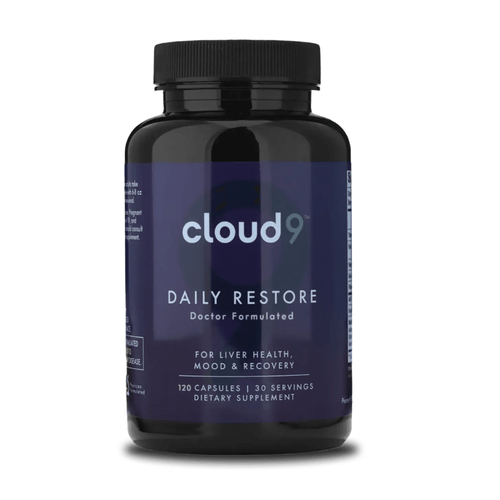
Cloud9 Daily Restore combines NAC, DHM, milk thistle, B vitamins, and ashwagandha to help support the pathways alcohol can tax most. Two capsules daily, drinking or not.
NAC | DHM | Milk Thistle | B Vitamins | Ashwagandha
See How Daily Restore WorksHow Hormones Amplify Hangxiety
Your menstrual cycle plays a significant role in how alcohol affects you and how intensely you experience hangxiety. Hormonal fluctuations throughout your cycle can make the same amount of alcohol hit differently depending on where you are in your cycle.
The Luteal Phase Connection
During the luteal phase (the two weeks before your period), progesterone levels rise and then drop sharply if pregnancy doesn't occur. This hormonal shift already makes you more susceptible to anxiety. When you add alcohol to the mix, which further disrupts these delicate hormonal balances, hangxiety can intensify significantly.
Studies show that women in the luteal phase may experience stronger alcohol effects and more severe hangovers. The combination of fluctuating progesterone and alcohol's impact on GABA receptors creates a perfect storm for next-day anxiety.
Estrogen's Role in Sensitivity
Estrogen affects how quickly your body metabolizes alcohol. Higher estrogen levels can slow alcohol elimination, meaning it stays in your system longer. This is particularly relevant during the follicular phase and around ovulation when estrogen peaks.
These hormonal influences aren't just theoretical. They affect real experiences, which is why you might notice that the same two drinks can feel manageable one week and overwhelming the next.
The Neurotransmitter Rollercoaster
To understand hangxiety, you need to understand what alcohol does to your brain chemistry. Alcohol acts as a depressant, enhancing the effects of GABA (gamma-aminobutyric acid), your brain's primary calming neurotransmitter, while suppressing glutamate, which is excitatory.
This is why you feel relaxed and less anxious while drinking. But here's where the problem starts: your brain adapts to these changes.
The Rebound Effect
As alcohol leaves your system, your brain rebounds. GABA activity drops below baseline while glutamate surges, creating a state of hyperexcitability. Your nervous system goes into overdrive, which manifests as anxiety, racing thoughts, and that characteristic sense of dread.
Research suggests women may be more sensitive to these neurotransmitter fluctuations. The hormonal factors we discussed earlier can intensify this rebound effect, making the anxiety more pronounced and longer-lasting.
Understanding that hangxiety has a biological basis can be incredibly validating. It's not a character flaw or a sign that something is wrong with you. It's your body's natural response to a substance that disrupts delicate neurochemical balances.
Cortisol and the Stress Response
Alcohol consumption triggers cortisol release, your body's primary stress hormone. While you're drinking, you might not notice this effect due to alcohol's sedating properties. But the next day, elevated cortisol contributes to feelings of anxiety and unease.
Women's stress response systems may be more reactive to alcohol-induced cortisol spikes. This heightened sensitivity can translate to more intense morning-after anxiety and a longer recovery period.

Practical Strategies to Prevent and Ease Hangxiety
Understanding the why is empowering, but knowing what to do about it is essential. These evidence-based strategies can help you support your nervous system and reduce hangxiety intensity.
Before You Drink: Prevention Strategies
Setting yourself up for success starts before you take that first sip. Your preparation can significantly impact how you feel the next day.
- Eat a substantial meal: Food, especially protein and healthy fats, slows alcohol absorption and helps stabilize blood sugar levels
- Hydrate thoroughly: Start your evening well-hydrated, aiming for at least 16 ounces of water before drinking
- Consider your cycle: Be mindful of where you are in your menstrual cycle and adjust consumption accordingly
- Take supporting nutrients: B vitamins and magnesium before drinking can help support your body's metabolic processes
- Set intentions: Decide in advance how many drinks you'll have and pace yourself with water between alcoholic beverages
During Drinking: Damage Control
What you do while drinking matters just as much as preparation. These real-time strategies can minimize next-day consequences.
| Strategy | Why It Helps |
|---|---|
| 1:1 water ratio | Maintains hydration and slows drinking pace, reducing total alcohol consumed |
| Avoid sugary mixers | Prevents blood sugar spikes and crashes that can worsen anxiety symptoms |
| Stop 2-3 hours before bed | Allows your body to begin metabolizing alcohol before sleep, improving sleep quality |
| Choose clear spirits | Contains fewer congeners (toxic byproducts) that can intensify hangover symptoms |
| Snack strategically | Maintains stable blood sugar, which supports mood and anxiety regulation |
The Morning After: Recovery Tactics
If you're already experiencing hangxiety, these approaches can help calm your nervous system and support recovery. The key is addressing multiple systems simultaneously: hydration, blood sugar, nutrient replenishment, and nervous system regulation.
- Rehydrate with electrolytes: Plain water isn't enough. You need sodium, potassium, and magnesium to properly rehydrate at the cellular level
- Eat a balanced breakfast: Include protein, complex carbs, and healthy fats to stabilize blood sugar and provide building blocks for neurotransmitter production
- Support GABA naturally: L-theanine from green tea can help restore calming neurotransmitter balance without making you drowsy
- Practice nervous system regulation: Gentle movement, breathwork, or a warm shower can activate your parasympathetic nervous system
- Avoid caffeine overload: While a small amount might help with the headache, too much can amplify anxiety and dehydration
- Get outside: Natural light and fresh air can help regulate cortisol levels and improve mood
Supplements That May Support Hangxiety Relief
Certain nutrients can help support your body's natural recovery processes and ease anxiety symptoms. While supplements aren't magic bullets, they can provide meaningful support when used strategically.
Research suggests that L-theanine, an amino acid found in tea, can promote relaxation without sedation by supporting healthy GABA levels. Magnesium helps regulate the stress response and supports hundreds of enzymatic processes involved in detoxification. B vitamins, particularly B6 and B12, are depleted by alcohol and are essential for neurotransmitter production.
Other compounds that may help include NAC (N-acetyl cysteine), which supports glutathione production for detoxification, and adaptogenic herbs like rhodiola or ashwagandha, which can help modulate the stress response. Always consult with a healthcare provider before starting new supplements, especially if you're taking medications.
When Hangxiety Signals Something Bigger
For most women, occasional hangxiety is uncomfortable but manageable. However, there are times when it's worth examining your relationship with alcohol more closely.
Red Flags to Watch For
If you notice any of these patterns, it may be time to reassess. Drinking despite knowing you'll experience severe hangxiety, needing alcohol to manage social anxiety, or finding that hangxiety is interfering with your work or relationships are all signs that warrant attention.
Persistent anxiety that doesn't resolve as the hangover fades could indicate an underlying anxiety disorder that alcohol is masking or worsening. In this case, addressing the root anxiety with professional support may be more effective than managing hangxiety symptoms.
The Tolerance Trap
Some women find themselves drinking more frequently in an attempt to avoid withdrawal-related anxiety between drinking episodes. This can create a cycle where you're drinking to manage the anxiety caused by previous drinking.
If you find yourself thinking about drinking to relieve anxiety, or if the days between drinking feel increasingly uncomfortable, these are important signals to discuss with a healthcare provider or mental health professional.
How Daily Restore Supports Your Health
Understanding what your body needs is one thing. Getting consistent daily support is another. Daily Restore was designed to address the key pathways alcohol can stress most, in one simple daily formula.
NAC (N-Acetyl Cysteine)
Supports glutathione production and antioxidant defenses
DHM (Dihydromyricetin)
Supports alcohol metabolism
Milk Thistle (Silymarin)
Supports healthy liver function
B Vitamins
Help replenish nutrients involved in energy and metabolism
Ashwagandha
Supports stress resilience and healthy cortisol balance
Daily Restore is not a detox or a cure. It is a daily support formula designed for people who drink socially and want to give their body consistent, evidence-informed support.
Frequently Asked Questions
Why do I feel more anxious after drinking than my male friends do?
Women metabolize alcohol differently due to lower levels of the enzyme alcohol dehydrogenase, which means alcohol stays in your system longer and can have more pronounced effects on neurotransmitters like GABA and glutamate. Hormonal fluctuations throughout your menstrual cycle can also amplify anxiety symptoms, making hangxiety hit harder and last longer than it might for men.
Does hangxiety get worse as you get older?
Research suggests that alcohol tolerance tends to decrease with age, and recovery times may lengthen, which can make hangxiety symptoms feel more intense. Additionally, life stressors and hormonal changes, particularly during perimenopause, can compound anxiety responses to alcohol consumption.
Can supplements really help with hangxiety?
While supplements can't eliminate hangxiety entirely, certain nutrients and botanicals may help support your body's stress response and neurotransmitter balance. Ingredients like rhodiola, L-theanine, and B vitamins have been studied for their potential to support mood regulation and help your nervous system recover more efficiently after alcohol consumption.
Should I avoid alcohol completely if I experience hangxiety?
That's a personal decision that depends on how severely hangxiety affects your quality of life. Some women find that reducing their intake, spacing drinks with water, or avoiding drinking during certain phases of their menstrual cycle can help minimize symptoms. If hangxiety is significantly impacting your mental health or daily functioning, it may be worth discussing your relationship with alcohol with a healthcare provider.
How long does hangxiety typically last?
Hangxiety symptoms can last anywhere from a few hours to a full day or more, depending on how much you drank, your individual physiology, and your baseline stress levels. For some women, the psychological effects may linger even after physical hangover symptoms have resolved, particularly if the experience triggered rumination or shame spirals.
The Bottom Line
Hangxiety isn't just in your head, and it's not a sign of weakness. The biological reality is that women's bodies process alcohol differently, and hormonal fluctuations can amplify anxiety responses in ways that men simply don't experience to the same degree. Understanding these differences can help you make more informed choices about drinking and give yourself grace when hangxiety does strike.
While there's no magic cure for hangxiety, a combination of practical strategies can make a real difference. Staying hydrated, eating balanced meals, limiting your intake, and being mindful of where you are in your cycle can all help minimize symptoms. Just as importantly, challenging the negative thought patterns that often accompany hangxiety can prevent a temporary discomfort from spiraling into something more distressing.
That's where Daily Restore comes in. Formulated specifically to support your body's natural stress response and mood balance, it's designed to work with your system day after day, not just when you're recovering from a night out. With ingredients like rhodiola, ashwagandha, and L-theanine, Daily Restore may help build resilience in your nervous system over time, making it easier to bounce back when life (or last night) throws you off balance.
The most important thing to remember is that you're not alone in this experience, and you don't have to just push through it. Taking care of your mental health is just as important as taking care of your physical health, and small, consistent habits can add up to real improvements in how you feel, both after drinking and every other day of the week.
Build Your Daily Support Routine
Build Your Daily Support Routine
If drinking is part of your lifestyle, your support routine should not be random. Daily Restore was designed to help social drinkers support liver health, antioxidant defenses, alcohol metabolism, nutrient replenishment, and daily recovery in one simple routine.
NAC
DHM
Milk Thistle
B Vitamins
Ashwagandha