

You've probably heard the advice before: drink water between alcoholic drinks. Maybe you've even nodded along while ordering another round, fully intending to follow through. Then life happens, the conversation flows, and suddenly you're three drinks in without a single glass of water to show for it.
Here's the thing: alternating alcohol and water isn't just about avoiding hangovers (though that's a nice bonus). It's one of the most powerful mindful drinking strategies you can use, yet it gets dismissed as overly simple or inconvenient. The truth is, this straightforward approach can help you stay present, make better decisions, and actually enjoy your drinks more.
If you're looking to develop a healthier relationship with alcohol without giving up social connections or special occasions, this strategy deserves a closer look. It works because it's practical, immediately effective, and requires no special equipment or complicated rules.
Quick Take
- Alternating alcohol and water slows your drinking pace naturally, giving your body time to process each drink before adding more
- This strategy reduces total alcohol consumption by up to 50% without feeling restrictive or requiring willpower
- Staying hydrated throughout drinking helps maintain clearer thinking and better decision-making in the moment
- The 1:1 ratio serves as a built-in pause button, creating natural moments to check in with yourself
- This approach significantly reduces next-day effects while helping you remember and enjoy your evening more fully
The Science Behind Why Alternating Works
Alcohol affects your body and brain in ways that compound with each drink. Research suggests that blood alcohol concentration rises more rapidly when drinks are consumed close together, overwhelming your liver's ability to metabolize ethanol efficiently. When you introduce water between alcoholic beverages, you're essentially giving your system a fighting chance to keep up.
Your liver can process roughly one standard drink per hour. Drinking faster than this creates a backlog that leads to higher intoxication levels and more severe aftereffects. Studies show that pacing drinks with water in between naturally extends your drinking timeline, allowing your body to work through alcohol more effectively.
There's also a neurological component. Alcohol disrupts your prefrontal cortex, the part of your brain responsible for judgment and self-control. Each additional drink makes it harder to stick to your intentions. By committing to water after every alcoholic drink, you're making the decision when your judgment is still clear, then following a simple pattern that doesn't require constant evaluation.
Daily Support for Social Drinkers
Your liver works hard every day. Give it consistent support.
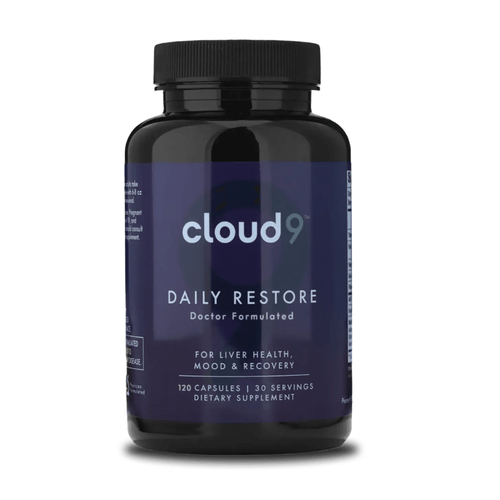
Cloud9 Daily Restore combines NAC, DHM, milk thistle, B vitamins, and ashwagandha to help support the pathways alcohol can tax most. Two capsules daily, drinking or not.
NAC | DHM | Milk Thistle | B Vitamins | Ashwagandha
See How Daily Restore WorksWhy This Strategy Is So Underrated
Despite its effectiveness, alternating alcohol and water gets overlooked for several reasons. It sounds too simple to actually work. We're drawn to complex solutions and sophisticated strategies, so a basic "drink water between drinks" feels almost embarrassingly elementary.
Social pressure plays a role too. When everyone around you is ordering another round, asking for water can feel awkward or like you're not fully participating. There's an unspoken expectation to match pace with your group, and water doesn't signal the same level of engagement as an alcoholic drink.
The Simplicity Problem
The wellness industry has conditioned us to believe that effective solutions must be complicated or expensive. We see elaborate supplement stacks, detailed tracking apps, and multi-step protocols everywhere we look. Against this backdrop, a free strategy that requires no planning feels suspiciously inadequate.
But complexity isn't always better. Research on behavior change consistently shows that simple, concrete actions are far more likely to become lasting habits than elaborate routines. Alternating drinks gives you a clear, repeatable pattern that doesn't depend on motivation or perfect circumstances.
The Social Dynamics Challenge
Let's be honest: asking for water at a bar or party can feel socially awkward. You might worry about seeming boring, overly cautious, or like you're not having fun. These concerns are valid, they reflect real social dynamics that make mindful drinking harder than it needs to be.
The good news is that attitudes are shifting. More people are openly moderating their drinking, and bartenders are increasingly accustomed to alternating drink orders. Reframing water as part of your drinking strategy rather than a break from drinking can help shift your own mindset too.
How Alternating Changes Your Entire Drinking Experience
The benefits of this strategy extend far beyond simple hydration. When you commit to a 1:1 ratio of alcohol to water, you're fundamentally changing the structure and pace of your evening in ways that support better outcomes across the board.
Automatic Pace Control
Perhaps the biggest advantage is that alternating creates built-in pacing without requiring constant self-monitoring. You don't have to watch the clock or count drinks in your head. The pattern itself slows you down by doubling the time between alcoholic beverages.
This matters more than you might think. Studies suggest that drinking speed is one of the strongest predictors of total consumption and intoxication level. When you physically can't have your next alcoholic drink until you've finished a full glass of water, you've created a natural speed limit that works automatically.
Enhanced Awareness and Presence
Every water break gives you a moment to check in with yourself. How are you feeling? Are you actually enjoying yourself, or just going through the motions? Do you want another drink, or are you satisfied?
These mini check-ins throughout the evening help you stay connected to your experience rather than operating on autopilot. Research on mindful drinking suggests that increased awareness during consumption is one of the most effective tools for reducing harmful patterns and increasing satisfaction.
Better Decision-Making Later in the Evening
Here's where the strategy really shines: by keeping your blood alcohol level lower throughout the night, you maintain better cognitive function when it matters most. The decision to have a fifth or sixth drink happens when you're already several drinks in. With alternating, you're making those later choices with a clearer head.
This creates a positive feedback loop. You make better decisions about subsequent drinks, which keeps you more clearheaded, which supports even better decisions. The strategy essentially helps your evening self protect your future self.
Practical Implementation: Making It Actually Work
Knowing the strategy is useful, making it happen in real situations requires some tactical planning. Here's how to set yourself up for success.
The Setup: Before You Start Drinking
The most important work happens before your first drink. Decide in advance that you're alternating, and commit to the pattern regardless of circumstances. This removes in-the-moment decision-making, which becomes increasingly unreliable as you drink.
If you're going out, tell at least one friend about your plan. Social accountability makes a difference, and having someone who knows your intention can help you stick with it when ordering rounds gets complicated.
Ordering Strategies That Remove Friction
The logistics of ordering can make or break this strategy. Here are specific approaches that work:
- Order your water at the same time as your alcoholic drink so it arrives together
- Ask for water in a proper glass rather than a disposable cup, this makes it feel more substantial and legitimate
- Request sparkling water or water with citrus if plain water feels too boring or "medicinal"
- At home gatherings, set up your own station with a pitcher of water and a dedicated glass
- In rounds situations, volunteer to get your own water so you're not waiting on others
The 1:1 Rule and Its Variations
While a strict one-to-one ratio works well for most people, you can adjust based on your needs and circumstances. The key is having a clear rule you've decided in advance.
| Ratio | Best For | What It Achieves |
|---|---|---|
| 1:1 (Standard) | Most social situations, moderate pace desired | Cuts consumption roughly in half, maintains clarity |
| 1:2 (Conservative) | Long events, hot weather, or when you want minimal alcohol | Significantly reduces total alcohol, maximizes hydration |
| 2:1 (Relaxed) | Starting out, building the habit gradually | Still provides breaks and awareness without drastic change |
| Flexible Check-In | When rigid rules feel too restrictive | Uses water as mindful pause points rather than strict alternation |
Handling Social Situations and Pushback
You'll likely encounter situations where your alternating pattern gets challenged or questioned. Having a few ready responses helps you maintain your approach without lengthy explanations.
Simple statements work best: "I'm pacing myself tonight" or "I feel better when I stay hydrated" are sufficient. Most people respect clear boundaries when delivered confidently. If someone pushes back, that says more about their relationship with alcohol than anything about your choice.
The best drinking strategy is the one you'll actually use. Alternating alcohol and water works because it's simple enough to remember, concrete enough to follow, and effective enough to make a real difference in how you feel during and after drinking.
Common Challenges and How to Overcome Them
Even with the best intentions, you'll run into obstacles. Here's how to handle the most common ones.
The "I'll Remember" Trap
Many people assume they'll naturally remember to alternate once they start drinking. This almost never works. Your ability to stick to patterns and remember intentions deteriorates with each drink. The solution is creating external cues and automatic systems.
Physical reminders help. Some people wear a specific bracelet or ring that reminds them of their commitment. Others use their phone to set periodic check-in alarms. The specific method matters less than having something that prompts you without requiring memory.
When You're Already Several Drinks In
What if you realize mid-evening that you've had three drinks without any water? Don't abandon the strategy entirely. Research on behavior change shows that recovering from a lapse is more important than perfect execution.
Have two glasses of water before your next alcoholic drink, then resume the 1:1 pattern. This helps rehydrate and re-establish your pace without requiring you to write off the entire evening. Progress isn't all-or-nothing.
The Taste and Temperature Problem
Some people struggle with alternating because they find room-temperature water unappealing, especially when alternating with cold, flavorful drinks. This is a legitimate barrier that deserves practical solutions.
- Request ice water specifically, temperature matters for palatability
- Add flavor through citrus, cucumber, or mint without adding sugar
- Try sparkling water for a more interesting mouthfeel
- Alternate with other non-alcoholic beverages like unsweetened iced tea
- Use an insulated bottle that keeps water cold if you're at home
Group Dynamics and Round Buying
Round buying creates pressure to match everyone else's pace and choices. When it's your turn, you might feel obligated to buy alcoholic drinks for everyone, including yourself, even if you'd prefer water at that moment.
The key is separating your drinking from the round system. You can still participate by buying others drinks while ordering water for yourself. True friends care more about your wellbeing than maintaining perfect symmetry in round buying. If the group dynamic doesn't allow for this flexibility, that's valuable information about the environment you're in.
Why This Strategy Supports Long-Term Change
Beyond the immediate benefits of any single evening, alternating alcohol and water builds skills and awareness that support lasting behavior change. This is what makes it more than just a harm reduction tactic.
Building the Mindfulness Muscle
Each time you pause for water, you're practicing a moment of intentional choice. Over time, this strengthens your ability to check in with yourself and make conscious decisions rather than operating on autopilot. Studies on habit formation suggest that these repeated small actions create neural pathways that make mindful behavior easier over time.
The strategy also helps you distinguish between genuine desire for another drink and automatic behavior. Many people discover they were drinking more out of habit or social momentum than actual enjoyment. Water breaks create space to notice this distinction.
Reducing Tolerance and Resetting Expectations
When you consistently drink less through alternating, your tolerance gradually decreases. This might sound like a drawback, but it's actually beneficial. Lower tolerance means you achieve desired effects with less alcohol, reducing health risks and costs while making moderation easier.
Your expectations shift too. After several weeks of alternating, a night of continuous drinking starts to feel excessive rather than normal. Your baseline changes, making mindful drinking feel like the natural default rather than a special effort.
Creating a Sustainable Middle Path
One reason many people struggle with alcohol is the false binary between "problem drinking" and complete abstinence. For those who don't identify with either extreme, there's often confusion about what a healthy middle path looks like.
Alternating provides a clear, concrete practice that defines that middle ground. It's moderate without being restrictive, intentional without being rigid. This gives you a sustainable approach that doesn't require constant white-knuckling or elaborate rules.
How Daily Restore Supports Your Health
Understanding what your body needs is one thing. Getting consistent daily support is another. Daily Restore was designed to address the key pathways alcohol can stress most, in one simple daily formula.
NAC (N-Acetyl Cysteine)
Supports glutathione production and antioxidant defenses
DHM (Dihydromyricetin)
Supports alcohol metabolism
Milk Thistle (Silymarin)
Supports healthy liver function
B Vitamins
Help replenish nutrients involved in energy and metabolism
Ashwagandha
Supports stress resilience and healthy cortisol balance
Daily Restore is not a detox or a cure. It is a daily support formula designed for people who drink socially and want to give their body consistent, evidence-informed support.
Frequently Asked Questions
Does the type of water matter when alternating with alcohol?
Plain water works perfectly well, though some people find that sparkling water or water with a splash of citrus makes the strategy more enjoyable and easier to stick with. The key is choosing something you'll actually drink consistently throughout the evening, as compliance matters more than the specific type of hydration.
Will alternating drinks really prevent a hangover?
While alternating alcohol and water can significantly reduce hangover severity by addressing dehydration and slowing consumption, it's not a guarantee against all hangover symptoms. Many factors contribute to how you feel the next day, including total alcohol consumed, sleep quality, what you ate, and individual physiology.
How do I remember to alternate when I'm already a few drinks in?
Setting a phone reminder or asking a friend to help keep you accountable can be helpful strategies. Some people find it easier to establish the pattern early in the evening when decision-making is clearer, making it more automatic as the night continues.
Can I use other beverages instead of water between alcoholic drinks?
Non-alcoholic options like herbal tea, coconut water, or electrolyte drinks can work well as alternating beverages. However, it's best to avoid sugary sodas or energy drinks, as these can add empty calories and may contribute to dehydration or disrupt sleep quality later.
Is alternating drinks effective if I'm only having two or three alcoholic beverages?
Even with moderate drinking, alternating can help maintain better hydration and create more mindful consumption patterns. The strategy also extends your social time without increasing alcohol intake, which many people find valuable regardless of how much they plan to drink.
The Bottom Line
Alternating alcohol and water stands out as one of the simplest yet most effective mindful drinking strategies available. By addressing both the physical effects of dehydration and the psychological patterns that lead to overconsumption, this approach offers a practical way to enjoy social occasions while supporting your wellbeing.
The beauty of this strategy lies in its flexibility and accessibility. You don't need special tools, apps, or complicated rules to follow. Just a commitment to pausing between drinks and choosing water can create meaningful changes in how you feel during and after drinking occasions.
For those looking to build even more comprehensive support into their routine, Daily Restore offers a blend of milk thistle, DHM, and NAC designed to support your body's natural processes. Taking it consistently, whether you're drinking that day or not, can complement mindful strategies like alternating drinks by providing ongoing nutritional support.
Remember, mindful drinking isn't about perfection or rigid rules. It's about developing awareness, making intentional choices, and finding sustainable habits that align with your health goals. Whether you start by alternating every other drink or simply committing to one glass of water per alcoholic beverage, you're taking a meaningful step toward a more balanced approach to alcohol.
Build Your Daily Support Routine
Build Your Daily Support Routine
If drinking is part of your lifestyle, your support routine should not be random. Daily Restore was designed to help social drinkers support liver health, antioxidant defenses, alcohol metabolism, nutrient replenishment, and daily recovery in one simple routine.
NAC
DHM
Milk Thistle
B Vitamins
Ashwagandha