

You post a photo with a cocktail. You scroll through friends' party pics while nursing your second glass of wine. You wake up anxious about what you said in last night's tipsy DMs. Sound familiar?
The combination of alcohol and social media creates a uniquely toxic feedback loop that many of us experience but few recognize. These two forces don't just coexist in our lives, they actively amplify each other's negative effects on our mental wellbeing.
Understanding this relationship can help you protect your mental health in an era where both drinking and digital connection feel unavoidable. Here's what you need to know about why this pairing is so problematic.
Quick Take
- Alcohol impairs judgment while social media demands constant decision-making, creating a perfect recipe for regrettable posts and messages
- Social media normalizes heavy drinking through curated content, while alcohol makes us more susceptible to comparison and FOMO
- Both activities trigger dopamine release, creating overlapping reward pathways that can reinforce addictive behaviors
- The combination intensifies anxiety and depression symptoms, especially through next-day rumination about online behavior
- Breaking the cycle requires intentional boundaries with both alcohol consumption and social media use
The Neurochemistry Behind the Storm
Both alcohol and social media hijack your brain's reward system in remarkably similar ways. When you drink, alcohol floods your brain with dopamine, the feel-good neurotransmitter that reinforces behaviors. Social media does the same thing every time you get a like, comment, or notification.
Research suggests that these overlapping reward pathways can create a synergistic effect. Your brain starts associating the pleasure of drinking with the pleasure of digital validation, making each activity feel incomplete without the other. This neurochemical overlap explains why so many people reach for their phones when they drink and post more frequently after a few drinks.
The problem intensifies because alcohol suppresses your prefrontal cortex, the part of your brain responsible for impulse control and judgment. Meanwhile, social media platforms are specifically designed to keep you engaged through variable reward schedules. Together, they create a scenario where your ability to make good decisions is impaired right when you're being prompted to make dozens of them.
Daily Support for Social Drinkers
Your liver works hard every day. Give it consistent support.
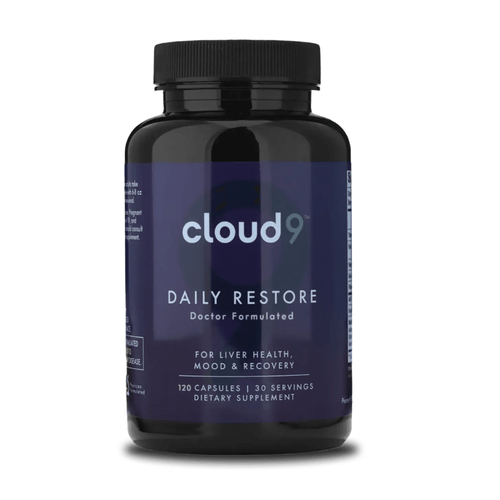
Cloud9 Daily Restore combines NAC, DHM, milk thistle, B vitamins, and ashwagandha to help support the pathways alcohol can tax most. Two capsules daily, drinking or not.
NAC | DHM | Milk Thistle | B Vitamins | Ashwagandha
See How Daily Restore WorksHow Social Media Normalizes and Glamorizes Drinking
Open any social media app and you'll likely see alcohol within minutes. Brunch mimosas, wine nights, craft cocktails at trendy bars. The digital landscape has become a constant advertisement for drinking culture, presented through the most appealing possible filter.
The Curation Problem
Social media shows you the fun parts of drinking while hiding the consequences. You see the laughter and the aesthetically pleasing drinks, but not the hangover, the anxiety, or the morning-after regret. This creates a distorted perception of how much others drink and how alcohol affects them.
Studies show that exposure to alcohol content on social media correlates with increased drinking behavior, particularly among younger adults. When everyone's feed suggests that drinking is the default social activity, abstaining or moderating can feel like swimming against the current.
The Influence Cycle
The relationship works both ways. Heavy social media use can drive increased alcohol consumption, while drinking prompts more social media activity. Consider these interconnected patterns:
- People who see more alcohol content online tend to drink more frequently and in larger quantities
- Individuals often drink more when they plan to document the experience on social media
- Alcohol-related posts receive higher engagement, reinforcing the behavior
- Social media algorithms learn to show you more alcohol content based on your engagement patterns
- Influencer culture and alcohol brand partnerships normalize daily drinking as aspirational lifestyle content
The Anxiety Amplification Effect
If you've ever woken up after a night of drinking and immediately felt dread about what you posted online, you've experienced what researchers call the "social media hangover." This phenomenon combines alcohol's physical hangover with the psychological distress of reviewing your digital behavior.
Why Drunk Posting Feels So Much Worse
Alcohol doesn't just impair your judgment in the moment. It also affects your emotional regulation and anxiety levels for days afterward. When combined with the permanence and public nature of social media, this creates a uniquely distressing situation.
Your hungover brain is already flooded with cortisol and struggling with depleted serotonin. Adding social media review to this mix can trigger intense rumination, where you replay every post, comment, and interaction in excruciating detail. This rumination can fuel anxiety disorders and depressive episodes.
The Comparison Trap Gets Worse
Research suggests that social media comparison is harmful to mental health even when you're sober. Alcohol makes this significantly worse by lowering your psychological defenses and increasing emotional reactivity.
When you're drinking and scrolling, you're essentially experiencing everyone else's highlight reel through a lens that makes you more vulnerable, more emotional, and less capable of rational perspective. It's a recipe for feeling inadequate, left out, and anxious about your own life choices.
The FOMO-Drinking Connection
Fear of missing out drives both excessive social media use and increased alcohol consumption. These two behaviors feed into each other in destructive ways that can be hard to recognize until the pattern is deeply established.
How FOMO Drives Drinking Decisions
Social media exposes you to a constant stream of social activities you're not attending. Studies show that this exposure increases feelings of social exclusion and can drive people to drink more, either to cope with those feelings or to create their own shareable moments.
The cycle looks like this: You see posts of friends at a party, feel left out, decide to drink alone or seek out social situations involving alcohol, then post about it to validate your own social life. Each step reinforces the belief that meaningful social connection requires alcohol.
Breaking Down the Feedback Loop
| Trigger | Response | Consequence |
|---|---|---|
| See party photos on social media | Feel FOMO and social anxiety | Drink to cope or create own experience |
| Drink alcohol | Increased social media use and posting | Regrettable content, next-day anxiety |
| Morning-after review of posts | Rumination and self-criticism | Increased anxiety and depression symptoms |
| Heightened anxiety | Return to social media for distraction | Cycle repeats |
Practical Strategies for Breaking the Cycle
Understanding the problem is crucial, but you also need actionable strategies to protect your mental health. The good news is that small changes to either your drinking habits or your social media use can disrupt the entire feedback loop.
Create Physical Barriers
The simplest interventions are often the most effective. When you're drinking, make social media harder to access. This might mean leaving your phone in another room, using app blockers, or giving your phone to a trusted friend.
Similarly, consider creating alcohol-free zones in your digital life. Designate certain social media sessions as completely sober activities, particularly morning routines or evening wind-down time. This helps break the mental association between the two behaviors.
Reframe Your Relationship With Both
Challenge the underlying beliefs that make this combination so appealing. Do you really need to document every social experience? Does seeing others' drinking content actually make you feel more connected or more anxious?
- Practice posting only when sober, even if you're at a social event
- Unfollow accounts that primarily share drinking content or trigger FOMO
- Experiment with alcohol-free socializing and notice whether you still feel compelled to post about it
- Set specific time limits for social media use, particularly during drinking occasions
- Keep a journal noting your mood before and after combined alcohol and social media sessions
Build Alternative Coping Mechanisms
Both alcohol and social media often serve as coping mechanisms for stress, boredom, or social anxiety. Identifying healthier alternatives can reduce your reliance on both.
When you feel the urge to drink and scroll, try substituting the behavior with something that provides genuine connection or relaxation. Call a friend instead of scrolling their feed. Take a walk instead of pouring another drink. Read a book instead of refreshing your timeline.
How Daily Restore Supports Your Health
Understanding what your body needs is one thing. Getting consistent daily support is another. Daily Restore was designed to address the key pathways alcohol can stress most, in one simple daily formula.
NAC (N-Acetyl Cysteine)
Supports glutathione production and antioxidant defenses
DHM (Dihydromyricetin)
Supports alcohol metabolism
Milk Thistle (Silymarin)
Supports healthy liver function
B Vitamins
Help replenish nutrients involved in energy and metabolism
Ashwagandha
Supports stress resilience and healthy cortisol balance
Daily Restore is not a detox or a cure. It is a daily support formula designed for people who drink socially and want to give their body consistent, evidence-informed support.
Frequently Asked Questions
Can social media use actually trigger alcohol cravings?
Yes, research suggests that viewing alcohol-related content on social media can activate reward pathways in the brain similar to seeing alcohol in person. The constant exposure to drinking culture, celebration posts, and bar check-ins can normalize excessive consumption and make it harder to maintain boundaries around alcohol use.
How long does it take to notice mental health improvements after reducing both alcohol and social media?
Many people report noticeable changes within two to four weeks of cutting back on both habits simultaneously. Sleep quality often improves first, followed by better mood stability and reduced anxiety. The timeline varies depending on individual usage patterns and overall health, but consistent small changes tend to compound over time.
Is it necessary to quit both completely, or can moderation work?
Moderation can be effective for many people, particularly when it's intentional and consistent. Setting clear boundaries, like no social media after 8 PM or limiting alcohol to specific occasions, can help break the cycle without requiring complete elimination. The key is being honest with yourself about whether your current relationship with these habits is serving your mental health.
What are some practical first steps to break the alcohol-social media cycle?
Start by tracking when you tend to reach for both simultaneously, often this happens during evenings or weekends. Create a replacement routine that doesn't involve either, such as reading, calling a friend, or taking a walk. Using app timers and removing social media from your home screen can also reduce mindless scrolling that often leads to comparison and drinking triggers.
Can supplements really help with the mood changes during this transition?
While supplements aren't a cure-all, research suggests that certain nutrients can support neurotransmitter function and help stabilize mood during periods of habit change. Ingredients like L-theanine, magnesium, and B vitamins may help ease the anxiety and irritability that sometimes accompany reducing alcohol and social media use. They work best as part of a comprehensive approach that includes good sleep, nutrition, and stress management.
The Bottom Line
The combination of alcohol and social media creates a uniquely challenging environment for mental health. Both activate similar reward pathways, fuel comparison and anxiety, and can quickly become intertwined habits that reinforce each other. Understanding this connection is the first step toward making meaningful changes.
Breaking free doesn't require perfection or dramatic overnight transformations. Small, consistent adjustments to both your drinking patterns and social media use can lead to noticeable improvements in mood, sleep quality, and overall wellbeing. The goal is progress, not perfection, and finding what sustainable balance looks like for your life.
Supporting your body during this transition can make the process smoother and more sustainable. Cloud9's Daily Restore is designed to help stabilize mood and support healthy neurotransmitter function with ingredients like L-theanine, magnesium, and adaptogenic herbs. It's formulated to complement the positive changes you're making, not replace them.
Your mental health deserves the same intentional care you'd give to any other aspect of your wellbeing. By recognizing how alcohol and social media interact and taking steps to create healthier patterns, you're investing in a clearer mind, better mood, and more authentic connections both online and off.
Build Your Daily Support Routine
Build Your Daily Support Routine
If drinking is part of your lifestyle, your support routine should not be random. Daily Restore was designed to help social drinkers support liver health, antioxidant defenses, alcohol metabolism, nutrient replenishment, and daily recovery in one simple routine.
NAC
DHM
Milk Thistle
B Vitamins
Ashwagandha