

You finally fall asleep after a few drinks, only to wake up at 3 a.m. with your mind racing. The next day, you're exhausted and foggy, so you reach for another glass that night hoping it will help. Sound familiar?
This pattern isn't just frustrating. It's a neurological trap that millions of people find themselves caught in, often without realizing the damage being done beneath the surface.
Understanding how alcohol and poor sleep feed off each other can help you break free from this cycle before it takes a serious toll on your brain health.
Quick Take
- Alcohol disrupts REM sleep, the phase critical for memory consolidation and emotional regulation
- Poor sleep increases cravings for alcohol and reduces impulse control, creating a self-reinforcing loop
- Even moderate drinking can fragment sleep architecture and reduce sleep quality by up to 39%
- The cycle accelerates brain aging, increases anxiety, and impairs cognitive function over time
- Breaking the pattern requires addressing both sleep hygiene and alcohol consumption simultaneously
The Sleep Deception: Why Alcohol Isn't Helping You Rest
Alcohol might help you fall asleep faster, but that initial drowsiness comes at a steep cost. Research suggests that while alcohol acts as a sedative in the first half of the night, it severely disrupts sleep quality during the second half, leading to fragmented, less restorative rest.
Your brain cycles through different sleep stages throughout the night, each serving a unique purpose. REM (rapid eye movement) sleep is particularly crucial for processing emotions, consolidating memories, and clearing metabolic waste from the brain. Alcohol suppresses REM sleep significantly, especially during the first sleep cycles when it's most abundant.
Studies show that even moderate alcohol consumption can reduce overall sleep quality and increase the likelihood of waking during the night. What feels like "passing out" is actually your brain being sedated rather than naturally transitioning into healthy sleep architecture.
Daily Support for Social Drinkers
Your liver works hard every day. Give it consistent support.
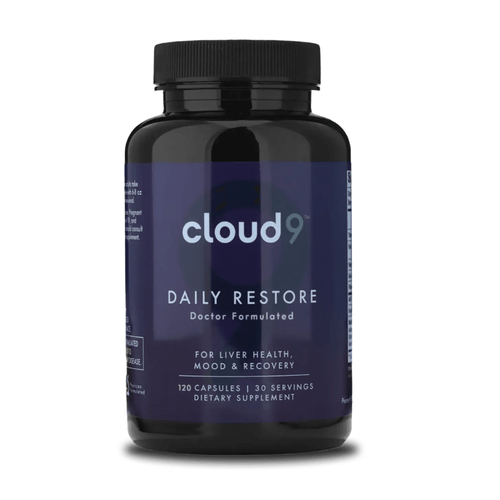
Cloud9 Daily Restore combines NAC, DHM, milk thistle, B vitamins, and ashwagandha to help support the pathways alcohol can tax most. Two capsules daily, drinking or not.
NAC | DHM | Milk Thistle | B Vitamins | Ashwagandha
See How Daily Restore WorksHow the Cycle Takes Hold: From One Bad Night to a Dangerous Pattern
The Initial Trigger
The cycle often begins innocently. You have a stressful day, pour a drink to unwind, and notice you fall asleep quickly. Your brain registers this association, even though the quality of sleep you're getting is poor.
Over time, this pattern becomes a learned behavior. Your brain starts to anticipate alcohol as a sleep aid, making it increasingly difficult to fall asleep without it.
Sleep Deprivation Increases Alcohol Cravings
Here's where the cycle becomes truly dangerous. When you don't get quality sleep, your prefrontal cortex (the part of your brain responsible for impulse control and decision-making) becomes impaired. Research suggests that sleep deprivation can reduce activity in this region by up to 30%.
At the same time, areas of the brain associated with reward-seeking behavior become more active. This combination makes you more likely to reach for alcohol, even when you know it's counterproductive.
- Sleep deprivation increases cortisol levels, which heightens stress and anxiety
- Poor sleep disrupts dopamine regulation, making you crave quick rewards like alcohol
- Fatigue reduces your ability to resist cravings and make healthy choices
- Each night of poor sleep compounds the effect, making the cycle harder to break
Your Brain's Adaptive Response
As this pattern continues, your brain adapts in ways that make the problem worse. You may develop tolerance to alcohol's sedative effects, requiring more drinks to achieve the same drowsiness. Meanwhile, your natural sleep mechanisms become weaker from disuse.
Your circadian rhythm (your body's internal clock) can also become disrupted. Alcohol affects the production of melatonin and other sleep-regulating hormones, making it harder to fall asleep naturally even on nights when you don't drink.

The Brain Damage You Can't See
Cognitive Decline and Memory Problems
The combination of alcohol and poor sleep creates a perfect storm for cognitive impairment. During deep sleep and REM sleep, your brain consolidates memories and clears out toxins that accumulate during waking hours. When these processes are disrupted night after night, the effects accumulate.
Studies show that chronic poor sleep combined with regular alcohol use can accelerate brain aging and increase the risk of cognitive decline. You may notice difficulty concentrating, trouble remembering details, or feeling mentally foggy throughout the day.
Mood and Mental Health Consequences
REM sleep plays a critical role in processing emotions and regulating mood. When alcohol suppresses this sleep stage, you lose a crucial opportunity for emotional recovery and stress processing.
Research suggests a strong bidirectional relationship between sleep problems, alcohol use, and mental health conditions like anxiety and depression. Each element can worsen the others, creating multiple reinforcing cycles.
The brain needs quality sleep to repair itself and process the day's experiences. When we consistently interrupt this process with alcohol, we're essentially preventing our brain from doing its most important maintenance work.
Physical Health Impact
The brain isn't the only organ suffering from this cycle. Poor sleep combined with alcohol consumption affects your entire body in measurable ways.
- Weakened immune system function, making you more susceptible to illness
- Increased inflammation throughout the body and brain
- Higher risk of cardiovascular problems and metabolic disorders
- Disrupted hormone production, including growth hormone and testosterone
- Impaired glucose metabolism and increased diabetes risk
Recognizing the Warning Signs: Are You Caught in the Cycle?
Sleep Quality Indicators
Many people don't realize they're in this cycle because they're still "getting sleep." But quantity doesn't equal quality. Pay attention to these signs that your sleep may be compromised.
| Warning Sign | What It Means |
|---|---|
| Waking between 2-4 a.m. | Alcohol metabolism disrupting sleep in the second half of the night |
| Not feeling rested after 7-8 hours | Fragmented sleep architecture and suppressed deep sleep phases |
| Vivid or disturbing dreams | REM rebound effect when alcohol wears off |
| Night sweats or heart palpitations | Sympathetic nervous system activation as alcohol is metabolized |
| Difficulty falling asleep without alcohol | Psychological and physiological dependence forming |
Daytime Function Red Flags
The effects of this cycle extend far beyond bedtime. Watch for these daytime indicators that alcohol and poor sleep are affecting your brain function.
- Increased irritability or mood swings, especially in the afternoon
- Difficulty making decisions or solving problems
- Stronger cravings for caffeine, sugar, or alcohol as the day progresses
- Memory lapses or "brain fog" that affects work performance
- Reduced motivation or feelings of depression
- Heightened anxiety, particularly in the morning
The Tolerance Trap
One of the clearest signs you're caught in the cycle is needing more alcohol to achieve the same sedative effect. This tolerance develops as your brain adapts to regular alcohol exposure, requiring higher doses to produce the same response.
At the same time, your sleep quality continues to deteriorate. You may find yourself drinking more but sleeping worse, a clear indication that the cycle is intensifying rather than helping.
Breaking Free: Why Both Issues Must Be Addressed Together
The Challenge of Simultaneous Recovery
Here's the difficult truth: you can't fully fix your sleep without addressing alcohol, and reducing alcohol becomes much harder when you're sleep-deprived. This is why the cycle is so persistent and why addressing just one side rarely works long-term.
Research suggests that people who try to quit or reduce alcohol often experience rebound insomnia, sometimes for weeks. This temporary worsening of sleep is one of the primary reasons people return to drinking. Understanding this challenge helps you prepare for it.
What Happens When You Break the Cycle
The good news is that both sleep and brain function can improve significantly once you break this pattern. While the timeline varies by individual, most people notice positive changes within the first few weeks.
- Week 1-2: Sleep may initially worsen (rebound insomnia) but daytime anxiety often decreases
- Week 2-4: REM sleep begins to normalize, leading to better memory and emotional regulation
- Week 4-8: Sleep architecture restores to healthier patterns, energy levels improve
- Month 2-3: Cognitive function noticeably sharpens, mood stabilizes
- Month 3+: Long-term brain health benefits accumulate, risk factors for cognitive decline decrease
Supporting Your Brain During the Transition
As you work to break this cycle, certain strategies can support your brain's recovery and make the process more manageable. These aren't quick fixes, but they can help ease the transition period.
Prioritize sleep hygiene even when sleep feels difficult. Keep your bedroom cool and dark, maintain consistent sleep and wake times, and avoid screens for at least an hour before bed. Your circadian rhythm needs consistent cues to reset itself.
Consider nutrients and supplements that support sleep and brain health. Magnesium, L-theanine, and certain B vitamins may help ease the transition, though it's wise to consult with a healthcare provider about what's appropriate for your situation.
How Daily Restore Supports Your Health
Understanding what your body needs is one thing. Getting consistent daily support is another. Daily Restore was designed to address the key pathways alcohol can stress most, in one simple daily formula.
NAC (N-Acetyl Cysteine)
Supports glutathione production and antioxidant defenses
DHM (Dihydromyricetin)
Supports alcohol metabolism
Milk Thistle (Silymarin)
Supports healthy liver function
B Vitamins
Help replenish nutrients involved in energy and metabolism
Ashwagandha
Supports stress resilience and healthy cortisol balance
Daily Restore is not a detox or a cure. It is a daily support formula designed for people who drink socially and want to give their body consistent, evidence-informed support.
Frequently Asked Questions
How long does it take for sleep quality to improve after reducing alcohol intake?
Many people notice improvements in sleep quality within the first week of reducing alcohol consumption, though the timeline varies by individual. Research suggests that REM sleep patterns can begin to normalize within several days, while deeper restoration of sleep architecture may take a few weeks as your brain chemistry rebalances.
Can I still have an occasional drink without affecting my sleep?
Timing and quantity matter significantly when it comes to alcohol and sleep. Studies show that finishing any alcoholic beverages at least 3-4 hours before bedtime allows your body more time to metabolize the alcohol, reducing its impact on sleep architecture. Even with proper timing, however, alcohol can still disrupt sleep quality to some degree.
What are the signs that alcohol is affecting my sleep quality?
Common indicators include waking up frequently during the night, feeling unrested despite adequate time in bed, experiencing vivid or disturbing dreams, and noticing increased daytime fatigue or brain fog. You might also observe changes in mood, increased anxiety, or difficulty concentrating during the day, all of which can signal disrupted sleep patterns.
How does alcohol-related sleep disruption differ from other sleep problems?
Alcohol-induced sleep issues typically involve a specific pattern: falling asleep quickly but experiencing fragmented, low-quality sleep in the second half of the night. Unlike primary insomnia or sleep apnea, alcohol-related sleep disruption often improves relatively quickly once consumption patterns change, though the brain may need time to recalibrate its natural sleep-wake cycles.
Can supplements help break the alcohol and poor sleep cycle?
Targeted nutritional support can help address some of the underlying deficiencies and imbalances that contribute to both sleep disruption and alcohol cravings. Ingredients like magnesium, B vitamins, and adaptogens may support stress response and nervous system function, while amino acids can help replenish neurotransmitter precursors. Supplements work best as part of a comprehensive approach that includes lifestyle changes.
The Bottom Line
The relationship between alcohol and sleep creates a self-reinforcing cycle that can significantly impact your brain health, cognitive function, and overall well-being. When alcohol disrupts your sleep architecture, your brain doesn't get the deep, restorative rest it needs to clear toxins, consolidate memories, and regulate emotions. Poor sleep then increases stress and cravings, making it harder to make healthy choices about alcohol consumption.
Breaking this cycle requires a multifaceted approach that addresses both sleep quality and the underlying nutritional and neurochemical imbalances that can drive unhealthy patterns. Prioritizing consistent sleep schedules, creating an optimal sleep environment, and supporting your body's natural recovery processes can all contribute to better outcomes.
Cloud9's Daily Restore offers targeted nutritional support designed to help your brain and body maintain balance throughout the day. With ingredients chosen to support neurotransmitter function, stress response, and cellular health, Daily Restore can be a valuable part of your daily routine as you work toward better sleep and healthier habits.
Remember that lasting change happens gradually, with consistent daily choices that support your long-term health. Whether you're looking to improve sleep quality, reduce alcohol consumption, or simply feel more energized and clear-headed, understanding the connection between what you consume and how you sleep is an important first step toward reclaiming your brain health.
Build Your Daily Support Routine
Build Your Daily Support Routine
If drinking is part of your lifestyle, your support routine should not be random. Daily Restore was designed to help social drinkers support liver health, antioxidant defenses, alcohol metabolism, nutrient replenishment, and daily recovery in one simple routine.
NAC
DHM
Milk Thistle
B Vitamins
Ashwagandha