

You consider yourself a moderate drinker. A glass of wine with dinner, maybe two beers on the weekend. But here's the uncomfortable truth: that generous pour you're calling "one drink" might actually be two or three standard drinks, completely skewing your understanding of how much you're really consuming.
The gap between what we think we're drinking and what we're actually drinking isn't just about math. It affects how we make decisions about our health, our safety behind the wheel, and our long-term relationship with alcohol. Understanding standard drink sizes can be the difference between informed moderation and unintentional excess.
Let's break down what a standard drink actually looks like, why the numbers matter more than you might think, and how to pour with accuracy instead of guesswork.
Quick Take
- A standard drink contains 14 grams of pure alcohol, regardless of the type of beverage
- Most home pours of wine are 40-50% larger than the standard 5-ounce serving
- Beer alcohol content varies widely, from 4% to 8% or higher, changing what counts as "one drink"
- Oversized wine glasses and craft beer varieties make visual estimation nearly impossible
- Knowing actual serving sizes helps you make informed decisions about consumption and health guidelines
The 14-Gram Standard That Most People Never Learned
In the United States, a standard drink is defined by one specific number: 14 grams (0.6 ounces) of pure alcohol. This measurement serves as the foundation for moderate drinking guidelines, health recommendations, and even legal definitions. But here's the problem: almost no one thinks about their drinks in terms of pure alcohol content.
Research shows that people consistently underestimate their alcohol consumption, often by significant margins. This isn't about dishonesty or denial. It's about a fundamental disconnect between how drinks are served and how they're measured for health purposes.
The standard exists to create consistency across different types of beverages. Whether you're drinking beer, wine, or spirits, one standard drink should deliver roughly the same amount of alcohol to your system. Understanding this equivalency is the first step toward accurate self-assessment.
Daily Support for Social Drinkers
Your liver works hard every day. Give it consistent support.
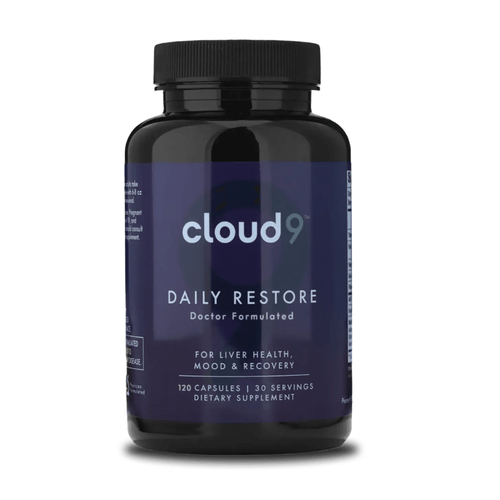
Cloud9 Daily Restore combines NAC, DHM, milk thistle, B vitamins, and ashwagandha to help support the pathways alcohol can tax most. Four capsules daily, drinking or not.
NAC | DHM | Milk Thistle | B Vitamins | Ashwagandha
See How Daily Restore WorksWhat Standard Drink Sizes Actually Look Like
The official measurements might surprise you, especially if you've been eyeballing your pours or relying on restaurant servings as your baseline. Here's what one standard drink actually contains across different beverage types.
Beer: Not All Bottles Are Created Equal
A standard drink of beer is 12 ounces at 5% alcohol by volume (ABV). That's a typical bottle or can of regular beer. But walk into any craft brewery or specialty beer shop, and you'll find this baseline becomes almost meaningless.
Many craft beers clock in at 7-9% ABV, meaning that same 12-ounce pour now contains 1.4 to 1.8 standard drinks. An imperial IPA at 8% ABV in a 16-ounce pint? That's more than 2.5 standard drinks in what feels like "one beer."
- Light beer (4% ABV): 12 ounces equals one standard drink
- Regular beer (5% ABV): 12 ounces equals one standard drink
- Craft IPA (7% ABV): 12 ounces equals 1.4 standard drinks
- Imperial stout (9% ABV): 12 ounces equals 1.8 standard drinks
Wine: Where Home Pours Go Wrong
A standard drink of wine is 5 ounces at 12% ABV. Look at a wine glass and try to picture 5 ounces. If you're imagining anything close to halfway full in a modern wine glass, you're already over.
Studies suggest that people pour 20-30% more wine at home than they realize, and the trend toward oversized wine glasses makes this worse. What looks like a modest glass might actually contain 7-8 ounces, pushing you into 1.5 standard drinks without any intention to drink more.
Spirits: The Mixed Drink Multiplier
A standard drink of distilled spirits is 1.5 ounces at 40% ABV (80 proof). That's a shot glass, a single jigger, or what bartenders call a "standard pour." It's also rarely what you get in a mixed drink at home or at many bars.
A restaurant margarita might contain 2-3 ounces of tequila. That Long Island Iced Tea? Easily 3-4 standard drinks in a single glass. Even a simple rum and coke made at home often contains closer to 2 ounces of rum, not 1.5.
Why The Disconnect Happens
The gap between standard drinks and what we actually consume isn't random. Several factors consistently push our pours beyond the official guidelines, often without our awareness.
Glassware Has Gotten Bigger
Wine glasses have increased in size by nearly 7 times since the 1700s, with the most dramatic growth happening in the past 20 years. A modern wine glass can hold 18-20 ounces, making a 5-ounce pour look almost stingy. This visual distortion affects how much we pour and how full our glass needs to feel "right."
Restaurant and Bar Servings Vary Wildly
While some establishments measure carefully, many don't. Research suggests that bar pours can vary by 30% or more depending on the bartender, the glass, and the environment. Restaurants often serve wine in 6 or 8-ounce pours as standard options, immediately putting you over the guideline amount.
Alcohol Content Keeps Climbing
The average alcohol content in wine has increased from about 12% to 13.5-14% over the past few decades. Some California wines reach 15-16% ABV. This means that even if you're pouring the correct 5 ounces, you might be consuming 1.2 standard drinks instead of one.
| Beverage Type | Standard Serving | Typical Home Pour | Actual Standard Drinks |
|---|---|---|---|
| Wine (13% ABV) | 5 oz | 7-8 oz | 1.5-1.7 |
| Craft Beer (7% ABV) | 12 oz | 16 oz (pint) | 1.9 |
| Vodka in Mixed Drink | 1.5 oz | 2-2.5 oz | 1.3-1.7 |
| Margarita (Restaurant) | 1.5 oz tequila | 2.5-3 oz tequila | 1.7-2.0 |
How To Measure Accurately
Awareness is useful, but accuracy requires actual measurement, at least initially. Once you know what a standard serving looks like in your specific glassware, you can pour with more precision.
Start With Simple Tools
A basic jigger for spirits and a liquid measuring cup for wine can recalibrate your perception quickly. Pour what you think is 5 ounces of wine, then measure it. Most people are surprised by how much they're off, and that one exercise can change pouring habits permanently.
For beer, check the ABV on every can or bottle. A simple mental calculation (ounces × ABV ÷ 60 = standard drinks) gives you the real count. It takes seconds and removes all guesswork.
Use Visual Markers
Once you've measured a standard pour in your usual glass, you can create a mental reference point. Some people even use a subtle mark (like a tiny piece of tape on the outside) to guide pours until the visual becomes automatic.
The difference between perceived moderation and actual moderation often comes down to measurement. What feels like two drinks might be four, and that gap affects everything from how you feel the next morning to your long-term health outcomes.
Account for Alcohol Content Variations
Don't assume all wines are 12% or all beers are 5%. The label tells you exactly what you're dealing with. A 14% wine in a 5-ounce pour gives you 1.2 standard drinks. A 9% imperial stout in 12 ounces is nearly two standard drinks. These differences add up quickly over an evening.
Why This Knowledge Matters For Your Health
Understanding standard drink sizes isn't about judgment or restriction. It's about having accurate information to make informed decisions about your consumption and health.
Moderate Drinking Guidelines Make More Sense
When health organizations recommend no more than one drink per day for women or two for men, they're using the standard drink definition. If your "one glass of wine" is actually 1.7 standard drinks, you're exceeding those guidelines without realizing it. The recommendation hasn't changed, but your understanding of what counts has.
You Can Track Consumption Honestly
Many people track drinks as a way to maintain awareness or work toward reduction goals. But tracking "two beers" when those beers each contain 1.8 standard drinks means your count is off by more than 40%. Accurate measurement makes tracking meaningful instead of performative.
Health Impacts Become Clearer
Research links alcohol consumption to various health outcomes, from sleep quality to cardiovascular health to cancer risk. These associations are dose-dependent, meaning the amount matters significantly. Thinking you're having 7 drinks per week when you're actually having 11-12 changes your risk profile substantially.
- Sleep architecture suffers even at moderate doses, with effects proportional to actual alcohol consumed
- Liver health impacts accumulate over time based on total alcohol exposure, not perceived drink counts
- Weight management becomes more accurate when you know a "glass of wine" might contain 120-150 calories, not 80
- Medication interactions depend on actual alcohol content, not subjective serving sizes
How Daily Restore Supports Your Health
Understanding what your body needs is one thing. Getting consistent daily support is another. Daily Restore was designed to address the key pathways alcohol can stress most, in one simple daily formula.
NAC (N-Acetyl Cysteine)
Supports glutathione production and antioxidant defenses
DHM (Dihydromyricetin)
Supports alcohol metabolism
Milk Thistle (Silymarin)
Supports healthy liver function
B Vitamins
Help replenish nutrients involved in energy and metabolism
Ashwagandha
Supports stress resilience and healthy cortisol balance
Daily Restore is not a detox or a cure. It is a daily support formula designed for people who drink socially and want to give their body consistent, evidence-informed support.
Frequently Asked Questions
Does wine really have more alcohol than beer?
A standard drink of wine (5 oz) contains the same amount of pure alcohol as a standard beer (12 oz), both approximately 0.6 oz of ethanol. The difference is concentration: wine has higher alcohol by volume, which is why the serving size is smaller. Many people underestimate wine consumption because they pour larger glasses than the standard 5 oz serving.
How can I measure standard drinks at home?
Using measuring cups or a kitchen scale can help you visualize actual serving sizes, which tend to be smaller than most people expect. For wine, a standard 5 oz pour fills a glass only about one-third full. Many bartenders and home pourers serve 7-9 oz of wine per glass, which equals 1.4 to 1.8 standard drinks.
Are craft beers considered one standard drink?
Most craft beers contain significantly more alcohol than one standard drink due to higher alcohol content (often 6-9% ABV or more) and larger serving sizes. A 16 oz craft IPA at 7% ABV contains about 1.8 standard drinks. Checking the ABV on the label and adjusting your mental count accordingly can help you track consumption more accurately.
Why do standard drink guidelines vary by country?
Different countries define a standard drink with varying amounts of pure alcohol, ranging from 8 grams in the UK to 14 grams in the US. These variations reflect different public health approaches and drinking cultures rather than different physiological effects. The underlying principle remains the same: providing a consistent unit to help people understand and moderate their alcohol intake.
Can I "save up" standard drinks for the weekend?
Health guidelines don't recommend banking drinks throughout the week and consuming them all at once, as binge drinking patterns can be more harmful than moderate regular consumption. Your body processes alcohol at a relatively fixed rate, and consuming multiple drinks in a short period creates higher blood alcohol levels and greater stress on your liver and other systems.
The Bottom Line
Understanding what actually constitutes a standard drink is essential for making informed choices about alcohol consumption. Most people consistently underestimate how much they're drinking because of oversized pours, higher-proof beverages, and misleading glass sizes. By learning to recognize accurate serving sizes, you can better track your intake and make decisions that align with your health goals.
Whether you're looking to cut back, maintain current habits more mindfully, or simply understand what health guidelines actually mean, accurate measurement is the foundation. Small adjustments like using measuring tools at home, checking ABV labels, and being honest about pour sizes can shift your relationship with alcohol in meaningful ways.
For those who enjoy drinking but want to support their body's natural recovery processes, incorporating Daily Restore into your routine can provide consistent nutritional support. With DHM, electrolytes, and essential vitamins, it's designed to work alongside mindful consumption habits, helping you feel your best day after day.
The goal isn't perfection but awareness. When you know what you're actually consuming, you're better equipped to enjoy alcohol responsibly while prioritizing your long-term health and wellness.
Build Your Daily Support Routine
Build Your Daily Support Routine
If drinking is part of your lifestyle, your support routine should not be random. Daily Restore was designed to help social drinkers support liver health, antioxidant defenses, alcohol metabolism, nutrient replenishment, and daily recovery in one simple routine.
NAC
DHM
Milk Thistle
B Vitamins
Ashwagandha