

You love being around people. The energy of conversation, the thrill of connection, the buzz of a full calendar. But lately, you've noticed something: by the third event of the week, you're running on fumes, forcing smiles, and counting the minutes until you can escape.
Even the most extroverted among us need intentional recovery time. The difference between thriving socially and burning out isn't about limiting your social life. It's about learning to recharge strategically between events so you can show up as your best self, every time.
This guide will help you master the art of social recovery without sacrificing the connections that energize you.
Quick Take
- Social recovery isn't about becoming antisocial, it's about maintaining sustainable energy levels for meaningful connections
- Research suggests that even extroverts experience cognitive fatigue from prolonged social interaction, requiring strategic downtime
- Quick recharge techniques between events can restore up to 70% of your social energy without lengthy breaks
- The "buffer zone" method helps you transition smoothly between high-energy social situations and necessary recovery time
- Proper hydration, breathwork, and sensory reset practices can help you bounce back faster than passive rest alone
Understanding Social Energy Depletion
Your brain works overtime during social interactions. Studies show that processing facial expressions, managing conversational flow, and maintaining social awareness simultaneously activates multiple neural networks. This cognitive load can be surprisingly taxing, even when you're genuinely enjoying yourself.
Social energy depletion isn't just mental exhaustion. Research suggests it manifests physically through elevated cortisol levels, increased heart rate variability, and reduced glucose availability in the prefrontal cortex. Your body literally uses measurable resources to navigate social environments, which is why you might feel genuinely tired after a busy networking event or dinner party.
The good news is that understanding this process helps you work with your biology rather than against it. Strategic recovery between events can help restore these depleted resources more efficiently than simply powering through.
Daily Support for Social Drinkers
Your liver works hard every day. Give it consistent support.
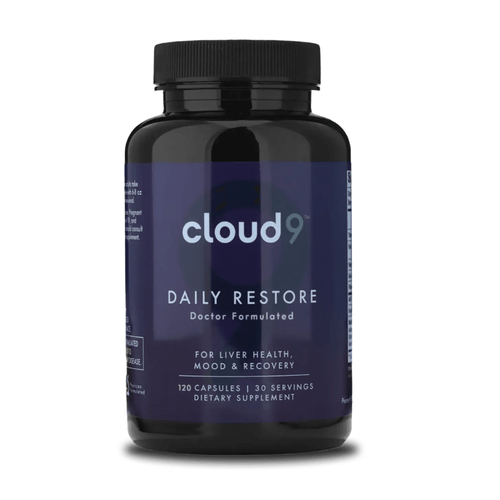
Cloud9 Daily Restore combines NAC, DHM, milk thistle, B vitamins, and ashwagandha to help support the pathways alcohol can tax most. Two capsules daily, drinking or not.
NAC | DHM | Milk Thistle | B Vitamins | Ashwagandha
See How Daily Restore WorksThe Buffer Zone Method: Creating Space Between Events
The biggest mistake social butterflies make is back-to-back scheduling without transition time. Your nervous system needs what researchers call a "recovery window" to shift from high-alert social mode to a more neutral state.
Building Your Personal Buffer Zones
Buffer zones are intentional gaps between social commitments that allow for physiological and psychological reset. These don't need to be long, just strategically placed and protected from interruption.
- Schedule 30-45 minute gaps between daytime events to prevent cumulative fatigue
- Allow 60-90 minutes of downtime before evening commitments if you've had a socially active day
- Create same-day recovery blocks after particularly demanding interactions like presentations or large group gatherings
- Use travel time intentionally rather than filling it with phone calls or podcasts
- Block "soft no" periods on your calendar where you default to declining unless the event is truly important
What to Do During Buffer Time
Not all downtime is equally restorative. Research suggests that certain activities facilitate faster recovery than others, particularly those that engage different neural pathways than social interaction.
| High-Recovery Activities | Low-Recovery Activities |
|---|---|
| Brief nature exposure or outdoor walking | Scrolling social media feeds |
| Breathwork or meditation practices | Watching emotionally intense content |
| Light stretching or gentle movement | Continuing work tasks or emails |
| Hydration and light snacking | Heavy meals or alcohol |
| Instrumental music or silence | Podcasts or audiobooks requiring focus |

Quick Reset Techniques for Social Butterflies
Sometimes you don't have a full buffer zone. Maybe events run long, or unexpected social opportunities arise. These rapid reset techniques can help you recharge in 10-15 minutes or less.
The Five-Sense Grounding Reset
This technique works by shifting your attention from social processing to sensory awareness. It can help reduce residual social stimulation and create a sense of presence.
- Identify five things you can see in your environment, focusing on details you normally overlook
- Notice four physical sensations, like your feet on the ground or air on your skin
- Listen for three distinct sounds, from the closest to the farthest away
- Detect two scents in your immediate area, or smell something intentional like essential oil
- Acknowledge one taste, even if it's just the inside of your mouth or a sip of water
The Physiological Sigh
Research from neuroscience labs suggests that a specific breathing pattern, the physiological sigh, can rapidly downregulate your nervous system. It involves two quick inhales through the nose followed by a long exhale through the mouth.
Perform this sequence three to five times whenever you feel socially overstimulated. Studies show this pattern can reduce heart rate and promote parasympathetic activation faster than standard deep breathing exercises.
The goal isn't to eliminate social fatigue entirely. It's to develop a sustainable rhythm where you can maintain your social connections without depleting the energy reserves you need to genuinely enjoy them.
Strategic Hydration and Nutrition
Dehydration amplifies cognitive fatigue, and many people spend entire days of back-to-back events significantly under-hydrated. Your brain is approximately 75% water, and even mild dehydration can impair concentration and mood regulation.
- Drink 8-16 ounces of water immediately after each social event
- Keep electrolyte packets in your bag for quick replenishment during long event days
- Eat protein-rich snacks between events to stabilize blood sugar and support neurotransmitter production
- Avoid excessive caffeine, which can mask fatigue while increasing physiological stress markers
- Consider magnesium-rich foods like nuts or dark chocolate for nervous system support
Creating Your Personal Recharge Routine
The most effective recovery strategy is one you'll actually use. This means building a personalized routine that fits your schedule, preferences, and specific energy patterns.
Mapping Your Social Energy Patterns
Spend a week tracking your energy levels after different types of social interactions. You might notice that small group dinners drain you more than large networking events, or vice versa. This self-awareness allows you to plan recovery time proportionally.
Notice which times of day you naturally have more social capacity. Many people find morning events less depleting than evening ones, while others are the opposite. Schedule your most demanding social commitments during your peak energy windows when possible.
The Three-Tier Recovery System
Not every event requires the same recovery approach. Create a tiered system based on the intensity and duration of social interaction.
| Event Type | Recovery Time | Recommended Activities |
|---|---|---|
| Light (coffee meetup, casual lunch) | 15-30 minutes | Quick walk, hydration, five-sense reset |
| Moderate (work event, group dinner) | 45-60 minutes | Longer nature exposure, breathwork, light meal, minimal stimulation |
| Intense (conference, large party, all-day event) | 2-4 hours or next-day recovery | Full rest period, possible nap, gentle movement, early bedtime, solo activities |
Building Non-Negotiable Recovery Rituals
Establish specific rituals that signal to your nervous system that it's time to shift out of social mode. Consistency helps these become automatic, requiring less willpower to maintain.
- Change clothes immediately after arriving home from events to create a physical transition
- Use a specific essential oil blend or scent only during recovery time to create sensory associations
- Designate a particular space in your home as your recharge zone with minimal stimulation
- Keep a simple checklist: hydrate, breathe, ground, rest, and check in with your body
- Set phone to Do Not Disturb during buffer zones to prevent social intrusion on recovery time
Protecting Your Social Sustainability
Long-term social wellness requires thinking beyond individual events to your overall capacity across weeks and months. Even with perfect recovery techniques, you have limits on sustainable social output.
Weekly Energy Budgeting
Treat your social energy like a budget. If you know you have a demanding weekend of events, reduce weekday commitments. If you've committed to an intensive networking conference, protect the following week for recovery and reduced social load.
Research suggests that trying to maintain maximum social output continuously leads to what psychologists call "behavioral fatigue," where the quality of your interactions degrades even if you're physically present. Strategic pacing prevents this decline.
The Power of the Graceful Decline
Learning to say no is a crucial skill for social butterflies. Not every invitation requires acceptance, and declining doesn't mean you're antisocial or unfriendly.
- Give yourself permission to decline invitations during recovery periods without elaborate explanations
- Suggest alternative dates when you'll have more capacity rather than forcing attendance when depleted
- Recognize that showing up exhausted and disconnected serves no one, including the host
- Practice simple, kind declines: "I need some recharge time, but I'd love to connect next week"
- Remember that protecting your energy ultimately makes you a better friend, colleague, and community member
How Daily Restore Supports Your Health
Understanding what your body needs is one thing. Getting consistent daily support is another. Daily Restore was designed to address the key pathways alcohol can stress most, in one simple daily formula.
NAC (N-Acetyl Cysteine)
Supports glutathione production and antioxidant defenses
DHM (Dihydromyricetin)
Supports alcohol metabolism
Milk Thistle (Silymarin)
Supports healthy liver function
B Vitamins
Help replenish nutrients involved in energy and metabolism
Ashwagandha
Supports stress resilience and healthy cortisol balance
Daily Restore is not a detox or a cure. It is a daily support formula designed for people who drink socially and want to give their body consistent, evidence-informed support.
Frequently Asked Questions
How much downtime do I really need between social events?
It varies by individual, but research suggests that most people benefit from at least 30 minutes to an hour of quiet time between high-energy activities. If you're naturally introverted or highly sensitive to stimulation, you may need even more time to feel fully recharged and ready to engage again.
Can I still be social if I need regular breaks to recharge?
Absolutely. Taking time to recharge between events can actually make you more present and engaged when you are socializing. Many highly social people find that scheduling recovery time helps them show up as their best selves rather than feeling drained or overwhelmed.
What if I feel guilty about saying no to invitations?
Setting boundaries around your social schedule is a form of self-care, not selfishness. Quality interactions matter more than quantity, and your friends will likely appreciate your honesty more than a half-hearted appearance when you're exhausted.
How can supplements support my recovery between events?
Targeted supplements with adaptogens and calming botanicals can help support your body's natural stress response and promote a sense of calm. When used consistently as part of a daily routine, they may help you feel more balanced and resilient during busy social periods.
Is it normal to feel exhausted after being social, even if I enjoyed myself?
Yes, this is completely normal. Social interaction, even when positive and enjoyable, requires significant mental and emotional energy. Feeling tired afterward simply means your nervous system needs time to reset, and honoring that need is an important part of sustainable social wellness.
The Bottom Line
Being a social butterfly doesn't mean you have to sacrifice your wellbeing or run yourself into the ground. The most sustainable approach to an active social life includes intentional recovery time, clear boundaries, and daily practices that support your nervous system between events.
Whether it's a five-minute breathing exercise in your car, a quiet evening at home with your favorite book, or a full day of digital detox, finding what helps you recharge is essential. The strategies you choose matter less than your commitment to making recovery a non-negotiable part of your routine.
Cloud9's Daily Restore can be part of that consistent support system. With a blend of adaptogens like ashwagandha and rhodiola, plus calming botanicals such as passionflower and lemon balm, it's designed to help your body adapt to daily stressors and maintain balance. When taken regularly, it may support a greater sense of calm and resilience as you navigate your busy social calendar.
Remember, taking care of yourself between events isn't about becoming less social. It's about showing up fully present, genuinely engaged, and energized enough to enjoy the connections that matter most. Your social life and your wellbeing don't have to be at odds, they can support each other beautifully when you give yourself permission to recharge.
Build Your Daily Support Routine
Build Your Daily Support Routine
If drinking is part of your lifestyle, your support routine should not be random. Daily Restore was designed to help social drinkers support liver health, antioxidant defenses, alcohol metabolism, nutrient replenishment, and daily recovery in one simple routine.
NAC
DHM
Milk Thistle
B Vitamins
Ashwagandha