
You know the feeling. You're at a gathering, conversation flowing, and suddenly there's that pull toward another drink. Not because you're particularly thirsty or even want it that much, but because it's there, it's expected, and something in your brain says yes before you've really decided.
For social drinkers looking to maintain better mental health without giving up alcohol entirely, this automatic response can create a quiet tension. You want to enjoy social situations, but you also don't want drinking to become a coping mechanism or slide into unhealthy patterns.
There's a mindfulness practice gaining attention among therapists and wellness professionals that addresses this exact challenge. It's called urge surfing, and it can help you develop a healthier, more intentional relationship with alcohol while supporting your overall mental wellbeing.
Quick Take
- Urge surfing is a mindfulness technique that helps you observe drinking cravings without automatically acting on them
- Research suggests cravings typically peak within 20-30 minutes and then naturally decrease when not reinforced
- The practice strengthens self-awareness and reduces anxiety around social drinking situations
- Regular urge surfing can help prevent alcohol from becoming an automatic stress response
- This technique works best when combined with other healthy coping strategies and conscious drinking habits
Why Traditional Willpower Doesn't Work for Social Drinking
Most advice about moderating alcohol consumption relies on willpower: just say no, set limits, stick to your rules. But if you've ever tried the "only two drinks" approach at a party, you know how quickly those firm intentions can dissolve. That's because willpower is a limited resource, and it depletes throughout the day as you make countless decisions.
Studies show that trying to suppress urges through sheer determination often backfires, a phenomenon psychologists call the rebound effect. The more you tell yourself "don't think about having another drink," the more persistent that thought becomes. Your brain interprets the restriction as a threat, making the desire feel even stronger.
Urge surfing takes a different approach entirely. Instead of fighting cravings or giving in to them, you learn to observe them with curiosity. This mindfulness-based strategy acknowledges a key insight from neuroscience: cravings are temporary neurological events that rise, peak, and fall on their own when you don't reinforce them with action.
Daily Support for Social Drinkers
Your liver works hard every day. Give it consistent support.
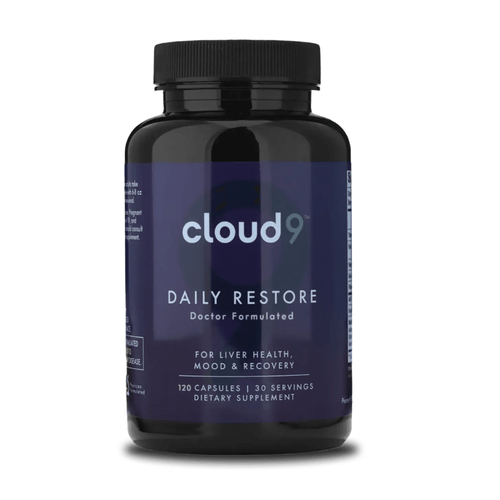
Cloud9 Daily Restore combines NAC, DHM, milk thistle, B vitamins, and ashwagandha to help support the pathways alcohol can tax most. Two capsules daily, drinking or not.
NAC | DHM | Milk Thistle | B Vitamins | Ashwagandha
See How Daily Restore WorksWhat Urge Surfing Actually Looks Like
The term "urge surfing" comes from the image of a wave. Just as ocean waves build, crest, and eventually break on the shore, cravings follow a predictable pattern. When you surf an urge, you're riding that wave of sensation without being swept away by it.
Here's what makes this practice particularly valuable for social drinkers: it doesn't require you to avoid social situations or adopt an all-or-nothing mindset about alcohol. Instead, it gives you a practical tool for moments when you're feeling pulled toward drinking for reasons that don't align with your intentions.
The Basic Technique
When you notice an urge to drink arising, the process involves four key steps. These aren't rigid rules but a flexible framework you can adapt to any situation.
- Pause and notice: Acknowledge that you're experiencing an urge without judgment. Simply name it: "I'm having a craving right now."
- Get curious about sensations: Where do you feel this urge in your body? Is there tension in your chest, restlessness in your hands, a tightness in your throat?
- Breathe and observe: Take slow, deep breaths while watching the sensations. Notice how they change, intensify, or shift location.
- Wait for the peak: Stay present as the urge reaches its strongest point, knowing it will begin to decrease naturally.
What You Might Notice
The first few times you try urge surfing, you'll likely be surprised by what you discover. Many people report that their cravings aren't as physically intense as they assumed. Often, what feels like an overwhelming need is actually a collection of smaller sensations: mild anxiety, social uncertainty, or simple habit.
You might also notice that urges have different qualities depending on their triggers. An urge driven by stress feels different from one motivated by celebration or social pressure. This awareness alone can be valuable, helping you distinguish between moments when you genuinely want a drink and times when you're reaching for alcohol to manage an uncomfortable emotion.
The Mental Health Benefits Beyond Drinking
While urge surfing was initially developed for addiction treatment, its applications extend far beyond alcohol. The practice builds what psychologists call distress tolerance: your ability to experience uncomfortable feelings without immediately trying to escape or fix them.
Research suggests that low distress tolerance is linked to higher rates of anxiety, depression, and substance use. When you can't sit with discomfort, even minor stressors feel overwhelming. You're more likely to reach for quick fixes, whether that's another drink, scrolling social media, or other avoidance behaviors.
Building Emotional Resilience
Each time you successfully surf an urge, you're training your brain in a crucial skill: the ability to observe thoughts and feelings without being controlled by them. This creates a small but meaningful gap between impulse and action.
That gap is where choice lives. Over time, this practice can help reduce overall anxiety because you develop confidence in your ability to handle uncomfortable moments. You're no longer at the mercy of every craving or difficult emotion that arises.
The goal isn't to never have cravings. The goal is to develop a different relationship with them, one where you can acknowledge an urge without automatically following it.
Reducing Social Anxiety Around Drinking
For many social drinkers, anxiety and alcohol are closely connected. You might feel nervous at gatherings and drink to ease those feelings. Or you might worry about how much you're drinking, which creates more anxiety, which makes you want to drink more: a feedback loop that's hard to break.
Urge surfing interrupts this cycle by giving you something to do with nervous energy besides reach for a glass. The practice itself is calming, engaging your parasympathetic nervous system through deep breathing and body awareness. You're actively doing something to manage your state, which can reduce the helpless feeling that often accompanies social anxiety.
How to Practice Urge Surfing in Real Social Situations
The concept of urge surfing sounds straightforward, but applying it in the middle of a loud party or networking event requires some preparation. The technique works best when you've practiced in lower-stakes situations first.
Start Small and Build Up
You don't need to wait for a major social event to begin practicing. In fact, it's better if you don't. Start noticing smaller urges throughout your day: the impulse to check your phone, the craving for a snack when you're not hungry, the desire to skip a workout.
These everyday moments are perfect training grounds. Spend 30 seconds observing the urge instead of automatically acting on it. Notice what happens. Does the feeling pass? Does it intensify and then fade? This builds your confidence for higher-pressure situations.
Creating Your Social Strategy
When you're heading into a social situation where you know drinking urges might arise, having a plan helps. This doesn't mean rigid rules, but rather a flexible framework that supports your intentions.
| Before the Event | During the Event | After the Event |
|---|---|---|
| Set a clear intention (not a rule) for how you want to feel | Notice urges as they arise without judging yourself | Reflect on what worked and what was challenging |
| Eat a balanced meal to stabilize blood sugar | Use the pause-observe-breathe sequence | Celebrate moments you successfully surfed an urge |
| Practice a few minutes of mindful breathing | Keep water or another beverage in hand | Adjust your approach for next time without harsh self-criticism |
| Remind yourself why this practice matters to you | Step away briefly if an urge feels overwhelming | Journal about any insights or patterns you noticed |
Handling Common Challenges
Even with practice, you'll encounter moments when urge surfing feels difficult. Maybe you're tired, stressed, or dealing with an unexpectedly triggering situation. These challenges are normal and don't mean you're doing it wrong.
- The urge feels too intense: Remember that intensity doesn't mean danger. Strong sensations are still just sensations. Try extending your exhales to activate your calming response.
- You're worried what others think: Most people are focused on themselves, not monitoring your drink consumption. A brief pause to breathe looks like thoughtful listening.
- The craving doesn't seem to decrease: Sometimes urges do last longer than expected. That's okay. The practice is still valuable even if you eventually decide to have a drink.
- You feel silly or self-conscious: Mindfulness can feel awkward at first, especially in social settings. Give yourself permission to be a beginner at this skill.
Combining Urge Surfing with Other Healthy Practices
Urge surfing is powerful, but it works best as part of a broader approach to mental health and mindful drinking. Think of it as one tool in a larger toolkit rather than a standalone solution.
Supporting Practices
Research suggests that mindfulness practices reinforce each other, creating cumulative benefits. When you pair urge surfing with other healthy habits, you're building a more resilient foundation for mental wellbeing.
- Regular meditation: Even five minutes daily strengthens your ability to observe thoughts without attachment
- Physical exercise: Movement helps process stress and reduces overall anxiety, making cravings less frequent
- Quality sleep: Poor sleep increases impulsivity and makes it harder to engage your prefrontal cortex during decision-making
- Stress management: Address the root causes of stress rather than only managing symptoms through drinking
- Social connection: Build relationships that don't center around alcohol, reducing environmental triggers
When to Seek Additional Support
Urge surfing can help social drinkers maintain healthier patterns, but it's not a treatment for alcohol use disorder. If you're experiencing significant distress around drinking, having trouble cutting back despite genuine efforts, or using alcohol to manage symptoms of anxiety or depression, professional support may be valuable.
A therapist trained in mindfulness-based approaches can help you develop these skills in a structured way. They can also address underlying mental health concerns that might be contributing to problematic drinking patterns. There's no shame in seeking help; in fact, recognizing when you need support is a sign of self-awareness and strength.
How Daily Restore Supports Your Health
Understanding what your body needs is one thing. Getting consistent daily support is another. Daily Restore was designed to address the key pathways alcohol can stress most, in one simple daily formula.
NAC (N-Acetyl Cysteine)
Supports glutathione production and antioxidant defenses
DHM (Dihydromyricetin)
Supports alcohol metabolism
Milk Thistle (Silymarin)
Supports healthy liver function
B Vitamins
Help replenish nutrients involved in energy and metabolism
Ashwagandha
Supports stress resilience and healthy cortisol balance
Daily Restore is not a detox or a cure. It is a daily support formula designed for people who drink socially and want to give their body consistent, evidence-informed support.
Frequently Asked Questions
How long does it take to see results from mindfulness practice for mental health?
Most people notice subtle shifts in mood and stress response within two to three weeks of consistent practice. Research suggests that practicing mindfulness for just 10 minutes daily can begin to reshape how your brain processes stress and emotions, though deeper changes typically develop over several months.
Can mindfulness really help reduce the desire to drink?
Studies show that mindfulness practices can help people become more aware of drinking triggers and create space between impulse and action. While it's not a standalone solution, mindfulness can support healthier choices by helping you recognize when you're reaching for a drink out of habit, stress, or social pressure rather than genuine desire.
What's the best time of day to practice mindfulness?
The best time is whatever time you'll actually stick with consistently. Many people find morning practice sets a calm tone for the day, while others prefer evening sessions to process stress and transition into rest. Experiment to find what fits naturally into your routine.
Do I need to meditate for hours to get mental health benefits?
Not at all. Research suggests that even five to ten minutes of daily mindfulness practice can offer meaningful benefits for mood, anxiety, and stress management. Consistency matters more than duration, so a brief daily practice often yields better results than occasional longer sessions.
Can mindfulness replace therapy or medication for mental health issues?
Mindfulness is a valuable complement to professional mental health care, not a replacement. If you're dealing with significant anxiety, depression, or other mental health challenges, working with a qualified therapist or psychiatrist remains essential. Mindfulness can enhance and support treatment, but shouldn't substitute for professional guidance when you need it.
The Bottom Line
Mindfulness isn't about achieving perfect mental clarity or eliminating all stress from your life. It's about developing a healthier relationship with your thoughts, emotions, and choices, including how and why you drink. For social drinkers, this practice can help maintain better mental health by building awareness, reducing stress-driven drinking, and creating space for more intentional decisions.
The real power of mindfulness comes from consistency, not perfection. Even a few minutes each day can help you notice patterns, respond to triggers more skillfully, and support your overall well-being. When combined with other healthy habits, mindfulness becomes a sustainable tool for managing both mental health and your relationship with alcohol.
Cloud9's Daily Restore is designed to support this journey with a simple, evidence-based formula that works alongside your mindfulness practice. By helping your body process alcohol more efficiently and supporting recovery at the cellular level, it can make moderation feel more manageable and sustainable. Whether you're just starting to explore mindfulness or you've been practicing for years, having consistent daily support can make a meaningful difference.
Your mental health and your relationship with alcohol are deeply connected. By bringing mindful awareness to both, you're investing in a healthier, more balanced life, one conscious choice at a time.
Build Your Daily Support Routine
Build Your Daily Support Routine
If drinking is part of your lifestyle, your support routine should not be random. Daily Restore was designed to help social drinkers support liver health, antioxidant defenses, alcohol metabolism, nutrient replenishment, and daily recovery in one simple routine.
NAC
DHM
Milk Thistle
B Vitamins
Ashwagandha