

You wake up after a night of drinking and the dread hits immediately. Heart racing, mind spiraling through every conversation, convinced you've ruined everything. You tell yourself you'll never drink again, but when the weekend comes, the cycle repeats.
If hangxiety has become your default morning-after experience, you're not looking for another quick fix. You want to understand why this keeps happening and what you can do to change it for good. The good news: long-term relief from hangxiety is possible with the right approach.
This guide explores the sustainable strategies that can help reduce hangxiety permanently over time, from supporting your brain chemistry to building resilience against alcohol's anxiety-triggering effects.
Quick Take
- Hangxiety stems from alcohol's disruption of brain chemistry, particularly GABA and glutamate balance, which can be addressed with consistent lifestyle changes
- Supporting your baseline anxiety levels and nervous system health reduces your vulnerability to post-drinking anxiety spikes
- Strategic supplementation with NAC, DHM, and adaptogens may help restore the neurochemical balance that alcohol disrupts
- Changing your relationship with alcohol, not just managing symptoms, creates the most sustainable long-term relief
- Consistency matters more than perfection: small daily habits compound into significant anxiety reduction over months
Why Hangxiety Becomes a Pattern
Hangxiety isn't just bad luck or a character flaw. It's a neurochemical response that becomes more pronounced the more frequently you drink. When alcohol floods your system, it enhances GABA (your brain's calming neurotransmitter) and suppresses glutamate (its excitatory counterpart). Your brain adapts to this artificial calm by downregulating GABA receptors and upregulating glutamate production.
When you stop drinking and alcohol leaves your system, you're left with too much glutamate and not enough GABA activity. This chemical rebound creates the perfect storm for anxiety, racing thoughts, and emotional dysregulation. Research suggests that people who experience regular hangxiety may have naturally lower baseline GABA activity or higher anxiety sensitivity, making them more vulnerable to this rebound effect.
The pattern reinforces itself: anxiety drives you to drink for relief, drinking depletes your neurochemical resources, and the resulting hangxiety leaves you more anxious than before. Breaking this cycle requires addressing both the immediate biochemical disruption and the underlying factors that make you susceptible in the first place.
Daily Support for Social Drinkers
Your liver works hard every day. Give it consistent support.
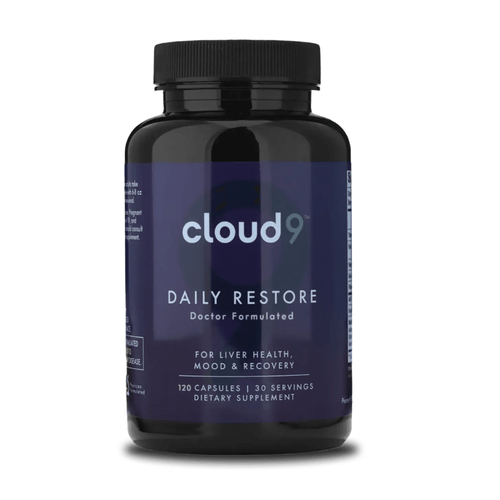
Cloud9 Daily Restore combines NAC, DHM, milk thistle, B vitamins, and ashwagandha to help support the pathways alcohol can tax most. Two capsules daily, drinking or not.
NAC | DHM | Milk Thistle | B Vitamins | Ashwagandha
See How Daily Restore WorksBuilding a Foundation: Address Your Baseline Anxiety
The most effective long-term solution to hangxiety starts before you ever take a drink. If you're walking around with chronically elevated anxiety, alcohol's neurochemical disruption will hit harder and last longer. Reducing your day-to-day anxiety creates resilience against hangxiety's effects.
Daily Practices That Rewire Your Stress Response
Your nervous system isn't fixed. Consistent practices can shift you from a state of chronic stress activation to better regulation. Studies show that regular meditation, breathwork, and somatic practices can increase GABA levels naturally and reduce baseline anxiety over time.
- Morning meditation or breathwork: Even 10 minutes daily can downregulate your stress response and improve emotional regulation
- Regular exercise: Movement increases GABA production and helps metabolize stress hormones that compound hangxiety
- Sleep consistency: Poor sleep depletes GABA and amplifies anxiety, alcohol disrupts sleep quality, creating a vicious cycle
- Limiting caffeine: Excessive stimulants keep glutamate elevated, making the post-alcohol rebound more severe
Therapy and Professional Support
If anxiety is a constant companion, addressing it therapeutically creates the strongest foundation. Cognitive behavioral therapy and somatic approaches can help you build tools for managing anxious thoughts and physical anxiety symptoms. When you have these skills in place, hangxiety becomes less overwhelming even when it occurs.
Working with a therapist who understands the relationship between alcohol and anxiety can help you identify whether you're self-medicating with drinking. This awareness is often the turning point that makes sustainable change possible.
Nutritional and Supplement Strategies for Long-Term Support
What you put in your body every day determines how vulnerable you are to alcohol's neurochemical disruption. Strategic nutrition and supplementation can help restore the balance alcohol depletes, making hangxiety less severe over time.
Key Nutrients for Neurotransmitter Support
Alcohol depletes specific vitamins and minerals that your brain needs to produce calming neurotransmitters. Chronic drinking can create deficiencies that take months to correct, even if you cut back significantly.
| Nutrient | Role in Anxiety Regulation | How to Get It |
|---|---|---|
| B Vitamins (especially B6, B12, folate) | Required for GABA and serotonin synthesis | Dark leafy greens, eggs, quality B-complex supplement |
| Magnesium | Natural GABA enhancer, calms nervous system | Pumpkin seeds, dark chocolate, magnesium glycinate supplement |
| Omega-3 fatty acids | Reduce inflammation, support neurotransmitter function | Fatty fish, algae oil, quality fish oil supplement |
| Zinc | Modulates GABA receptors, depleted by alcohol | Oysters, beef, pumpkin seeds, zinc supplement |
Supplements That Target Hangxiety Specifically
Beyond basic nutrition, certain supplements show promise for reducing the neurochemical disruption that causes hangxiety. These work best when taken consistently, not just after drinking.
N-Acetyl Cysteine (NAC): This amino acid replenishes glutathione, your body's master antioxidant that alcohol rapidly depletes. Research suggests NAC may reduce both the physical and psychological symptoms of hangovers when taken regularly. Some studies indicate it may even reduce alcohol cravings over time.
Dihydromyricetin (DHM): Extracted from the Japanese raisin tree, DHM appears to support GABA receptor function and may help counteract alcohol's effects on brain chemistry. While more research is needed, preliminary studies suggest it could reduce both hangover severity and alcohol's impact on anxiety pathways.
Adaptogenic herbs: Ashwagandha, rhodiola, and holy basil help regulate cortisol and support stress resilience. When taken daily over weeks or months, adaptogens may increase your baseline capacity to handle stress, including the stress of alcohol metabolism.
The key to supplement success is consistency and patience. These aren't quick fixes, they're tools that help restore the neurochemical balance alcohol disrupts. Give any new supplement protocol at least 6-8 weeks before evaluating its effectiveness.
Changing Your Relationship with Alcohol
Here's the truth most people don't want to hear: the most effective long-term solution to hangxiety is drinking less frequently and in smaller amounts. You don't necessarily need to quit entirely, but you do need to change the pattern if you want lasting relief.
Understanding Your Personal Threshold
Everyone has a different threshold for how much alcohol triggers severe hangxiety. For some people, it's more than two drinks. For others, even one drink can disrupt sleep and mood the next day. Pay attention to your patterns without judgment.
Track your drinking and next-day anxiety levels for a month. Notice what happens when you have one drink versus three, when you drink on consecutive nights versus spacing them out, when you drink different types of alcohol. This data helps you make informed choices rather than repeating the same painful cycle.
Strategies for Drinking Less Without Feeling Deprived
If alcohol has become your primary social lubricant or stress relief tool, cutting back can feel like losing something important. The key is replacing those functions with alternatives that actually work better long-term.
- Alternate alcoholic drinks with non-alcoholic options: This naturally reduces your consumption while keeping you socially engaged
- Set clear intentions before social events: Decide in advance how many drinks you'll have and stick to it
- Find other ways to ease social anxiety: Practice conversation starters, arrive early when crowds are smaller, bring a friend who makes you feel comfortable
- Develop non-drinking stress relief rituals: Evening walks, hot baths, creative hobbies, anything that genuinely helps you unwind
- Experiment with alcohol-free periods: Try 30 days without drinking to reset your tolerance and relationship with alcohol
When Moderation Isn't Working
For some people, moderating alcohol consumption feels impossible. If you find yourself constantly negotiating with yourself about drinking, breaking your own rules, or feeling unable to stop once you start, you may be dealing with more than just hangxiety.
There's no shame in recognizing that alcohol might not work for your brain chemistry. Many people who struggle with severe hangxiety find that complete abstinence is ultimately easier and more freeing than constant moderation attempts. Resources like therapy, support groups, and medication-assisted treatment can help if you're ready to explore this path.
Building Resilience: The Long Game
Permanent relief from hangxiety isn't about finding the perfect supplement or hack. It's about building overall resilience: a nervous system that can handle stress, a lifestyle that supports stable brain chemistry, and a relationship with alcohol that doesn't constantly undermine your mental health.
The 90-Day Reset Protocol
Real neurochemical change takes time. Research suggests that significant improvements in GABA receptor function and stress response can occur within three months of consistent lifestyle changes. Here's what a comprehensive 90-day approach might look like.
Weeks 1-4: Foundation building
- Establish daily meditation or breathwork practice
- Start taking baseline supplements (B complex, magnesium, omega-3s)
- Track your drinking and anxiety patterns without trying to change them yet
- Prioritize 7-8 hours of sleep nightly
Weeks 5-8: Pattern interruption
- Reduce drinking frequency by half (if you drank 4 times a week, aim for 2)
- Add targeted hangxiety supplements (NAC, DHM, adaptogens)
- Implement pre-drinking and post-drinking protocols (hydration, food, supplements)
- Start regular exercise routine (3-4 times weekly minimum)
Weeks 9-12: Integration and refinement
- Evaluate what's working and adjust accordingly
- Consider a 30-day alcohol break to reset fully
- Deepen stress management practices based on what resonated
- Assess whether your current drinking pattern is sustainable and aligned with your wellbeing
Measuring Progress Beyond Hangxiety
As you implement these changes, you'll likely notice improvements beyond just reduced hangxiety. Better baseline mood, more stable energy, improved sleep quality, clearer thinking, and greater emotional resilience are all signs that you're supporting your brain chemistry effectively.
Keep notes about these changes. When you can see the broader benefits, it becomes easier to maintain the habits that created them. The goal isn't perfection, it's creating a lifestyle that supports your mental health more consistently than it undermines it.
How Daily Restore Supports Your Health
Understanding what your body needs is one thing. Getting consistent daily support is another. Daily Restore was designed to address the key pathways alcohol can stress most, in one simple daily formula.
NAC (N-Acetyl Cysteine)
Supports glutathione production and antioxidant defenses
DHM (Dihydromyricetin)
Supports alcohol metabolism
Milk Thistle (Silymarin)
Supports healthy liver function
B Vitamins
Help replenish nutrients involved in energy and metabolism
Ashwagandha
Supports stress resilience and healthy cortisol balance
Daily Restore is not a detox or a cure. It is a daily support formula designed for people who drink socially and want to give their body consistent, evidence-informed support.
Frequently Asked Questions
How long does it take to permanently reduce hangxiety?
Most people notice meaningful improvements within 4-8 weeks of consistently supporting their body with quality sleep, balanced nutrition, and stress management practices. However, the timeline varies based on drinking patterns, overall health, and how consistently you implement supportive habits.
Can I still drink occasionally and reduce hangxiety long-term?
Yes, many people find that building a strong foundation of daily wellness practices allows them to enjoy alcohol occasionally with less severe anxiety afterward. The key is moderation, staying hydrated, and maintaining consistent support for your nervous system even on days you don't drink.
What's the difference between managing hangxiety symptoms and reducing it permanently?
Managing symptoms typically involves addressing hangxiety after it happens, while permanent reduction focuses on strengthening your body's resilience to alcohol's effects over time. This means supporting neurotransmitter balance, gut health, and stress response systems daily, not just when you're feeling anxious.
Do I need to quit drinking completely to see improvements?
Not necessarily, though reducing frequency and quantity often helps significantly. Many people find that cutting back while building healthier daily habits creates the best results. If you're drinking heavily or frequently, working with a healthcare provider on a reduction plan can provide important support.
Will supplements alone fix my hangxiety?
Supplements can be a valuable part of your strategy, but they work best when combined with lifestyle changes like better sleep, stress management, and mindful drinking habits. Think of them as tools that support your body's natural resilience rather than standalone solutions.
The Bottom Line
Reducing hangxiety permanently isn't about quick fixes or willpower alone. It's about building a foundation of daily practices that support your nervous system, gut health, and overall resilience. When you prioritize quality sleep, balanced nutrition, regular movement, and effective stress management, you create an environment where your body can better handle alcohol's effects and recover more efficiently.
The most effective approach combines mindful drinking habits with consistent daily support. This means being intentional about how much and how often you drink, while also giving your body the tools it needs to maintain balance. Small, sustainable changes compound over time, and most people find that their relationship with both alcohol and anxiety shifts naturally as their overall wellness improves.
Cloud9's Daily Restore can be a valuable part of this consistent daily routine. With ingredients like L-theanine, magnesium, and B vitamins, it's designed to support the neurotransmitter balance and stress resilience that play key roles in how your body responds to alcohol. When taken daily, rather than just after drinking, it works alongside your other healthy habits to build the kind of lasting resilience that helps reduce hangxiety over time.
Remember, everyone's journey looks different. What matters most is finding a sustainable approach that works for your lifestyle and sticking with it consistently. With patience and the right support, you can build a healthier relationship with alcohol and experience fewer of those morning-after anxiety spirals that used to feel inevitable.
Build Your Daily Support Routine
Build Your Daily Support Routine
If drinking is part of your lifestyle, your support routine should not be random. Daily Restore was designed to help social drinkers support liver health, antioxidant defenses, alcohol metabolism, nutrient replenishment, and daily recovery in one simple routine.
NAC
DHM
Milk Thistle
B Vitamins
Ashwagandha