

That second bottle of pinot noir seemed like a perfect idea last night. This morning, with a pounding headache and waves of nausea, you're remembering exactly why wine hangovers feel different from other types of alcohol-induced misery.
Wine hangovers come with their own unique set of challenges, from the sulfite sensitivity headaches to the tannin-triggered dehydration that leaves you feeling worse than you would after the same amount of vodka or beer. Understanding why wine affects your body differently is the first step to finding relief that actually works.
Whether you're dealing with the aftermath of a wedding celebration or simply underestimated that third glass at dinner, these targeted remedies can help you recover faster and feel human again.
Quick Take
- Wine hangovers are intensified by histamines, tannins, and sulfites that trigger specific inflammatory responses
- Quercetin-rich foods and supplements may help counteract the acetaldehyde buildup that makes wine hangovers particularly brutal
- Electrolyte replenishment works better than plain water for combating wine's diuretic effects
- NAC and glutathione support can address the toxic byproducts specific to wine metabolism
- Strategic carbohydrate intake helps stabilize the blood sugar crashes common with wine consumption
Why Wine Hangovers Hit Differently
Wine contains compounds that other alcoholic beverages simply don't have in the same concentrations. Histamines, which occur naturally during fermentation, can trigger inflammatory responses that manifest as headaches, flushed skin, and congestion. Red wines typically contain higher histamine levels than white varieties, which explains why that cabernet leaves you feeling worse than a chardonnay might.
Tannins, the compounds that give red wine its characteristic astringency, contribute to dehydration beyond what alcohol alone causes. Research suggests that tannins interfere with serotonin production, which may explain the mood-related symptoms many wine drinkers experience the next day. These polyphenolic compounds also stimulate the release of prostaglandins, inflammatory substances that can intensify headache pain.
Sulfites, added to wine as preservatives, create additional metabolic challenges for your body to process. While sulfite sensitivity affects only a small percentage of the population severely, most people experience some degree of increased oxidative stress when consuming sulfite-containing beverages. This oxidative burden adds to the toxic load your liver must handle alongside alcohol metabolism.
Daily Support for Social Drinkers
Your liver works hard every day. Give it consistent support.
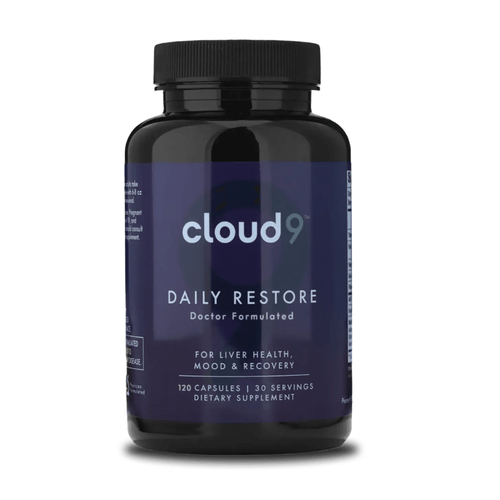
Cloud9 Daily Restore combines NAC, DHM, milk thistle, B vitamins, and ashwagandha to help support the pathways alcohol can tax most. Two capsules daily, drinking or not.
NAC | DHM | Milk Thistle | B Vitamins | Ashwagandha
See How Daily Restore WorksImmediate Relief Strategies for Wine Headaches
The throbbing headache that accompanies a wine hangover requires targeted intervention beyond standard pain relief. Your approach should address both dehydration and the inflammatory compounds unique to wine.
Hydration That Actually Works
Plain water isn't enough when you're dealing with wine-induced dehydration. The combination of alcohol's diuretic effect and tannin-related fluid loss means you need electrolyte replacement to truly rehydrate. Coconut water provides potassium and magnesium without added sugars that could worsen nausea.
A homemade electrolyte solution can be more effective than commercial sports drinks. Mix water with a pinch of sea salt, a squeeze of lemon, and a small amount of honey for natural glucose. This combination helps your cells actually absorb the water rather than simply passing it through your system.
Anti-Inflammatory Nutrition
Certain foods can help counteract the inflammatory cascade triggered by wine consumption. Quercetin, found in apples, onions, and berries, may help your body process acetaldehyde more efficiently. Studies show that this flavonoid supports liver function during alcohol metabolism.
- Fresh ginger tea to combat nausea and reduce inflammation
- Banana or avocado for potassium replenishment
- Eggs containing cysteine, which supports glutathione production
- Tomato juice rich in lycopene and natural electrolytes
- Honey on whole grain toast for stable blood sugar restoration
Supplement Support
N-acetylcysteine (NAC) taken before or after wine consumption can support your body's glutathione levels, which become depleted during alcohol metabolism. Research suggests that NAC may reduce hangover severity by helping neutralize toxic acetaldehyde. A typical dose ranges from 600 to 1200 mg.
Vitamin B complex supplementation addresses the nutrient depletion that occurs with wine consumption. B vitamins play crucial roles in energy metabolism and neurological function, both of which are compromised during a hangover. B6 in particular may help reduce nausea and support neurotransmitter balance.
Differentiating Red Wine vs. White Wine Recovery
Not all wine hangovers are created equal, and your recovery strategy should reflect what you actually drank. The chemical composition varies significantly between red and white wines, requiring slightly different approaches.
| Component | Red Wine | White Wine |
|---|---|---|
| Histamine Content | High (up to 20-200% more) | Lower to moderate |
| Tannin Levels | High, causes dehydration | Minimal |
| Sulfite Concentration | Lower (reds need less preservative) | Higher |
| Sugar Content | Generally lower | Often higher, especially sweet varieties |
| Primary Hangover Trigger | Histamines and tannins | Sulfites and sugar |
Red Wine Hangover Protocol
Red wine hangovers typically present with more intense headaches due to the histamine and tyramine content. Your recovery should focus on antihistamine support and aggressive rehydration. Consider taking a natural antihistamine like vitamin C in high doses (1000-2000 mg) to help your body process the histamine load.
The tannins in red wine also contribute to gut inflammation, which can manifest as nausea and digestive discomfort. Probiotic-rich foods like kefir or a quality probiotic supplement can help restore gut balance. Ginger and peppermint tea provide additional digestive support while addressing nausea.
White Wine Hangover Protocol
White wine hangovers often involve more pronounced blood sugar fluctuations, especially if you consumed sweeter varieties. Your priority should be stabilizing glucose levels with complex carbohydrates and protein. Oatmeal with nuts and berries provides sustained energy without spiking insulin.
The higher sulfite content in white wines means increased oxidative stress. Antioxidant support becomes crucial for recovery. Vitamin C, vitamin E, and selenium-rich foods like Brazil nuts can help neutralize free radicals and support your body's detoxification pathways.
The key to wine hangover recovery isn't just hydration or rest alone. It's understanding the specific compounds your body is processing and supporting those metabolic pathways with targeted nutrition and supplements.
Long-Term Strategies for Wine Lovers
If you regularly enjoy wine, prevention strategies can significantly reduce the severity and frequency of hangovers. These approaches work best when implemented consistently, not just on the night you're drinking.
Build Your Baseline Resilience
Your body's ability to process wine depends heavily on your overall health status. Maintaining adequate glutathione levels through regular consumption of sulfur-rich foods like cruciferous vegetables, garlic, and onions can improve your alcohol metabolism capacity. Research suggests that individuals with higher baseline glutathione experience less severe hangovers.
Regular magnesium supplementation may help reduce the headache susceptibility that makes wine hangovers particularly miserable. Many people are already magnesium-deficient, and alcohol consumption further depletes this essential mineral. A daily dose of 300-400 mg of magnesium glycinate can support better overall recovery.
Smart Drinking Practices
The way you consume wine matters as much as what you drink. Alternating each glass of wine with a full glass of water helps maintain hydration throughout the evening. This practice also naturally slows your consumption rate, giving your liver more time to process the alcohol.
- Never drink wine on an empty stomach, as this accelerates alcohol absorption and worsens blood sugar crashes
- Choose wines labeled as low-sulfite or organic when possible to reduce preservative exposure
- Limit yourself to one type of wine per occasion to minimize the variety of compounds your body must process
- Eat foods high in healthy fats before drinking to slow alcohol absorption
- Set a maximum limit based on your personal tolerance, not social pressure
Pre-Loading and Post-Loading Supplements
Taking specific supplements before and after wine consumption can provide significant protection. NAC taken 30 minutes before drinking helps prepare your glutathione system for the incoming oxidative stress. A B-complex vitamin before bed supports the metabolic processes that continue overnight.
Milk thistle, containing the active compound silymarin, has been studied for its liver-protective properties. While it won't prevent intoxication, research suggests it may support liver function during alcohol metabolism. A typical dose is 150-300 mg of standardized extract.
How Daily Restore Supports Your Health
Understanding what your body needs is one thing. Getting consistent daily support is another. Daily Restore was designed to address the key pathways alcohol can stress most, in one simple daily formula.
NAC (N-Acetyl Cysteine)
Supports glutathione production and antioxidant defenses
DHM (Dihydromyricetin)
Supports alcohol metabolism
Milk Thistle (Silymarin)
Supports healthy liver function
B Vitamins
Help replenish nutrients involved in energy and metabolism
Ashwagandha
Supports stress resilience and healthy cortisol balance
Daily Restore is not a detox or a cure. It is a daily support formula designed for people who drink socially and want to give their body consistent, evidence-informed support.
Frequently Asked Questions
Why do wine hangovers feel worse than other types of alcohol?
Wine contains higher levels of congeners, histamines, and sulfites compared to clear spirits, which can contribute to more intense hangover symptoms. Red wine in particular has compounds like tannins that may trigger headaches and inflammation in sensitive individuals. The sugar content in many wines can also lead to blood sugar crashes that intensify fatigue and irritability the next day.
Does the color of wine affect hangover severity?
Research suggests that red wine may cause more pronounced hangovers than white wine due to higher concentrations of congeners and tannins. However, white wine can still trigger significant symptoms, especially if you're sensitive to sulfites or consume it in large quantities. Your individual tolerance and hydration status often matter more than the wine type itself.
How long does a typical wine hangover last?
Most wine hangovers peak within 12 to 24 hours after drinking and gradually improve as your body metabolizes the alcohol and rehydrates. Symptoms like headache and fatigue typically subside within 24 hours, though some people may experience lingering effects for up to 48 hours. Supporting your body with hydration, nutrients, and rest can help reduce the duration and intensity of symptoms.
Can I prevent a wine hangover completely?
While there's no guaranteed way to completely eliminate hangover symptoms, you can significantly reduce their severity by moderating your intake, staying hydrated, and eating before drinking. Taking proactive steps like supplementing with antioxidants and B vitamins may help support your body's natural detoxification processes. The most reliable prevention method remains drinking in moderation and knowing your personal limits.
Are expensive wines less likely to cause hangovers?
While higher-quality wines may contain fewer additives and sulfites, price alone doesn't determine hangover severity. The total amount of alcohol consumed, your hydration status, and individual sensitivities play much larger roles. That said, organic or low-sulfite wines may cause fewer symptoms in people who are particularly sensitive to these compounds.
The Bottom Line
Wine hangovers can be particularly challenging due to the unique combination of congeners, histamines, and sulfites found in your favorite bottles. However, understanding what triggers these symptoms empowers you to take proactive steps, from staying hydrated and choosing your wines carefully to supporting your body with the right nutrients before and after drinking.
The best approach combines smart drinking habits with consistent nutritional support. Cloud9's Daily Restore offers a research-backed blend of DHM, electrolytes, B vitamins, and antioxidants designed to support your body's natural recovery processes. By making Daily Restore part of your daily routine, you can help your body bounce back more efficiently after enjoying wine with friends or unwinding at the end of the day.
Remember that moderation remains the most effective strategy for avoiding severe hangovers. Listen to your body, pace yourself, and prioritize hydration alongside any glass of wine. With the right combination of mindful drinking and targeted nutritional support, you can enjoy wine while minimizing the unpleasant aftermath.
Ready to take control of your mornings after wine nights? Explore Cloud9's Daily Restore and discover how consistent support can help you feel your best, whether you're toasting a special occasion or simply savoring a quiet evening with a glass of your favorite vintage.
Build Your Daily Support Routine
Build Your Daily Support Routine
If drinking is part of your lifestyle, your support routine should not be random. Daily Restore was designed to help social drinkers support liver health, antioxidant defenses, alcohol metabolism, nutrient replenishment, and daily recovery in one simple routine.
NAC
DHM
Milk Thistle
B Vitamins
Ashwagandha