

You wake up with a pounding headache, your mouth feels like sandpaper, and you'd do almost anything to feel human again. So you reach for one of those popular hangover remedies everyone swears by, confident it'll help you bounce back.
But what if that "cure" is actually making things worse? Some of the most popular hangover remedies not only fail to help, they can prolong your misery or even create new problems. Understanding which remedies to avoid can save you hours of unnecessary suffering.
Here are the five worst offenders that research suggests you should skip entirely, along with what's actually happening in your body when you try them.
Quick Take
- Greasy food can slow digestion and worsen nausea rather than "absorbing" alcohol
- More alcohol (hair of the dog) only delays hangover symptoms and increases toxin load
- Coffee on an empty stomach can increase dehydration and irritate your already sensitive stomach
- Pain relievers like acetaminophen can stress your liver when it's already processing alcohol metabolites
- Intense exercise forces your dehydrated body to work harder when it needs rest and recovery
Why Hangover Remedies Can Backfire
A hangover isn't just one problem, it's a cascade of physiological challenges. Alcohol depletes essential nutrients, irritates your stomach lining, causes inflammation, disrupts your sleep cycles, and leaves you dehydrated. Your liver is working overtime to process acetaldehyde, a toxic byproduct that's actually more harmful than alcohol itself.
Many popular remedies focus on one symptom while ignoring (or worsening) others. Studies show that interventions targeting only headache relief or only nausea often fail because they don't address the underlying metabolic chaos. Some remedies even add stress to systems already under strain.
The key is understanding what's actually happening in your body so you can support recovery rather than sabotage it. Let's look at the specific remedies that research suggests you should avoid.
Daily Support for Social Drinkers
Your liver works hard every day. Give it consistent support.
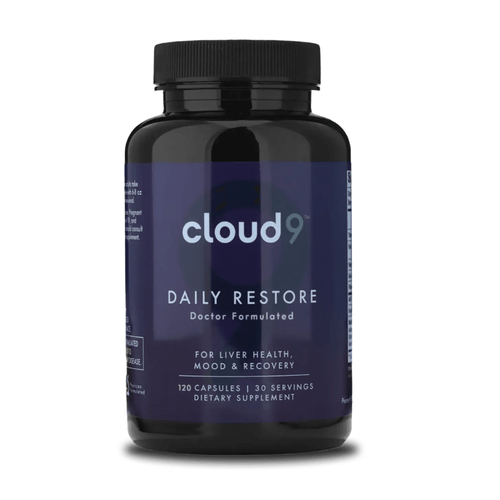
Cloud9 Daily Restore combines NAC, DHM, milk thistle, B vitamins, and ashwagandha to help support the pathways alcohol can tax most. Two capsules daily, drinking or not.
NAC | DHM | Milk Thistle | B Vitamins | Ashwagandha
See How Daily Restore WorksRemedy #1: The Greasy Breakfast
The classic hangover breakfast of bacon, eggs, and hash browns seems logical. Many people believe greasy food "soaks up" the alcohol or provides necessary calories. But this remedy is based on a fundamental misunderstanding of how alcohol metabolism works.
Why This Backfires
By the time you're hungover, the alcohol is already in your system and being processed. Greasy food can't absorb what's already been absorbed. Instead, heavy fats slow down digestion significantly, which can make nausea worse and leave you feeling sluggish for even longer.
Your stomach lining is already irritated from alcohol. Research suggests that high-fat foods require more digestive enzymes and stomach acid, which can intensify feelings of queasiness. Plus, these meals often lack the nutrients your body actually needs for recovery, like electrolytes and antioxidants.
What's Actually Happening
- Your digestive system is already compromised from alcohol's irritating effects
- Heavy fats take 4-6 hours to digest, prolonging discomfort
- Greasy foods provide calories but few recovery-supporting nutrients
- Blood flow diverts to digestion rather than helping your liver process toxins
Remedy #2: Hair of the Dog
Having another drink to cure a hangover is one of the oldest "remedies" in the book. The logic seems sound at first: if withdrawal from alcohol causes hangover symptoms, more alcohol should relieve them. This is dangerous thinking.
The Temporary Relief Trap
Studies show that consuming more alcohol may temporarily mask hangover symptoms by maintaining blood alcohol levels. Your brain gets a brief reprieve from withdrawal, and you might feel slightly better for an hour or two. But you're not recovering, you're just delaying the inevitable.
Meanwhile, you're adding more toxins for your liver to process. Your body is already working hard to clear acetaldehyde, and you've just extended its workload. This can lead to a worse hangover later and increases the risk of developing problematic drinking patterns.
The "hair of the dog" remedy essentially trades one hangover for another, potentially worse one. You're not supporting recovery, you're postponing it while adding stress to an already overworked system.
The Real Consequences
- Delays actual recovery by hours or days
- Increases total alcohol exposure and toxin accumulation
- Can establish a dangerous pattern of using alcohol to manage discomfort
- Prevents your body from beginning the natural detoxification process
Remedy #3: Coffee on an Empty Stomach
Reaching for coffee seems instinctive when you're dealing with hangover fatigue and brain fog. Caffeine can help with the headache and give you a temporary energy boost. But timing and context matter significantly.
The Dehydration Double-Down
Caffeine is a diuretic, meaning it increases urine production. When you're already dehydrated from alcohol (which is also a diuretic), coffee can make the problem worse. Research suggests that dehydration is one of the primary drivers of hangover symptoms, so anything that increases fluid loss works against recovery.
Coffee also increases stomach acid production. Your stomach lining is already inflamed from alcohol, and adding acidic coffee on an empty stomach can intensify nausea and discomfort. The caffeine boost is real, but it often comes with a cost.

When Coffee Makes Things Worse
| Symptom | How Coffee Affects It |
|---|---|
| Dehydration | Increases fluid loss through increased urination |
| Nausea | Stimulates acid production in already irritated stomach |
| Jitters/Anxiety | Caffeine can amplify hangover-related anxiety |
| Energy Crashes | Temporary boost followed by deeper fatigue |
Remedy #4: Taking Acetaminophen (Tylenol)
When your head is pounding, reaching for pain relief seems perfectly reasonable. But not all pain relievers are safe choices when you're recovering from alcohol consumption. Acetaminophen in particular poses serious risks.
The Liver Overload Problem
Both alcohol and acetaminophen are processed by your liver. Studies show that when taken together or in close succession, they can create a dangerous combination that increases the risk of liver damage. Your liver is already working hard to break down alcohol and its toxic metabolites, and adding acetaminophen forces it to multitask in ways that can be harmful.
Even if you take acetaminophen several hours after drinking, your liver may still be processing alcohol residue. Research suggests this combination can deplete glutathione, a crucial antioxidant that protects liver cells from damage. Regular use of this combination can lead to serious liver problems over time.
Pain Reliever Safety Guide
- Avoid: Acetaminophen (Tylenol) for at least 24 hours after drinking
- Use cautiously: Ibuprofen or aspirin, but only with food and water (can irritate stomach)
- Better option: Address underlying causes (dehydration, nutrient depletion) rather than masking symptoms
- Never combine: Multiple types of pain relievers without medical guidance
Remedy #5: Intense Exercise or "Sweating It Out"
The idea that you can sweat out toxins or exercise away a hangover is appealing. It feels proactive and virtuous. But research suggests this approach can actually prolong recovery and create additional problems.
Why Your Body Needs Rest, Not Stress
Exercise increases your core body temperature and causes additional fluid loss through sweat. When you're already dehydrated, this can worsen symptoms significantly. Your heart rate is likely already elevated from alcohol's effects on your cardiovascular system, and intense exercise adds more stress.
Studies show that alcohol disrupts muscle recovery and coordination. Exercising while hungover increases injury risk because your reaction time, balance, and judgment are all compromised. You're also depleting energy stores your body needs for actual recovery processes.
What Happens During Hangover Exercise
- Increased dehydration from sweat loss on top of alcohol-related fluid deficit
- Elevated heart rate and blood pressure when cardiovascular system is already stressed
- Reduced coordination and slower reaction time increase injury risk
- Energy diverted from detoxification and healing to muscle performance
- Potential for dangerous blood sugar drops if you haven't eaten properly
Light movement like gentle walking can help with circulation and mood. But high-intensity workouts, hot yoga, or long runs force your compromised body to work harder when it actually needs rest and rehydration.
How Daily Restore Supports Your Health
Understanding what your body needs is one thing. Getting consistent daily support is another. Daily Restore was designed to address the key pathways alcohol can stress most, in one simple daily formula.
NAC (N-Acetyl Cysteine)
Supports glutathione production and antioxidant defenses
DHM (Dihydromyricetin)
Supports alcohol metabolism
Milk Thistle (Silymarin)
Supports healthy liver function
B Vitamins
Help replenish nutrients involved in energy and metabolism
Ashwagandha
Supports stress resilience and healthy cortisol balance
Daily Restore is not a detox or a cure. It is a daily support formula designed for people who drink socially and want to give their body consistent, evidence-informed support.
Frequently Asked Questions
Can drinking water before bed prevent a hangover?
While staying hydrated can help reduce some hangover symptoms, water alone won't prevent the metabolic stress alcohol creates in your body. Hydration is important, but it's only one piece of the puzzle when it comes to supporting your body's natural recovery processes.
Is it true that greasy food absorbs alcohol?
No, greasy food doesn't absorb alcohol that's already in your system. Once alcohol enters your bloodstream, no amount of food can remove it. Eating heavy, fatty foods when you're already feeling nauseous can actually make digestive discomfort worse and slow down your recovery.
Does "hair of the dog" actually work?
Drinking more alcohol might temporarily mask hangover symptoms, but it only delays the inevitable while adding more toxins for your body to process. This approach can create a cycle that's harder on your liver and may contribute to unhealthy drinking patterns over time.
How long does it take for hangover symptoms to go away?
Most hangover symptoms typically peak within 12 to 24 hours after drinking stops, though this varies based on factors like how much you drank and your individual metabolism. Supporting your body with proper hydration, rest, and nutrients can help optimize your natural recovery timeline.
What's the best way to prevent feeling awful after drinking?
The most effective approach combines moderation with proactive support for your body's natural detoxification processes. This includes pacing yourself, alternating alcoholic drinks with water, eating balanced meals, and giving your liver the nutrients it needs to function optimally both before and after drinking.
The Bottom Line
When you're feeling rough after a night out, it's tempting to reach for quick fixes that promise instant relief. But as we've seen, many popular hangover remedies can actually make things worse by adding stress to an already overwhelmed system. From pain relievers that irritate your stomach to greasy foods that slow digestion, these well-intentioned solutions often backfire.
The smarter approach focuses on supporting your body's natural recovery processes rather than fighting against them. This means prioritizing gentle hydration, light nutrition, rest, and giving your liver the specific nutrients it needs to metabolize alcohol efficiently. Research suggests that certain vitamins, minerals, and herbal compounds can help optimize these natural detoxification pathways.
That's where Daily Restore comes in. Our formula combines DHM, milk thistle, NAC, B vitamins, and electrolytes to support your body's natural ability to process alcohol and recover more comfortably. Rather than masking symptoms or adding more stress, it works with your body's existing systems to help you feel better faster.
The best part? Daily Restore isn't just for damage control. Taking it as part of your regular wellness routine can help support liver health and metabolic function on an ongoing basis, so your body is better prepared when you do choose to enjoy a drink. Because feeling good shouldn't have to mean giving up the moments that matter.
Build Your Daily Support Routine
Build Your Daily Support Routine
If drinking is part of your lifestyle, your support routine should not be random. Daily Restore was designed to help social drinkers support liver health, antioxidant defenses, alcohol metabolism, nutrient replenishment, and daily recovery in one simple routine.
NAC
DHM
Milk Thistle
B Vitamins
Ashwagandha