

You're scrolling through your latest blood work results, staring at a wall of acronyms and numbers that might as well be written in code. ALT, AST, GGT, bilirubin. You know you should probably understand what they mean, especially since you enjoy wine with dinner or beers on the weekend.
If you're a social drinker who wants to stay informed about your health, learning how to read liver function test results isn't just smart, it's essential. Your liver processes every drink you consume, and these tests offer a clear window into how well it's managing that workload.
The good news? Understanding your liver panel is more straightforward than you might think. Let's break down exactly what those numbers mean and what they're telling you about your health.
Quick Take
- Liver function tests measure enzymes and proteins that indicate how well your liver is working and whether there's any damage or inflammation
- ALT and AST are the most important enzymes for detecting liver cell damage, with elevated levels often signaling alcohol-related stress
- GGT is particularly sensitive to alcohol consumption and can rise even with moderate drinking
- Normal ranges vary by lab, but understanding your trends over time matters more than a single snapshot
- Elevated results don't automatically mean liver disease, but they're a signal to evaluate your drinking habits and overall health
What Liver Function Tests Actually Measure
A liver function test (LFT) is actually a panel of several different blood tests that work together to paint a picture of your liver health. Think of it like a team of specialists, each examining a different aspect of how your liver is performing. These tests measure enzymes that leak into your bloodstream when liver cells are damaged, proteins your liver produces, and substances your liver processes.
For social drinkers, these tests serve as an early warning system. Your liver is remarkably resilient and can handle moderate alcohol consumption without showing signs of distress. However, when the workload becomes too much, whether from drinking frequency, quantity, or other factors like diet and medications, these markers begin to rise.
Research suggests that even people who consider themselves light to moderate drinkers can show elevated liver enzymes if they're drinking consistently without giving their liver adequate recovery time. The key is knowing what to look for and understanding what those numbers actually mean.
Daily Support for Social Drinkers
Your liver works hard every day. Give it consistent support.
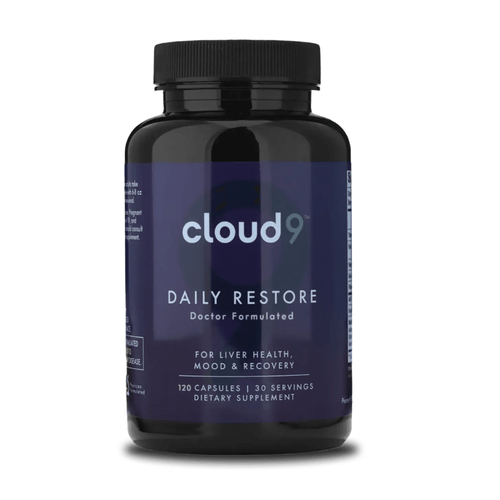
Cloud9 Daily Restore combines NAC, DHM, milk thistle, B vitamins, and ashwagandha to help support the pathways alcohol can tax most. Two capsules daily, drinking or not.
NAC | DHM | Milk Thistle | B Vitamins | Ashwagandha
See How Daily Restore WorksThe Core Liver Enzymes: Your Most Important Numbers
ALT (Alanine Aminotransferase)
ALT is found primarily in your liver cells, making it one of the most specific indicators of liver health. When liver cells are damaged or inflamed, ALT leaks into your bloodstream, causing levels to rise. Normal ranges typically fall between 7-56 units per liter, though this can vary slightly between labs.
For social drinkers, persistently elevated ALT levels can indicate that your liver is working overtime to process alcohol. Even if you're not experiencing symptoms, an ALT above 40 deserves attention and potentially a conversation with your doctor about your drinking patterns.
AST (Aspartate Aminotransferase)
AST is found in your liver but also in your heart, muscles, and other tissues, making it slightly less specific than ALT. Normal ranges usually sit between 10-40 units per liter. What matters most for assessing alcohol-related liver stress is the ratio between AST and ALT.
In alcohol-related liver issues, AST is often higher than ALT, creating what doctors call an AST/ALT ratio greater than 2:1. If you see this pattern in your results, it's a strong signal that alcohol may be affecting your liver health.
GGT (Gamma-Glutamyl Transferase)
GGT is particularly sensitive to alcohol consumption and can be one of the first markers to rise. Normal levels range from 9-48 units per liter for men and 9-32 for women. Studies show that GGT can increase with regular drinking, even at levels considered moderate.
If your GGT is elevated but your ALT and AST are normal, it often indicates early-stage alcohol stress on your liver. This is actually valuable information because it suggests you have an opportunity to make changes before more significant damage occurs.
Additional Markers That Complete the Picture
Alkaline Phosphatase (ALP)
ALP is found in your liver, bones, and bile ducts. Normal ranges are typically 44-147 units per liter. While not as directly related to alcohol consumption, elevated ALP can indicate bile duct issues or, in combination with other elevated enzymes, more comprehensive liver problems.
Bilirubin
Bilirubin is a yellow pigment produced when your body breaks down old red blood cells. Your liver processes and eliminates bilirubin through bile. Normal total bilirubin levels are usually under 1.2 mg/dL.
When your liver is damaged or overworked, it may struggle to process bilirubin efficiently, causing levels to rise. Very high bilirubin can cause jaundice (yellowing of skin and eyes), but even mild elevations can indicate your liver isn't functioning optimally.
Albumin and Total Protein
Your liver produces albumin and other proteins essential for various bodily functions. Normal albumin levels range from 3.5-5.5 g/dL. Unlike enzymes that rise with liver damage, albumin and protein levels may actually decrease when liver function is impaired, since a damaged liver produces less of these important proteins.
| Test | Normal Range | What Elevation May Indicate |
|---|---|---|
| ALT | 7-56 U/L | Liver cell damage or inflammation |
| AST | 10-40 U/L | Liver or muscle damage (check AST/ALT ratio) |
| GGT | 9-48 U/L (men), 9-32 U/L (women) | Alcohol consumption, bile duct issues |
| ALP | 44-147 U/L | Bile duct problems, bone disorders |
| Bilirubin | 0.1-1.2 mg/dL | Reduced liver processing capacity |
| Albumin | 3.5-5.5 g/dL | Decreased levels suggest chronic liver dysfunction |
How to Interpret Your Results as a Social Drinker
Understanding Context and Trends
A single liver function test provides useful information, but tracking your results over time tells a much more complete story. Your liver enzymes can fluctuate based on recent alcohol consumption, medications, exercise, and even the time of day blood was drawn.
If you had a few drinks the night before your test, your results might show temporary elevations that don't reflect your baseline liver health. This is why doctors often recommend repeating tests after a period of abstinence if initial results are concerning.
Red Flags vs. Yellow Flags
Not all elevated results carry the same weight. Here's how to think about what your numbers might be telling you:
- Mildly elevated GGT with normal other enzymes: Often indicates regular alcohol consumption, even at moderate levels. Consider taking a break and retesting.
- ALT and AST both elevated (less than 2x normal): May suggest early liver stress. Time to evaluate drinking frequency and overall liver health habits.
- AST higher than ALT (ratio greater than 2:1): Pattern commonly associated with alcohol-related liver issues. Warrants medical follow-up.
- Multiple markers significantly elevated (more than 2-3x normal): Requires prompt medical evaluation to rule out more serious liver conditions.
- Elevated bilirubin with other abnormalities: May indicate more advanced liver dysfunction. Seek medical attention.
The most important thing to understand about liver function tests is that they're a tool for awareness, not a verdict. Your liver has remarkable regenerative capacity, and catching issues early gives you the power to make changes that can restore optimal function.
What "Normal" Actually Means
Reference ranges represent the values found in 95% of healthy people, but what's normal for the general population may not be optimal for you. Some people naturally run slightly higher or lower on certain markers. Additionally, factors like age, sex, body composition, and ethnicity can influence what's truly normal for your individual physiology.
This is why establishing your personal baseline through regular testing is so valuable. If your ALT has always been around 25 and suddenly jumps to 45 (still technically "normal"), that 80% increase is meaningful and worth investigating, even though the absolute number falls within the standard range.
Taking Action Based on Your Results
When Results Are Normal
Normal liver function tests don't give you a free pass to ignore your drinking habits, but they do suggest your current approach isn't causing detectable liver stress. This is the ideal time to establish healthy patterns that keep your results in the normal range.
Consider these proactive steps:
- Track your drinking patterns to ensure you're staying within moderate guidelines (no more than 1 drink per day for women, 2 for men)
- Implement regular alcohol-free days to give your liver consistent recovery time
- Schedule annual liver function tests to monitor trends over time
- Maintain a healthy weight and exercise regularly, as these factors significantly impact liver health
- Stay hydrated and consider liver-supporting nutrients like NAC, milk thistle, or B vitamins
When Results Are Mildly Elevated
Mildly elevated results (up to 1.5-2 times the upper limit of normal) are your liver's way of sending a gentle warning. The good news is that at this stage, changes to your habits can often bring numbers back to normal relatively quickly.
Your doctor will likely recommend retesting after 4-8 weeks of alcohol abstinence or significant reduction. During this time, focus on supporting your liver's natural recovery processes through improved nutrition, adequate sleep, and stress management. Many people see their numbers normalize during this period, confirming that alcohol was the primary factor.
When Results Require Medical Follow-Up
Significantly elevated results (more than 2-3 times normal) or a pattern of progressively worsening numbers require medical evaluation to rule out other causes beyond alcohol. Your doctor may order additional tests such as a hepatitis panel, imaging studies, or even a liver biopsy in some cases.
This doesn't necessarily mean you have severe liver disease, but it does mean you need professional guidance to understand what's happening and develop an appropriate treatment plan. Be honest with your healthcare provider about your drinking habits, as this information is crucial for accurate diagnosis and effective intervention.
How Daily Restore Supports Your Health
Understanding what your body needs is one thing. Getting consistent daily support is another. Daily Restore was designed to address the key pathways alcohol can stress most, in one simple daily formula.
NAC (N-Acetyl Cysteine)
Supports glutathione production and antioxidant defenses
DHM (Dihydromyricetin)
Supports alcohol metabolism
Milk Thistle (Silymarin)
Supports healthy liver function
B Vitamins
Help replenish nutrients involved in energy and metabolism
Ashwagandha
Supports stress resilience and healthy cortisol balance
Daily Restore is not a detox or a cure. It is a daily support formula designed for people who drink socially and want to give their body consistent, evidence-informed support.
Frequently Asked Questions
How often should social drinkers get liver function tests?
Most healthcare providers recommend annual testing for adults who drink regularly, even in moderate amounts. If you're experiencing any symptoms like persistent fatigue, digestive issues, or changes in your overall health, it's worth scheduling a test sooner to establish a baseline and catch any potential concerns early.
Can elevated liver enzymes return to normal if I cut back on drinking?
Yes, in many cases, mild to moderate enzyme elevations can improve significantly when you reduce alcohol intake and support your liver with proper nutrition and hydration. The liver has remarkable regenerative capacity, and research suggests that consistent lifestyle changes can help enzyme levels normalize within weeks to months, depending on the initial degree of elevation.
What's considered "moderate" drinking when it comes to liver health?
Current guidelines generally define moderate drinking as up to one drink per day for women and up to two for men. However, individual tolerance varies based on genetics, body weight, overall health, and other factors, so what's moderate for one person may not be for another.
Should I be worried if just one liver enzyme is slightly elevated?
A single mildly elevated enzyme doesn't automatically indicate serious liver damage, especially if other markers are normal. It could be influenced by recent exercise, certain medications, or temporary factors. That said, it's worth discussing with your healthcare provider and potentially retesting after making some lifestyle adjustments to see if levels improve.
Can supplements really support liver health, or is it just marketing?
Research suggests that certain nutrients like milk thistle, NAC, and B vitamins may support the liver's natural detoxification processes and help protect liver cells from oxidative stress. While supplements aren't a cure or a free pass to drink excessively, they can be a helpful addition to a balanced lifestyle that includes mindful drinking, proper nutrition, and regular health monitoring.
The Bottom Line
Understanding your liver function test results is one of the most empowering steps you can take as a social drinker. These numbers offer genuine insight into how your body is handling your lifestyle choices, and they give you the opportunity to make informed adjustments before small issues become larger concerns.
The key is consistency. Regular testing, mindful drinking habits, proper hydration, and targeted nutritional support can all work together to help maintain healthy liver function over the long term. Your liver does an incredible amount of work every single day, and giving it the support it needs makes a real difference.
That's where Cloud9's Daily Restore comes in. Formulated with research-backed ingredients like milk thistle, NAC, and essential B vitamins, it's designed to support your liver's natural detoxification processes and help protect against oxidative stress. Whether you're enjoying regular happy hours or just want to be proactive about your health, Daily Restore can be part of a consistent daily routine that supports your overall wellness goals.
Remember, you don't have to choose between enjoying social occasions and taking care of your health. With the right knowledge and the right support, you can do both with confidence.
Build Your Daily Support Routine
Build Your Daily Support Routine
If drinking is part of your lifestyle, your support routine should not be random. Daily Restore was designed to help social drinkers support liver health, antioxidant defenses, alcohol metabolism, nutrient replenishment, and daily recovery in one simple routine.
NAC
DHM
Milk Thistle
B Vitamins
Ashwagandha