

If you're a young woman juggling work deadlines, social commitments, and the constant ping of notifications, your nervous system is likely running on overdrive. That tight feeling in your chest, the difficulty falling asleep, the Sunday anxiety that creeps in before the week begins: these aren't character flaws. They're signals that your body desperately needs regular downtime.
Your nervous system wasn't designed for the relentless pace of modern life. Research suggests that chronic activation of your stress response can affect everything from your immune function to your hormonal balance. The good news? Small, consistent periods of true relaxation can help reset your system and build resilience over time.
This isn't about bubble baths and face masks (though those can be lovely). We're talking about understanding how your nervous system actually works and giving it the specific type of rest it needs to function optimally.
Quick Take
- Your nervous system has two main modes: sympathetic (fight-or-flight) and parasympathetic (rest-and-digest), and most young women spend too much time in the former
- Chronic stress activation can impact sleep quality, digestion, hormonal balance, and immune function over time
- Regular relaxation isn't laziness, it's essential maintenance that helps your body repair and regulate itself
- Even 10-15 minutes of intentional downtime daily can help shift your nervous system toward a more balanced state
- The most effective relaxation practices activate your parasympathetic nervous system through specific breathing patterns, gentle movement, or mindful rest
Understanding Your Nervous System's Two Modes
Your autonomic nervous system operates like a sophisticated control center with two distinct branches. The sympathetic nervous system activates when you're facing a challenge, whether that's a presentation at work or a perceived threat on social media. Your heart rate increases, digestion slows, and your body redirects resources toward immediate action.
The parasympathetic nervous system does the opposite work: it tells your body it's safe to rest, digest, repair, and restore. This is when your immune system gets stronger, your hormones balance, and your body completes essential maintenance. Studies show that many young women today spend far too much time in sympathetic activation and not enough in parasympathetic recovery.
The problem isn't that stress exists. It's that without regular downtime, your nervous system never gets the signal that the "threat" has passed. Your body remains in a low-grade state of alert, which can become your new normal without you even realizing it.
Daily Support for Social Drinkers
Your liver works hard every day. Give it consistent support.
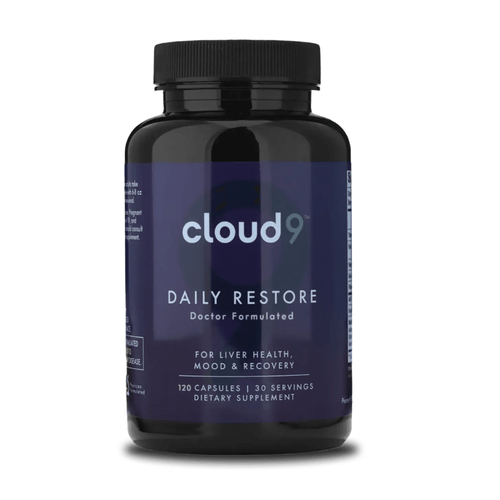
Cloud9 Daily Restore combines NAC, DHM, milk thistle, B vitamins, and ashwagandha to help support the pathways alcohol can tax most. Two capsules daily, drinking or not.
NAC | DHM | Milk Thistle | B Vitamins | Ashwagandha
See How Daily Restore WorksWhy Young Women Are Particularly Vulnerable to Nervous System Fatigue
Research suggests that young women face a unique combination of stressors that can overwhelm the nervous system. Social pressures, career advancement expectations, relationship management, and the mental load of planning and organizing often fall disproportionately on women in their 20s and 30s.
The Perfectionism Trap
Many young women grow up with messaging that they need to excel in every area: career, appearance, relationships, fitness, social life. This creates a constant internal pressure that keeps the nervous system activated. Even during supposed "rest" periods, your mind might be planning, evaluating, or worrying about the next task.
The body can't distinguish between a genuine physical threat and the anxiety of an overflowing inbox. Both trigger similar stress responses, and without intentional recovery time, the system stays chronically elevated.
Hormonal Connections
Your nervous system and hormonal system communicate constantly. Chronic stress can affect cortisol patterns, which in turn can influence reproductive hormones, thyroid function, and metabolic regulation. Young women may notice irregular periods, increased PMS symptoms, or difficulty managing weight when their nervous system rarely gets true downtime.
The relationship works both ways: hormonal fluctuations throughout your cycle can also affect how your nervous system responds to stress. This makes regular relaxation practices even more important for maintaining balance.
What Real Relaxation Actually Looks Like
True nervous system downtime isn't the same as scrolling through your phone or watching TV (though these activities have their place). Real relaxation actively shifts your body into a parasympathetic state where healing and restoration can occur.
The Difference Between Rest and Recovery
| Passive Rest | Active Recovery |
|---|---|
| Scrolling social media | Deep breathing exercises |
| Binge-watching TV | Gentle stretching or yoga |
| Lying in bed worrying | Body scan meditation |
| Multitasking during meals | Mindful eating without distractions |
| Working from bed | Intentional rest in a dedicated space |
Passive rest might feel easier in the moment, but it doesn't give your nervous system the clear signal to downshift. Active recovery practices specifically engage the parasympathetic response through breath work, gentle movement, or focused awareness.
Practices That Actually Shift Your Nervous System
Certain activities have been shown to reliably activate the parasympathetic nervous system. These aren't one-size-fits-all, so experiment to find what resonates with you.
- Diaphragmatic breathing: Deep belly breaths that extend your exhale longer than your inhale send direct signals to your vagus nerve
- Restorative yoga: Supported poses held for several minutes allow your muscles to release without effort
- Progressive muscle relaxation: Systematically tensing and releasing muscle groups helps you recognize and release held tension
- Time in nature: Research suggests that natural environments can lower cortisol levels and heart rate variability
- Gentle self-massage: Particularly around the neck, jaw, and temples where stress tension accumulates
- Humming or singing: Vibration in your throat stimulates the vagus nerve and promotes parasympathetic activation
Building a Sustainable Relaxation Practice
The most common mistake is thinking relaxation needs to be elaborate or time-consuming. Your nervous system benefits more from brief daily practices than occasional long sessions. Consistency matters more than duration when you're training your body to downshift more easily.
Start Small and Stack Habits
Begin with just five minutes of intentional relaxation daily. Attach this practice to something you already do: after your morning coffee, before lunch, or as part of your bedtime routine. This habit stacking approach makes it easier to maintain consistency.
As the practice becomes automatic, you can gradually extend the duration. Many young women find that once they experience the tangible benefits, they naturally want to prioritize more downtime.
Create Environmental Cues
Your environment significantly influences your nervous system's state. Setting up specific cues can help your body recognize it's time to shift into relaxation mode.
- Designate a specific spot in your home for relaxation practices
- Use the same blanket or cushion each time to create a sensory association
- Dim lights or use soft lighting during your downtime
- Keep your phone in another room or on airplane mode
- Use a particular scent (lavender, chamomile, or eucalyptus) that becomes linked with relaxation
- Set a gentle timer so you're not watching the clock
Your nervous system is constantly listening to the signals you send it. When you consistently carve out time for downtime, you're teaching your body that it's safe to relax, that rest is valued, and that you don't need to be in constant motion to be worthy.
Working With Your Cycle
If you menstruate, your relaxation needs may shift throughout your cycle. The follicular phase (days 1-14) might feel easier for more active recovery practices, while the luteal phase (days 15-28) often calls for gentler, more restorative approaches.
Pay attention to these patterns rather than fighting them. Your body's wisdom is asking for different types of support at different times, and honoring these rhythms can make your relaxation practice feel more intuitive and sustainable.
Recognizing the Signs You Need More Downtime
Your body sends clear signals when your nervous system needs more regular recovery time. Learning to recognize these early warning signs helps you address the imbalance before it becomes more serious.
Physical Indicators
- Difficulty falling asleep or staying asleep despite feeling exhausted
- Tension headaches or jaw clenching, especially at night
- Digestive issues like bloating, constipation, or irregular appetite
- Increased sensitivity to sounds, lights, or other sensory input
- Getting sick more frequently or taking longer to recover
- Feeling wired and tired at the same time
Mental and Emotional Signs
- Difficulty concentrating or making decisions
- Feeling irritable or snapping at people you care about
- Reduced capacity to handle normal stressors
- Anxiety that seems to have no specific cause
- Loss of enjoyment in activities that usually bring pleasure
- Feeling disconnected from your body or emotions
These symptoms aren't signs of weakness or failure. They're your nervous system's way of communicating that it needs support. The sooner you respond with intentional downtime, the more quickly you can restore balance.
How Daily Restore Supports Your Health
Understanding what your body needs is one thing. Getting consistent daily support is another. Daily Restore was designed to address the key pathways alcohol can stress most, in one simple daily formula.
NAC (N-Acetyl Cysteine)
Supports glutathione production and antioxidant defenses
DHM (Dihydromyricetin)
Supports alcohol metabolism
Milk Thistle (Silymarin)
Supports healthy liver function
B Vitamins
Help replenish nutrients involved in energy and metabolism
Ashwagandha
Supports stress resilience and healthy cortisol balance
Daily Restore is not a detox or a cure. It is a daily support formula designed for people who drink socially and want to give their body consistent, evidence-informed support.
Frequently Asked Questions
How much downtime does my nervous system actually need?
There's no one-size-fits-all answer, but research suggests that regular daily breaks of 10-20 minutes can help support nervous system balance. The key is consistency rather than duration: shorter, frequent periods of intentional rest may be more beneficial than occasional long breaks. Listen to your body and adjust based on your stress levels and lifestyle demands.
Can I relax my nervous system without meditation or yoga?
Absolutely. While meditation and yoga can be helpful tools, relaxation looks different for everyone. Simple activities like taking a slow walk, listening to music, gentle stretching, or even sitting quietly with a cup of tea can activate your parasympathetic nervous system. The goal is to find practices that feel sustainable and genuinely relaxing to you, not to force yourself into activities that create more stress.
Why do I feel guilty when I try to rest?
Many young women experience this "rest guilt," often stemming from cultural messages that equate busyness with worthiness. Studies show that women, in particular, may feel pressure to be constantly productive or available to others. Reframing rest as a necessary function for your health, not a luxury or laziness, can help shift this mindset over time.
How long does it take to see benefits from regular relaxation?
Some benefits, like reduced heart rate and muscle tension, can occur almost immediately during relaxation practices. However, the deeper nervous system benefits typically develop over weeks of consistent practice. Research suggests that 4-8 weeks of regular relaxation can lead to measurable changes in stress response patterns, though individual experiences vary.
Can supplements really support nervous system health?
Certain botanicals and nutrients have been shown to support the body's natural stress response and promote a sense of calm. Ingredients like ashwagandha, L-theanine, and magnesium have research backing their potential to help balance stress hormones and support relaxation. While supplements aren't a replacement for lifestyle practices, they can complement a holistic approach to nervous system care when chosen thoughtfully.
The Bottom Line
Your nervous system isn't designed to operate in constant high gear. For young women navigating careers, relationships, social pressures, and the relentless pace of modern life, regular downtime isn't optional, it's essential. When you prioritize rest and relaxation, you're not being indulgent. You're supporting your body's fundamental need for balance and recovery.
The most effective approach combines daily practices with consistent support. Simple habits like mindful breathing, setting boundaries around work and screen time, and creating evening wind-down routines can make a meaningful difference. When paired with targeted nutritional support, these practices become even more powerful.
That's where Cloud9's Daily Restore comes in. Formulated specifically for young women managing everyday stress, it combines research-backed botanicals like ashwagandha and L-theanine with magnesium to help support your body's natural relaxation response. It's designed to complement your wellness routine, not replace the important lifestyle practices that keep your nervous system balanced.
Remember, taking care of your nervous system is a practice, not a destination. Start small, stay consistent, and give yourself permission to rest. Your body has been asking for it all along.
Build Your Daily Support Routine
Build Your Daily Support Routine
If drinking is part of your lifestyle, your support routine should not be random. Daily Restore was designed to help social drinkers support liver health, antioxidant defenses, alcohol metabolism, nutrient replenishment, and daily recovery in one simple routine.
NAC
DHM
Milk Thistle
B Vitamins
Ashwagandha