

You're not ready to quit drinking entirely, but you're tired of the brain fog, disrupted sleep, and two-day hangovers that come with a typical night out. You want to enjoy social moments without paying such a steep price the next day.
Mindful drinking isn't about deprivation or following rigid rules. It's about making strategic choices that let you participate in the fun while reducing alcohol's impact on your body and mind. With a few simple hacks, you can significantly lower the negative effects without becoming the person nursing a single drink all night.
The right approach can help you wake up clearer, sleep better, and still enjoy the social lubrication that makes gatherings more comfortable. Here's how to make it work in real life.
Quick Take
- Lower ABV drinks and strategic dilution can reduce alcohol intake by 30-50% without changing your social rhythm
- Alternating alcoholic drinks with water or mocktails helps maintain hydration and slows consumption naturally
- Choosing clear spirits over dark liquors and avoiding sugary mixers can minimize next-day symptoms
- Timing your drinks and eating protein-rich foods beforehand can significantly impact how alcohol affects you
- Simple supplements and recovery strategies can support your body when you do choose to drink
Why Lower Impact Drinking Actually Works
The hangover you experience isn't just about alcohol itself. It's a combination of dehydration, acetaldehyde buildup (a toxic byproduct of alcohol metabolism), inflammation, blood sugar crashes, and disrupted sleep architecture. Research suggests that many of these effects are dose-dependent, meaning reducing your intake even moderately can lead to noticeably better outcomes.
Your liver can process roughly one standard drink per hour. When you exceed this rate, acetaldehyde accumulates faster than your body can break it down, leading to more severe symptoms. By spacing drinks and choosing lower alcohol options, you work with your body's natural processing speed rather than against it.
Studies show that congeners (compounds produced during fermentation) in darker spirits contribute significantly to hangover severity. This is why the type of alcohol you choose matters almost as much as the quantity. Making informed swaps can reduce your toxic load while maintaining the social experience.
Daily Support for Social Drinkers
Your liver works hard every day. Give it consistent support.
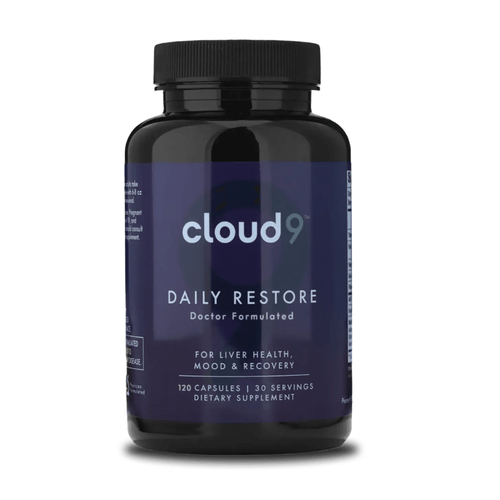
Cloud9 Daily Restore combines NAC, DHM, milk thistle, B vitamins, and ashwagandha to help support the pathways alcohol can tax most. Two capsules daily, drinking or not.
NAC | DHM | Milk Thistle | B Vitamins | Ashwagandha
See How Daily Restore WorksSmart Drink Swaps That Don't Feel Like Compromise
Lower ABV Options That Still Deliver
The easiest hack is choosing drinks with lower alcohol by volume. A standard cocktail contains 1.5 ounces of 40% ABV spirit, but you have options that cut this significantly without tasting "weak."
- Wine spritzers: Mix wine with sparkling water (50/50 ratio) to cut alcohol content in half while staying refreshed
- Session IPAs: Typically 4-5% ABV compared to regular craft beers at 6-8%, with full flavor profiles
- Aperol Spritz: Uses lower-proof aperitif (11% ABV) and comes pre-diluted with prosecco and soda
- Hard seltzers: Usually 4-5% ABV compared to 12-14% for wine
- Sake: Around 15% ABV and traditionally served in smaller portions than wine
The Dilution Strategy
You don't need to order different drinks to reduce impact. Simple modifications to standard orders can cut alcohol content by 30-40% without anyone noticing.
Ask for cocktails "tall" or "on the rocks" to increase dilution. Request extra ice, add more mixer, or ask the bartender to go light on the spirit. Most bartenders appreciate customers who know what they want and will accommodate without judgment.

The Alternating Method: Easier Than It Sounds
Making Non-Alcoholic Drinks Feel Special
The key to successful alternating is making your non-alcoholic drinks interesting enough that you don't feel deprived. Plain water between drinks works, but having something more engaging makes the strategy sustainable.
- Premium mocktails: Many bars now offer sophisticated zero-proof options with bitters, herbs, and house-made syrups
- Kombucha: Provides a slight fermented complexity that mimics the adult beverage experience
- Sparkling water with bitters: A few dashes of Angostura in soda water creates a drink that looks and tastes intentional
- Non-alcoholic spirits: Brands like Seedlip or Ritual can be mixed like regular spirits
- Fresh juice with herbs: Muddled mint, basil, or rosemary elevates simple juices into something bar-worthy
The Social Psychology of Alternating
One reason alternating fails is the perceived social awkwardness. You can maintain your drinking pace with the group while consuming half the alcohol by matching round-for-round with alternating choices.
Keep a drink in your hand at all times. This simple trick reduces offers from well-meaning friends and eliminates the "why aren't you drinking?" questions. No one tracks what's actually in your glass if you're holding one and participating normally.
Timing and Food: The Underrated Impact Reducers
When You Drink Matters
Front-loading your evening with alcohol leads to higher peak blood alcohol levels and more severe next-day effects. Research suggests that spacing consumption throughout an event, rather than drinking quickly early on, significantly reduces overall impact.
| Timing Strategy | Impact on Body | Best For |
|---|---|---|
| Starting with food and water | Slows absorption, protects stomach lining | Dinner parties, long evenings |
| One drink per hour max | Matches liver processing speed | Extended social events |
| Stopping 2-3 hours before bed | Improves sleep quality significantly | Nights when sleep matters |
| Drinking earlier in evening | Allows more metabolism time before sleep | Early dinner plans, brunches |
What to Eat Before and During
Food doesn't prevent intoxication, but it dramatically affects how alcohol impacts you. Eating before drinking can slow alcohol absorption by up to 50%, giving your liver more time to process it efficiently.
- Protein and healthy fats: Eggs, avocado, nuts, or salmon slow gastric emptying most effectively
- Complex carbohydrates: Whole grains provide sustained energy and help stabilize blood sugar
- Foods rich in B vitamins: Leafy greens, legumes, and whole grains support alcohol metabolism
- Avoid: Drinking on an empty stomach or eating only simple carbs like white bread or chips
The difference between mindful drinking and restriction is intention. You're not following rules imposed from outside. You're making informed choices based on how you want to feel tomorrow, while still enjoying tonight.
Drink Selection: What to Choose and What to Avoid
The Clear vs. Dark Spirit Rule
This isn't just bar wisdom. Studies show that darker spirits like whiskey, brandy, and dark rum contain significantly more congeners than clear spirits like vodka and gin. These compounds contribute to worse hangovers independent of alcohol content.
If you prefer brown spirits, you don't need to abandon them entirely. Simply alternate them with clear spirit drinks, or save them for occasions when next-day performance isn't critical. Choose high-quality versions, as better distillation processes can reduce congener content.
The Sugar Problem
Sugary mixers create a double impact: they cause blood sugar spikes and crashes while masking alcohol's taste, leading to faster consumption. The combination of alcohol and high sugar also appears to worsen dehydration and inflammation.
- Skip: Pre-made margarita mix, sweet and sour mix, regular soda, energy drinks, sugary liqueurs
- Choose instead: Fresh citrus juice, soda water, tonic water, muddled fruit, herbs for sweetness
- Smart compromise: If you love sweet drinks, use half the normal mixer and dilute with soda water
Wine and Beer Considerations
Not all wines and beers are created equal when it comes to impact. Beyond ABV, other factors influence how you'll feel.
For wine, organic options may reduce exposure to sulfites, which some people find trigger headaches. Drier wines contain less residual sugar than sweet varieties. For beer, lighter styles (pilsners, lagers) typically have fewer congeners than dark, heavy stouts or porters.
Support Strategies: Before, During, and After
Hydration Beyond Water
You've heard "drink water between alcoholic drinks," but optimizing hydration goes further. Alcohol is a diuretic, causing you to lose not just water but essential electrolytes.
- Before drinking: Consume 16-20 ounces of water with electrolytes
- During: Match each alcoholic drink with 8-12 ounces of water or electrolyte beverage
- After: Drink 16-24 ounces of water before bed, keep water by bedside
- Next morning: Prioritize electrolyte-rich fluids like coconut water or electrolyte mixes
Supplement Support
While no supplement prevents alcohol's effects entirely, certain nutrients can support your body's processing mechanisms. Research suggests that replenishing depleted vitamins and minerals may reduce symptom severity.
Consider taking B-complex vitamins before drinking, as alcohol depletes these nutrients needed for metabolism. N-acetylcysteine (NAC) may support glutathione production, which helps break down acetaldehyde. Milk thistle has traditionally been used for liver support, though evidence is mixed.
The Morning After Protocol
How you handle the next morning can significantly impact recovery speed. Focus on rehydration, gentle nutrition, and supporting your body's natural detoxification processes.
- Rehydrate first: Start with electrolyte water before coffee
- Eat protein and complex carbs: Eggs with whole grain toast provide sustained energy
- Light movement: Gentle walking can improve circulation and mood without overtaxing your system
- Avoid: Hair of the dog (delays metabolism), greasy fast food (stresses digestion), intense workouts
How Daily Restore Supports Your Health
Understanding what your body needs is one thing. Getting consistent daily support is another. Daily Restore was designed to address the key pathways alcohol can stress most, in one simple daily formula.
NAC (N-Acetyl Cysteine)
Supports glutathione production and antioxidant defenses
DHM (Dihydromyricetin)
Supports alcohol metabolism
Milk Thistle (Silymarin)
Supports healthy liver function
B Vitamins
Help replenish nutrients involved in energy and metabolism
Ashwagandha
Supports stress resilience and healthy cortisol balance
Daily Restore is not a detox or a cure. It is a daily support formula designed for people who drink socially and want to give their body consistent, evidence-informed support.
Frequently Asked Questions
What drinks cause the worst hangovers?
Darker spirits like whiskey, bourbon, and red wine tend to contain higher levels of congeners, which are byproducts of fermentation that can contribute to more intense hangover symptoms. Sweet cocktails with sugary mixers can also amplify dehydration and blood sugar crashes. That said, any alcohol consumed in excess or without proper hydration can lead to rough mornings.
Does drinking water between alcoholic drinks really help?
Yes, alternating alcoholic beverages with water is one of the most effective ways to reduce the impact of drinking. Alcohol is a diuretic, which means it increases fluid loss, and staying hydrated can help minimize dehydration-related symptoms like headaches and fatigue. Aim for one glass of water per drink to help your body process alcohol more efficiently.
Are low-alcohol or "light" drinks actually better for you?
Lower-alcohol beverages can be a smart choice if you're looking to reduce overall alcohol intake while still enjoying social occasions. They typically contain fewer calories and put less stress on your liver and digestive system. However, it's important to pay attention to what else is in the drink, as some light options may include added sugars or artificial ingredients that can impact how you feel.
Can supplements really help support my body when I drink?
Certain nutrients can help support your body's natural detoxification processes and replenish what alcohol depletes. Research suggests that ingredients like NAC, milk thistle, and B vitamins may support liver function and help reduce oxidative stress. While supplements aren't a magic fix, they can be a helpful part of a mindful drinking routine when combined with hydration, food, and moderation.
How long does it take for alcohol to leave your system?
On average, your liver processes about one standard drink per hour, though this varies based on factors like body weight, metabolism, and whether you've eaten. Even after you stop feeling intoxicated, your body is still working to metabolize alcohol and repair itself. Supporting your system with hydration, rest, and nutrient-rich foods can help optimize recovery time.
The Bottom Line
Mindful drinking doesn't mean giving up the fun or the social rituals you enjoy. It's about making smarter choices that align with how you want to feel, both in the moment and the next day. By choosing clearer spirits, staying hydrated, eating before you drink, and being intentional about what and how much you consume, you can significantly reduce the negative impacts of alcohol without missing out.
The key is consistency and preparation. When you treat your body well before, during, and after drinking, you're setting yourself up for better outcomes. Small adjustments like alternating drinks with water, choosing quality over quantity, and fueling up with nutrient-dense foods can make a real difference in how you feel.
That's where Cloud9's Daily Restore comes in. Formulated with ingredients like NAC, milk thistle, and essential B vitamins, it's designed to support your liver and help your body handle the demands of modern life, including the occasional night out. Taking Daily Restore as part of your everyday routine can help you maintain consistent support, so you're not scrambling for recovery options after the fact.
Remember, the best approach to drinking is the one that fits your lifestyle and health goals. Whether you're cutting back, being more selective, or just looking for ways to feel better overall, these mindful drinking hacks can help you enjoy social moments while respecting your body's limits. Your future self will thank you.
Build Your Daily Support Routine
Build Your Daily Support Routine
If drinking is part of your lifestyle, your support routine should not be random. Daily Restore was designed to help social drinkers support liver health, antioxidant defenses, alcohol metabolism, nutrient replenishment, and daily recovery in one simple routine.
NAC
DHM
Milk Thistle
B Vitamins
Ashwagandha