

If you've ever noticed that anxiety, low mood, or brain fog seems worse the day (or days) after drinking, you're not imagining it. Alcohol disrupts the delicate balance of neurotransmitters, depletes essential nutrients, and can leave your mental health feeling significantly worse than before that first sip.
This isn't about guilt or shame. It's about understanding what's happening in your brain and body, and giving yourself the nutritional support to recover more effectively. The right supplements can help bridge the gap between alcohol's impact and your body's natural healing process.
Whether you're cutting back, taking breaks, or simply want to feel better after social drinking, supporting your mental health with targeted nutrition matters. Here's what actually works.
Quick Take
- Alcohol depletes key mood-regulating nutrients including B vitamins, magnesium, and amino acids essential for neurotransmitter production
- Post-drinking anxiety and depression often stem from GABA rebound and serotonin depletion, which targeted supplements can help address
- L-theanine, NAC, and omega-3s have research-backed benefits for mood stability and neurological recovery
- B-complex vitamins support both immediate hangover symptoms and longer-term mental health resilience
- Consistent supplementation works better than reactive dosing, especially for those who drink regularly
Why Alcohol Hits Your Mental Health So Hard
Alcohol is a central nervous system depressant that fundamentally alters brain chemistry. While it may initially boost mood by increasing GABA (your brain's calming neurotransmitter) and dopamine, your brain quickly compensates by downregulating these feel-good chemicals and ramping up excitatory signals.
When the alcohol wears off, you're left with a neurochemical imbalance: depleted GABA, reduced serotonin, elevated glutamate, and an overactive stress response. Research suggests this is why many people experience heightened anxiety, irritability, or depressive symptoms in the days following drinking, a phenomenon sometimes called "hangxiety."
Beyond neurotransmitters, alcohol also triggers inflammation, oxidative stress, and nutrient depletion that directly impact mental health. Your liver works overtime to process alcohol, using up critical resources your brain needs for emotional regulation and cognitive function.
Daily Support for Social Drinkers
Your liver works hard every day. Give it consistent support.
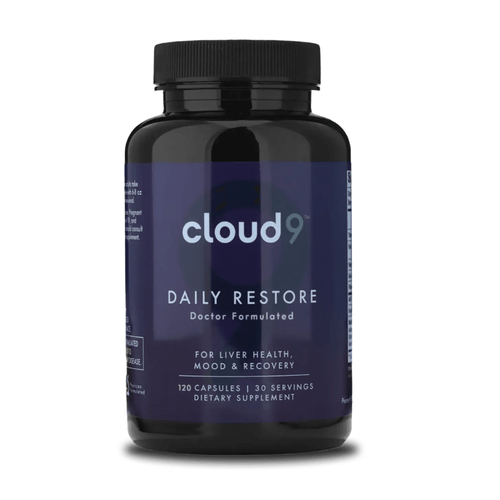
Cloud9 Daily Restore combines NAC, DHM, milk thistle, B vitamins, and ashwagandha to help support the pathways alcohol can tax most. Two capsules daily, drinking or not.
NAC | DHM | Milk Thistle | B Vitamins | Ashwagandha
See How Daily Restore WorksThe Essential Nutrients Alcohol Depletes
Understanding what alcohol takes from your body is the first step toward effective recovery. These depletions aren't just physical; they have direct consequences for your mood, energy, and mental clarity.
B Vitamins: Your Mood's Foundation
Alcohol significantly depletes B vitamins, particularly B1 (thiamine), B6, B9 (folate), and B12. These vitamins are essential cofactors in producing serotonin, dopamine, and other neurotransmitters that regulate mood. Without adequate B vitamins, your brain simply can't manufacture the chemicals needed for emotional stability.
Studies show that regular drinkers often have notably lower B vitamin levels, which correlates with increased rates of depression and anxiety. A quality B-complex supplement can help restore these levels and support better mental health outcomes after drinking.
Magnesium: The Calming Mineral
Magnesium acts as nature's relaxant, regulating the nervous system and supporting healthy stress responses. Alcohol increases magnesium excretion through urine while also interfering with absorption. The result is lower magnesium levels precisely when your stressed, overstimulated nervous system needs it most.
Low magnesium is associated with increased anxiety, poor sleep quality, and irritability. Supplementing with magnesium glycinate or magnesium threonate (forms that cross the blood-brain barrier effectively) may help calm post-drinking anxiety and support better recovery sleep.
Amino Acids: Building Blocks of Neurotransmitters
Your body needs specific amino acids to create neurotransmitters. Alcohol disrupts protein metabolism and can deplete these crucial building blocks. L-tryptophan converts to serotonin, L-tyrosine becomes dopamine, and L-glutamine supports GABA production.
When these amino acids are in short supply, your brain struggles to maintain balanced mood chemistry. Targeted amino acid supplementation can provide the raw materials your brain needs to rebuild its neurochemical foundation.
The Most Effective Supplements for Mood Recovery
Not all supplements are created equal when it comes to mental health support after drinking. These specific nutrients have research backing their benefits for neurological recovery and mood stabilization.
N-Acetylcysteine (NAC): The Glutathione Booster
NAC is a precursor to glutathione, your body's master antioxidant. Alcohol metabolism generates significant oxidative stress and depletes glutathione stores, leaving your brain vulnerable to inflammation and cellular damage. Research suggests NAC supplementation can reduce this oxidative burden and may support better mood outcomes.
Beyond its antioxidant properties, NAC appears to modulate glutamate, the excitatory neurotransmitter that becomes overactive during alcohol withdrawal. Studies show NAC may help reduce cravings and support more stable mood in people working to moderate their drinking.
- Typical dose: 600-1,800 mg daily
- Best taken on an empty stomach for optimal absorption
- May take several weeks of consistent use to see full benefits
- Generally well-tolerated with minimal side effects
L-Theanine: Calm Focus Without Sedation
Found naturally in green tea, L-theanine promotes relaxation without drowsiness by increasing GABA, serotonin, and dopamine levels. For post-drinking anxiety, L-theanine can provide gentle nervous system support without the heavy sedation of some anti-anxiety options.
Research suggests L-theanine may help reduce stress responses and improve sleep quality, both of which are typically disrupted after drinking. It's particularly useful for managing the jittery, on-edge feeling many people experience during hangover recovery.
Omega-3 Fatty Acids: Brain Health Building Blocks
Your brain is nearly 60% fat, and omega-3s (particularly EPA and DHA) are critical structural components of neuronal membranes. Alcohol-induced inflammation can damage these delicate structures, while omega-3 supplementation may help protect and repair them.
Studies show omega-3s have mood-stabilizing properties and may be particularly beneficial for alcohol-related depression. For mental health support, look for supplements providing at least 1,000 mg combined EPA/DHA daily, with a higher EPA ratio often recommended for mood concerns.
The relationship between alcohol and mental health isn't one-directional. While drinking can worsen mood, poor mental health can also increase drinking. Breaking this cycle often requires addressing both the psychological patterns and the physiological nutrient deficits that keep you stuck.
Zinc and Vitamin D: The Overlooked Essentials
Both zinc and vitamin D are frequently deficient in regular drinkers, and both play significant roles in mental health. Zinc is essential for neurotransmitter function and helps regulate the stress response. Vitamin D deficiency is strongly associated with depression and seasonal mood changes.
Alcohol interferes with zinc absorption and increases excretion, while also impacting vitamin D metabolism. Testing levels and supplementing appropriately can provide meaningful mood support, particularly during recovery periods.
Building Your Post-Drinking Recovery Protocol
The most effective approach combines both immediate recovery support and longer-term nutritional foundation building. Here's how to structure your supplement strategy based on your drinking patterns and mental health goals.
For Occasional Drinkers: Acute Recovery Support
If you drink infrequently but want to minimize the mental health impact when you do, focus on acute support taken immediately after drinking and the following day. This approach emphasizes replenishing what alcohol depletes most rapidly.
| Timing | Supplement | Purpose |
|---|---|---|
| Before bed after drinking | B-complex, magnesium, NAC | Supports detoxification and replenishes key nutrients |
| Morning after | B-complex, vitamin C, L-theanine | Reduces oxidative stress and calms anxiety |
| Days 2-3 post-drinking | Omega-3s, magnesium, adaptogens | Supports extended mood recovery and stress resilience |
For Regular Drinkers: Building Baseline Resilience
If you drink multiple times per week, reactive supplementation isn't enough. Your body needs consistent nutritional support to maintain mental health resilience despite ongoing alcohol exposure. This means daily supplementation focused on preventing deficiency rather than just treating acute symptoms.
A comprehensive daily protocol might include a high-quality B-complex, magnesium (400-600 mg), omega-3s (2,000+ mg EPA/DHA), NAC (1,200 mg), and vitamin D (2,000-4,000 IU). These create a foundation that helps buffer against alcohol's neurological impact over time.
- Take supplements with food to improve absorption and reduce stomach upset
- Consider splitting doses (morning and evening) for better utilization
- Allow 4-6 weeks to assess effectiveness before adjusting protocols
- Work with a healthcare provider if you're taking medications or have health conditions
Timing Matters: When to Take What
Strategic timing can enhance supplement effectiveness. B vitamins are best taken in the morning as they can be energizing. Magnesium is ideal before bed for its calming, sleep-supporting properties. NAC works well on an empty stomach but can be taken with food if it causes nausea.
L-theanine can be used as needed for acute anxiety or taken regularly for baseline calm. Omega-3s are fat-soluble and best absorbed with meals containing other fats. Creating a consistent routine helps ensure you actually take your supplements rather than letting them gather dust.
What Supplements Can't Fix
While targeted supplementation can significantly support mental health recovery after drinking, it's important to be realistic about limitations. Supplements work best as part of a broader approach to wellness, not as a standalone solution.
The Role of Sleep, Stress, and Lifestyle
No supplement can fully compensate for chronic sleep deprivation, unmanaged stress, or poor nutrition. Alcohol disrupts sleep architecture even when it helps you fall asleep initially, and this sleep debt compounds mental health challenges. Research suggests that addressing sleep quality is often as important as any supplement for mood recovery.
Similarly, if you're drinking to cope with unaddressed anxiety, depression, or trauma, supplements alone won't resolve the underlying issues. They can support your nervous system and provide better neurological resilience, but therapeutic interventions may be necessary for lasting change.
When Professional Support Is Needed
If you're experiencing persistent depression, severe anxiety, thoughts of self-harm, or finding it difficult to control your drinking despite negative consequences, professional mental health and addiction support should be your priority. Supplements can be a helpful adjunct to therapy and medical treatment, but they're not a replacement.
Signs that indicate you need more than supplements include mood symptoms that don't improve with reduced drinking, increasing alcohol tolerance, withdrawal symptoms when you stop, or drinking that interferes with work, relationships, or health. These situations benefit from comprehensive care.
How Daily Restore Supports Your Health
Understanding what your body needs is one thing. Getting consistent daily support is another. Daily Restore was designed to address the key pathways alcohol can stress most, in one simple daily formula.
NAC (N-Acetyl Cysteine)
Supports glutathione production and antioxidant defenses
DHM (Dihydromyricetin)
Supports alcohol metabolism
Milk Thistle (Silymarin)
Supports healthy liver function
B Vitamins
Help replenish nutrients involved in energy and metabolism
Ashwagandha
Supports stress resilience and healthy cortisol balance
Daily Restore is not a detox or a cure. It is a daily support formula designed for people who drink socially and want to give their body consistent, evidence-informed support.
Frequently Asked Questions
How long does it take for supplements to support mood recovery after drinking?
Most people notice initial improvements within a few days to two weeks of consistent use, though significant mood stabilization often takes four to six weeks. This timeline aligns with how long it typically takes to replenish depleted nutrients and support neurotransmitter balance. Consistency matters more than any single dose.
Can I take these supplements if I'm still drinking occasionally?
Yes, targeted supplements can help support your body's nutritional needs even if you haven't completely stopped drinking. However, you'll likely see more pronounced benefits if you reduce your alcohol intake, as ongoing drinking continues to deplete the very nutrients you're trying to restore. Think of supplements as support for the journey, not a shield against continued depletion.
Should I take supplements on an empty stomach or with food?
Most mood-supporting supplements are better absorbed with food, particularly those containing fat-soluble vitamins or omega-3 fatty acids. Taking supplements with a meal can also reduce the chance of stomach upset, which some people experience with B vitamins or magnesium. Morning with breakfast is often ideal for consistency.
Are there any supplements I should avoid combining?
While most mood-supporting nutrients work well together, it's wise to space out high doses of certain minerals like zinc and copper, which can compete for absorption. If you're taking prescription medications, particularly antidepressants or anti-anxiety medications, talk with your healthcare provider before adding supplements like SAMe or St. John's Wort, which may interact with these drugs.
What if I don't notice any difference after taking supplements?
Mood changes can be subtle and gradual, so you might not notice day-to-day improvements even though they're happening. Consider keeping a simple mood journal or tracking sleep quality and energy levels to spot patterns over time. If you've been consistent for eight weeks without any noticeable benefit, you may need to adjust dosages, try different forms of nutrients, or explore whether other factors like sleep or stress need attention.
The Bottom Line
Regular alcohol consumption creates a cascade of nutritional deficiencies that directly impact your mental health, from depleted B vitamins affecting neurotransmitter production to magnesium loss undermining stress resilience. The good news is that targeted supplementation can help support your body's natural recovery processes, providing the raw materials your brain needs to stabilize mood, improve sleep, and restore emotional balance.
The most effective approach combines key nutrients like B-complex vitamins, magnesium, omega-3 fatty acids, and amino acids that work together to address the multiple pathways alcohol affects. Rather than taking a dozen separate bottles, a comprehensive daily formula designed specifically for recovery can simplify your routine while ensuring you get complementary nutrients in balanced amounts.
Cloud9's Daily Restore brings together these evidence-backed ingredients in one convenient daily pack, formulated to support both physical recovery and mental wellness. With therapeutic doses of mood-supporting vitamins, minerals, and botanicals, it's designed to help fill the nutritional gaps that alcohol creates while supporting your brain's natural ability to heal and rebalance.
Remember that supplements work best as part of a broader wellness approach that includes adequate sleep, stress management, regular movement, and professional support when needed. Your mental health recovery is a journey, and giving your body the nutritional foundation it needs is a powerful step toward feeling more like yourself again.
Build Your Daily Support Routine
Build Your Daily Support Routine
If drinking is part of your lifestyle, your support routine should not be random. Daily Restore was designed to help social drinkers support liver health, antioxidant defenses, alcohol metabolism, nutrient replenishment, and daily recovery in one simple routine.
NAC
DHM
Milk Thistle
B Vitamins
Ashwagandha