

That third glass of wine isn't solving your work problems. You know this. Yet every evening, when the laptop finally closes and your shoulders are wound tight with tension, the ritual feels automatic: pour a drink, try to unwind, repeat.
This article is for anyone who's noticed their stress management toolkit has shrunk down to one option. Work pressure is real, and the desire to decompress is valid. But when alcohol becomes your primary coping mechanism, you're trading short-term relief for long-term problems that can affect your mental health, sleep quality, and overall wellbeing.
Let's explore why the drink-to-unwind habit doesn't actually work, and what you can do instead to manage work stress in ways that genuinely support your mental health.
Quick Take
- Alcohol disrupts your body's natural stress response system and can worsen anxiety within hours of drinking
- The drink-to-unwind habit often becomes a barrier to developing genuine stress management skills
- Effective alternatives include physical movement, structured wind-down routines, and boundary-setting at work
- Breaking the cycle requires replacing the ritual, not just removing the drink
- Small changes to your evening routine can significantly reduce both stress levels and alcohol dependence
Why Alcohol Doesn't Actually Relieve Work Stress
Alcohol might feel like it's melting away tension, but research suggests it's actually interfering with your brain's ability to process stress effectively. While that initial drink may trigger a temporary sense of relaxation, alcohol depresses your central nervous system and disrupts the delicate balance of neurotransmitters that regulate mood and anxiety.
Studies show that regular drinking can actually increase baseline anxiety levels over time. Your body adapts to alcohol's depressant effects, which means you need more to achieve the same relaxation, and your natural stress response becomes less effective. This creates a cycle where work stress feels more intense, which drives more drinking, which worsens your stress resilience.
The timing matters too. Alcohol metabolism produces chemicals that can trigger anxiety and restlessness, often hitting hardest the morning after drinking. That "Sunday scaries" feeling before a work week isn't just psychological, it's partly your body recovering from alcohol's neurological impact.
Daily Support for Social Drinkers
Your liver works hard every day. Give it consistent support.
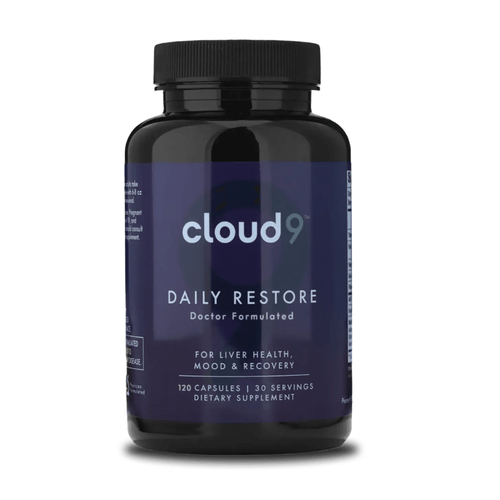
Cloud9 Daily Restore combines NAC, DHM, milk thistle, B vitamins, and ashwagandha to help support the pathways alcohol can tax most. Two capsules daily, drinking or not.
NAC | DHM | Milk Thistle | B Vitamins | Ashwagandha
See How Daily Restore WorksThe Real Cost of Using Alcohol as Your Stress Management Tool
What You're Actually Trading Away
When alcohol becomes your go-to stress relief, you're not just dealing with hangovers and sluggish mornings. The trade-offs run deeper and affect multiple areas of your mental and physical health.
The Pattern Recognition Problem
Here's what makes the alcohol-stress connection particularly tricky: your brain creates strong associations between the end of the workday and drinking. This isn't just habit, it's neurological patterning. The ritual of pouring that drink becomes tied to the feeling of "permission to relax."
This pattern can make work stress feel unbearable without alcohol, even when the actual stressors haven't changed. You're not just dealing with work pressure, you're dealing with conditioned expectations about how relief should feel.
Building a Stress Management Toolkit That Actually Works
Physical Release Strategies
Your body accumulates stress physically throughout the workday. Research suggests that movement-based stress relief can be more effective than alcohol at reducing tension and improving mood, with none of the negative side effects.
- High-intensity interval exercise: Even 15 minutes can significantly reduce cortisol levels and improve stress resilience
- Yoga or stretching sequences: Directly addresses the physical tension that accumulates in your neck, shoulders, and back during work hours
- Walking outdoors: Combines movement with nature exposure, which studies show can lower stress hormones more effectively than indoor exercise
- Progressive muscle relaxation: Teaches your body to recognize and release tension without needing a substance to force relaxation
The key is finding something that feels like a genuine release, not another chore. If you hate running, don't run. If you love dancing in your kitchen, that counts.

Cognitive and Emotional Processing Techniques
Work stress often stems from rumination: replaying difficult conversations, worrying about tomorrow's deadline, or catastrophizing about your performance. Alcohol doesn't stop this mental loop, it just numbs your awareness of it temporarily.
The goal isn't to eliminate work stress, it's to process it in ways that don't leave you feeling worse the next day. Real stress management builds your capacity to handle challenges, rather than simply masking your response to them.
Try these approaches for processing work stress without drinking:
- Brain dump journaling: Spend 10 minutes writing everything that's stressing you out, no filter or organization required
- Timed worry sessions: Give yourself 15 minutes to fully worry about work, then consciously shift your attention elsewhere
- Perspective shifting questions: Ask yourself "Will this matter in a year?" or "What would I tell a friend in this situation?"
- Gratitude or wins list: Identify three things that went right today, no matter how small
Creating Effective Transition Rituals
One reason the after-work drink feels so essential is that it serves as a clear boundary between work mode and personal time. You need that transition ritual, you just need one that supports your wellbeing rather than undermining it.
Effective transition rituals share certain characteristics: they're sensory, they're consistent, and they create a felt sense of shifting gears. Here's how to build your own:
- Physical boundary: Change clothes immediately after work, even if you work from home
- Sensory shift: Light a candle, make a specific tea, or play a particular playlist that signals "work is over"
- Space change: Take a short walk around the block, even just five minutes, to create physical separation
- Technology boundary: Put work devices in a specific location and don't check them until morning
- Replacement beverage ritual: Prepare an elaborate mocktail, specialty coffee drink, or sparkling water with intention and care
Addressing the Root Causes: When Work Stress Is the Real Problem
Recognizing Unsustainable Work Situations
Sometimes the issue isn't your stress management skills, it's that your work situation is genuinely unsustainable. If you're consistently needing alcohol to cope with work stress, that's a signal worth examining closely.
Consider whether your work environment includes persistent issues like unrealistic deadlines, toxic management, inadequate resources for your responsibilities, or a culture that glorifies overwork. No amount of healthy coping strategies can compensate for a fundamentally dysfunctional workplace.
Practical Workplace Boundaries
Setting boundaries at work isn't about being difficult, it's about protecting your capacity to do good work sustainably. Research on workplace wellbeing consistently shows that employees with clear boundaries report lower stress levels and higher job satisfaction.
- Time boundaries: Establish and communicate specific work hours, then protect them consistently
- Communication boundaries: Turn off notifications after hours, use auto-responders that set expectations for response times
- Task boundaries: Practice saying "I can do X or Y by that deadline, but not both without compromising quality"
- Energy boundaries: Schedule demanding tasks during your peak performance hours, protect recovery time
- Emotional boundaries: Distinguish between problems you can solve and situations you can only manage
When to Seek Additional Support
If work stress is driving problematic drinking patterns, professional support can make a significant difference. This isn't about having failed at self-management, it's about recognizing when you need additional tools and expertise.
Consider reaching out to a therapist or counselor if you notice patterns like drinking increasing despite intentions to cut back, feeling unable to relax without alcohol, experiencing anxiety or mood changes related to drinking, or finding that work stress feels unmanageable without substances. Many workplaces offer Employee Assistance Programs that provide confidential counseling services.
Building Your Personalized Stress Management Plan
Start With Small, Sustainable Changes
Don't try to overhaul your entire stress management approach overnight. Research on behavior change suggests that small, consistent actions are more effective than dramatic transformations that feel overwhelming to maintain.
Choose one strategy from each category below to implement this week:
Tracking What Works for You
Pay attention to which strategies actually reduce your urge to drink and which ones feel like they're just checking boxes. Your stress management toolkit should feel genuinely helpful, not like another source of pressure.
Keep a simple log for two weeks noting what you tried, how stressed you felt before and after, and whether you drank that evening. Patterns will emerge that help you identify your most effective strategies. Some people find physical release most helpful, others need cognitive processing, and many benefit from a combination approach.
How Daily Restore Supports Your Health
Understanding what your body needs is one thing. Getting consistent daily support is another. Daily Restore was designed to address the key pathways alcohol can stress most, in one simple daily formula.
NAC (N-Acetyl Cysteine)
Supports glutathione production and antioxidant defenses
DHM (Dihydromyricetin)
Supports alcohol metabolism
Milk Thistle (Silymarin)
Supports healthy liver function
B Vitamins
Help replenish nutrients involved in energy and metabolism
Ashwagandha
Supports stress resilience and healthy cortisol balance
Daily Restore is not a detox or a cure. It is a daily support formula designed for people who drink socially and want to give their body consistent, evidence-informed support.
Frequently Asked Questions
How long does it take to break the habit of drinking after work?
Research suggests it takes anywhere from 21 to 66 days to form a new habit, depending on the complexity and your consistency. The key is replacing the drinking ritual with a healthier alternative rather than simply eliminating it, which can help your brain adapt more quickly to the new pattern.
Can supplements really help reduce my urge to drink?
Targeted supplements containing ingredients like DHM, milk thistle, and B vitamins may help support your body's natural recovery processes and reduce physical cravings. While supplements aren't a complete solution on their own, they can be an effective part of a broader strategy that includes lifestyle changes and stress management techniques.
What if my entire work culture revolves around after-work drinks?
You don't have to avoid social situations entirely, but you can reframe your participation by ordering non-alcoholic drinks, suggesting alternative activities like coffee or lunch meetings, or limiting your time at drinking events. Many people find that their colleagues respect their choices more than expected, and some may even feel relieved to have a non-drinking option themselves.
How do I know if my drinking has become a serious problem?
Warning signs include feeling unable to unwind without alcohol, drinking more than intended on a regular basis, experiencing anxiety or irritability when you can't drink, or having your work performance or relationships affected by alcohol use. If you're concerned about your drinking patterns, speaking with a healthcare provider or mental health professional can help you assess your situation and explore appropriate support options.
What's the best way to handle stress in the moment when I'm craving a drink?
Try the "HALT" method: ask yourself if you're Hungry, Angry, Lonely, or Tired, as these states often trigger cravings. Address the underlying need first with a healthy snack, a brief walk, a call to a friend, or a short rest. Combining this awareness with a physical reset like deep breathing or cold water on your face can help interrupt the craving cycle.
The Bottom Line
Managing work stress without alcohol isn't about willpower alone. It's about building sustainable habits, understanding your triggers, and giving your body the support it needs to handle pressure in healthier ways.
The strategies we've covered, from establishing clear boundaries to practicing mindfulness and creating new evening rituals, can help you break the cycle of stress drinking. The key is consistency rather than perfection. Small, regular changes add up over time to create lasting transformation in how you relate to both stress and alcohol.
Cloud9 Daily Restore can be a valuable part of your daily routine, offering targeted support with DHM, milk thistle, and essential vitamins that may help your body manage the effects of occasional drinking while supporting your overall wellness goals. Think of it as a consistent foundation that works alongside your other healthy habits.
Remember, changing your relationship with alcohol is a journey, not a destination. Be patient with yourself, celebrate small wins, and don't hesitate to seek professional support if you need it. Your mental health and long-term wellbeing are worth the investment.
Build Your Daily Support Routine
Build Your Daily Support Routine
If drinking is part of your lifestyle, your support routine should not be random. Daily Restore was designed to help social drinkers support liver health, antioxidant defenses, alcohol metabolism, nutrient replenishment, and daily recovery in one simple routine.
NAC
DHM
Milk Thistle
B Vitamins
Ashwagandha