

You know the difference between a glass of wine that helps you unwind and one that signals you're avoiding something harder to face. That moment when a drink shifts from social ritual to emotional crutch often happens so gradually you barely notice the change.
For many people who drink moderately, the challenge isn't quantity but motivation. Understanding why you reach for alcohol and how it affects your mental health can make the difference between drinking with intention and drinking to escape.
Building emotional boundaries around drinking means creating clear internal rules about when, why, and how you consume alcohol. It's about protecting your mental health while making conscious choices that align with your values.
Quick Take
- Emotional boundaries help you distinguish between drinking for pleasure and drinking to avoid uncomfortable feelings
- Research shows alcohol disrupts neurotransmitters that regulate mood, creating cycles of temporary relief followed by increased anxiety
- Setting clear internal rules about your "why" for drinking can reduce harmful patterns and protect mental health
- Identifying emotional triggers helps you develop healthier coping strategies alongside or instead of drinking
- Building boundaries doesn't require complete abstinence but does demand honest self-assessment and intentionality
The Mental Health-Alcohol Connection You Need to Understand
Alcohol affects your brain chemistry in ways that directly impact your emotional well-being. When you drink, alcohol suppresses activity in your prefrontal cortex while increasing dopamine and GABA production, creating that familiar sense of relaxation and lowered inhibition. Studies show this temporary chemical shift can provide short-term anxiety relief but often leads to increased depression and anxiety symptoms over time.
The relationship becomes particularly complicated when drinking becomes your primary emotional regulation tool. Research suggests that using alcohol to manage stress, anxiety, or sadness can prevent you from developing healthier coping mechanisms. Your brain essentially learns to outsource emotional management to a substance rather than building its own resilience.
For mental health drinkers, the key distinction isn't necessarily how much you drink but why you're drinking. A glass of wine to celebrate good news affects your psychological relationship with alcohol very differently than a glass of wine to numb difficult emotions.
Daily Support for Social Drinkers
Your liver works hard every day. Give it consistent support.
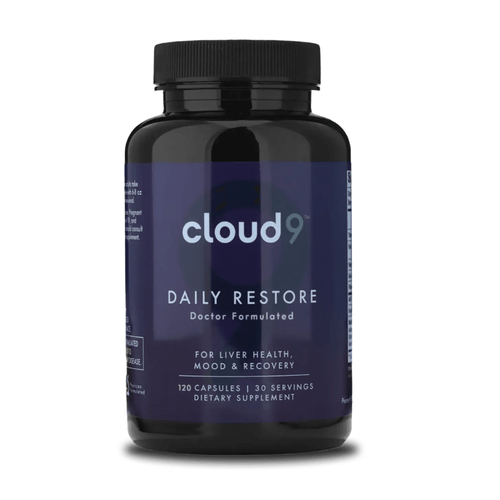
Cloud9 Daily Restore combines NAC, DHM, milk thistle, B vitamins, and ashwagandha to help support the pathways alcohol can tax most. Four capsules daily, drinking or not.
NAC | DHM | Milk Thistle | B Vitamins | Ashwagandha
See How Daily Restore WorksWhat Emotional Boundaries Around Drinking Actually Look Like
Emotional boundaries are internal guidelines that help you make intentional choices about alcohol. Unlike external rules imposed by others, these are personal frameworks you create based on your values, mental health needs, and honest self-awareness.
The Core Elements of Healthy Drinking Boundaries
Effective boundaries address both the practical and psychological aspects of your relationship with alcohol. They help you recognize when drinking serves you and when it doesn't.
- Motivation awareness: Understanding your emotional state before you drink and checking whether alcohol is meeting a genuine desire or masking a need
- Situational clarity: Identifying specific contexts where drinking enhances your experience versus situations where it compromises your well-being
- Emotional check-ins: Regularly assessing how alcohol affects your mood, sleep, anxiety levels, and overall mental health
- Alternative coping strategies: Developing non-alcohol options for managing stress, celebrating, socializing, or processing difficult emotions
- Permission to change: Allowing yourself to adjust your drinking patterns as your mental health needs evolve without judgment
Boundaries vs. Rigid Rules
Healthy boundaries differ from strict rules because they're flexible and compassionate. A rigid rule might state "never drink alone," while a boundary recognizes nuance: drinking alone while cooking dinner feels different than drinking alone to avoid facing relationship problems.
The goal isn't perfection or absolute control. It's developing enough self-awareness to notice when alcohol is helping you connect with life and when it's helping you disconnect from yourself.
How to Identify Your Emotional Drinking Triggers
Before you can build effective boundaries, you need to understand what drives your drinking behavior. Emotional triggers are the feelings, situations, or thought patterns that increase your desire to drink, often as a way to cope or escape.
Common Psychological Triggers for Drinking
Research on drinking motivations identifies several emotional categories that drive alcohol consumption. Recognizing your primary triggers helps you address the underlying needs more directly.
| Trigger Category | What It Looks Like | Underlying Need |
|---|---|---|
| Stress Relief | Reaching for alcohol after difficult workdays or during overwhelming periods | Relaxation, decompression, nervous system regulation |
| Social Anxiety | Needing drinks to feel comfortable in social situations or conversations | Confidence, connection, reduced self-consciousness |
| Emotional Avoidance | Drinking to numb sadness, anger, loneliness, or other uncomfortable feelings | Emotional processing, support, healthy expression |
| Boredom or Emptiness | Using alcohol to fill time or create artificial excitement | Engagement, purpose, genuine pleasure |
| Reward Seeking | Treating yourself with drinks after accomplishments or challenging experiences | Recognition, celebration, self-care |
The Self-Awareness Practice
Tracking your drinking patterns for two to three weeks can reveal surprising insights about your emotional triggers. Keep brief notes about when you drink, how you felt beforehand, and what you were hoping alcohol would provide.
Pay attention to patterns rather than individual instances. If you notice you consistently reach for wine when feeling anxious about work or always drink more during periods of relationship stress, you've identified important trigger zones that need healthier coping strategies.
Building Your Personal Boundary Framework
Creating boundaries that actually work requires moving from general intentions to specific, personalized guidelines. The most effective frameworks balance structure with flexibility, giving you clear direction while allowing room for real life.
The "Before You Drink" Check-In
Developing a quick mental assessment before drinking helps you make conscious choices rather than automatic ones. This isn't about judgment but about intention and awareness.
- Name your current emotional state: Are you feeling happy, stressed, anxious, celebratory, lonely, or something else?
- Ask what you're hoping alcohol will do: Help you relax, enhance enjoyment, facilitate connection, or avoid something uncomfortable?
- Consider if there's a better tool: Would a walk, conversation, journaling, or rest meet the underlying need more effectively?
- Decide with intention: If you still choose to drink, do so consciously rather than habitually
Creating Your Non-Negotiables
Non-negotiables are firm boundaries based on your mental health needs and past experiences. These might include situations where drinking consistently leads to negative outcomes for your emotional well-being.
Examples might include not drinking when you're already feeling depressed, avoiding alcohol during high-stress work periods, or choosing not to drink alone during emotionally vulnerable times. Your non-negotiables should reflect your personal patterns, not universal rules or what you think you "should" do.
Building Alternative Coping Strategies
Boundaries only work when you have realistic alternatives. For each emotional trigger you've identified, develop at least two non-alcohol options that address the same underlying need.
| Need | Alternative Strategies |
|---|---|
| Stress Relief | 20-minute walk, progressive muscle relaxation, hot bath, breathwork, physical exercise |
| Social Confidence | Arrive early to events, bring a friend, prepare conversation topics, practice saying "I'm good with water" |
| Emotional Processing | Journaling, calling a trusted friend, therapy, creative expression, allowing yourself to feel without fixing |
| Celebration | Special meal, quality time with loved ones, treating yourself to an experience, acknowledging accomplishments |
| Connection | Meaningful conversation, shared activities, quality time, physical touch, vulnerable sharing |
Maintaining Boundaries When They Feel Difficult
Knowing what boundaries you want to set is one thing. Maintaining them when you're stressed, triggered, or facing social pressure is another challenge entirely.
Navigating Social Situations
Social drinking culture can make personal boundaries feel awkward or isolating. Having a clear mental script helps you maintain your guidelines without extensive explanations.
- Keep your response simple: "I'm taking a break from drinking" or "I'm not drinking tonight" requires no justification
- Order a specific non-alcoholic drink so you're holding something and don't face repeated offers
- Find one ally who knows your boundaries and can provide social support in drinking-heavy environments
- Remember that most people are far more focused on their own drinks than yours
- Give yourself permission to leave situations where your boundaries feel unsustainable
When You Cross Your Own Boundaries
You will occasionally drink when you'd set an intention not to, or drink more than you'd planned. Research on behavior change shows that self-compassion predicts better long-term outcomes than self-criticism.
Instead of abandoning your boundaries after one instance of not following them, treat it as information. What triggered the choice? What was happening emotionally? What would make it easier to honor your boundary next time? This curiosity-based approach builds sustainable change rather than shame-based cycles.
Adjusting Boundaries as You Grow
Your relationship with alcohol and your mental health needs will evolve over time. Healthy boundaries are living guidelines that shift as you gain self-knowledge and as your circumstances change.
Revisit your boundary framework every few months. Some guidelines that felt essential may become less relevant, while new patterns may emerge that need attention. This ongoing assessment is part of maintaining an intentional, rather than automatic, relationship with drinking.
How Daily Restore Supports Your Health
Understanding what your body needs is one thing. Getting consistent daily support is another. Daily Restore was designed to address the key pathways alcohol can stress most, in one simple daily formula.
NAC (N-Acetyl Cysteine)
Supports glutathione production and antioxidant defenses
DHM (Dihydromyricetin)
Supports alcohol metabolism
Milk Thistle (Silymarin)
Supports healthy liver function
B Vitamins
Help replenish nutrients involved in energy and metabolism
Ashwagandha
Supports stress resilience and healthy cortisol balance
Daily Restore is not a detox or a cure. It is a daily support formula designed for people who drink socially and want to give their body consistent, evidence-informed support.
Frequently Asked Questions
How do I know if my drinking is affecting my mental health?
Pay attention to patterns like increased anxiety the day after drinking, using alcohol to manage stress or difficult emotions, or feeling unable to enjoy social situations without it. If you notice mood changes, disrupted sleep, or a growing reliance on alcohol for emotional regulation, these may be signs that your drinking habits are impacting your mental wellbeing.
Can I set boundaries around drinking without quitting completely?
Yes, many people successfully establish healthy boundaries while continuing to drink moderately. This might include setting limits on frequency or quantity, avoiding drinking when stressed or sad, or choosing alcohol-free days during the week. The key is developing self-awareness and creating rules that support your mental health rather than compromise it.
What should I do when social pressure makes it hard to stick to my boundaries?
Prepare simple, firm responses ahead of time, like "I'm good with what I have" or "I'm taking it easy tonight." Remember that true friends will respect your choices, and you don't owe anyone an explanation. Having a non-alcoholic drink in hand can also reduce questions and make you feel more comfortable in social settings.
How long does it take to notice mental health improvements after changing drinking habits?
Many people report better sleep quality within just a few days, while improvements in mood and anxiety levels often become noticeable within one to two weeks. Research suggests that brain chemistry and emotional regulation can continue to improve over several months as you maintain healthier patterns. Individual experiences vary based on previous drinking habits and overall health.
Can supplements really help with the mental effects of drinking?
While supplements can't undo the effects of excessive drinking, research suggests that certain nutrients may support recovery and mental clarity. Ingredients like NAC, milk thistle, and B vitamins have been shown to help support liver function, reduce oxidative stress, and assist with neurotransmitter balance. They work best as part of an overall approach that includes mindful drinking habits and emotional awareness.
The Bottom Line
Building emotional boundaries around drinking isn't about perfection or deprivation. It's about developing a healthier, more conscious relationship with alcohol that supports your mental wellbeing rather than compromising it. By recognizing your triggers, setting clear personal limits, and creating consistent routines, you can enjoy social moments without sacrificing your emotional health.
The most effective approach combines self-awareness with practical support. This means checking in with yourself regularly, being honest about patterns that aren't serving you, and making adjustments as needed. Small, consistent changes tend to be more sustainable than dramatic overhauls, especially when you're working to shift long-established habits.
Cloud9's Daily Restore can be part of your consistent daily support routine, offering targeted nutrients that may help your body and mind recover more effectively. With ingredients like NAC, milk thistle, and DHM, it's designed to support liver health, mental clarity, and overall resilience, whether you're moderating your intake or simply looking for better balance.
Remember, taking care of your mental health is an ongoing practice, not a destination. The boundaries you set today can evolve as your needs change, and seeking support from friends, professionals, or trusted resources is a sign of strength, not weakness. Your wellbeing matters, and you deserve to feel good both during and after the moments you choose to drink.
Build Your Daily Support Routine
Build Your Daily Support Routine
If drinking is part of your lifestyle, your support routine should not be random. Daily Restore was designed to help social drinkers support liver health, antioxidant defenses, alcohol metabolism, nutrient replenishment, and daily recovery in one simple routine.
NAC
DHM
Milk Thistle
B Vitamins
Ashwagandha