

If you've ever woken up after a night of drinking and searched for ways to "detox" your liver, you're not alone. The wellness industry is flooded with teas, supplements, and juice cleanses claiming to flush toxins and restore your liver to perfect health.
Here's the truth: your liver doesn't need a detox. It is the detox. What it actually needs is support, rest, and the right conditions to do its job properly.
Understanding how alcohol affects your liver and what genuinely helps can save you money, protect your health, and cut through the marketing noise that's designed to profit from your hangover anxiety.
Quick Take
- Your liver is a self-cleaning organ that doesn't require detox products to function properly
- Alcohol metabolism creates toxic byproducts that your liver breaks down naturally, but chronic drinking can overwhelm this process
- Most "liver detox" supplements lack solid scientific evidence and some may actually cause harm
- What genuinely supports liver health: reducing alcohol intake, proper hydration, quality sleep, and nutrient-rich foods
- Liver damage from alcohol happens on a spectrum, and early intervention can help prevent serious complications
How Your Liver Actually Processes Alcohol
Your liver is an incredibly sophisticated organ that handles over 500 different functions, including filtering everything you consume. When you drink alcohol, your liver prioritizes metabolizing it because alcohol is technically a toxin that your body wants to eliminate quickly.
The process happens in two main stages. First, an enzyme called alcohol dehydrogenase converts ethanol into acetaldehyde, a highly toxic compound that's actually more damaging than alcohol itself. Then, another enzyme called acetaldehyde dehydrogenase breaks down acetaldehyde into acetate, which your body can convert into water and carbon dioxide for elimination.
This is where problems can start. Your liver can only process about one standard drink per hour, and when you drink faster than that, acetaldehyde builds up in your system. Research suggests this toxic buildup is responsible for many hangover symptoms and contributes to long-term liver damage when drinking becomes chronic.
Daily Support for Social Drinkers
Your liver works hard every day. Give it consistent support.
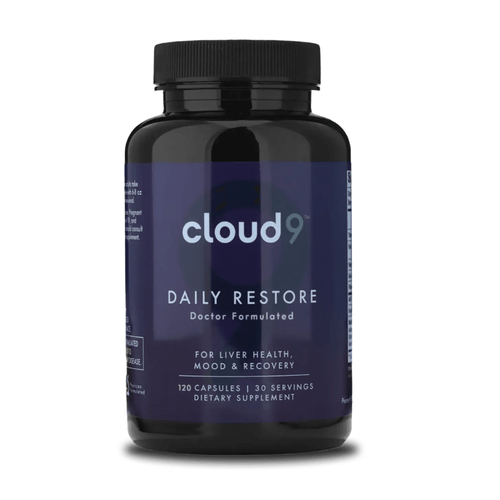
Cloud9 Daily Restore combines NAC, DHM, milk thistle, B vitamins, and ashwagandha to help support the pathways alcohol can tax most. Two capsules daily, drinking or not.
NAC | DHM | Milk Thistle | B Vitamins | Ashwagandha
See How Daily Restore WorksThe Liver Detox Industry: Separating Fact from Fiction
Walk into any health food store and you'll find shelves lined with products promising to cleanse, detoxify, or rejuvenate your liver. These products typically contain herbs like milk thistle, dandelion root, or turmeric, often accompanied by bold claims about removing toxins and restoring liver function.
The reality is more nuanced. While some of these ingredients have shown potential benefits in preliminary research, the term "detox" itself is misleading. Your liver doesn't accumulate toxins that need to be flushed out with a special tea or supplement.
Why Most Detox Claims Don't Hold Up
The concept of detoxing suggests that your liver stores toxins that can be released through special products or protocols. This fundamentally misunderstands liver function. Your liver processes and neutralizes harmful substances continuously, converting them into compounds that can be eliminated through urine or bile.
When researchers examine popular detox products, they consistently find a lack of high-quality evidence supporting the dramatic claims. Studies show that many products use proprietary blends without disclosing exact amounts, making it impossible to verify effectiveness or safety.
The Potential Risks of Detox Products
Perhaps more concerning than wasted money is the potential for harm. Some liver detox supplements have been linked to actual liver damage, a ironic twist that underscores the importance of skepticism.
- Unregulated supplements may contain undisclosed ingredients or contaminants
- High doses of certain herbs can interfere with medications or cause adverse reactions
- Green tea extract in concentrated forms has been associated with liver injury in some cases
- Detox protocols that involve fasting or extreme calorie restriction can stress an already compromised liver
What Actually Supports Liver Health After Drinking
If detox products aren't the answer, what actually helps your liver recover from alcohol exposure? The good news is that the most effective strategies are straightforward, free or inexpensive, and backed by solid research.
Give Your Liver a Break
The single most important thing you can do for your liver is to reduce or eliminate alcohol intake. Your liver has remarkable regenerative capacity when given the opportunity to heal. Studies show that even short periods of abstinence can lead to measurable improvements in liver function markers.
This doesn't necessarily mean quitting forever, though that may be necessary for some individuals. For many people, implementing alcohol-free days throughout the week gives the liver regular recovery periods.
Hydration and Nutrition That Actually Matter
Your liver needs specific nutrients to carry out its detoxification processes efficiently. Rather than expensive supplements, focus on whole foods that provide these nutrients naturally.
| Nutrient | Why It Matters | Food Sources |
|---|---|---|
| B Vitamins | Support enzymes involved in alcohol metabolism | Leafy greens, eggs, legumes, whole grains |
| Antioxidants | Help combat oxidative stress from alcohol | Berries, dark chocolate, nuts, colorful vegetables |
| Amino Acids | Building blocks for liver repair and enzyme production | Fish, chicken, beans, Greek yogurt |
| Healthy Fats | Support cell membrane health and reduce inflammation | Olive oil, avocados, fatty fish, walnuts |
Hydration deserves special mention. Alcohol is a diuretic that depletes your body's water stores, and dehydration makes it harder for your liver and kidneys to eliminate waste products. Drinking water before, during, and after alcohol consumption can help support these elimination pathways.
Sleep: Your Liver's Recovery Window
Quality sleep is when your body does its most intensive repair work, including liver regeneration. Research suggests that the liver follows circadian rhythms, with certain detoxification processes ramping up during sleep hours.
Unfortunately, alcohol disrupts sleep architecture even as it makes you feel drowsy initially. This creates a problematic cycle where drinking damages the liver while simultaneously interfering with the sleep needed for repair.
The liver doesn't need detoxing in the way marketing suggests. It needs the basic conditions to do what it already knows how to do: protect you, process what you consume, and regenerate itself when possible.
Understanding the Stages of Alcohol-Related Liver Damage
Liver damage from alcohol doesn't happen overnight. It progresses through stages, and understanding this progression can help you recognize warning signs and take action before damage becomes irreversible.
Fatty Liver: The First Warning Sign
Fatty liver disease is the earliest stage of alcohol-related liver damage, affecting up to 90% of people who drink heavily. Fat accumulates in liver cells, causing the organ to become enlarged and less efficient. The good news is that fatty liver is often completely reversible with alcohol cessation.
Most people with fatty liver have no symptoms, which is why it's often discovered incidentally during imaging for other reasons. Some may experience fatigue or discomfort in the upper right abdomen where the liver sits.
Alcoholic Hepatitis: Inflammation and Damage
When drinking continues despite fatty liver development, inflammation can set in. Alcoholic hepatitis ranges from mild to severe and can occur suddenly after a period of heavy drinking or develop gradually over time.
- Symptoms may include jaundice (yellowing of skin or eyes), fever, and abdominal pain
- Severe cases can be life-threatening and require immediate medical attention
- Even at this stage, stopping alcohol can allow significant healing, though some damage may be permanent
- Blood tests showing elevated liver enzymes often indicate hepatitis is present
Cirrhosis: When Scarring Becomes Permanent
Cirrhosis represents extensive scarring of liver tissue that cannot be reversed. Healthy liver cells are replaced with scar tissue that doesn't function, progressively reducing the liver's ability to perform its essential roles.
While cirrhosis damage is permanent, stopping alcohol at this stage is still critical. It can prevent further deterioration, reduce complications, and in some cases, the liver can compensate for damaged areas by having healthy sections work harder.
Signs Your Liver Needs Attention Now
Your liver is remarkably resilient and can continue functioning even when significantly damaged. This is both a blessing and a curse, as it means serious problems can develop without obvious symptoms until the situation becomes critical.
Physical Warning Signs to Watch For
Certain symptoms should prompt immediate medical evaluation, as they may indicate your liver is struggling to keep up with the damage from alcohol.
- Persistent fatigue that doesn't improve with rest
- Loss of appetite or unexplained weight loss
- Nausea and vomiting, especially in the morning
- Abdominal swelling or pain in the upper right quadrant
- Dark urine or pale-colored stools
- Jaundice (yellowing of the skin or whites of the eyes)
- Easy bruising or bleeding
- Itchy skin without an obvious cause
- Spider-like blood vessels on the skin
When Drinking Patterns Indicate Risk
You don't need to show symptoms to be at risk for liver damage. Certain drinking patterns significantly increase the likelihood of developing liver problems over time.
Research suggests that consuming more than 14 drinks per week for men or 7 drinks per week for women increases liver disease risk. Binge drinking (4-5 or more drinks in a sitting) is particularly hard on the liver, even if your weekly total seems moderate.
The duration of heavy drinking matters too. Studies show that drinking heavily for 10-12 years significantly increases cirrhosis risk, though some people develop problems much sooner depending on genetic factors, overall health, and other variables.
How Daily Restore Supports Your Health
Understanding what your body needs is one thing. Getting consistent daily support is another. Daily Restore was designed to address the key pathways alcohol can stress most, in one simple daily formula.
NAC (N-Acetyl Cysteine)
Supports glutathione production and antioxidant defenses
DHM (Dihydromyricetin)
Supports alcohol metabolism
Milk Thistle (Silymarin)
Supports healthy liver function
B Vitamins
Help replenish nutrients involved in energy and metabolism
Ashwagandha
Supports stress resilience and healthy cortisol balance
Daily Restore is not a detox or a cure. It is a daily support formula designed for people who drink socially and want to give their body consistent, evidence-informed support.
Frequently Asked Questions
Can you really "detox" your liver after a weekend of drinking?
Not in the way most detox products claim. Your liver doesn't need a special cleanse, it needs time and the right nutrients to repair itself. The best approach is reducing alcohol intake and supporting your liver's natural processes with consistent, evidence-based nutrition rather than quick fixes.
How long does it take for the liver to recover from alcohol damage?
It depends on the extent of the damage. Mild inflammation from occasional drinking can improve within weeks of reducing intake, while more significant damage may take months of abstinence or moderation. Research suggests the liver has remarkable regenerative abilities when given proper support and time to heal.
Are liver support supplements worth taking if I drink regularly?
Quality supplements with ingredients like milk thistle, NAC, and glutathione may help support liver function, but they're not a free pass to drink excessively. Think of them as part of a broader strategy that includes moderation, hydration, and a nutrient-dense diet. Supplements work best when combined with lifestyle changes, not as a replacement for them.
What's the difference between a hangover and actual liver damage?
A hangover is a temporary set of symptoms including headache, nausea, and fatigue that typically resolve within 24 hours. Liver damage, on the other hand, often has no obvious symptoms in early stages and may only show up in blood work or imaging. Persistent fatigue, abdominal discomfort, or yellowing of the skin are signs that warrant medical attention.
Can I protect my liver while still enjoying alcohol?
Moderation is key. Staying within recommended limits (no more than one drink per day for women, two for men), taking alcohol-free days, and supporting your liver with proper nutrition can help minimize risk. While no amount of alcohol is completely risk-free, these strategies may help reduce the cumulative burden on your liver over time.
The Bottom Line
Your liver is already an impressive detox machine. It doesn't need expensive cleanses, restrictive diets, or miracle supplements to do its job. What it does need is consistent support: moderation with alcohol, adequate hydration, nutrient-dense foods, and targeted compounds that research suggests can help maintain healthy liver function.
The truth about liver health isn't as exciting as a three-day detox promise, but it's far more effective. Real liver support happens through daily habits, not weekend warriors trying to undo damage after the fact. By understanding how alcohol actually affects your liver and what science says about genuine support, you can make informed decisions that serve your long-term health.
That's where Daily Restore fits in. With evidence-based ingredients like milk thistle, NAC, and glutathione, it's designed to support your liver's natural detoxification processes every single day. Think of it as nutritional insurance for your body's most hardworking organ, especially valuable if you enjoy the occasional drink or want to support healthy liver function as part of your wellness routine.
Skip the detox myths and focus on what actually works: consistency, moderation, and smart supplementation that respects the science of how your body truly functions.
Build Your Daily Support Routine
Build Your Daily Support Routine
If drinking is part of your lifestyle, your support routine should not be random. Daily Restore was designed to help social drinkers support liver health, antioxidant defenses, alcohol metabolism, nutrient replenishment, and daily recovery in one simple routine.
NAC
DHM
Milk Thistle
B Vitamins
Ashwagandha