

You got your blood work back, and now you're staring at a liver function test covered in acronyms and numbers. ALT, AST, ALP, bilirubin. Some are flagged as "high," but your doctor said they're "watching it." If you're a social drinker who enjoys wine with dinner or cocktails on weekends, understanding these numbers isn't just about medical curiosity. It's about knowing when your habits are still safe and when they're starting to cross a line.
Most social drinkers assume their liver is fine until something goes seriously wrong. But your liver function test can reveal early warning signs long before you feel anything at all. The good news? When you catch changes early, they're often completely reversible.
Here's how to decode every number on your liver panel and what each one tells you about how alcohol is affecting your body.
Quick Take
- Liver function tests measure enzymes (ALT, AST, ALP) and proteins (bilirubin, albumin) that indicate how well your liver is working
- Elevated ALT and AST levels in social drinkers often signal early liver inflammation that's completely reversible with reduced alcohol intake
- The AST/ALT ratio matters more than absolute numbers, and a ratio above 2:1 is a stronger signal of alcohol-related damage
- Normal liver function tests don't guarantee your liver is healthy, fatty liver disease can exist with completely normal bloodwork
- Repeat testing over time reveals patterns that matter more than a single abnormal result
What Liver Function Tests Actually Measure
A liver function test is actually a panel of several different measurements that each reveal something specific about your liver's health. Think of it like a dashboard in your car, where different gauges monitor oil, temperature, and fuel. Your liver panel monitors enzymes that leak when liver cells are damaged, proteins your liver produces, and waste products your liver should be clearing.
These tests can't diagnose a specific liver disease on their own, but they can tell you when something is off. Research suggests that even mildly elevated liver enzymes in regular drinkers indicate cellular stress and inflammation. The pattern of which numbers are elevated, and by how much, gives your doctor important clues about what's happening inside your liver.
For social drinkers, the most important insight is this: liver damage doesn't announce itself with symptoms until it's advanced. Your blood work can show problems years before you'd ever feel them.
Daily Support for Social Drinkers
Your liver works hard every day. Give it consistent support.
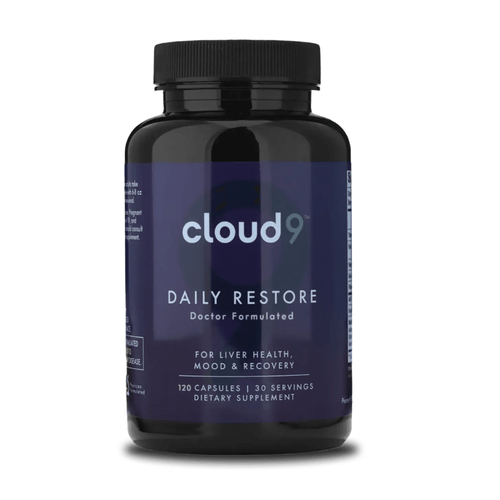
Cloud9 Daily Restore combines NAC, DHM, milk thistle, B vitamins, and ashwagandha to help support the pathways alcohol can tax most. Two capsules daily, drinking or not.
NAC | DHM | Milk Thistle | B Vitamins | Ashwagandha
See How Daily Restore WorksThe Core Liver Enzymes: ALT and AST
ALT (Alanine Aminotransferase): Your Liver-Specific Enzyme
ALT is found primarily in your liver cells, which makes it one of the most specific markers for liver health. Normal range is typically 7-56 units per liter, though this varies slightly by lab. When liver cells are damaged or inflamed, they leak ALT into your bloodstream, causing your blood levels to rise.
For social drinkers, elevated ALT usually means your liver is working overtime to process alcohol and has developed some inflammation. The good news is that mildly elevated ALT (up to twice the normal range) often normalizes within a few weeks of cutting back on drinking. It's one of the earliest warning signs your body can give you.
AST (Aspartate Aminotransferase): The Multi-Organ Enzyme
AST is less specific than ALT because it's found in your liver, heart, muscles, and kidneys. Normal range is typically 10-40 units per liter. When AST is elevated along with ALT, it usually points to liver issues rather than problems with other organs.
The critical insight for drinkers is the AST/ALT ratio. In healthy people and those with non-alcoholic liver issues, ALT tends to be higher than AST. But with alcohol-related liver damage, AST rises more than ALT. A ratio above 2:1 (AST twice as high as ALT) is a strong indicator that alcohol is the primary culprit.
What Different Levels Mean
| Enzyme Level | What It Suggests | Typical Action |
|---|---|---|
| 1-2x normal range | Mild inflammation or fatty liver | Reduce alcohol, retest in 4-8 weeks |
| 2-5x normal range | Moderate liver injury | Stop drinking, investigate other causes |
| 5-10x normal range | Significant liver damage | Immediate medical evaluation needed |
| 10x+ normal range | Severe acute liver injury | Emergency medical attention |
Beyond Enzymes: ALP, Bilirubin, and Protein Markers
ALP (Alkaline Phosphatase): The Bile Flow Indicator
ALP is an enzyme found in your liver, bones, and bile ducts. Normal range is roughly 44-147 units per liter. Unlike ALT and AST, which spike when liver cells are damaged, ALP rises when bile flow is blocked or slowed, a condition called cholestasis.
For most social drinkers, ALP stays normal unless alcohol use has progressed to more serious liver disease. Elevated ALP alongside other abnormal liver tests may suggest your bile ducts are affected. If ALP is elevated alone without other liver enzyme changes, your doctor may investigate bone or other non-liver causes.
Bilirubin: Your Liver's Waste Processing System
Bilirubin is a yellow pigment created when your body breaks down old red blood cells. Your liver processes and eliminates it. Normal total bilirubin is typically 0.1-1.2 mg/dL. When bilirubin rises, it can cause jaundice (yellowing of skin and eyes), though you usually won't notice this until levels are significantly elevated.
Studies show that even mildly elevated bilirubin in drinkers can indicate your liver is struggling to keep up with its detoxification workload. High bilirubin combined with elevated enzymes suggests more significant liver dysfunction than enzymes alone.
Albumin and Total Protein: Long-Term Function Markers
Albumin is a protein your liver makes that helps maintain blood volume and transport nutrients. Normal albumin is 3.5-5.5 g/dL. Unlike enzymes that spike quickly with acute damage, albumin drops slowly over time with chronic liver disease.
Low albumin is a red flag that your liver's synthetic function is declining. For social drinkers, normal albumin is reassuring, it suggests your drinking hasn't yet impaired your liver's ability to make essential proteins. If albumin is dropping, it's a sign to take your liver health very seriously.
Interpreting Your Results as a Social Drinker
When Your Numbers Are Slightly High
If your ALT and AST are 1.5 to 2 times the upper normal limit, you're in the early warning zone. This level of elevation is incredibly common in social drinkers and usually reflects fatty liver or mild inflammation. The crucial factor is what you do next.
Research suggests that taking a 4-6 week break from alcohol allows these enzymes to normalize in most cases of early alcohol-related liver changes. If your numbers drop back to normal after abstaining, you have clear evidence that alcohol was the cause. If they stay elevated, your doctor will look for other contributing factors like metabolic syndrome, medications, or viral hepatitis.
The most valuable piece of information isn't a single test result, it's the trend over time. Two or three tests spaced months apart tell a story about whether your liver is improving, stable, or declining.
The Pattern Matters More Than Individual Numbers
Your doctor looks at patterns, not just single values. Here's what different patterns typically indicate:
- High AST and ALT with AST greater than ALT: Suggests alcohol-related liver injury, especially if the ratio is 2:1 or higher
- High ALT with normal or mildly elevated AST: More likely non-alcoholic fatty liver disease or other causes
- High ALP with normal ALT and AST: May indicate bile duct issues rather than liver cell damage
- High bilirubin with high enzymes: Suggests more significant liver dysfunction than enzymes alone
- Low albumin with chronic enzyme elevation: Indicates declining liver synthetic function, a more serious concern
What Normal Results Actually Mean
Here's something many social drinkers don't realize: completely normal liver function tests don't guarantee your liver is healthy. Fatty liver disease, the earliest stage of alcohol-related liver damage, often exists with entirely normal blood work. You can have significant fat accumulation in your liver and zero abnormal test results.
This is why imaging tests like ultrasound or FibroScan can provide additional information that blood work misses. If you're a regular drinker with normal labs but risk factors like obesity or metabolic syndrome, imaging might reveal fatty liver that blood tests don't show.
What to Do With Your Test Results
Creating Your Action Plan Based on Your Numbers
Your liver function test results should guide specific decisions about your drinking habits. Here's a practical framework based on common result patterns:
| Your Results | Recommended Action | Follow-Up Timeline |
|---|---|---|
| All normal values | Continue current habits or reduce to lower-risk levels | Retest annually |
| Mildly elevated ALT/AST (1-2x normal) | Take 4-6 week alcohol break, add liver support supplements | Retest after abstinence period |
| Moderately elevated (2-5x normal) | Stop drinking, see hepatologist, consider imaging | Retest in 4-6 weeks |
| High AST/ALT ratio (above 2:1) | Strong signal to eliminate alcohol, comprehensive liver workup | Close medical monitoring |
| Elevated bilirubin or low albumin | Immediate medical evaluation, stop all alcohol | As directed by physician |
Questions to Ask Your Doctor
Don't leave your doctor's office without understanding your results in context. Here are the essential questions to ask:
- How do these results compare to my previous tests?
- Which specific number concerns you most and why?
- Could any of my medications or supplements be affecting these results?
- Do you recommend additional testing like an ultrasound or FibroScan?
- What changes in these numbers would you want to see at my next test?
- How long should I reduce or stop drinking before retesting?
Supporting Your Liver Between Tests
While you're waiting for follow-up testing, several strategies can support liver recovery. Reducing or eliminating alcohol is obviously the most important step, but other factors matter too.
Studies show that maintaining a healthy weight, managing blood sugar, and avoiding unnecessary medications can all reduce stress on your liver. Some people find that supplements containing dihydromyricetin, milk thistle, or NAC support liver function during periods of reduced drinking, though you should discuss any supplements with your doctor, especially if your liver tests are abnormal.
How Daily Restore Supports Your Health
Understanding what your body needs is one thing. Getting consistent daily support is another. Daily Restore was designed to address the key pathways alcohol can stress most, in one simple daily formula.
NAC (N-Acetyl Cysteine)
Supports glutathione production and antioxidant defenses
DHM (Dihydromyricetin)
Supports alcohol metabolism
Milk Thistle (Silymarin)
Supports healthy liver function
B Vitamins
Help replenish nutrients involved in energy and metabolism
Ashwagandha
Supports stress resilience and healthy cortisol balance
Daily Restore is not a detox or a cure. It is a daily support formula designed for people who drink socially and want to give their body consistent, evidence-informed support.
Frequently Asked Questions
Can one night of heavy drinking affect my liver function test results?
Yes, even a single episode of heavy drinking can temporarily elevate your liver enzymes, particularly AST and ALT. These levels typically return to normal within a few days to a week, but consistent heavy drinking sessions can lead to sustained elevation and potential liver damage over time.
How long should I stop drinking before getting a liver function test?
For the most accurate baseline reading, many healthcare providers recommend abstaining from alcohol for at least 24 to 48 hours before your test. However, if your doctor is specifically monitoring your drinking habits or liver health, they may prefer you maintain your normal routine to get a realistic picture of how alcohol is affecting your liver.
What's considered a "slightly elevated" liver enzyme level?
Generally, enzyme levels that are 1.5 to 2 times the upper limit of normal are considered mildly elevated. For example, if normal ALT is up to 40 U/L, a result of 50-80 U/L would be slightly elevated. Your doctor will interpret these numbers in the context of your overall health, drinking patterns, and other risk factors.
Do I need to worry if only one liver marker is elevated?
A single elevated marker doesn't automatically indicate serious liver damage, but it shouldn't be ignored either. Your doctor will likely want to retest in a few weeks and may order additional tests to rule out other causes like medications, supplements, or recent illness. Consistent monitoring helps distinguish between temporary fluctuations and developing liver issues.
Can liver damage from social drinking be reversed?
The liver has remarkable regenerative capabilities, and early-stage damage from alcohol can often be reversed with sustained lifestyle changes. Research suggests that reducing alcohol intake, supporting your liver with proper nutrition and targeted supplements, and maintaining overall health can help restore liver function in many cases, though individual results vary based on the extent of damage and overall health status.
The Bottom Line
Understanding your liver function test results empowers you to make informed decisions about your drinking habits and overall health. Each marker tells part of the story, from ALT and AST indicating liver cell health to GGT revealing alcohol-related stress and bilirubin showing processing efficiency. When you know what these numbers mean, you can have more productive conversations with your healthcare provider and take proactive steps toward liver wellness.
For social drinkers who want to maintain their lifestyle while supporting their liver health, consistency matters more than perfection. Regular monitoring of your liver function, combined with mindful drinking habits and daily nutritional support, can help you maintain healthy enzyme levels over time. Small, sustainable changes often lead to better long-term outcomes than drastic restrictions that are difficult to maintain.
This is where Cloud9's Daily Restore fits naturally into a health-conscious routine. Formulated with milk thistle, N-acetyl cysteine, and other research-backed ingredients, Daily Restore is designed to support your liver's natural detoxification processes every day, not just after a night out. Taking it consistently, whether you're drinking or not, helps maintain a baseline of support that complements your body's own protective mechanisms.
Your liver works hard every single day, processing everything from the foods you eat to the occasional drinks you enjoy. By understanding your liver function tests, staying aware of what those numbers reveal, and providing daily nutritional support through quality supplements and healthy lifestyle choices, you're investing in long-term wellness. Your liver health is within your control, and knowledge is the first step toward making choices that serve you well for years to come.
Build Your Daily Support Routine
Build Your Daily Support Routine
If drinking is part of your lifestyle, your support routine should not be random. Daily Restore was designed to help social drinkers support liver health, antioxidant defenses, alcohol metabolism, nutrient replenishment, and daily recovery in one simple routine.
NAC
DHM
Milk Thistle
B Vitamins
Ashwagandha