

If you've noticed your skin looking a little less bouncy after a few drinks, you're not imagining things. Alcohol affects collagen production and skin elasticity in measurable ways, and those effects accumulate over time.
But here's the good news: you don't have to choose between your social life and your skin health. With the right protective strategies, you can minimize alcohol's impact on collagen while still enjoying the occasional glass of wine or cocktail.
This guide breaks down exactly how alcohol affects your skin at the cellular level, and more importantly, what you can do about it starting tonight.
Quick Take
- Alcohol depletes vitamins A and C, both essential for collagen synthesis and skin repair
- Dehydration from drinking reduces skin elasticity and accelerates the appearance of fine lines
- Sugar in mixed drinks triggers glycation, a process that damages existing collagen fibers
- Strategic hydration, targeted supplements, and timing can significantly reduce alcohol's impact on skin
- Supporting your liver with NAC and glutathione helps process alcohol more efficiently, protecting skin cells
Why Alcohol Affects Collagen Differently Than Other Skin Stressors
When you drink alcohol, your body treats it as a toxin and prioritizes breaking it down above nearly everything else. This metabolic shift diverts resources away from collagen production and skin repair, which typically happen during rest and recovery periods.
Research suggests that alcohol also triggers inflammation throughout the body, including in the skin. This inflammatory response activates enzymes called matrix metalloproteinases (MMPs) that actually break down existing collagen and elastin fibers. Think of it as a double hit: less new collagen being made, and more existing collagen being destroyed.
The dehydration effect compounds these problems. Alcohol is a diuretic, meaning it causes your body to lose more fluid than you take in. Studies show that even mild dehydration can reduce skin elasticity by up to 20%, making fine lines and wrinkles more visible almost immediately.
Daily Support for Social Drinkers
Your liver works hard every day. Give it consistent support.
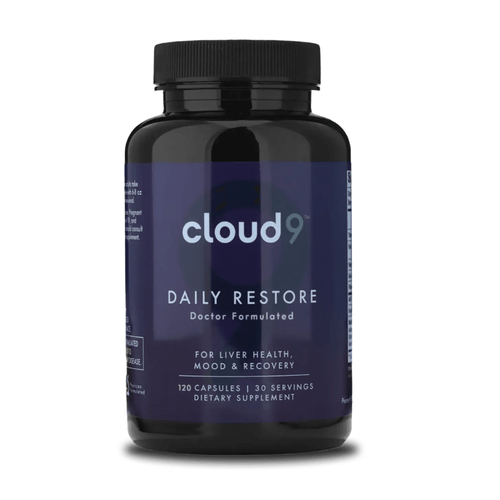
Cloud9 Daily Restore combines NAC, DHM, milk thistle, B vitamins, and ashwagandha to help support the pathways alcohol can tax most. Two capsules daily, drinking or not.
NAC | DHM | Milk Thistle | B Vitamins | Ashwagandha
See How Daily Restore WorksThe Three-Way Attack: How Alcohol Breaks Down Your Skin
Nutrient Depletion That Sabotages Collagen Production
Your body needs specific nutrients to build collagen, and alcohol interferes with nearly all of them. Vitamin C is crucial for collagen synthesis, but alcohol depletes it rapidly. Vitamin A, which supports skin cell turnover and repair, gets metabolized by the same liver enzymes that process alcohol, creating direct competition.
Zinc and B vitamins also take a hit. These nutrients play supporting roles in collagen formation and skin barrier function. When you drink regularly, you're essentially running a collagen-building factory without adequate raw materials.
The Glycation Effect from Sugar and Mixers
Beyond the alcohol itself, what you mix it with matters significantly. Sugary cocktails, sweet wines, and even tonic water trigger a process called glycation, where sugar molecules bind to collagen and elastin fibers, making them stiff and brittle.
These damaged proteins, called advanced glycation end products (AGEs), accumulate in your skin over time. Research suggests that glycated collagen is more susceptible to breakdown and less able to repair itself, accelerating visible aging.
Inflammation and Oxidative Stress
As your liver processes alcohol, it generates free radicals and inflammatory compounds. These molecules damage cell membranes, DNA, and proteins throughout your body, including the fibroblasts responsible for making new collagen.
The inflammatory cascade can persist for 24-48 hours after drinking, meaning a single night out can affect your skin for days. Chronic inflammation from regular drinking may contribute to long-term changes in skin texture and firmness.
Your Collagen Protection Protocol
Before You Drink: Prime Your System
Taking protective measures before your first sip can significantly reduce alcohol's impact on your skin. Start with a full glass of water and a meal containing healthy fats and protein, which slow alcohol absorption and give your liver a metabolic advantage.
Consider these pre-drinking strategies:
- Take 500-1000mg of vitamin C two hours before drinking to saturate your tissues
- Consume foods rich in antioxidants like berries, dark leafy greens, or a green smoothie
- Take 600mg of NAC (N-acetylcysteine) to support glutathione production in your liver
- Hydrate with electrolyte-enhanced water, not just plain water
- Eat zinc-rich foods like pumpkin seeds or oysters earlier in the day
During Drinking: Minimize the Damage
Your choices while drinking matter just as much as what you do before and after. The type of alcohol, what you mix it with, and your hydration strategy all influence how much your skin suffers.
| Better Choices | Why It Helps | Worse Choices |
|---|---|---|
| Clear spirits with soda water | No added sugar, fewer congeners | Margaritas, mojitos, sweet wines |
| Dry wine (red or white) | Contains resveratrol, lower sugar | Dessert wines, port, liqueurs |
| One drink per hour maximum | Gives liver time to process efficiently | Rapid consumption, shots |
| Water between each drink | Maintains hydration, slows intake | Drinking on empty stomach |
The one-to-one rule works well for most people: match every alcoholic drink with a full glass of water. This simple habit can cut dehydration-related skin damage roughly in half.
After Drinking: Repair and Restore
The 12-24 hours after drinking represent your best opportunity to minimize lasting damage. Your body is working overtime to clear alcohol and repair oxidative damage, so give it the support it needs.
Focus on these recovery priorities:
- Drink 16-24 ounces of water before bed, even if you're tired
- Take a B-complex vitamin to replenish what alcohol depleted
- Apply a hydrating serum with hyaluronic acid to draw moisture back into skin
- Use a peptide-based night cream to support collagen synthesis during sleep
- Consider a gentle face massage to promote lymphatic drainage and reduce puffiness
The morning after drinking is when your skin cells are most vulnerable to oxidative stress. Supporting your body's natural repair mechanisms during this window can help prevent cumulative damage that shows up as premature aging down the line.
Supplements That Actually Protect Collagen When You Drink
The Core Four for Alcohol-Related Skin Protection
Not all supplements offer meaningful protection against alcohol's effects on collagen, but research suggests these four can make a measurable difference. They work by supporting different aspects of your body's detoxification and repair processes.
NAC (N-Acetylcysteine): This amino acid boosts glutathione, your liver's primary antioxidant. Studies show that taking 600-1200mg before and after drinking can reduce oxidative stress by up to 40%. It helps your liver process alcohol more efficiently, leaving more resources for skin repair.
Vitamin C: Beyond its role in collagen synthesis, vitamin C acts as a direct antioxidant that neutralizes free radicals from alcohol metabolism. Taking 1000-2000mg in divided doses on drinking days can help protect existing collagen from breakdown.
Collagen Peptides: Supplementing with hydrolyzed collagen provides the building blocks your body needs when alcohol is interfering with natural production. Research suggests that 10-15g daily can support skin elasticity even during periods of regular drinking.
Milk Thistle: This herb contains silymarin, a compound that protects liver cells from alcohol-induced damage. A healthier liver processes alcohol more efficiently, reducing the inflammatory burden on your entire body, including your skin.
Timing Your Supplements for Maximum Protection
When you take these supplements matters almost as much as taking them at all. Your body's needs shift throughout the drinking and recovery cycle, so strategic timing can enhance their effectiveness.
| Timing | Supplement | Dose | Purpose |
|---|---|---|---|
| 2 hours before | NAC + Vitamin C | 600mg + 1000mg | Build glutathione reserves |
| Before bed | B-complex + Electrolytes | 1 tablet + 8oz | Support overnight recovery |
| Next morning | Collagen peptides + Vitamin C | 10g + 500mg | Support collagen synthesis |
| Daily baseline | Milk thistle | 150-300mg | Ongoing liver protection |
Skin Care Strategies for Regular Drinkers
Adjust Your Routine for Alcohol's Effects
If you drink regularly, your skin care routine should compensate for alcohol's specific challenges: dehydration, inflammation, and impaired barrier function. Standard routines often aren't enough to counteract these effects.
Morning care should focus on rehydration and antioxidant protection. After a night of drinking, your skin has lost moisture and accumulated oxidative damage. Use a vitamin C serum to neutralize free radicals, followed by a hyaluronic acid serum to pull moisture back into your skin.
Evening care should emphasize repair and barrier support. This is when collagen synthesis naturally peaks, so give your skin the tools it needs. Retinol or peptide serums can help stimulate collagen production, while a rich moisturizer with ceramides supports barrier repair.
Ingredients That Counter Alcohol's Aging Effects
Certain active ingredients can specifically address the types of damage alcohol causes to collagen and elasticity. Building your routine around these compounds can help minimize visible aging over time.
- Niacinamide: Reduces inflammation, supports barrier function, and helps skin retain moisture despite alcohol's diuretic effects
- Peptides: Signal your skin to produce more collagen, compensating for alcohol-induced reduction in synthesis
- Hyaluronic acid: Holds up to 1000 times its weight in water, crucial for combating dehydration
- Retinol: Accelerates cell turnover and stimulates collagen production, though use cautiously if drinking heavily (can increase sensitivity)
- Antioxidants (vitamins C and E, resveratrol): Neutralize free radicals generated during alcohol metabolism

The 48-Hour Recovery Window
Research suggests that your skin takes about 48 hours to fully recover from a drinking episode. During this window, your hydration levels normalize, inflammation subsides, and collagen production gradually returns to baseline.
Optimize this recovery period with these targeted actions:
- Double your water intake for two full days after drinking
- Use a hydrating sheet mask or overnight mask to accelerate moisture restoration
- Skip harsh exfoliants that could further stress compromised skin barrier
- Increase your vegetable intake to provide vitamins and minerals for repair
- Prioritize sleep, as this is when your body does most of its collagen synthesis
If you're drinking multiple times per week, your skin never gets this full recovery window. This cumulative deficit is where significant collagen loss and elasticity damage accumulate over months and years.
How Daily Restore Supports Your Health
Understanding what your body needs is one thing. Getting consistent daily support is another. Daily Restore was designed to address the key pathways alcohol can stress most, in one simple daily formula.
NAC (N-Acetyl Cysteine)
Supports glutathione production and antioxidant defenses
DHM (Dihydromyricetin)
Supports alcohol metabolism
Milk Thistle (Silymarin)
Supports healthy liver function
B Vitamins
Help replenish nutrients involved in energy and metabolism
Ashwagandha
Supports stress resilience and healthy cortisol balance
Daily Restore is not a detox or a cure. It is a daily support formula designed for people who drink socially and want to give their body consistent, evidence-informed support.
Frequently Asked Questions
How long does it take to see improvements in skin after reducing alcohol intake?
Most people notice initial changes in hydration and brightness within a few days to a week, while deeper improvements in elasticity and texture typically emerge after 4-6 weeks of consistent habits. The timeline varies based on individual factors like age, overall health, and the extent of previous alcohol consumption.
Can I reverse collagen damage that's already occurred from drinking?
While you can't completely undo past damage, your skin has remarkable regenerative capacity when given the right support. Adopting protective habits, maintaining proper hydration, and providing targeted nutrients like those in Daily Restore can help promote new collagen production and improve your skin's overall resilience over time.
Do certain types of alcohol cause less skin damage than others?
All alcohol has dehydrating and inflammatory effects on skin, though drinks with higher sugar content (like cocktails and sweet wines) may compound the issue by promoting additional glycation and inflammation. Clear spirits mixed with water or soda water tend to be lower in added sugars, but moderation remains the most important factor regardless of beverage type.
Should I take collagen supplements if I drink regularly?
Collagen supplementation can be helpful as part of a comprehensive approach, but it works best when combined with habits that protect existing collagen from degradation. Research suggests that supporting your liver's natural detoxification processes and maintaining antioxidant levels may be equally important for preserving skin elasticity when alcohol consumption is part of your lifestyle.
How much water should I drink to offset alcohol's dehydrating effects?
A general guideline is to drink one full glass of water for every alcoholic beverage, plus an additional 16-24 ounces before bed and upon waking. Your specific needs may vary based on body size, climate, and activity level, but prioritizing consistent hydration throughout the day, not just when drinking, provides the best support for skin health.
The Bottom Line
Protecting your collagen and skin elasticity while drinking doesn't require perfection, just consistency with a few key practices. Staying hydrated, nourishing your body with antioxidant-rich foods, and supporting your liver's natural recovery processes can make a meaningful difference in how your skin looks and feels over time.
Daily Restore was specifically designed to support this balance, delivering DHM, electrolytes, and essential vitamins that help your body manage the effects of alcohol more effectively. When taken consistently, it can be a simple addition to your routine that helps protect the foundations of healthy, resilient skin.
Remember that skin health is a reflection of overall wellness. While topical products and professional treatments have their place, true elasticity and radiance start from within. By supporting your body's natural processes and giving it what it needs to thrive, you're investing in skin that can better withstand the occasional indulgence.
Small, sustainable changes add up. Whether you're cutting back on frequency, being more mindful about hydration, or adding targeted nutritional support, every positive choice contributes to protecting the collagen and elasticity you want to maintain for years to come.
Build Your Daily Support Routine
Build Your Daily Support Routine
If drinking is part of your lifestyle, your support routine should not be random. Daily Restore was designed to help social drinkers support liver health, antioxidant defenses, alcohol metabolism, nutrient replenishment, and daily recovery in one simple routine.
NAC
DHM
Milk Thistle
B Vitamins
Ashwagandha