
If you're someone who enjoys a few drinks regularly, you've probably wondered what it's actually doing to your liver. The worry is real, especially when you know alcohol takes a toll but aren't ready to quit completely.
Here's something you might not know: omega-3 fatty acids may offer meaningful protection for your liver, even when alcohol is part of your routine. These essential fats work at a cellular level to combat some of the specific damage that regular drinking can cause.
Whether you're having wine with dinner most nights or unwinding with cocktails on weekends, understanding how omega-3s support liver health can help you make more informed choices about your wellness.
Quick Take
- Omega-3s can help reduce liver inflammation caused by regular alcohol consumption
- EPA and DHA fatty acids may prevent fat accumulation in liver cells, a common issue for regular drinkers
- Research suggests omega-3s support the liver's natural detoxification processes
- Most people who drink regularly don't get enough omega-3s from diet alone
- Combining omega-3 supplementation with other liver-supporting habits creates the most protective effect
What Alcohol Actually Does to Your Liver
Your liver processes every drop of alcohol you consume, breaking it down into substances your body can eliminate. During this process, toxic byproducts form that can damage liver cells and trigger inflammation. When you drink regularly, even moderately, your liver doesn't always get enough time to fully recover between sessions.
One of the earliest changes is fat accumulation in liver cells, a condition called hepatic steatosis. Studies show this can happen in people who drink as little as two drinks per day over time. The inflammation that follows can gradually progress if left unaddressed, which is why protective strategies matter even for social drinkers.
The good news is that your liver has remarkable regenerative abilities when given the right support. Omega-3 fatty acids work with your body's natural healing processes rather than against the damage alcohol causes.
Daily Support for Social Drinkers
Your liver works hard every day. Give it consistent support.
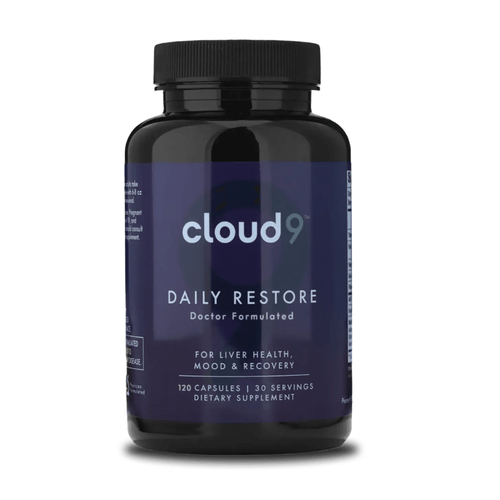
Cloud9 Daily Restore combines NAC, DHM, milk thistle, B vitamins, and ashwagandha to help support the pathways alcohol can tax most. Two capsules daily, drinking or not.
NAC | DHM | Milk Thistle | B Vitamins | Ashwagandha
See How Daily Restore WorksHow Omega-3s Protect Your Liver From Alcohol Damage
Reducing Inflammation at the Cellular Level
Alcohol metabolism creates inflammatory compounds called cytokines that signal your immune system to attack liver tissue. Omega-3s, particularly EPA and DHA, produce anti-inflammatory molecules called resolvins and protectins that actively calm this response. Research suggests these specialized compounds can reduce markers of liver inflammation in people who drink regularly.
Think of inflammation like a fire alarm that won't turn off. Omega-3s help reset the system, allowing your liver to focus on repair instead of constant emergency response.
Preventing and Reversing Fat Buildup
One of the most significant ways omega-3s support liver health is by preventing fatty liver development. These essential fats help regulate how your liver processes and stores fat, reducing the accumulation that alcohol promotes. Studies show that omega-3 supplementation can decrease liver fat content by 15-30% in some individuals.
DHA appears particularly effective at improving the liver's ability to burn fat for energy rather than storing it. This metabolic shift can help reverse early-stage fatty liver changes before they become more serious.
Supporting Detoxification Pathways
Your liver relies on specific enzymes to break down alcohol and eliminate toxins. Omega-3s help maintain the integrity of liver cell membranes, which is crucial for these detoxification processes to work efficiently. When cell membranes are healthy and fluid, nutrients move in and waste products move out more effectively.
Additionally, omega-3s may help protect against oxidative stress, the cellular damage caused by free radicals produced during alcohol metabolism. This protection allows your liver's natural antioxidant systems to function at their best.
The Science Behind Omega-3s and Alcohol-Related Liver Issues
Multiple studies have examined how omega-3 supplementation affects people with alcohol-related liver concerns. Research suggests that regular omega-3 intake can improve liver enzyme levels, reduce liver stiffness, and decrease inflammatory markers in the blood.
One area of particular interest is how omega-3s influence the gut-liver axis. Alcohol disrupts your gut microbiome, allowing inflammatory compounds to leak into your bloodstream and reach your liver. Omega-3s can help restore gut barrier function and reduce this inflammatory load.
The relationship between omega-3s and liver health isn't about canceling out alcohol's effects entirely. It's about giving your body additional resources to manage the stress that regular drinking creates, potentially slowing or preventing progression to more serious liver conditions.
The type and dose of omega-3s matter significantly. Most research showing liver benefits used doses between 2-4 grams of combined EPA and DHA daily, which is substantially higher than what most people get from diet alone.
Getting Enough Omega-3s: Practical Considerations
Food Sources vs. Supplements
While fatty fish like salmon, mackerel, and sardines provide excellent omega-3s, you'd need to eat them almost daily to reach therapeutic doses for liver support. Most people who drink regularly find supplementation more practical and consistent.
Key differences to understand:
| Approach | EPA/DHA Content | Considerations |
|---|---|---|
| Salmon (4 oz) | 1.5-2g | Requires 3-4 servings weekly; cost and preparation time |
| Sardines (3.75 oz can) | 1-1.5g | More affordable; taste preference varies |
| Fish oil supplement | 2-3g per dose | Consistent dosing; choose quality-tested brands |
| Algae oil (vegan) | 1.5-2g per dose | Plant-based DHA; generally lower EPA content |
Choosing Quality Supplements
Not all omega-3 supplements offer the same benefits for liver health. Look for products that have been third-party tested for purity, as contamination with heavy metals or oxidized oils can actually increase liver stress rather than reduce it.
Features of effective omega-3 supplements for liver support:
- High concentration of EPA and DHA (at least 500mg combined per capsule)
- Triglyceride or phospholipid form rather than ethyl ester for better absorption
- Third-party testing certification from organizations like IFOS or USP
- Freshness indicators such as low peroxide values and totox scores
- Sustainable sourcing from wild-caught fish or cultivated algae
Timing and Absorption
Taking omega-3s with meals that contain some fat significantly improves absorption. Interestingly, taking them in the evening may be particularly beneficial for people who typically drink at night, as the anti-inflammatory effects can work while your liver is processing alcohol.
Consistency matters more than perfect timing. Your body needs several weeks of regular omega-3 intake to build up levels in cell membranes where they provide protective effects.
Building a Complete Liver Support Strategy
Omega-3s work best as part of a broader approach to liver health, not as a standalone solution. While they offer meaningful protection, combining them with other supportive habits creates the most significant impact for people who drink regularly.
Complementary Nutrients and Compounds
Certain nutrients work synergistically with omega-3s to enhance liver protection. B vitamins help your liver metabolize alcohol more efficiently, while antioxidants like vitamin E and selenium protect against oxidative damage. Milk thistle and NAC (N-acetylcysteine) have their own research backing for liver support.
Consider this integrated approach:
- Omega-3s (2-3g EPA/DHA daily) for inflammation and fat metabolism
- B-complex vitamins to support alcohol metabolism pathways
- Magnesium to reduce inflammation and support hundreds of liver enzymes
- Adequate protein intake to provide amino acids for liver repair
- Hydration to support toxin elimination through kidneys
Lifestyle Factors That Matter
No supplement can completely counteract excessive alcohol consumption or poor overall lifestyle choices. Research shows that people who combine omega-3 supplementation with moderate drinking patterns, regular exercise, and adequate sleep see the most significant improvements in liver health markers.
Exercise deserves special mention because it independently reduces liver fat and inflammation while also improving how your body uses omega-3s. Even moderate activity like brisk walking for 30 minutes most days can enhance the liver-protective effects of omega-3 supplementation.
When to Consider Drinking Less
Omega-3s can support liver health, but they're not a free pass to drink without limits. If you're consuming more than 7-14 drinks per week, experiencing hangovers regularly, or noticing signs of liver stress like persistent fatigue or digestive issues, reducing alcohol intake becomes more important than any supplement.
Think of omega-3s as part of harm reduction and health optimization, not as permission to ignore your body's signals. They can help protect a liver that's under moderate stress, but they can't undo the damage from consistently heavy drinking.
How Daily Restore Supports Your Health
Understanding what your body needs is one thing. Getting consistent daily support is another. Daily Restore was designed to address the key pathways alcohol can stress most, in one simple daily formula.
NAC (N-Acetyl Cysteine)
Supports glutathione production and antioxidant defenses
DHM (Dihydromyricetin)
Supports alcohol metabolism
Milk Thistle (Silymarin)
Supports healthy liver function
B Vitamins
Help replenish nutrients involved in energy and metabolism
Ashwagandha
Supports stress resilience and healthy cortisol balance
Daily Restore is not a detox or a cure. It is a daily support formula designed for people who drink socially and want to give their body consistent, evidence-informed support.
Frequently Asked Questions
Can omega-3s reverse liver damage from alcohol?
Omega-3s can help support liver health and may reduce inflammation, but they cannot reverse existing liver damage. If you're concerned about liver disease, it's important to work with your healthcare provider for proper evaluation and treatment. Omega-3s work best as part of a preventive approach to liver wellness.
How long does it take for omega-3s to support liver health?
Research suggests that consistent omega-3 supplementation may begin supporting liver function within 8 to 12 weeks, though individual results vary. The key is daily consistency, as omega-3s build up in your system over time. Most people find that pairing omega-3s with other liver-supportive habits creates the most noticeable benefits.
Should I take omega-3s before or after drinking alcohol?
Omega-3s are most effective when taken consistently every day, rather than only around drinking occasions. Taking them at the same time daily, such as with breakfast or dinner, helps maintain steady levels in your body. This ongoing support is more beneficial than trying to time supplementation around alcohol consumption.
Can I get enough omega-3s from diet alone if I drink regularly?
While fatty fish like salmon and mackerel provide excellent omega-3s, most people don't consume enough to reach therapeutic levels, especially when supporting liver health. Studies suggest that people who drink regularly may benefit from higher omega-3 intake than diet alone typically provides. A quality supplement can help bridge this gap consistently.
Are there any side effects of taking omega-3s for liver health?
Omega-3 supplements are generally well-tolerated, though some people experience mild digestive effects like fishy burps or slight nausea, especially on an empty stomach. Taking omega-3s with food usually minimizes these effects. If you're on blood-thinning medications, consult your healthcare provider before starting omega-3 supplementation.
The Bottom Line
For people who drink regularly, omega-3s offer meaningful support for liver health by helping reduce inflammation, supporting fat metabolism, and protecting liver cells from oxidative stress. While they're not a cure-all and can't eliminate the effects of excessive alcohol consumption, research suggests they can be a valuable part of a liver-protective routine.
The key to seeing benefits is consistency. Taking omega-3s daily, rather than sporadically, allows these essential fatty acids to build up in your system and provide ongoing support. Combined with other healthy habits like staying hydrated, eating nutrient-dense foods, and moderating alcohol intake, omega-3s can help support your body's natural resilience.
Cloud9's Daily Restore is specifically formulated to support people who drink regularly, with concentrated omega-3s alongside other liver-supportive nutrients like milk thistle and NAC. This targeted approach makes it easy to incorporate comprehensive liver support into your daily routine without juggling multiple supplements.
Taking care of your liver doesn't have to be complicated. With the right nutrients and a commitment to consistency, you can support your body's natural ability to process alcohol more effectively and maintain long-term wellness, even while enjoying an active social life.
Build Your Daily Support Routine
Build Your Daily Support Routine
If drinking is part of your lifestyle, your support routine should not be random. Daily Restore was designed to help social drinkers support liver health, antioxidant defenses, alcohol metabolism, nutrient replenishment, and daily recovery in one simple routine.
NAC
DHM
Milk Thistle
B Vitamins
Ashwagandha