

You've noticed your friend ordering a third round when everyone else has stopped. Your sister jokes about "needing wine to survive" a little too often. Your partner's nightly beer habit has quietly grown into something more. You're concerned, but the thought of saying something feels impossible.
Talking to someone you care about regarding their drinking can feel like navigating a minefield. Say too much and they might shut down. Say too little and nothing changes. The fear of damaging the relationship often keeps us silent, even when our instincts tell us something's wrong.
The good news is that conversations about alcohol don't have to end in defensiveness or distance. With the right approach, you can express genuine concern in ways that actually open doors instead of closing them.
Quick Take
- Effective conversations about drinking focus on specific behaviors and observations rather than labels or judgments
- Timing, setting, and your emotional state matter as much as what you actually say
- Listening without trying to "fix" the problem immediately creates space for honest dialogue
- Resistance is normal and doesn't mean the conversation failed or that you should give up
- Supporting change means offering specific help rather than ultimatums or shame-based tactics
Why These Conversations Matter More Than You Think
Research suggests that people struggling with their relationship to alcohol often feel isolated and ashamed, which can actually reinforce drinking patterns rather than disrupt them. When someone we trust expresses concern without judgment, it can be the first crack in the wall of denial or minimization that keeps problematic drinking in place.
Studies show that brief interventions from family and friends can be surprisingly effective at motivating people to examine their drinking habits. You don't need to be a therapist or addiction specialist to make a difference. Sometimes the most powerful thing you can offer is simply witnessing what's happening and caring enough to say something.
The key is understanding that your goal isn't to force someone to quit or shame them into changing. It's to plant a seed, open a door, and let the person you care about know they're not alone with whatever they're experiencing.
Daily Support for Social Drinkers
Your liver works hard every day. Give it consistent support.
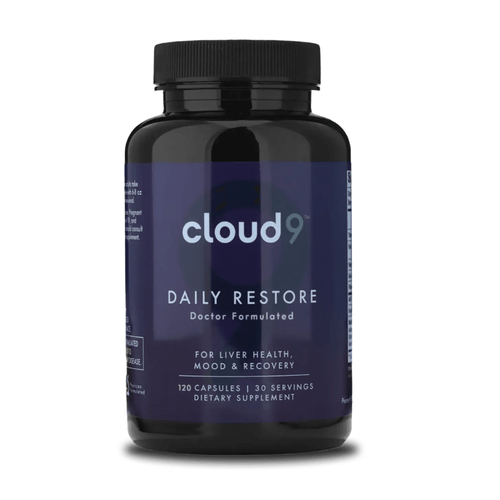
Cloud9 Daily Restore combines NAC, DHM, milk thistle, B vitamins, and ashwagandha to help support the pathways alcohol can tax most. Two capsules daily, drinking or not.
NAC | DHM | Milk Thistle | B Vitamins | Ashwagandha
See How Daily Restore WorksPreparing for the Conversation
Choose Your Timing Carefully
Never initiate this conversation when the person has been drinking or is hungover. Both states compromise their ability to engage thoughtfully and increase the likelihood of a defensive reaction. Similarly, avoid moments of high stress or conflict when emotions are already running hot.
Look for a time when you're both relatively calm and won't be interrupted. A quiet morning, a walk together, or a relaxed evening at home can provide the right atmosphere. The goal is to create conditions where genuine listening can happen on both sides.
Get Clear on Your Intentions
Before you say a word, examine your own motivations. Are you genuinely concerned about their wellbeing, or are you frustrated and looking to vent? Are you hoping to control their behavior, or offering support for change they might want?
Your intentions will come through in your tone and word choice, even if you don't explicitly state them. Take time to ground yourself in compassion and let go of the need to "win" the conversation or force a particular outcome.
Gather Specific Observations
Vague concerns like "you drink too much" rarely land well. Instead, prepare specific examples of behaviors you've witnessed and how they've affected you or others. Concrete observations are harder to dismiss and show you're paying attention to real patterns, not just making assumptions.
Focus on what you've directly observed rather than hearsay or speculation. This keeps the conversation grounded in reality rather than accusation.
What to Say (and What Not to Say)
Lead with "I" Statements
Frame your concerns in terms of your own observations and feelings rather than accusations about their character. "I've noticed you've been drinking earlier in the day lately, and I'm worried" feels very different from "You have a drinking problem."
This approach reduces defensiveness by making it clear you're sharing your perspective, not delivering a verdict. It also keeps the focus on the relationship between you rather than putting the other person on trial.
Avoid These Common Pitfalls
- Labeling them as an "alcoholic" or using other diagnostic language you're not qualified to assign
- Comparing their drinking to others or suggesting they should be able to control it like someone else does
- Bringing up every past mistake or using the conversation as an opportunity to air old grievances
- Issuing ultimatums unless you're genuinely prepared to follow through and understand the consequences
- Trying to convince them their perception of their drinking is wrong rather than listening to their experience
- Offering unsolicited advice or solutions before they've asked for help
What Effective Communication Looks Like
The most powerful conversations about drinking aren't about persuasion or intervention. They're about creating a safe space where someone feels seen, heard, and supported enough to be honest with themselves about what's really happening.
Effective communication in these situations balances honesty with compassion. You're not sugarcoating your concerns, but you're also not wielding them as weapons. You're offering information about what you've observed and inviting the other person to share their perspective.
This might sound like: "I care about you, and I've noticed some things that worry me. When we had dinner last week, you had several drinks quickly and seemed unlike yourself. I'm concerned about how alcohol might be affecting you, and I'd like to understand what's going on from your perspective."
Navigating the Conversation Itself
Listen More Than You Talk
Your impulse might be to fill silence with more concerns, evidence, or solutions. Resist it. After you've expressed your observations and concerns, give the other person space to respond without interruption.
Listen for what's beneath their words. Defensiveness often masks fear, shame, or pain. Minimization might reflect genuine confusion about whether their drinking is problematic. Anger could signal they've been worried about this too but weren't ready to face it.
Expect and Accept Resistance
Most people don't respond to concerns about their drinking with immediate gratitude and a commitment to change. Defensiveness, denial, or anger are normal first responses, especially if this is the first time someone has named the issue out loud.
Resistance doesn't mean you've failed or that the conversation was pointless. Research suggests that people often need to hear concerns multiple times before they're ready to act. You're planting seeds that may take time to grow.
Know When to Step Back
If the conversation becomes heated, circular, or unproductive, it's okay to pause. "I can see this is hard to talk about right now. I'm going to give you some space to think about what I've shared. I'm here whenever you're ready to talk more" preserves the relationship while maintaining your boundary.
Stepping back doesn't mean giving up. It means recognizing that pushing harder in the moment won't help and might actually harm your ability to be a supportive presence going forward.
Supporting Change Without Enabling
The Difference Between Support and Enabling
| Supportive Behaviors | Enabling Behaviors |
|---|---|
| Offering to help find resources or treatment options | Making excuses for their drinking to others |
| Setting clear boundaries about what you will and won't tolerate | Covering up consequences of their drinking (calling in sick for them, paying their bills) |
| Being available to talk when they're sober | Drinking with them to "keep an eye on them" or avoid conflict |
| Expressing confidence in their ability to change | Taking over their responsibilities so they don't face natural consequences |
| Celebrating their progress, however small | Ignoring the problem to keep the peace |
Offer Specific, Concrete Help
If the person expresses openness to changing their relationship with alcohol, be ready with specific offers of support. "I'm here if you need me" is kind but vague. "I'll help you research treatment options" or "I'll go to a support meeting with you" gives them something tangible to hold onto.
You might offer to be an accountability partner, join them in alcohol-free activities, or simply check in regularly. The key is matching your support to what they actually need and want, not what you think they should do.
Take Care of Your Own Wellbeing
Supporting someone with drinking concerns can be emotionally exhausting, especially if change doesn't happen quickly or at all. You're not responsible for fixing them, and you can't want sobriety for them more than they want it for themselves.
Consider joining a support group for friends and family members of people who struggle with alcohol. Set boundaries that protect your own mental health. Remember that you can love someone deeply and still need to step back if their behavior is harming you.
When Professional Help Is Needed
Signs the Situation Requires More Than a Conversation
- Physical symptoms of alcohol dependence like shaking, sweating, or nausea when not drinking
- Repeated failed attempts to cut back or quit drinking independently
- Dangerous behaviors while drinking like driving under the influence or becoming aggressive
- Neglecting major responsibilities at work, home, or in relationships due to drinking
- Continuing to drink despite serious negative consequences to health, relationships, or livelihood
- Expressing thoughts of self-harm or exhibiting signs of severe depression or anxiety
How to Suggest Professional Support
Frame professional help as a resource, not a punishment or admission of failure. "I think talking to someone who specializes in this could give you tools and support that I can't provide" normalizes seeking help rather than stigmatizing it.
Offer to help with practical barriers like researching options, making calls, or arranging transportation to appointments. Sometimes the difference between intention and action is simply having someone help navigate the logistics.
Resources to Have Ready
Before your conversation, familiarize yourself with local and national resources you can share if the person seems open. This might include therapists who specialize in substance use, support groups, online programs, or medical professionals who can assess for alcohol use disorder.
Having this information ready shows you're serious about supporting change and have thought beyond just expressing concern. It also provides a clear next step if the person is ready to take one.
How Daily Restore Supports Your Health
Understanding what your body needs is one thing. Getting consistent daily support is another. Daily Restore was designed to address the key pathways alcohol can stress most, in one simple daily formula.
NAC (N-Acetyl Cysteine)
Supports glutathione production and antioxidant defenses
DHM (Dihydromyricetin)
Supports alcohol metabolism
Milk Thistle (Silymarin)
Supports healthy liver function
B Vitamins
Help replenish nutrients involved in energy and metabolism
Ashwagandha
Supports stress resilience and healthy cortisol balance
Daily Restore is not a detox or a cure. It is a daily support formula designed for people who drink socially and want to give their body consistent, evidence-informed support.
Frequently Asked Questions
What if my friend or family member gets defensive when I bring up their drinking?
Defensiveness is a common initial reaction, and it doesn't mean the conversation was unsuccessful. Give them space and time to process what you've shared, and let them know you're available when they're ready to talk. Sometimes the most important seeds are planted in conversations that feel uncomfortable in the moment.
How do I know if someone's drinking is actually a problem or just normal social drinking?
Look for patterns rather than isolated incidents: drinking that affects responsibilities, relationships, or health, increased tolerance, drinking alone frequently, or using alcohol to cope with stress or emotions. If their drinking concerns you enough to consider having a conversation, that concern itself is often worth addressing, even if you're not certain about the severity.
Should I stop drinking around someone who's trying to cut back or quit?
The best approach is to ask them directly what would be most helpful. Some people appreciate when others abstain in solidarity, while others don't want to feel like they're imposing restrictions on those around them. Your willingness to adjust your behavior shows support, but let them guide what that looks like in practice.
What's the difference between supporting someone and enabling their drinking?
Support involves setting healthy boundaries, encouraging positive change, and holding someone accountable with compassion. Enabling includes making excuses for their behavior, covering up consequences, or doing things that make it easier for them to continue problematic drinking patterns. True support sometimes means allowing natural consequences to occur while remaining emotionally present.
How long should I wait before bringing up the topic again if the first conversation doesn't go well?
There's no perfect timeline, but giving at least a few weeks allows emotions to settle and shows respect for their autonomy. Continue to be present and observant during this time, and if you notice their drinking worsening or new concerning behaviors, that may warrant a sooner follow-up. Patience combined with consistent, caring presence can be more effective than repeated urgent conversations.
The Bottom Line
Talking to friends and family about drinking is rarely easy, but approaching these conversations with empathy, preparation, and respect can make a meaningful difference. The goal isn't to force change or win an argument, it's to open a door and let someone know you care about their wellbeing. Even conversations that feel difficult in the moment can plant important seeds for future reflection and action.
Remember that change happens at different paces for different people. Your role is to offer support, not to control outcomes. By focusing on specific observations rather than judgments, listening more than lecturing, and maintaining your relationship regardless of immediate results, you create space for honest dialogue and genuine connection.
For those looking to support their own journey with alcohol or help someone who's working to moderate their intake, establishing consistent daily habits can make a significant difference. Cloud9's Daily Restore provides a foundation of targeted nutrients that support overall wellness, helping to replenish what alcohol can deplete and maintain balance as part of a healthier lifestyle approach.
Whether you're having the conversation or you're the person being approached with concern, know that awareness and willingness to engage are powerful first steps. With patience, compassion, and the right support systems in place, positive change is always possible.
Build Your Daily Support Routine
Build Your Daily Support Routine
If drinking is part of your lifestyle, your support routine should not be random. Daily Restore was designed to help social drinkers support liver health, antioxidant defenses, alcohol metabolism, nutrient replenishment, and daily recovery in one simple routine.
NAC
DHM
Milk Thistle
B Vitamins
Ashwagandha