

You enjoy a few drinks each week, but lately you've been wondering what it's actually doing to your liver. Not in a panic-stricken way, just that quiet awareness that your body deserves better than guesswork when it comes to something this important.
Your liver processes everything you consume, and when alcohol enters the picture regularly, even in moderate amounts, it creates extra work for this vital organ. The good news is that your liver has remarkable regenerative abilities, and the right weekly habits can support its natural recovery processes while still allowing you to enjoy social drinking.
This isn't about perfection or elimination. It's about building sustainable practices that give your liver the support it needs to function optimally for decades to come.
Quick Take
- Your liver can regenerate damaged tissue when given proper rest periods between drinking sessions
- Consecutive alcohol-free days each week may be more beneficial than spreading drinks evenly across all seven days
- Hydration, nutrition timing, and sleep quality directly impact how efficiently your liver processes alcohol
- Certain foods and supplements can support liver enzyme function and reduce oxidative stress from alcohol metabolism
- Regular monitoring of liver health markers helps you adjust habits before minor stress becomes lasting damage
How Your Liver Actually Processes Alcohol
When you drink alcohol, your liver immediately goes to work breaking it down through a two-step enzymatic process. First, alcohol dehydrogenase converts ethanol into acetaldehyde, a toxic compound that causes many hangover symptoms. Then, aldehyde dehydrogenase transforms acetaldehyde into acetate, which your body can eliminate safely.
This process creates oxidative stress and inflammation in liver cells, particularly when it happens frequently. Research suggests that your liver metabolizes roughly one standard drink per hour, though this varies based on genetics, body composition, and overall health. During this time, your liver prioritizes alcohol metabolism over its other 500+ vital functions, including blood sugar regulation and toxin filtering.
The key to long-term liver health isn't just about how much you drink, but how you pattern your drinking throughout the week and what support you provide during recovery periods. Your liver cells can repair and regenerate, but they need adequate time and resources to do so effectively.
Daily Support for Social Drinkers
Your liver works hard every day. Give it consistent support.
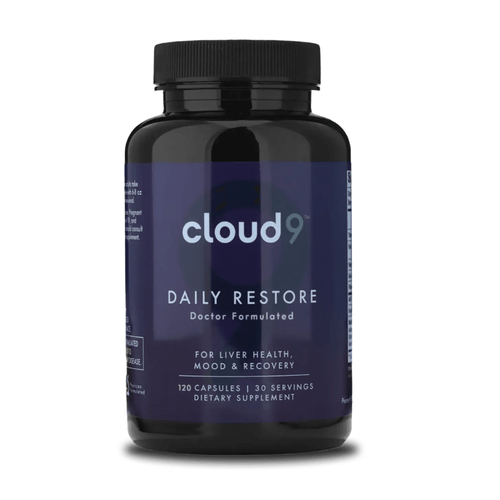
Cloud9 Daily Restore combines NAC, DHM, milk thistle, B vitamins, and ashwagandha to help support the pathways alcohol can tax most. Two capsules daily, drinking or not.
NAC | DHM | Milk Thistle | B Vitamins | Ashwagandha
See How Daily Restore WorksThe Weekly Drinking Pattern That Supports Liver Recovery
Not all drinking patterns affect your liver equally, even when total weekly consumption stays the same. Studies show that clustering your drinks on fewer days with intentional alcohol-free periods may support better liver health than spreading the same amount across every day of the week.
The Concept of Liver Rest Days
Your liver begins recovering within hours after your last drink, but meaningful cellular repair typically requires 48 to 72 hours of alcohol-free time. During this window, liver cells can reduce inflammation, clear accumulated fat, and restore normal metabolic function.
Consider these evidence-based patterns for weekly alcohol consumption:
- Aim for at least three consecutive alcohol-free days each week to allow complete enzyme recovery
- Avoid daily drinking, even in small amounts, which provides no recovery window
- Space drinking occasions at least 48 hours apart when possible
- Front-load your alcohol-free days early in the week rather than "saving up" for weekend binges
- Track your patterns monthly to identify creeping habits before they become routine
Understanding Your Personal Limits
General guidelines suggest that moderate drinking means up to one drink per day for women and up to two for men, but liver health depends on total weekly intake and distribution pattern. Research indicates that exceeding 14 drinks per week for men or 7 for women significantly increases liver stress markers.
Your individual threshold may be lower based on genetics, medications, existing health conditions, or body size. Pay attention to subtle signs like persistent fatigue, digestive changes, or poor sleep quality, which can indicate your liver is working harder than it should.

Daily Habits That Protect Your Liver Between Drinks
What you do on non-drinking days matters just as much as your drinking patterns. Your liver needs specific nutrients, adequate hydration, and quality sleep to repair cellular damage and maintain optimal function.
Hydration Strategies for Liver Function
Your liver relies on proper hydration to flush toxins, produce bile, and maintain blood volume for filtering. Chronic dehydration forces your liver to work harder and may slow the elimination of alcohol metabolites.
- Drink at least half your body weight in ounces of water daily (a 150-pound person needs 75 ounces minimum)
- Start each morning with 16 ounces of water before coffee to support overnight detoxification
- Add electrolytes on alcohol-free days following drinking to restore mineral balance
- Limit caffeine to before 2 PM, as it can interfere with the deep sleep your liver needs for repair
- Monitor urine color: pale yellow indicates adequate hydration for liver support
Nutrition Timing and Liver-Supportive Foods
Certain foods provide compounds that support liver enzyme function and reduce inflammation from alcohol metabolism. Research suggests that antioxidant-rich foods may help protect liver cells from oxidative damage.
Focus on incorporating these liver-supportive food categories throughout your week:
| Food Category | Key Benefits | Best Sources |
|---|---|---|
| Cruciferous Vegetables | Support detoxification enzymes | Broccoli, cauliflower, Brussels sprouts, kale |
| Healthy Fats | Reduce inflammation and support cell repair | Wild salmon, avocados, olive oil, walnuts |
| Sulfur-Rich Foods | Aid glutathione production for detox | Garlic, onions, eggs, lean proteins |
| Antioxidant Fruits | Protect against oxidative stress | Berries, citrus fruits, pomegranates |
| Bitter Greens | Stimulate bile production and flow | Dandelion greens, arugula, endive |
The Sleep-Liver Connection
Your liver performs critical repair and detoxification work during deep sleep stages, particularly between 1 AM and 3 AM according to traditional medicine perspectives supported by circadian rhythm research. Poor sleep quality or insufficient duration can impair these recovery processes.
Alcohol disrupts sleep architecture even on drinking days, so prioritizing sleep on alcohol-free days becomes even more important. Aim for seven to nine hours of quality sleep, maintain consistent bed and wake times, and create a cool, dark sleeping environment to support your liver's overnight recovery work.
Supplements and Compounds That May Support Liver Health
While whole foods should form the foundation of liver support, certain supplements have research backing their potential to aid liver function in people who drink regularly. Always consult with a healthcare provider before starting any supplement regimen, especially if you take medications.
Evidence-Based Liver Support Supplements
Several compounds have shown promise in supporting liver enzyme function and reducing markers of liver stress. Research suggests these supplements may help protect liver cells from alcohol-related damage when used consistently.
- Milk Thistle (Silymarin): May support liver cell regeneration and reduce inflammation, with studies showing benefits at 140-280mg of silymarin daily
- N-Acetyl Cysteine (NAC): Supports glutathione production, your liver's master antioxidant, particularly helpful when taken before or after drinking
- B-Complex Vitamins: Alcohol depletes B vitamins essential for liver enzyme function, especially thiamine, B6, and folate
- Vitamin E: May reduce oxidative stress in liver cells, though high doses require medical supervision
- Zinc: Often depleted by regular alcohol consumption and necessary for proper liver enzyme function
The most effective supplement routine is one you can maintain consistently. Rather than taking everything at once, consider cycling liver-support supplements in alignment with your drinking patterns, emphasizing them during weeks when you know you'll be drinking more socially.
Timing Your Supplement Intake
When you take supplements can affect their effectiveness for liver support. Some compounds work best as preventive measures, while others offer more benefit during active alcohol metabolism or recovery periods.
Consider this general timing framework:
- Take B-complex vitamins and zinc with breakfast on alcohol-free days to rebuild depleted stores
- Use NAC 30 minutes before drinking or immediately after to support glutathione levels during metabolism
- Take milk thistle consistently on both drinking and non-drinking days for cumulative benefits
- Consider vitamin E with a fat-containing meal for better absorption
- Space supplements at least two hours apart from medications to avoid interactions
Monitoring Your Liver Health Over Time
The best habit for long-term liver health is regular monitoring through both subjective awareness and objective testing. Many people don't experience obvious liver symptoms until significant damage has occurred, making proactive assessment essential.
Physical Signs to Watch For
Your body often provides subtle signals when your liver is under stress, though these symptoms can be easy to dismiss or attribute to other causes. Pay attention to changes that persist beyond typical hangover recovery.
- Persistent fatigue that doesn't improve with adequate sleep
- Digestive issues including bloating, nausea, or loss of appetite
- Changes in skin appearance such as yellowing, itching, or easy bruising
- Dark urine or pale stools that last more than a day or two
- Discomfort or fullness in the upper right abdomen
- Increased sensitivity to alcohol with smaller amounts causing stronger effects
Lab Tests Worth Getting Annually
Regular blood work provides objective data about liver function before symptoms develop. Research suggests that catching elevated liver enzymes early allows for intervention through lifestyle changes alone, potentially preventing progression to more serious conditions.
Request these liver-specific tests during your annual physical:
| Test | What It Measures | Why It Matters |
|---|---|---|
| ALT (Alanine Aminotransferase) | Liver enzyme levels in blood | Elevated levels indicate liver cell damage |
| AST (Aspartate Aminotransferase) | Another liver enzyme marker | AST/ALT ratio helps identify alcohol-related damage |
| GGT (Gamma-glutamyl Transferase) | Enzyme sensitive to alcohol | Often first to elevate with regular drinking |
| Bilirubin | Waste product from red blood cells | Elevated when liver can't process efficiently |
| Albumin | Protein produced by liver | Low levels suggest decreased liver function |
Creating Your Personal Baseline
Getting liver function tests when you're feeling well establishes your personal baseline for comparison. Individual enzyme levels vary based on genetics, muscle mass, and other factors, so knowing your normal range helps identify concerning changes earlier.
Consider scheduling liver panels every six months if you drink regularly, or three months after making significant changes to your alcohol habits. This allows you to see whether your weekly patterns are supporting or stressing your liver based on objective data rather than assumptions.
How Daily Restore Supports Your Health
Understanding what your body needs is one thing. Getting consistent daily support is another. Daily Restore was designed to address the key pathways alcohol can stress most, in one simple daily formula.
NAC (N-Acetyl Cysteine)
Supports glutathione production and antioxidant defenses
DHM (Dihydromyricetin)
Supports alcohol metabolism
Milk Thistle (Silymarin)
Supports healthy liver function
B Vitamins
Help replenish nutrients involved in energy and metabolism
Ashwagandha
Supports stress resilience and healthy cortisol balance
Daily Restore is not a detox or a cure. It is a daily support formula designed for people who drink socially and want to give their body consistent, evidence-informed support.
Frequently Asked Questions
How long does it take for the liver to recover from regular drinking?
The timeline varies depending on the extent of alcohol consumption and individual factors. Research suggests that fatty liver changes can begin to reverse within a few weeks of abstinence or reduced drinking, while more significant recovery may take several months of consistent healthy habits.
Can you reverse liver damage from alcohol?
Early-stage liver damage, such as fatty liver, is often reversible with lifestyle changes including reduced alcohol intake, improved nutrition, and regular exercise. However, more advanced conditions like cirrhosis involve permanent scarring, though progression can be slowed or stopped with proper intervention and complete abstinence.
What are the best foods for liver health?
Foods rich in antioxidants and anti-inflammatory compounds can support liver function, including leafy greens, cruciferous vegetables like broccoli and Brussels sprouts, berries, fatty fish, nuts, and green tea. Staying hydrated and maintaining a balanced diet with adequate protein and healthy fats also helps your liver perform its essential detoxification functions.
How much alcohol is safe for liver health?
Current guidelines suggest no more than one standard drink per day for women and two for men, though lower amounts may be better for optimal liver health. Building in regular alcohol-free days throughout the week gives your liver crucial recovery time and can significantly reduce long-term health risks.
What supplements support liver health?
Research suggests that certain compounds may support liver function, including milk thistle, N-acetyl cysteine (NAC), B vitamins, and antioxidants like vitamin E and selenium. DHM (dihydromyricetin) has also shown promise in supporting alcohol metabolism and reducing oxidative stress, though supplements work best as part of an overall healthy lifestyle rather than as a replacement for moderation.
The Bottom Line
Your liver is remarkably resilient, but it needs consistent support to function optimally, especially if you enjoy regular drinks. The habits that matter most are straightforward: moderate your alcohol intake, stay hydrated, eat nutrient-dense foods, move your body regularly, and give your liver regular breaks from processing alcohol.
Small, sustainable changes often make the biggest difference over time. You don't need to overhaul your entire lifestyle overnight. Start with one or two habits, like adding alcohol-free days to your week or prioritizing hydration, and build from there. Your liver will thank you with better energy, clearer thinking, and improved overall wellness.
Cloud9's Daily Restore can be part of your daily support routine, providing targeted nutrients like DHM, NAC, and B vitamins that help your body process alcohol more efficiently and support natural recovery pathways. Think of it as one tool in your wellness toolkit, working alongside hydration, nutrition, and mindful drinking habits.
The goal isn't perfection. It's building a sustainable relationship with alcohol that lets you enjoy life's moments while protecting your long-term health. With the right weekly habits and consistent support, you can maintain a healthy liver for years to come.
Build Your Daily Support Routine
Build Your Daily Support Routine
If drinking is part of your lifestyle, your support routine should not be random. Daily Restore was designed to help social drinkers support liver health, antioxidant defenses, alcohol metabolism, nutrient replenishment, and daily recovery in one simple routine.
NAC
DHM
Milk Thistle
B Vitamins
Ashwagandha