

Your liver works overtime every time you have a drink. While you're relaxing with friends or unwinding after a long day, this vital organ is processing toxins, breaking down alcohol, and trying to protect itself from damage. The question isn't whether alcohol affects your liver, it's how well your body can defend against that impact.
Enter glutathione, your liver's most powerful antioxidant and detoxification tool. This naturally occurring molecule plays a crucial role in neutralizing the harmful byproducts that alcohol creates as it moves through your system. Understanding this relationship can help you make informed choices about drinking and liver protection.
Whether you enjoy occasional drinks or are concerned about past alcohol use, learning how glutathione supports liver health offers practical insights into protecting one of your body's hardest-working organs.
Quick Take
- Glutathione is your liver's primary defense against alcohol-induced oxidative stress and toxic byproducts
- Alcohol depletes glutathione stores, leaving your liver vulnerable to damage and inflammation
- Chronic drinking can create a dangerous cycle where your liver can't produce enough glutathione to protect itself
- Supporting glutathione levels through nutrition and targeted supplementation may help protect liver function
- Combining glutathione support with moderate alcohol consumption offers a more comprehensive approach to liver health
How Alcohol Actually Damages Your Liver
When you drink alcohol, your liver immediately begins breaking it down through a two-step process. First, an enzyme called alcohol dehydrogenase converts alcohol into acetaldehyde, a toxic compound that's actually more harmful than alcohol itself. Then another enzyme transforms acetaldehyde into acetate, which your body can safely eliminate.
Here's where the problem starts: acetaldehyde doesn't just pass through quietly. Research shows this toxic intermediate triggers oxidative stress, generating harmful free radicals that attack liver cells. These free radicals damage cell membranes, proteins, and DNA, setting the stage for inflammation and eventual liver disease.
Your liver can handle occasional drinking because it has built-in defense mechanisms. But frequent or heavy alcohol consumption overwhelms these protections, leading to fat accumulation, inflammation, and progressive damage that can advance from fatty liver to cirrhosis over time.
Daily Support for Social Drinkers
Your liver works hard every day. Give it consistent support.
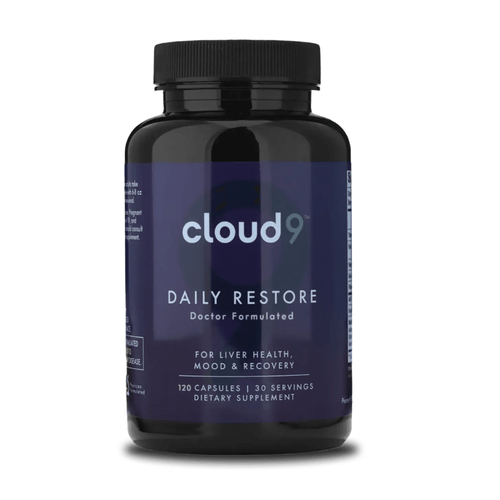
Cloud9 Daily Restore combines NAC, DHM, milk thistle, B vitamins, and ashwagandha to help support the pathways alcohol can tax most. Two capsules daily, drinking or not.
NAC | DHM | Milk Thistle | B Vitamins | Ashwagandha
See How Daily Restore WorksGlutathione: Your Liver's Master Protector
What Makes Glutathione Essential
Glutathione is a tripeptide molecule made from three amino acids: glutamine, cysteine, and glycine. Your liver produces it naturally, and it exists in nearly every cell of your body. Scientists often call it the "master antioxidant" because it neutralizes free radicals and supports the recycling of other antioxidants like vitamins C and E.
What sets glutathione apart is its unique role in detoxification. While other antioxidants fight oxidative stress, glutathione actually binds to toxins and transforms them into compounds your body can eliminate. This process, called conjugation, is essential for processing everything from environmental pollutants to medications to alcohol metabolites.
How Glutathione Protects Against Alcohol
When alcohol enters your system, glutathione works on multiple fronts to protect your liver. It directly neutralizes acetaldehyde by binding to it and marking it for elimination. This prevents the toxic compound from causing cellular damage and reduces inflammation throughout the liver.
Glutathione also combats oxidative stress by neutralizing the free radicals generated during alcohol metabolism. Studies suggest that adequate glutathione levels can significantly reduce the oxidative damage that leads to liver cell death and scarring. Additionally, glutathione supports the enzymes responsible for breaking down alcohol, helping your liver process drinks more efficiently.
The Depletion Problem
Here's the catch: alcohol consumption rapidly depletes your glutathione stores. Each drink you process uses up glutathione as it neutralizes acetaldehyde and fights oxidative stress. Heavy drinking sessions can exhaust your liver's glutathione reserves within hours, leaving your liver vulnerable to damage.
Chronic alcohol use creates an even more concerning pattern. Regular drinking not only depletes glutathione faster than your body can replenish it, but it also impairs your liver's ability to produce new glutathione. This creates a downward spiral where your liver becomes increasingly defenseless against the very damage alcohol causes.
The relationship between alcohol and glutathione is like a bank account that's being drained faster than deposits can be made. Over time, this deficit compounds, leaving your liver with fewer resources to protect itself when you need them most.
Supporting Your Glutathione Levels
Nutritional Strategies
Your body needs specific nutrients to produce glutathione effectively. Supporting these building blocks through diet can help maintain healthier glutathione levels, especially if you drink alcohol regularly. The key is providing your liver with the raw materials it needs for glutathione synthesis.
Foods rich in sulfur-containing compounds are particularly valuable because they provide cysteine, the rate-limiting amino acid in glutathione production. Research suggests that diets high in these nutrients can support better glutathione status and improved liver function over time.
- Cruciferous vegetables like broccoli, cauliflower, Brussels sprouts, and kale
- Allium vegetables including garlic, onions, and shallots
- High-quality proteins such as grass-fed meat, eggs, and fish
- Whey protein, which is particularly rich in cysteine
- Selenium-rich foods like Brazil nuts, which support glutathione-related enzymes
Direct Glutathione Supplementation
Taking oral glutathione supplements presents a unique challenge: the molecule breaks down quickly in your digestive system, making absorption difficult. Traditional glutathione tablets often provide limited benefits because most of the compound never reaches your bloodstream intact.
However, advances in supplement technology have created more effective delivery methods. Liposomal glutathione encapsulates the molecule in tiny fat bubbles that protect it during digestion and improve absorption. Studies indicate that liposomal forms can significantly increase blood glutathione levels compared to standard supplements.
Precursor and Support Nutrients
Another effective approach involves supplementing with glutathione precursors, compounds your body uses to manufacture glutathione naturally. N-acetylcysteine (NAC) is the most studied precursor and is actually used in emergency rooms to treat acetaminophen overdose because it rapidly boosts glutathione production.
| Supplement | How It Works | Typical Dosage |
|---|---|---|
| N-Acetylcysteine (NAC) | Provides cysteine for glutathione production | 600-1800mg daily |
| Liposomal Glutathione | Direct glutathione with enhanced absorption | 250-500mg daily |
| Vitamin C | Helps recycle used glutathione | 500-1000mg daily |
| Selenium | Cofactor for glutathione peroxidase enzyme | 200mcg daily |
| Alpha-Lipoic Acid | Regenerates glutathione and other antioxidants | 300-600mg daily |
Practical Strategies for Liver Protection
Timing Your Support
When you choose to support glutathione levels matters, especially around drinking occasions. Taking NAC or other precursors before and after alcohol consumption may help maintain glutathione stores during the critical detoxification period. Some research suggests that pre-treating with NAC can reduce alcohol-related oxidative stress and support healthier liver enzyme levels.
For regular drinkers, consistent daily supplementation appears more effective than sporadic use. Building and maintaining glutathione reserves provides ongoing protection rather than trying to play catch-up after damage has occurred.
Combining Approaches for Better Results
The most effective liver protection strategy combines multiple approaches rather than relying on a single intervention. Supporting glutathione works best alongside other evidence-based practices that reduce alcohol's impact on your liver.
- Stay well-hydrated before, during, and after drinking to support detoxification pathways
- Never drink on an empty stomach, as food slows alcohol absorption and reduces peak blood alcohol levels
- Space drinks over time rather than consuming multiple drinks quickly
- Include liver-supporting foods like leafy greens, berries, and fatty fish in your regular diet
- Prioritize sleep, as your liver performs critical repair and detoxification work overnight
- Consider periodic breaks from alcohol to allow complete glutathione restoration
Recognizing When Professional Help Is Needed
While glutathione support can help protect your liver, it's not a license to drink without limits or a cure for alcohol-related liver disease. If you're experiencing symptoms like persistent fatigue, abdominal pain, yellowing skin, or swelling in your legs, these could indicate significant liver damage that requires medical attention.
Similarly, if you find it difficult to moderate your drinking or experience withdrawal symptoms when you try to cut back, these are signs of alcohol dependence that need professional treatment. Glutathione supplementation is a supportive tool for liver health, not a substitute for addressing problematic drinking patterns or existing liver disease.
Understanding Your Limits
What Research Says About Safe Drinking
Current guidelines suggest that moderate drinking means up to one drink per day for women and up to two drinks per day for men. Research indicates that staying within these limits significantly reduces the risk of alcohol-related liver disease compared to heavier consumption patterns.
However, individual tolerance varies based on genetics, body size, overall health, and other factors. Some people's livers are naturally better at producing glutathione and processing alcohol, while others are more vulnerable to damage even with moderate intake. Your family history of liver disease or alcoholism may indicate you should be more conservative with alcohol consumption.
The Reality of "Protective" Measures
It's important to maintain realistic expectations about glutathione supplementation and liver protection. While supporting glutathione levels can help reduce alcohol-related oxidative stress, it doesn't eliminate all risk or give you permission to drink excessively. Think of it as wearing a seatbelt: it improves your safety, but it doesn't make reckless driving safe.
The most reliable way to protect your liver remains moderating alcohol intake or abstaining entirely. Glutathione support, proper nutrition, and healthy lifestyle habits work best as complementary strategies alongside responsible drinking, not as compensations for overindulgence.
How Daily Restore Supports Your Health
Understanding what your body needs is one thing. Getting consistent daily support is another. Daily Restore was designed to address the key pathways alcohol can stress most, in one simple daily formula.
NAC (N-Acetyl Cysteine)
Supports glutathione production and antioxidant defenses
DHM (Dihydromyricetin)
Supports alcohol metabolism
Milk Thistle (Silymarin)
Supports healthy liver function
B Vitamins
Help replenish nutrients involved in energy and metabolism
Ashwagandha
Supports stress resilience and healthy cortisol balance
Daily Restore is not a detox or a cure. It is a daily support formula designed for people who drink socially and want to give their body consistent, evidence-informed support.
Frequently Asked Questions
Does glutathione completely prevent alcohol-related liver damage?
No supplement can completely prevent damage from excessive alcohol consumption. Glutathione supports your liver's natural detoxification processes and may help protect against oxidative stress, but it works best as part of a comprehensive approach that includes moderation and healthy lifestyle habits.
How long does it take for glutathione to support liver recovery?
The timeline varies depending on individual factors and the extent of liver stress. Some people notice improvements in energy and overall wellness within a few weeks of consistent supplementation, while more significant liver support may take several months. Consistency is key for maintaining healthy glutathione levels over time.
Can I take glutathione if I drink alcohol regularly?
Glutathione supplementation can help support your liver's natural defenses if you consume alcohol in moderation. However, it's not a free pass to drink excessively. Research suggests that maintaining adequate glutathione levels is particularly important for those who drink regularly, but reducing alcohol intake remains the most effective way to protect liver health.
What's the difference between regular glutathione and liposomal glutathione?
Traditional oral glutathione can be broken down in the digestive system before it reaches your cells. Liposomal glutathione uses a protective lipid layer that helps shield the molecule during digestion, potentially improving absorption and delivery to where your body needs it most. This enhanced bioavailability may make liposomal forms more effective for supporting liver health.
Are there any side effects of glutathione supplementation?
Glutathione is generally well-tolerated, as it's a substance your body naturally produces. Some people may experience mild digestive discomfort when first starting supplementation, but this typically resolves with continued use. As with any supplement, it's wise to consult with a healthcare provider if you have existing health conditions or take medications.
The Bottom Line
Your liver works tirelessly to process alcohol and protect your body from its toxic byproducts. Glutathione stands as one of your liver's most important allies in this process, neutralizing harmful compounds and supporting the detoxification pathways that keep you healthy. When alcohol depletes your natural glutathione stores, supplementation can help fill that gap and provide the antioxidant support your liver needs to function optimally.
The most effective approach to liver health combines moderation in alcohol consumption with proactive nutritional support. While no supplement can undo the effects of excessive drinking, maintaining healthy glutathione levels through consistent daily supplementation may help protect your liver from oxidative stress and support its remarkable ability to repair and regenerate.
Cloud9's Daily Restore delivers 500mg of liposomal glutathione along with complementary nutrients like vitamin C and alpha-lipoic acid that work synergistically to support your body's antioxidant defenses. By making it part of your daily routine, you're giving your liver consistent support rather than waiting until you need recovery. This proactive approach aligns with how your body actually works, maintaining the resources your liver needs to handle whatever comes its way.
Whether you enjoy an occasional drink or you're looking to support your liver's overall health, prioritizing glutathione can be a meaningful step toward long-term wellness. Combined with a balanced diet, regular exercise, and mindful choices about alcohol consumption, glutathione supplementation offers a practical way to invest in one of your body's most vital organs.
Build Your Daily Support Routine
Build Your Daily Support Routine
If drinking is part of your lifestyle, your support routine should not be random. Daily Restore was designed to help social drinkers support liver health, antioxidant defenses, alcohol metabolism, nutrient replenishment, and daily recovery in one simple routine.
NAC
DHM
Milk Thistle
B Vitamins
Ashwagandha