
You wake up knowing something feels off. Your thoughts move slower than usual, focus slips away the moment you try to grab it, and that mental sharpness you rely on feels buried under fog. Whether it was one drink or several the night before, alcohol's impact on your brain doesn't always announce itself with a pounding headache.
The good news: your brain has remarkable recovery abilities when you give it the right support. While alcohol temporarily disrupts neurotransmitter balance, sleep architecture, and cellular hydration, specific morning habits can help accelerate your return to clarity and mental performance.
This guide walks you through the science of alcohol's effects on cognition and the targeted morning strategies that can help restore your mental edge faster.
Quick Take
- Alcohol disrupts neurotransmitter balance, dehydrates brain cells, and fragments sleep cycles, leading to brain fog and reduced focus
- Strategic hydration with electrolytes in the morning helps restore cellular function and neurotransmitter communication
- Specific nutrients including B vitamins, omega-3s, and antioxidants can support brain recovery and reduce inflammation
- Light physical activity increases cerebral blood flow and accelerates the clearance of metabolic byproducts
- The first 2-4 hours after waking are critical for implementing recovery strategies that maximize cognitive restoration
How Alcohol Actually Affects Your Brain Chemistry
When alcohol enters your system, it doesn't just make you feel relaxed or uninhibited. It fundamentally alters your brain's chemical messaging system. Alcohol enhances GABA (an inhibitory neurotransmitter) while suppressing glutamate (an excitatory one), creating that familiar sedative effect. But your brain doesn't accept this imbalance passively.
As your body metabolizes alcohol overnight, your brain attempts to rebalance by reducing GABA sensitivity and increasing glutamate activity. This rebound effect is why you might feel anxious, overstimulated, or mentally scattered the next morning, even after the alcohol has left your system. Research suggests this neurochemical whiplash can persist for 24-48 hours depending on intake levels.
Meanwhile, alcohol acts as a diuretic, pulling water from brain cells and disrupting the delicate ionic balance necessary for neural signaling. Dehydrated neurons simply don't fire as efficiently, contributing to that mental sluggishness and difficulty concentrating that can linger well into the next day.
Daily Support for Social Drinkers
Your liver works hard every day. Give it consistent support.
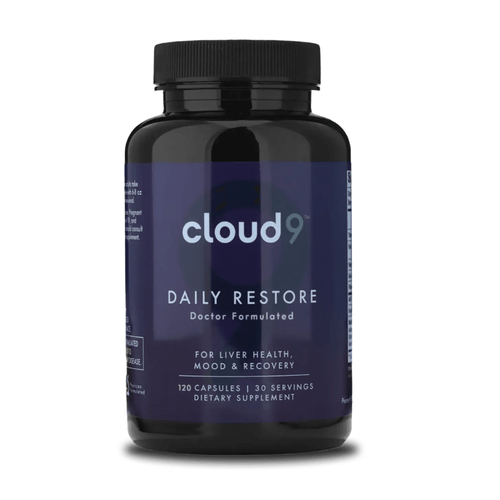
Cloud9 Daily Restore combines NAC, DHM, milk thistle, B vitamins, and ashwagandha to help support the pathways alcohol can tax most. Two capsules daily, drinking or not.
NAC | DHM | Milk Thistle | B Vitamins | Ashwagandha
See How Daily Restore WorksThe First Hour: Hydration Strategies That Actually Work
Your first priority after waking isn't coffee. It's addressing the cellular dehydration that's compromising every brain function from memory formation to decision-making. Plain water helps, but strategic hydration goes further.
The Electrolyte Advantage
Water alone can't restore the sodium, potassium, and magnesium balance that alcohol disrupted. These electrolytes are essential for proper neural signaling and cellular hydration. Studies show that balanced electrolyte intake supports faster cognitive recovery than water alone.
Within 30 minutes of waking, aim for 16-20 ounces of water with a quality electrolyte blend. Look for options that include sodium (300-500mg), potassium (200-400mg), and magnesium (50-100mg). Skip high-sugar sports drinks that can trigger blood sugar crashes and worsen mental fog.
The Coconut Water Alternative
Natural coconut water provides a gentler electrolyte boost with added benefits. It contains potassium, magnesium, and small amounts of natural sugars that support liver function without spiking insulin. Some people find it easier on the stomach than electrolyte supplements first thing in the morning.
- Start with 8-12 ounces of coconut water mixed with equal parts regular water
- Add a small pinch of sea salt to boost sodium content
- Follow with plain water throughout the morning to maintain hydration
- Avoid sweetened or flavored versions that add unnecessary sugar
Nutritional Recovery: Foods That Support Brain Repair
Your brain needs specific building blocks to repair alcohol-induced damage and restore optimal function. The right morning nutrition can significantly impact how quickly you regain mental clarity.
The B-Vitamin Connection
Alcohol depletes B vitamins, particularly thiamine (B1), which is critical for energy production in brain cells. Research suggests that even moderate alcohol consumption can reduce B-vitamin stores for several days. Your morning meal should prioritize foods rich in these essential nutrients.
Eggs provide a complete package: B vitamins, choline (a precursor to the memory neurotransmitter acetylcholine), and high-quality protein that stabilizes blood sugar. Pair them with avocado for healthy fats that support neurotransmitter production and reduce inflammation.
Antioxidant Protection
Alcohol metabolism generates free radicals that damage brain cells and contribute to inflammation. Antioxidant-rich foods help neutralize these harmful compounds and protect neural tissue during recovery.
- Berries (especially blueberries) contain anthocyanins that cross the blood-brain barrier and reduce oxidative stress
- Leafy greens provide folate and vitamin K, both linked to better cognitive function and recovery
- Green tea offers L-theanine, which promotes calm focus while supporting antioxidant defenses
- Walnuts deliver omega-3 fatty acids that reduce neuroinflammation and support membrane repair
Strategic Meal Timing
When you eat matters as much as what you eat. A balanced breakfast within 90 minutes of waking helps stabilize blood sugar, which directly affects mental clarity and focus. Low blood sugar amplifies brain fog and makes concentration nearly impossible.
The combination of quality protein, healthy fats, and complex carbohydrates creates a steady energy release that supports sustained focus rather than the spike-and-crash cycle that worsens post-alcohol cognitive impairment.
Movement and Circulation: Getting Blood Flow to Your Brain
Physical activity might be the last thing you feel like doing, but gentle movement is one of the most effective tools for restoring mental clarity. It's not about intense exercise; it's about strategic circulation.
The 20-Minute Window
Research suggests that just 20 minutes of light to moderate activity can increase cerebral blood flow by up to 15%, delivering more oxygen and nutrients to recovering brain cells. This boost can improve processing speed, working memory, and overall cognitive function within hours.
The key is keeping intensity moderate. Vigorous exercise when you're dehydrated and recovering can actually increase stress hormones and worsen symptoms. Think brisk walking, easy cycling, or gentle yoga rather than high-intensity intervals.
Best Morning Movement Options
| Activity | Benefits | Best For |
|---|---|---|
| Brisk Walking | Increases blood flow without stress; natural light exposure helps regulate cortisol | Moderate symptoms; accessible to all fitness levels |
| Gentle Yoga | Combines movement with breath work; reduces anxiety and promotes parasympathetic recovery | Those feeling anxious or mentally scattered |
| Easy Swimming | Full-body circulation boost; hydrostatic pressure supports lymphatic drainage | Access to pool; helps with mild nausea |
| Tai Chi | Low-impact coordination work; mindfulness component reduces stress response | Improving focus and mind-body connection |
The Breath Work Bonus
Before or after gentle movement, spend 5-10 minutes on intentional breathing exercises. Controlled breathing activates the vagus nerve, shifting your nervous system from the stressed state that alcohol's rebound effects create to a more balanced, recovery-oriented mode.
Try box breathing: inhale for 4 counts, hold for 4, exhale for 4, hold for 4. Repeat for 5 minutes. Research suggests this simple practice can improve focus, reduce anxiety, and support parasympathetic nervous system activation that aids recovery.
Supplement Support: Strategic Options for Cognitive Recovery
While whole foods should form the foundation of your recovery strategy, certain supplements can provide targeted support for brain health and faster cognitive restoration.
Evidence-Backed Options
N-acetylcysteine (NAC) is a precursor to glutathione, your body's master antioxidant. Studies show it may help reduce oxidative stress and support liver detoxification processes. Taking 600-1200mg in the morning can support your body's natural clearance of alcohol metabolites.
Magnesium glycinate helps replenish stores depleted by alcohol's diuretic effects. This mineral is involved in over 300 enzymatic reactions, including those that produce neurotransmitters and regulate nerve signaling. A morning dose of 200-400mg can support both cognitive function and reduce feelings of anxiety or agitation.
The Omega-3 Factor
If you don't eat fatty fish regularly, a quality omega-3 supplement (EPA and DHA) can support brain recovery. These essential fats reduce neuroinflammation, support cell membrane integrity, and may help protect against alcohol-induced cognitive decline with regular use.
- Look for supplements providing at least 500mg combined EPA/DHA
- Take with your morning meal for better absorption
- Choose molecularly distilled or third-party tested options for purity
- Consider this a long-term brain health strategy, not just acute recovery
What to Skip
Not every popular supplement helps with alcohol recovery. Excessive caffeine can worsen dehydration and anxiety. High-dose vitamin C, while antioxidant-rich, doesn't show strong evidence for acute cognitive recovery. And "hangover pills" with proprietary blends often contain ineffective doses of multiple ingredients.
Focus on the fundamentals: electrolytes, B vitamins, and compounds that directly support detoxification and reduce inflammation rather than miracle cures that promise instant results.
How Daily Restore Supports Your Health
Understanding what your body needs is one thing. Getting consistent daily support is another. Daily Restore was designed to address the key pathways alcohol can stress most, in one simple daily formula.
NAC (N-Acetyl Cysteine)
Supports glutathione production and antioxidant defenses
DHM (Dihydromyricetin)
Supports alcohol metabolism
Milk Thistle (Silymarin)
Supports healthy liver function
B Vitamins
Help replenish nutrients involved in energy and metabolism
Ashwagandha
Supports stress resilience and healthy cortisol balance
Daily Restore is not a detox or a cure. It is a daily support formula designed for people who drink socially and want to give their body consistent, evidence-informed support.
Frequently Asked Questions
How long does it take for the brain to recover after drinking alcohol?
Recovery timelines vary based on factors like how much you drank and your overall health. Mild cognitive effects like brain fog often improve within 24 to 48 hours with proper hydration and rest. However, research suggests that more significant neurological recovery, including restored neurotransmitter balance and inflammation reduction, can take several days to weeks of consistent healthy habits.
Can supplements really help restore mental clarity after drinking?
Quality supplements can support your body's natural recovery processes when combined with healthy lifestyle habits. Ingredients like NAC, B vitamins, and electrolytes help replenish nutrients depleted by alcohol and support liver function and cellular repair. While supplements aren't a cure-all, they can be a valuable part of a comprehensive recovery routine that includes hydration, nutrition, and rest.
What's the best thing to eat in the morning after drinking?
Focus on foods that are gentle on your stomach while providing essential nutrients. Eggs are excellent because they contain cysteine, which supports liver detoxification, along with protein for sustained energy. Pair them with complex carbohydrates like whole grain toast or oatmeal, plus potassium-rich foods like bananas or avocado to help restore electrolyte balance.
Does exercise help clear brain fog after drinking?
Light to moderate exercise can help by increasing blood flow and oxygen delivery to the brain, which may support mental clarity. Activities like walking, gentle yoga, or stretching are generally safe and beneficial. However, avoid intense workouts when dehydrated or feeling unwell, as this can add stress to your already-taxed system and potentially worsen symptoms.
How can I prevent brain fog before it starts?
The most effective prevention strategy is to drink water between alcoholic beverages and eat a substantial meal before drinking. Taking a supplement like Daily Restore before bed can also help by providing your body with nutrients it needs for overnight recovery. Additionally, setting a drink limit and pacing yourself throughout the evening gives your liver more time to process alcohol efficiently.
The Bottom Line
Alcohol's impact on brain health is real, but the good news is that your morning routine can make a significant difference in how quickly you bounce back. By prioritizing hydration, nutrient-rich foods, gentle movement, and quality supplements, you're giving your brain the support it needs to restore clarity and focus.
The key is consistency. Rather than waiting until you feel foggy and sluggish, build these habits into your regular routine. When you do drink, having a plan in place, whether that's taking Daily Restore before bed or preparing a nutrient-dense breakfast, can help minimize disruption to your mental performance.
Daily Restore was designed specifically to support this kind of proactive approach. With research-backed ingredients like NAC, DHM, and essential vitamins, it works while you sleep to support your body's natural detoxification and recovery processes. Combined with the morning habits outlined here, it can be a valuable tool for maintaining mental sharpness and feeling your best.
Remember, the goal isn't perfection but progress. Small, sustainable changes to your routine can add up to meaningful improvements in how you feel and function after drinking. Your brain has remarkable resilience, and with the right support, you can help it recover efficiently and maintain the clarity you need to thrive.
Build Your Daily Support Routine
Build Your Daily Support Routine
If drinking is part of your lifestyle, your support routine should not be random. Daily Restore was designed to help social drinkers support liver health, antioxidant defenses, alcohol metabolism, nutrient replenishment, and daily recovery in one simple routine.
NAC
DHM
Milk Thistle
B Vitamins
Ashwagandha