

You made it through the holidays, wedding season, or just a few weeks of more social drinking than usual. Now you're sitting at your desk, staring at the same paragraph for the third time, wondering why your brain feels like it's moving through molasses.
That post-party fog isn't just in your head. Research shows that even moderate alcohol consumption can affect your concentration, memory, and mental clarity for days or even weeks after your last drink. The good news? Your brain has remarkable healing abilities when given the right support.
If you're struggling to focus after a heavy social season, understanding what alcohol does to your brain is the first step toward rebuilding your cognitive strength.
Quick Take
- Alcohol disrupts neurotransmitter balance and can impair concentration for days after drinking stops
- Brain fog after social drinking typically peaks in the first week but may linger for 2-4 weeks
- Hydration, sleep quality, and specific nutrients can support faster cognitive recovery
- Even moderate drinking affects the prefrontal cortex, which controls focus and decision-making
- Most people notice significant improvement in mental clarity within 7-14 days of reduced alcohol intake
Why Alcohol Scrambles Your Focus
Alcohol affects your brain in multiple ways that directly impact concentration. It disrupts the balance of neurotransmitters, particularly GABA and glutamate, which regulate everything from mood to mental clarity. When you drink regularly, your brain adjusts to these chemical changes, and when you stop, it takes time to rebalance.
The prefrontal cortex, your brain's command center for focus and planning, is especially vulnerable to alcohol's effects. Studies suggest that even moderate drinking can reduce activity in this region, making it harder to concentrate, organize thoughts, and filter out distractions. This isn't about heavy addiction, it's simply how alcohol interacts with brain chemistry.
Your hippocampus, responsible for forming new memories, also takes a hit. This is why you might find yourself rereading emails or forgetting why you walked into a room more often after a season of increased drinking.
Daily Support for Social Drinkers
Your liver works hard every day. Give it consistent support.
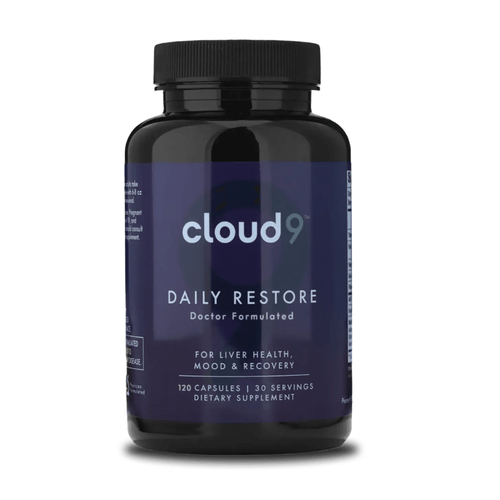
Cloud9 Daily Restore combines NAC, DHM, milk thistle, B vitamins, and ashwagandha to help support the pathways alcohol can tax most. Two capsules daily, drinking or not.
NAC | DHM | Milk Thistle | B Vitamins | Ashwagandha
See How Daily Restore WorksThe Timeline: What to Expect as Your Brain Recovers
Understanding the recovery timeline can help you stay patient with yourself. Your brain doesn't bounce back overnight, but it does follow a fairly predictable pattern of improvement.
Days 1-3: The Acute Phase
The first few days can actually feel worse before they feel better. Your brain is recalibrating its neurotransmitter levels, which can lead to heightened brain fog, irritability, and difficulty focusing. Sleep may be disrupted, which compounds the concentration issues.
During this phase, your brain is working hard to restore balance. It's normal to feel scattered or mentally sluggish.
Days 4-7: Initial Clarity
Most people notice the first real improvements during this window. Sleep quality typically improves, which has a cascading positive effect on daytime focus. You might find it easier to complete tasks without constant mental drift.
Your brain's reward system is also starting to recalibrate, which can improve motivation and mental energy.
Weeks 2-4: Sustained Improvement
This is where more substantial cognitive gains happen. Research suggests that neuroplasticity, your brain's ability to form new connections and repair old ones, accelerates during this period. Concentration, working memory, and mental stamina all tend to improve noticeably.
Many people report feeling sharper than they have in months once they reach the three-week mark.
| Recovery Phase | What's Happening | What You Might Notice |
|---|---|---|
| Days 1-3 | Neurotransmitter rebalancing | Increased brain fog, poor sleep |
| Days 4-7 | Sleep improvement, initial recovery | Better focus, less mental fatigue |
| Weeks 2-4 | Neuroplasticity acceleration | Sustained clarity, improved memory |
| Month 2+ | Structural brain changes | Peak cognitive performance |
Evidence-Based Strategies to Rebuild Concentration
Supporting your brain's natural recovery doesn't require expensive supplements or complicated protocols. A few targeted strategies can make a meaningful difference in how quickly your concentration returns.
Prioritize Sleep Architecture
Alcohol disrupts REM sleep, the phase crucial for memory consolidation and cognitive processing. Even after you stop drinking, it can take a week or two for your sleep cycles to normalize. Focus on sleep hygiene: consistent bedtimes, cool dark rooms, and limiting screens before bed.
Studies show that improved sleep quality is one of the strongest predictors of cognitive recovery after reducing alcohol intake.
Strategic Hydration and Electrolytes
Dehydration affects concentration more than most people realize, and alcohol is a powerful diuretic. Your brain is roughly 75% water, and even mild dehydration can impair focus and mental processing speed.
- Aim for half your body weight in ounces of water daily
- Include electrolytes, especially sodium, potassium, and magnesium
- Front-load hydration in the morning when cognitive demands are typically highest
- Limit caffeine, which can compound dehydration and increase jitteriness
Nutritional Support for Neurotransmitter Production
Your brain needs specific building blocks to rebuild its chemical messengers. Certain nutrients can support this process naturally.
B vitamins, particularly B1, B6, and B12, play crucial roles in neurotransmitter synthesis. Alcohol depletes these vitamins, so replenishing them through food or supplementation may help. Omega-3 fatty acids support brain cell membrane health and have been linked to improved cognitive function in recovery.
- Fatty fish like salmon or sardines for omega-3s
- Leafy greens and legumes for B vitamins and folate
- Eggs for choline, which supports memory and focus
- Nuts and seeds for magnesium and healthy fats

Movement and Blood Flow
Exercise increases blood flow to the brain, delivering oxygen and nutrients that support healing. Research suggests that even moderate physical activity can improve executive function and concentration, particularly in people recovering from periods of increased alcohol use.
You don't need intense workouts. A 20-minute walk, gentle yoga, or light resistance training can all support cognitive recovery.
The brain fog after a heavy social season isn't a character flaw or permanent damage. It's your brain asking for the resources it needs to heal. With the right support, most people notice dramatic improvements in focus and mental clarity within just two weeks.
When to Expect Full Cognitive Recovery
The timeline for complete concentration recovery varies based on how much and how long you've been drinking. For someone coming off a few weeks of holiday parties or wedding season, significant improvement typically happens within 2-4 weeks.
For those with longer patterns of regular drinking, full cognitive recovery may take 2-3 months. Brain imaging studies suggest that the prefrontal cortex continues to show structural improvements for several months after alcohol reduction, with cognitive benefits accumulating over time.
Signs Your Brain Is Healing
Pay attention to these markers of cognitive recovery. They're good indicators that your brain is rebuilding its capacity for sustained focus.
- You can read for longer periods without mental drift
- Complex tasks feel less overwhelming
- Your working memory improves (you remember why you opened that browser tab)
- Decision fatigue decreases throughout the day
- You wake up feeling more mentally refreshed
- Conversations feel easier to follow and engage with
What Slows Down Recovery
Certain factors can extend the timeline for concentration improvement. Being aware of them helps you make informed choices about your recovery process.
Poor sleep, chronic stress, and inadequate nutrition all slow cognitive healing. Continuing to drink, even occasionally, disrupts the brain's rebalancing process and can reset progress. Multitasking and information overload can also tax a recovering brain, making it harder to notice improvements.
How Daily Restore Supports Your Health
Understanding what your body needs is one thing. Getting consistent daily support is another. Daily Restore was designed to address the key pathways alcohol can stress most, in one simple daily formula.
NAC (N-Acetyl Cysteine)
Supports glutathione production and antioxidant defenses
DHM (Dihydromyricetin)
Supports alcohol metabolism
Milk Thistle (Silymarin)
Supports healthy liver function
B Vitamins
Help replenish nutrients involved in energy and metabolism
Ashwagandha
Supports stress resilience and healthy cortisol balance
Daily Restore is not a detox or a cure. It is a daily support formula designed for people who drink socially and want to give their body consistent, evidence-informed support.
Frequently Asked Questions
How long does it take for your brain to recover after heavy drinking?
The timeline varies depending on drinking patterns and individual factors, but research suggests noticeable improvements in concentration and cognitive function can begin within a few weeks of reduced alcohol intake. Full recovery of certain brain functions may take several months, though many people report feeling mentally sharper within the first 30 days of cutting back or taking a break.
Can supplements really help with brain fog after drinking?
Quality supplements containing NAC, B vitamins, and antioxidants may support your body's natural recovery processes and help replenish nutrients depleted by alcohol. While they're not a cure-all, studies show these compounds can assist with oxidative stress reduction and cellular repair when combined with adequate hydration, sleep, and nutrition.
Is it normal to have trouble concentrating after a period of heavy social drinking?
Yes, difficulty with focus and concentration is one of the most common effects of increased alcohol consumption. Alcohol disrupts neurotransmitter balance and can interfere with sleep quality, both of which directly impact cognitive performance. The good news is that these effects are often reversible with consistent healthy habits.
Should I quit drinking completely to improve my brain health?
That's a personal decision based on your health goals and relationship with alcohol. Even reducing your intake or taking regular breaks can provide significant cognitive benefits. Research suggests that limiting alcohol to moderate levels or incorporating alcohol-free days allows your brain time to recover and maintain optimal function.
What's the most important thing I can do right now to support my concentration?
Prioritize quality sleep and consistent hydration, as these have the most immediate impact on cognitive function. From there, focus on whole foods rich in omega-3s and antioxidants, regular movement, and giving your body the building blocks it needs to repair and regenerate through targeted supplementation.
The Bottom Line
Heavy social seasons happen, and your brain is remarkably resilient when given the right support. Whether you're recovering from holiday parties or simply noticing the cumulative effects of regular drinking, the strategies outlined here can help rebuild your concentration and mental clarity. The key is consistency, not perfection.
Daily Restore was designed specifically to support your body's natural recovery processes with a science-backed blend of NAC, B vitamins, and antioxidants. Taking it consistently, whether you're drinking or not, helps maintain the nutritional foundation your brain needs to function at its best. Think of it as a daily investment in cognitive resilience rather than a quick fix.
Combine Daily Restore with quality sleep, regular movement, brain-healthy foods, and adequate hydration, and you're giving yourself the best possible environment for mental performance. Small, sustainable changes compound over time, and your concentration will thank you.
Your brain health matters every single day, not just when you're feeling the after-effects of alcohol. Building habits that support cognitive function now can pay dividends for years to come, helping you stay sharp, focused, and fully present in your life.
Build Your Daily Support Routine
Build Your Daily Support Routine
If drinking is part of your lifestyle, your support routine should not be random. Daily Restore was designed to help social drinkers support liver health, antioxidant defenses, alcohol metabolism, nutrient replenishment, and daily recovery in one simple routine.
NAC
DHM
Milk Thistle
B Vitamins
Ashwagandha