

If you've ever Googled "best liver supplement for drinking," milk thistle probably topped the list. But unlike trendy wellness ingredients that fade after their moment on social media, this flowering herb has been studied in clinical settings for over 40 years, particularly for its effects on liver health in people who drink alcohol.
The research isn't just promising. It's extensive, specific, and increasingly focused on the exact question social drinkers care about: can a supplement actually help protect your liver when you're not ready to quit drinking entirely?
Here's what the science actually shows about milk thistle, why it stands apart from other liver supplements, and what that means for anyone trying to drink more responsibly without giving up alcohol completely.
Quick Take
- Milk thistle has been studied in over 1,000 clinical trials, with significant focus on alcohol-related liver damage
- The active compound silymarin works through multiple mechanisms: antioxidant activity, cell regeneration, and reducing inflammation
- Studies show milk thistle can help normalize elevated liver enzymes in regular drinkers within 8-12 weeks
- Not all milk thistle supplements are equal: bioavailability and standardization matter significantly for effectiveness
- Research suggests it's most effective as prevention and early intervention, not a cure for advanced liver disease
Why Milk Thistle Became the Gold Standard for Liver Research
Milk thistle (Silybum marianum) didn't become the most studied liver supplement by accident. European physicians have prescribed it for liver conditions since the 1960s, giving researchers decades of clinical use to observe and test. This long history created a foundation of data that most trendy supplements simply don't have.
The herb contains a group of compounds collectively called silymarin, with silybin being the most active component. Research suggests these compounds concentrate specifically in liver tissue, which partly explains why studies have focused so intensely on hepatic effects rather than general wellness claims.
What makes the research particularly relevant for drinkers is the focus on alcohol-induced liver damage. While many supplements claim liver benefits based on general antioxidant properties, milk thistle has been studied specifically in populations with documented alcohol consumption and resulting liver enzyme elevations.
Daily Support for Social Drinkers
Your liver works hard every day. Give it consistent support.
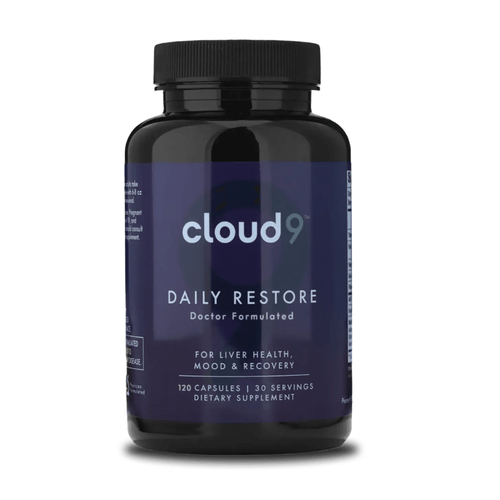
Cloud9 Daily Restore combines NAC, DHM, milk thistle, B vitamins, and ashwagandha to help support the pathways alcohol can tax most. Two capsules daily, drinking or not.
NAC | DHM | Milk Thistle | B Vitamins | Ashwagandha
See How Daily Restore WorksThe Three Mechanisms That Make Milk Thistle Different
Understanding how milk thistle actually works helps explain why it shows up so consistently in research. Unlike single-action supplements, silymarin appears to protect liver cells through multiple simultaneous pathways.
Antioxidant Protection Against Alcohol Metabolism
When your liver processes alcohol, it creates reactive compounds that damage cell membranes through oxidative stress. Studies show that silymarin acts as a potent antioxidant, neutralizing these harmful byproducts before they accumulate.
This isn't just theoretical. Clinical trials measuring oxidative stress markers in regular drinkers have found significant reductions after 8-12 weeks of milk thistle supplementation. The effect appears dose-dependent, with higher concentrations of silymarin showing stronger protective activity.
Cell Membrane Stabilization
Research suggests silymarin actually integrates into liver cell membranes, making them more resistant to toxic damage. Think of it as reinforcing the walls of a house before a storm rather than just cleaning up afterward.
This mechanism is particularly relevant for people who drink regularly. Each drinking session creates another wave of potential damage, and membrane stabilization may help liver cells withstand repeated exposure more effectively.
Protein Synthesis and Cell Regeneration
Perhaps most importantly, studies indicate that silymarin stimulates protein synthesis in liver cells, potentially accelerating the regeneration of damaged tissue. This goes beyond just preventing harm to actually supporting repair.
Animal studies have shown increased RNA polymerase activity in liver tissue, suggesting enhanced cellular rebuilding. While human studies show this more indirectly through improved liver function markers, the implication is clear: milk thistle may help your liver bounce back faster after drinking.
The question isn't whether milk thistle has liver-protective properties. The research on that is extensive. The real question is whether those properties translate into meaningful protection for social drinkers, and at what doses.
What the Clinical Trials Actually Show for Drinkers
The theoretical mechanisms matter, but the practical question is simpler: does milk thistle actually help people who drink alcohol? The clinical evidence provides some clear answers, with important nuances.
Effects on Liver Enzymes
Multiple studies have examined milk thistle's impact on elevated liver enzymes (ALT, AST, GGT) in people with regular alcohol consumption. The results are fairly consistent: standardized silymarin extracts can help normalize these markers within 2-3 months of daily use.
One analysis of multiple trials found that participants taking 420mg of silymarin daily showed significantly greater reductions in ALT and AST compared to placebo groups. The effect size wasn't dramatic, but it was consistent and clinically meaningful.
Important context: these studies typically involved people with already elevated enzymes, not healthy drinkers taking milk thistle preventatively. Whether it provides the same benefit to people with normal baseline liver function remains less studied.
Reduction in Liver Inflammation Markers
Beyond basic enzyme levels, research has examined inflammatory markers that indicate ongoing liver stress. Studies measuring cytokines and other inflammation indicators show that milk thistle supplementation correlates with reduced inflammatory activity in liver tissue.
This matters because chronic inflammation, even at low levels, contributes to progressive liver damage over time. Reducing inflammation may help break the cycle where each drinking session builds on previous damage rather than fully resolving.
The Bioavailability Problem
Here's where research gets complicated: standard silymarin has poor bioavailability, meaning your body absorbs only a small fraction of what you swallow. This explains why not all milk thistle supplements perform equally in studies.
Researchers have tested various formulations to improve absorption: phosphatidylcholine complexes (like silybin-phytosome), liposomal delivery, and micronized particles. Studies using these enhanced forms often show stronger effects at lower doses compared to standard extracts.
When comparing study results, the formulation matters as much as the dose. A trial using 200mg of a high-bioavailability form might show better outcomes than one using 600mg of standard extract.
How Milk Thistle Compares to Other Liver Supplements
Understanding milk thistle's research profile becomes clearer when compared to other popular liver supplements. The depth and focus of the evidence differs significantly across ingredients.
| Supplement | Clinical Studies | Alcohol-Specific Research | Primary Evidence |
|---|---|---|---|
| Milk Thistle | 1,000+ studies | Extensive, multiple trials | Liver enzyme reduction, antioxidant activity, cell protection |
| NAC | 500+ studies | Primarily acute toxicity, some chronic use | Acetaminophen overdose, glutathione support |
| Artichoke Extract | 100+ studies | Limited, mostly digestive focus | Bile production, cholesterol management |
| Dandelion Root | 50+ studies | Minimal, mostly animal models | Diuretic effects, traditional use data |
| Turmeric/Curcumin | 3,000+ studies | Some, mixed with general inflammation | General anti-inflammatory, bioavailability challenges |
Why Specificity Matters in Supplement Research
Many supplements show general antioxidant or anti-inflammatory properties in studies, but that doesn't automatically translate to liver protection during alcohol consumption. The specific metabolic pathways involved in alcohol processing require targeted intervention.
Milk thistle stands out because researchers have studied it specifically in the context of alcohol-induced damage, measuring the exact biomarkers that indicate liver stress from drinking. That focused research base makes the evidence more directly applicable to people who drink regularly.
The Right Dosing and What Research Suggests
Academic studies provide dosing guidance, though optimal amounts remain somewhat debated. Most clinical trials showing benefits for liver health use doses between 280mg and 600mg of silymarin daily, typically split into two or three doses.
Standardization and Quality Markers
Research-grade milk thistle supplements are standardized to contain 70-80% silymarin, with the silybin fraction being most important. Studies using non-standardized products show inconsistent results, which makes sense given variable active compound levels.
When evaluating supplements, look for these research-backed quality indicators:
- Standardized to at least 70% silymarin content
- Specifies silybin percentage (should be 50-60% of total silymarin)
- Enhanced bioavailability formulation (phosphatidylcholine complex, phytosome, or liposomal)
- Third-party testing verification for purity and potency
- Clear labeling of elemental silymarin content, not just total extract weight
Timing and Consistency
Research suggests that milk thistle's protective effects build over time rather than working acutely. Studies showing enzyme improvements typically involve daily supplementation for 8-12 weeks minimum. Taking it sporadically or only on drinking days likely provides minimal benefit.
Some people take milk thistle specifically before or after drinking, hoping for immediate protection. While this matches traditional use patterns, modern research suggests continuous daily intake provides better results than acute dosing around alcohol consumption.
What Milk Thistle Can't Do
Being the most studied liver supplement doesn't mean milk thistle is a magic solution. Research also clarifies its limitations, which matters for setting realistic expectations.
Not a Cure for Advanced Liver Disease
While some studies have examined milk thistle in people with cirrhosis or advanced liver disease, the results are mixed and generally show modest benefits at best. The protective effects appear strongest in early-stage damage and prevention, not reversal of severe fibrosis.
If you have diagnosed liver disease, milk thistle shouldn't replace medical treatment or monitoring. Research supports it as a complementary approach, not a primary intervention for serious conditions.
Doesn't Eliminate Alcohol's Effects
No supplement, regardless of research backing, removes the health risks of heavy drinking. Studies show milk thistle may reduce certain markers of liver stress, but it doesn't prevent alcohol from affecting your brain, cardiovascular system, sleep quality, or cancer risk.
Research measuring overall health outcomes in drinkers taking milk thistle versus those not taking it remains limited. The enzyme and inflammation benefits are real but represent only one piece of alcohol's total health impact.
Individual Variation in Response
Clinical trials report average effects across groups, but individual responses vary significantly. Some people show dramatic improvements in liver markers with milk thistle supplementation, while others show minimal change despite identical dosing.
Factors that may influence response include genetics (particularly genes affecting silymarin metabolism), baseline liver health, drinking patterns, diet quality, and other medications or supplements being taken simultaneously. Research hasn't fully mapped these variables yet.
How Daily Restore Supports Your Health
Understanding what your body needs is one thing. Getting consistent daily support is another. Daily Restore was designed to address the key pathways alcohol can stress most, in one simple daily formula.
NAC (N-Acetyl Cysteine)
Supports glutathione production and antioxidant defenses
DHM (Dihydromyricetin)
Supports alcohol metabolism
Milk Thistle (Silymarin)
Supports healthy liver function
B Vitamins
Help replenish nutrients involved in energy and metabolism
Ashwagandha
Supports stress resilience and healthy cortisol balance
Daily Restore is not a detox or a cure. It is a daily support formula designed for people who drink socially and want to give their body consistent, evidence-informed support.
Frequently Asked Questions
How long does it take for milk thistle to start working?
Most research suggests that the protective benefits of milk thistle build over time with consistent use, typically showing measurable effects within 4 to 8 weeks. While some people report feeling support sooner, the compound silymarin works gradually to help maintain healthy liver function rather than providing instant results. For best outcomes, daily supplementation is recommended.
Can milk thistle reverse liver damage from alcohol?
Milk thistle is not a cure for liver disease and cannot reverse significant alcohol-related damage on its own. However, studies show it may support the liver's natural regeneration processes and help protect against further oxidative stress when combined with reduced alcohol intake and healthy lifestyle choices. If you have concerns about liver health, it's essential to consult with a healthcare provider.
Is it safe to take milk thistle if I drink regularly?
Milk thistle is generally considered safe and well-tolerated, even for people who consume alcohol regularly. Research indicates it has a strong safety profile with minimal side effects. That said, it's designed to support liver health, not to enable excessive drinking, and moderation remains the most important factor in protecting your liver long-term.
What's the difference between milk thistle and silymarin?
Silymarin is the active compound found in milk thistle seeds, comprising a group of flavonolignans responsible for most of the supplement's protective benefits. When you see "milk thistle extract" on a supplement label, it typically refers to a concentrated form standardized to contain a specific percentage of silymarin, usually between 70% and 80%. Higher silymarin content generally indicates a more potent product.
Can I take milk thistle with other supplements or medications?
Milk thistle is compatible with most supplements and can be part of a broader wellness routine. However, because it may influence how the liver processes certain medications, it's important to check with your doctor if you're taking prescription drugs, especially those metabolized by the liver. A healthcare provider can help ensure there are no potential interactions.
The Bottom Line
Milk thistle stands out as the most extensively researched liver supplement available, backed by decades of clinical studies and a well-established safety profile. Its active compound, silymarin, has been shown to support the liver's natural defenses against oxidative stress and help maintain healthy liver function, particularly for those who enjoy alcohol in moderation.
While no supplement can replace the fundamentals of liver health, such as mindful drinking and a balanced lifestyle, milk thistle can be a valuable part of your daily routine. Consistent use appears to offer the most benefit, helping to create a foundation of support that works alongside, not instead of, responsible choices.
That's why we formulated Daily Restore with high-quality milk thistle extract standardized to 80% silymarin, combined with complementary ingredients like NAC, DHM, and vitamin B complex. It's designed for people who want to support their liver health proactively, whether you drink occasionally or regularly, without making extreme lifestyle changes.
Think of it as part of your daily wellness stack, like a multivitamin or omega-3s. Simple, consistent, and supported by the science that matters. Your liver works hard for you every day. Daily Restore is here to help you return the favor.
Build Your Daily Support Routine
Build Your Daily Support Routine
If drinking is part of your lifestyle, your support routine should not be random. Daily Restore was designed to help social drinkers support liver health, antioxidant defenses, alcohol metabolism, nutrient replenishment, and daily recovery in one simple routine.
NAC
DHM
Milk Thistle
B Vitamins
Ashwagandha